How long do bears live?
Short answer
Bears typically live between 15 and 30 years in the wild, depending on their species and environmental conditions. While some individuals in protected habitats may reach their thirties, most wild bears face significant mortality risks from starvation, disease, and human conflict. Captive bears often live longer, frequently exceeding 35 years with veterinary care.
On this page
How long do different bear species live?
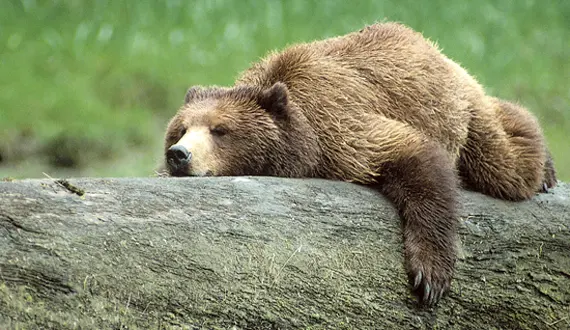
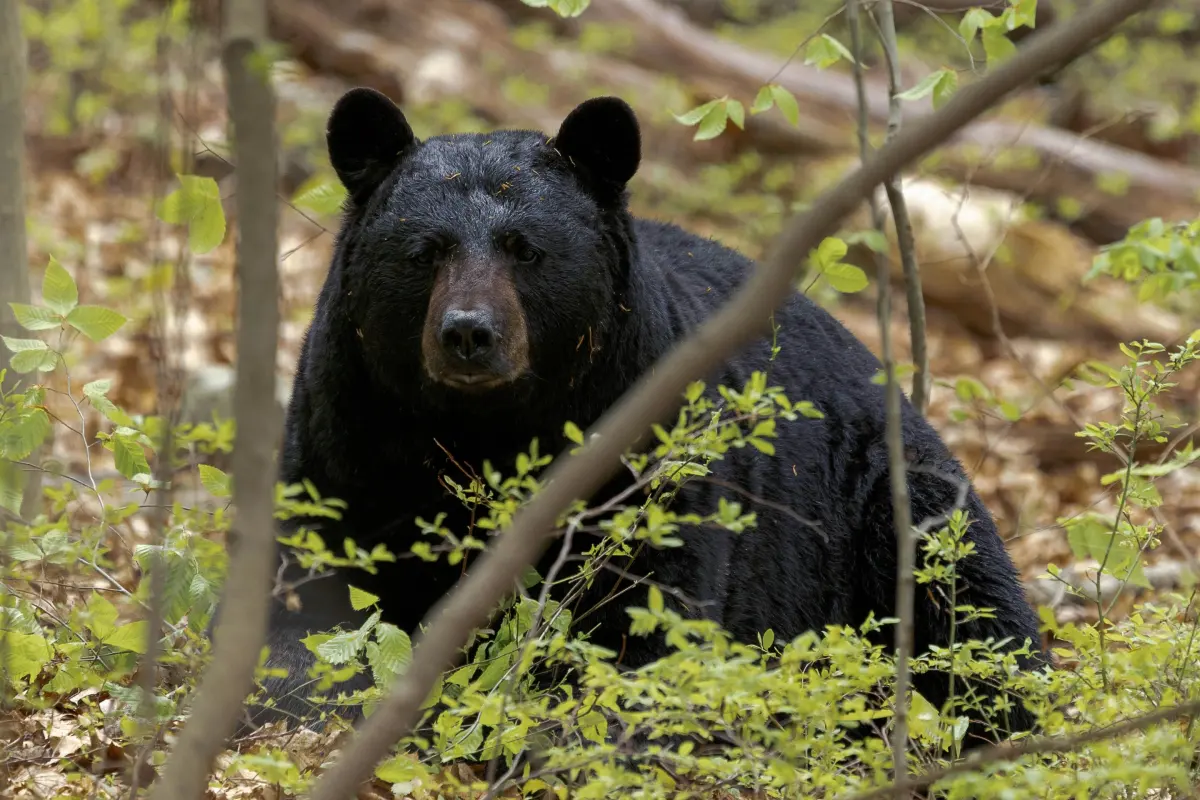
The lifespan of a bear varies significantly based on its species, habitat, and access to food resources. While the average wild lifespan often hovers around 20 years, some species exhibit different biological trends. For instance, American black bears are highly adaptable and can live up to 25 years in optimal conditions, though many succumb to environmental pressures much sooner.
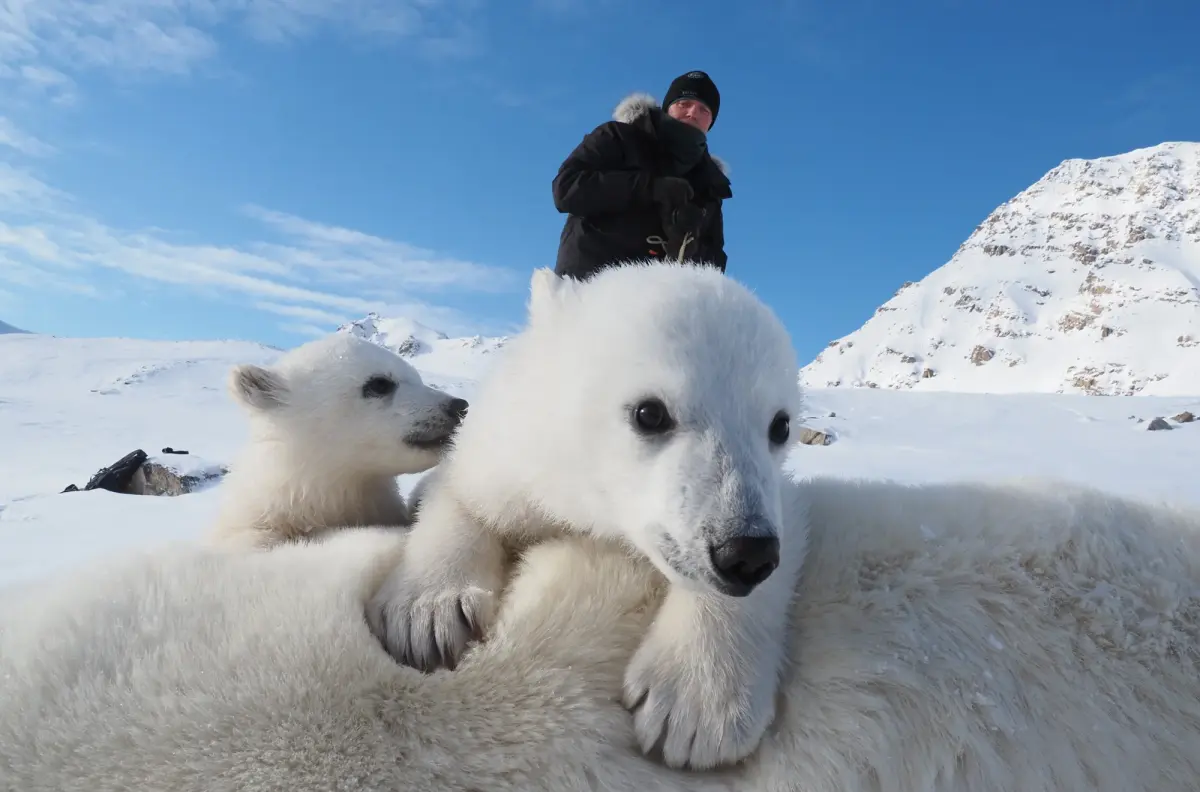
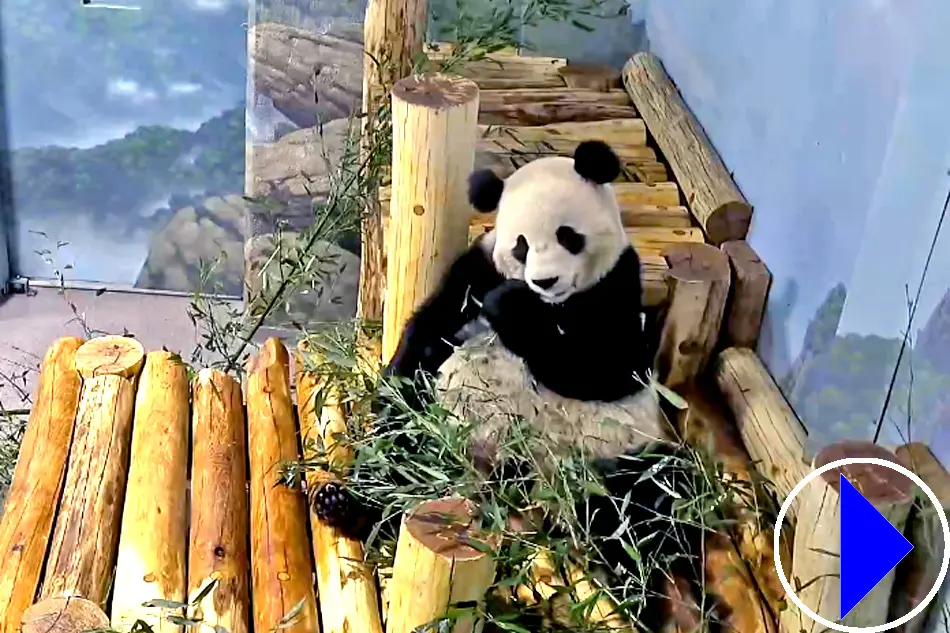
Grizzly bears, which are larger and more territorial, often face higher energy demands that can impact their longevity. Polar bears, living in the harsh Arctic, typically live 15 to 20 years in the wild. Their survival is heavily dependent on sea ice conditions, which dictate their ability to hunt seals. Giant pandas, protected in specialized reserves, have been known to live into their late thirties under human care, far exceeding their wild counterparts.
- American Black Bear: 20–25 years
- Grizzly Bear: 20–25 years
- Polar Bear: 15–20 years
- Giant Panda: 15–20 years (wild), 30+ years (captive)
- Spectacled Bear: 20–25 years
Why do bears live longer in captivity?
Bears kept in zoos or sanctuaries often live significantly longer than those in the wild, sometimes reaching their late thirties or early forties. This discrepancy exists primarily because captive animals are shielded from the primary causes of death in nature. They receive consistent, high-quality nutrition, which prevents the seasonal starvation that frequently claims the lives of younger or older wild bears.
Furthermore, captive bears have immediate access to medical attention. Veterinarians can treat infections, dental issues, and age-related ailments that would otherwise be fatal in the wilderness. Without the constant stress of defending territory, migrating for food, or competing for mates, captive bears conserve energy and avoid the physical trauma associated with wild life. However, captivity requires complex enrichment to ensure the animal remains mentally stimulated, as boredom can lead to stress-related health declines.
What factors affect bear survival in the wild?
Survival for a wild bear is a constant battle against biological and external threats. The most significant factor is the availability of high-calorie food sources, such as salmon runs or berry patches. Bears that fail to accumulate enough body fat during the summer months are unlikely to survive the winter hibernation period. This is especially critical for pregnant females, who must sustain themselves and their cubs throughout the denning season.
Human-wildlife conflict is another major factor limiting the lifespan of wild bears. As human development encroaches on bear habitats, bears are increasingly exposed to vehicle collisions, poaching, and lethal management actions when they become habituated to human food. Habitat fragmentation also forces bears to travel further, increasing their exposure to these risks. Disease and parasites, while less documented, also play a role in the mortality rates of older bears whose immune systems have begun to weaken.
- Secure all trash and food waste in bear-proof containers.
- Maintain a safe distance of at least 100 yards when observing bears.
- Carry bear spray and know how to use it in wilderness areas.
- Never feed a bear, as it encourages dangerous human-seeking behavior.
- Report bear sightings to local wildlife management agencies.
Common mistakes when estimating bear age
Determining the age of a wild bear is notoriously difficult, leading to many misconceptions about their longevity. One common mistake is assuming that a bear's size directly correlates to its age. While older bears are generally larger, a bear’s physical stature is more heavily influenced by its genetic makeup and the quality of its diet during its formative years. A young bear with access to abundant food may appear larger than an older, malnourished bear.
Another error is relying on visual observations of tooth wear or coat condition. While these can provide clues, they are often inaccurate because environmental factors, such as chewing on hard objects or living in harsh climates, can cause premature wear. Wildlife biologists typically use more precise methods, such as extracting a premolar tooth to count the cementum annuli, which are growth rings similar to those found in trees. Relying on guesswork often leads to an overestimation of how long bears survive in challenging environments.
How can we help bears live longer lives?
Promoting the longevity of bear populations requires a proactive approach to habitat conservation and coexistence. Protecting large, contiguous tracts of wilderness is the most effective way to ensure bears have the resources they need to thrive without human interference. When bears can move freely across vast landscapes, they are less likely to encounter human infrastructure and more likely to find the diverse food sources necessary for a healthy, long life.
Public education is equally vital for reducing the number of human-caused bear deaths. By understanding bear behavior and respecting their space, people can prevent the "problem bear" cycle that often ends in the animal's destruction. Supporting initiatives that focus on bear-resistant infrastructure in residential areas helps keep bears wild and away from human settlements. Ultimately, the lifespan of a bear is a reflection of the health of its ecosystem and the effectiveness of our efforts to coexist with these complex, intelligent apex predators.
Key facts
- Wild bears typically live between 15 and 25 years, depending on the species and environmental conditions.
- Captive bears often live significantly longer, sometimes reaching 30 to 40 years due to consistent food and veterinary care.
- The American black bear is the most common species, with wild individuals frequently living into their early 20s.
- Grizzly bears in the wild generally have a lifespan of 20 to 25 years, though some reach 30 in protected areas.
- Polar bears usually live 15 to 20 years in the wild, as the harsh Arctic environment presents extreme survival challenges.
- A common mistake is assuming bears die of old age; most wild bears succumb to starvation, disease, or human-related conflicts.
The bottom line
While wild bears typically live between 15 and 25 years, their longevity is heavily dictated by environmental factors and human interaction. Captivity can nearly double these figures by eliminating the constant struggle for food and safety. Ultimately, a bear's lifespan is a reflection of its ability to navigate a challenging landscape where survival depends on seasonal abundance, physical health, and avoiding dangerous encounters with humans.
People also ask
Do male and female bears have different lifespans?
In many species, females tend to live slightly longer than males. This is often because males engage in more frequent physical confrontations and risky behaviors during mating seasons.
What is the main cause of death for wild bears?
Human activity, including hunting, vehicle collisions, and habitat encroachment, is a leading cause of mortality. Natural factors like starvation during poor berry seasons or injuries from other bears also play significant roles.
Can a bear live to be 50 years old?
While extremely rare, some bears in controlled, high-quality zoo environments have lived into their late 40s. It is virtually impossible for a wild bear to reach this age due to the physical toll of foraging and seasonal stress.
How does hibernation affect a bear's lifespan?
Hibernation is a survival strategy that allows bears to conserve energy during food-scarce winters. While it helps them survive, the physiological stress of entering and exiting this state is intense and requires significant fat reserves.
Does living in a zoo guarantee a longer life for a bear?
Yes, captive environments remove the threats of starvation, predation, and territorial fighting. However, captive bears must be provided with proper enrichment to prevent health issues related to inactivity and obesity.
At what age do bears stop reproducing
Most female bears remain fertile well into their late teens or early 20s. Reproductive senescence varies by species, but fertility typically declines as a bear approaches the end of its natural lifespan.
This answer was created with the help of AI research tools and reference sources. Spotted an error? Let us know — we correct mistakes quickly. See our editorial policy.