How do you start gardening?
Short answer
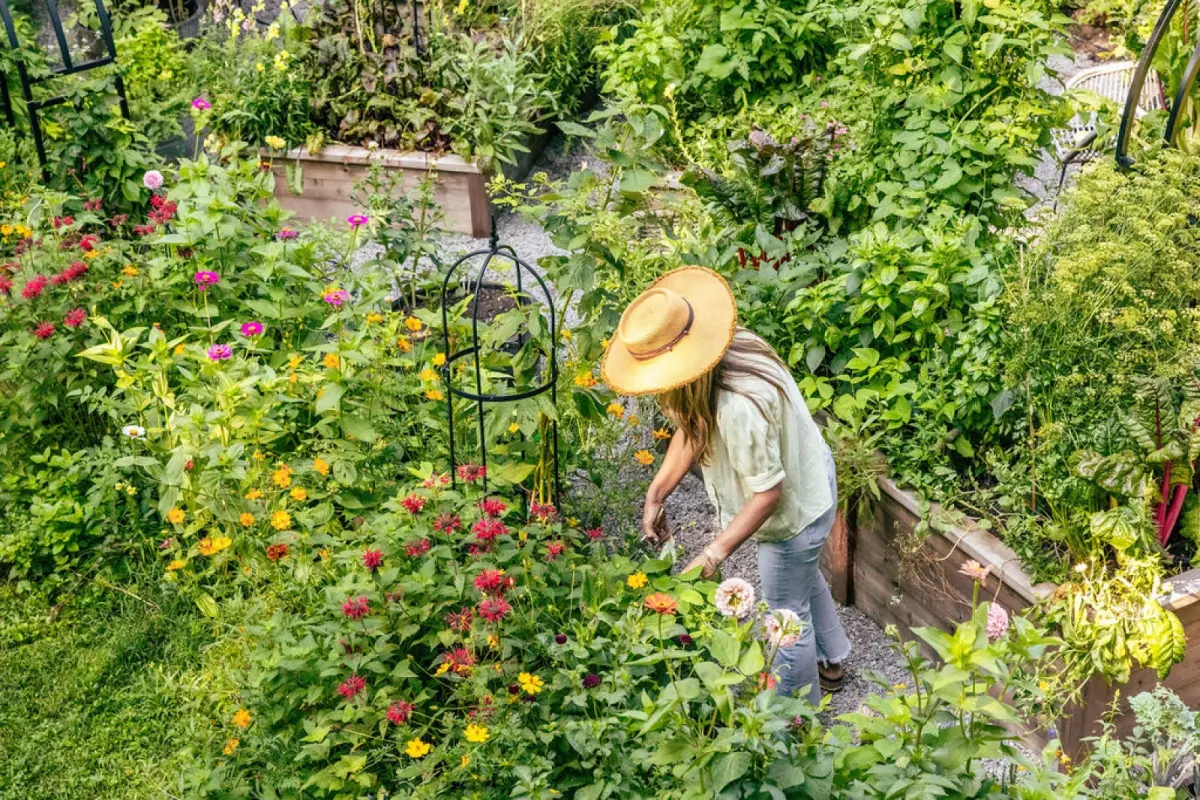
Starting a garden requires selecting a sunny location, testing your soil, and choosing plants suited to your local climate. Begin with a small, manageable plot or containers to ensure success. Consistent watering, proper drainage, and regular weeding are essential practices that transform a basic patch of earth into a thriving green space.
On this page
How to choose the best location for a garden
The success of your garden depends primarily on its location. Most vegetables, herbs, and flowering plants require at least six to eight hours of direct sunlight daily to produce healthy foliage and blooms. Observe your yard throughout the day to identify areas that remain in full sun versus those that fall into shade. Avoid spots near large trees or shrubs, as their root systems will compete with your plants for water and vital nutrients.
Accessibility is another critical factor often overlooked by beginners. You are far more likely to maintain your garden if it is located near a water source and close to your home. A garden tucked away in a distant corner of the yard is easily forgotten, leading to neglected plants and dehydration. Ensure the site has relatively level ground to prevent water runoff and erosion during heavy rainstorms.
- Observe sunlight patterns for a full day before planting.
- Ensure the site is within reach of a garden hose.
- Check for natural windbreaks to protect delicate seedlings.
- Verify that the area has good drainage and does not pool water.
Best plants for beginners to grow
Selecting the right plants is essential for building confidence during your first season. Vegetables such as radishes, lettuce, and bush beans are excellent choices because they grow quickly and require minimal intervention. For flowers, marigolds, zinnias, and sunflowers are remarkably resilient and provide vibrant color throughout the summer months. These varieties are forgiving of minor care errors and offer a high yield for the effort invested.
If you have limited space, consider starting with container gardening. Herbs like basil, mint, and chives thrive in pots on a patio or balcony. When choosing plants, always check the "hardiness zone" for your specific geographic region, which indicates which plants can survive your local winter temperatures. Starting with transplants from a local nursery rather than seeds can also simplify the process, as the plants are already established and more robust against pests.
- Radishes: Harvestable in as little as 25 days.
- Lettuce: Thrives in cool weather and grows rapidly.
- Marigolds: Naturally repel certain garden pests.
- Basil: Grows well in pots and requires little space.
How to prepare the soil for planting
Healthy soil is the foundation of a productive garden. Before planting, clear the area of weeds, rocks, and debris to ensure your crops do not have to compete for resources. If you are planting in the ground, use a garden fork or tiller to loosen the soil to a depth of about 8 to 12 inches. This aeration allows roots to penetrate the earth easily and improves water drainage, preventing the roots from rotting.
Most soils benefit from the addition of organic matter, such as compost or well-rotted manure. These amendments improve soil structure, increase nutrient retention, and encourage beneficial microbial activity. You can purchase a simple soil testing kit from a local gardening center to determine your soil's pH level. Most vegetables prefer a slightly acidic to neutral pH between 6.0 and 7.0. If the soil is too acidic, you may need to add lime; if it is too alkaline, sulfur can help balance the composition.
How much water and maintenance is required
Consistent moisture is the key to plant health, but the amount required varies by plant type and weather conditions. Generally, gardens need about one inch of water per week. It is better to water deeply and less frequently, which encourages roots to grow deeper into the soil, rather than shallow, daily sprinkling. Always aim the water at the base of the plant to keep the foliage dry, as wet leaves can encourage fungal diseases.
Maintenance is a daily or weekly commitment that prevents small problems from becoming disasters. Weeding is perhaps the most important task, as weeds steal water and nutrients from your desired plants. Mulching the soil around your plants with straw, wood chips, or shredded leaves helps suppress weed growth and retains soil moisture. Regularly inspect your plants for signs of insect damage or discoloration, addressing these issues early to prevent the spread of pests or disease throughout your entire garden plot.
Common mistakes when starting a garden
One of the most frequent errors beginners make is starting with a garden that is too large. A massive plot requires significant time for weeding, watering, and harvesting, which can quickly become overwhelming. Start with a small, manageable space, such as a four-by-four-foot raised bed or a few large containers. You can always expand your garden in subsequent years once you have mastered the basics of plant care and time management.
Another common mistake is overwatering or underwatering your plants. Always check the moisture level of the soil by inserting your finger an inch deep before adding more water. If the soil feels damp, wait another day. Additionally, planting too early in the spring before the danger of frost has passed can kill delicate seedlings. Research the "last frost date" for your specific area to ensure you are planting at the optimal time for the local climate. Avoid these pitfalls by planning ahead, starting small, and staying consistent with your observation and care.
Key facts
- Most vegetables require at least 6 to 8 hours of direct sunlight each day to thrive.
- Soil quality is the foundation of gardening; test your soil pH to determine if it needs amendments like lime or compost.
- Watering in the early morning reduces evaporation and prevents fungal diseases caused by overnight moisture.
- Mulching with 2 to 3 inches of organic material helps retain soil moisture and suppresses invasive weeds.
- Choose native plants when possible, as they are adapted to your local climate and require less maintenance.
- Start with a small plot, such as a 4-by-4-foot raised bed, to avoid becoming overwhelmed during your first season.
The bottom line
Starting a garden is a rewarding process that begins with understanding your local environment and soil conditions. By selecting the right location, providing consistent water, and choosing plants suited to your climate, you can cultivate a productive space. Focus on starting small, learning from your daily observations, and maintaining soil health. With patience and careful planning, you will successfully grow your own plants and vegetables.
People also ask
How do I know which hardiness zone I am in?
You can check the USDA Plant Hardiness Zone Map, which divides regions based on their average annual minimum winter temperature. Knowing your zone helps you select plants that are capable of surviving the winter in your specific climate.
Is it better to start with seeds or transplants?
Beginners often find more success with transplants, which are young plants already started in nurseries. Seeds are more economical and offer a wider variety of cultivars, but they require more patience and careful monitoring during the germination phase.
How often should I fertilize my garden?
Frequency depends on the plant type and soil health, but a general rule is to apply a balanced, slow-release fertilizer at the start of the growing season. Over-fertilizing can lead to excessive foliage growth at the expense of flowers or fruit production.
What are the most common mistakes beginners make?
The most frequent errors include overwatering, planting too closely, and ignoring light requirements. Always read the plant tag or seed packet to understand the specific spacing and sun exposure needs for each variety.
How do I deal with garden pests?
Integrated Pest Management focuses on prevention, such as using physical barriers like row covers or encouraging beneficial insects like ladybugs. Avoid heavy chemical pesticides, as they often kill the helpful organisms that keep pest populations in balance.
Can I garden in containers?
Container gardening is an excellent way to start if you have limited space or poor soil quality. Ensure your pots have adequate drainage holes and use a high-quality potting mix rather than garden soil to prevent compaction.
This answer was created with the help of AI research tools and reference sources. Spotted an error? Let us know — we correct mistakes quickly. See our editorial policy.