How do you start rock climbing?
Short answer
Start rock climbing by visiting a local indoor climbing gym. Sign up for an introductory belay class to learn basic safety knots, harness usage, and communication protocols. Rent essential gear like climbing shoes and a harness from the facility. Once confident, practice consistently to build foundational technique, strength, and mental comfort.
On this page
How to start rock climbing for beginners
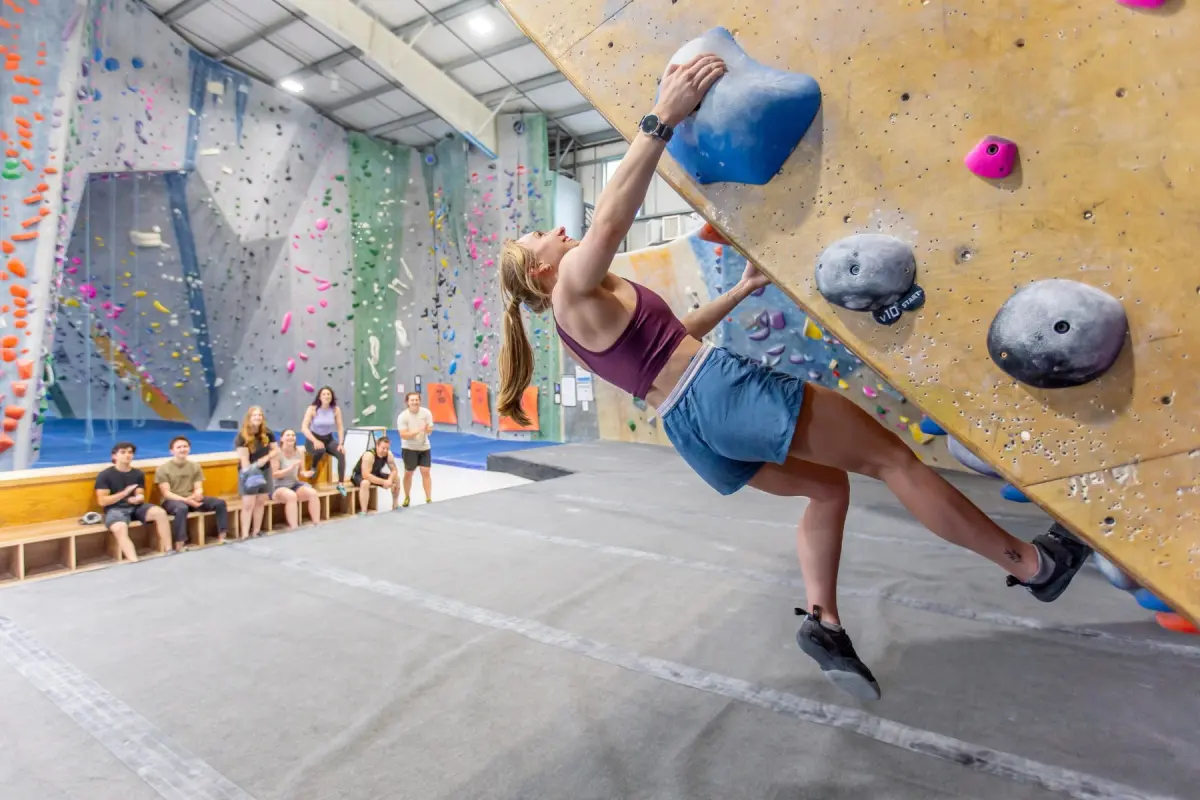
The most accessible way to begin is by visiting an indoor climbing gym, which offers a controlled environment with padded floors and standardized safety protocols. You do not need to purchase expensive equipment immediately, as most gyms provide rental shoes, harnesses, and chalk bags. Start by trying "bouldering," which involves climbing shorter walls without ropes, focusing on movement and problem-solving.
When you are ready to climb higher, sign up for an "intro to belay" course. These classes teach you how to manage the rope for a partner, ensuring they remain safe if they fall. You will learn the figure-eight follow-through knot, which is the industry standard for tying into a climbing harness. Mastering these fundamental skills is the essential first step toward independence in the sport.
- Find a reputable local climbing gym.
- Rent basic equipment: climbing shoes, a harness, and a chalk bag.
- Take an introductory class to learn safety knots and belay techniques.
- Practice on easy routes to build finger and forearm strength.
- Focus on footwork rather than just pulling with your arms.
What gear do you need for rock climbing
While gyms provide rentals, you may eventually want your own gear for better performance and hygiene. Climbing shoes are the most critical piece of equipment; they should fit snugly without being painful, providing friction against the wall. A harness should be comfortable, adjustable, and rated by the UIAA (International Climbing and Mountaineering Federation) for safety.
A chalk bag is also helpful, as it keeps your hands dry, increasing your grip on holds. If you plan to climb outdoors, you will need additional specialized equipment, including a dynamic rope, quickdraws, and a helmet. Always inspect your gear for signs of wear, such as frayed webbing or worn-out rubber soles, before every climbing session to ensure your equipment remains reliable.
- Climbing shoes: Provide grip and precision on small edges.
- Harness: Securely connects you to the rope system.
- Chalk bag: Keeps hands dry to prevent slipping.
- Belay device: Controls the rope during a partner's ascent.
- Carabiners: Metal loops used to connect various pieces of gear.
How to learn climbing techniques
Climbing is as much about technique as it is about physical strength. Beginners often make the mistake of using their arms to pull themselves up, which leads to rapid fatigue. Instead, focus on "straight-arm climbing," which keeps your weight on your skeletal structure rather than your muscles. Use your legs to push your body upward, as your leg muscles are significantly larger and more durable than those in your upper body.
Pay attention to your footwork by placing the tips of your toes precisely on the holds. Practice "silent feet," a drill where you climb a route while trying to place your feet without making any sound. This forces you to look at your feet until they are securely placed. Consistent practice of these movements will improve your efficiency, allowing you to climb longer and harder routes with less effort over time.
Common mistakes when starting to climb
One of the most frequent errors is over-gripping, where climbers squeeze the holds much harder than necessary. This leads to "pumped" forearms, where lactic acid buildup makes it impossible to continue. Another common mistake is failing to communicate clearly with your belayer. Always use standard commands like "on belay," "climbing," and "take" to ensure both the climber and the belayer understand the status of the rope system.
Additionally, many beginners ignore the importance of resting. Do not attempt to climb every route in the gym during your first session, as your tendons need time to adapt to the new stresses. Overuse injuries, such as tendonitis in the elbows or fingers, are common when beginners push too hard too soon. Listen to your body, take rest days between sessions, and prioritize quality movement over the quantity of climbs completed.
How long does it take to get better
Progress in climbing is highly individual, depending on your frequency of practice and physical conditioning. Most beginners notice a significant improvement in their confidence and movement efficiency within three to six months of climbing twice a week. During this period, your body undergoes neurological adaptations, teaching your brain how to balance and move effectively on vertical terrain.
To accelerate your progress, consider cross-training with activities that build core strength and flexibility, such as yoga or pilates. Climbing is a sport of patience; you will encounter plateaus where your grade does not seem to increase. Use these times to focus on specific weaknesses, such as balance or dynamic movement. By remaining consistent and focusing on proper technique, you will eventually find yourself scaling routes that seemed impossible during your first day at the gym.
Key facts
- Indoor climbing gyms are the safest and most accessible places for beginners to learn basic techniques.
- Bouldering involves climbing shorter walls without ropes, using thick foam pads for safety.
- Top-roping requires a harness and a partner who manages the rope from the ground.
- Always perform a "buddy check" on your harness buckles and knot before leaving the ground.
- Climbing shoes should fit snugly like a second skin without causing sharp pain.
- Chalk is used to keep hands dry, which significantly improves grip on plastic or rock holds.
The bottom line
Starting rock climbing is a rewarding pursuit that combines physical challenge with mental problem-solving. By visiting a local indoor gym, you can learn fundamental safety protocols and movement techniques in a controlled environment. Focus on building your balance and footwork rather than relying solely on upper-body strength. With consistent practice and proper instruction, you will quickly gain the confidence to explore more advanced climbing disciplines outdoors.
People also ask
Do I need to be strong to start rock climbing?
You do not need elite fitness to begin, as climbing relies heavily on leg power and balance rather than just arm strength. Most beginners find that their endurance and technique improve rapidly through consistent practice on beginner-rated routes.
What is the difference between bouldering and sport climbing?
Bouldering is practiced on low walls without ropes, focusing on short, explosive movements. Sport climbing involves ascending high walls while clipped into pre-placed bolts for safety, requiring a partner to belay you.
How long does it take to learn how to belay?
Most climbing gyms offer a certification course that takes about one to two hours to complete. Once you pass the test, you are permitted to manage the safety rope for other climbers in that facility.
Can I climb if I have a fear of heights?
Many climbers start with a fear of heights, which often diminishes as you become comfortable with the safety equipment. Starting with low-level bouldering allows you to acclimate to climbing movements before moving to higher walls.
What gear should I buy first?
Beginners should start by renting equipment from a local gym to see if they enjoy the sport. Once committed, purchasing your own climbing shoes and a chalk bag is the standard first step for most enthusiasts.
How often should a beginner climb?
Aiming for two sessions per week is ideal for building muscle memory without overtraining. Rest days are essential for your tendons and ligaments to recover, as climbing puts unique stress on the fingers and forearms.
This answer was created with the help of AI research tools and reference sources. Spotted an error? Let us know — we correct mistakes quickly. See our editorial policy.