What are the benefits of learning an instrument?
Short answer
Learning a musical instrument improves cognitive function, enhances memory, and refines motor skills through complex brain engagement. It fosters emotional regulation, discipline, and patience while providing a unique creative outlet. Beyond personal enrichment, playing music strengthens social connections and reduces stress, offering long-term neuroprotective benefits that support healthy aging and mental clarity.
On this page
How does learning an instrument change the brain?
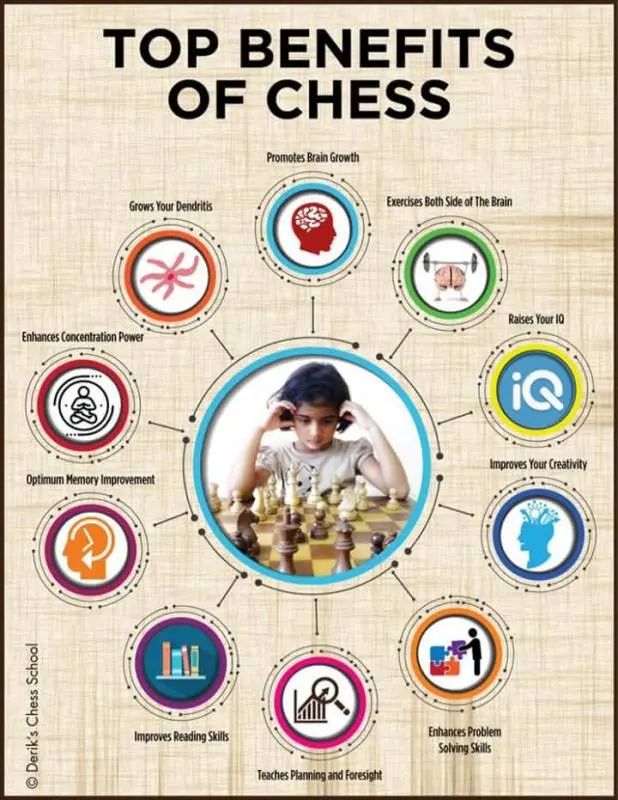
Engaging with a musical instrument is one of the few activities that activates almost every area of the brain simultaneously. When a musician plays, the auditory, motor, and visual cortices work in tandem to process rhythm, pitch, and physical movement. This intense synchronization strengthens the corpus callosum, the bridge between the left and right hemispheres, allowing for faster communication and more efficient problem-solving skills.
Research indicates that regular practice increases gray matter volume in various regions of the brain. This structural change is particularly notable in areas responsible for executive function and sensory processing. By challenging the brain to decode complex notation while executing precise physical maneuvers, learners develop enhanced neuroplasticity. This cognitive workout persists throughout life, potentially delaying the onset of age-related cognitive decline and improving overall mental sharpness in older adults.
Best instruments for beginners to start with
Selecting an instrument depends on your personal goals, budget, and access to instruction. Some instruments offer a more intuitive learning curve for those with no prior musical experience, allowing for faster progress and earlier satisfaction.
- Ukulele: Features four nylon strings and a small frame, making it gentle on the fingers and easy to transport.
- Piano: Provides a visual layout of notes, which helps beginners understand music theory and pitch relationships quickly.
- Recorder: An affordable woodwind instrument that teaches breath control and basic notation without complex fingerings.
- Percussion: Offers an immediate entry point into rhythm and timing, which are the foundational elements of all music.
Avoid choosing an instrument solely based on its popularity if you do not enjoy its specific timbre. If you find the sound of a violin grating, you will likely struggle to maintain the motivation required for daily practice. Prioritize instruments that resonate with your personal taste, as your emotional connection to the sound will be your primary driver during difficult learning phases.
Common mistakes when learning an instrument
Many beginners fall into the trap of inconsistent practice, which is the most significant barrier to improvement. Practicing for three hours once a week is far less effective than practicing for twenty minutes every day. This consistency allows the brain to consolidate motor memory, turning repetitive movements into muscle memory. Without daily reinforcement, the neural pathways required for playing do not solidify, leading to frustration and stagnation.
Another frequent error is neglecting the fundamentals in favor of playing complex songs prematurely. Attempting to play advanced pieces before mastering basic scales, posture, and rhythm often results in poor technique that is difficult to correct later. To ensure steady progress, follow these guidelines:
- Prioritize slow, deliberate practice over speed to ensure accuracy in every note.
- Use a metronome from the beginning to develop a rock-solid sense of internal timing.
- Record your practice sessions to objectively identify areas that need improvement.
- Focus on relaxing your body to prevent tension-related injuries like tendonitis.
How long does it take to learn an instrument?
The timeline for proficiency varies significantly based on the instrument's complexity and the student's dedication. Most beginners can learn to play simple melodies on the piano or ukulele within a few weeks of consistent practice. Intermediate proficiency, which allows a student to play more complex arrangements and understand basic improvisation, typically takes one to two years of regular study. Mastery, however, is a lifelong pursuit that requires thousands of hours of deliberate practice.
It is helpful to set incremental goals rather than focusing on the distant finish line of "mastery." For example, aim to learn one new chord per week or finish a specific song by the end of the month. By breaking the journey into manageable milestones, you maintain a sense of accomplishment. Remember that even professional musicians continue to learn and refine their craft throughout their careers, as music is a vast and ever-evolving field of study.
Why music is good for emotional health
Playing an instrument serves as a powerful tool for emotional regulation and stress reduction. The act of focusing on music forces the mind to step away from daily anxieties, providing a meditative state that lowers cortisol levels. This creative expression allows individuals to process complex emotions that may be difficult to articulate through words alone. Whether playing a somber piece or an upbeat rhythm, musicians often report a significant shift in their mood after a practice session.
Furthermore, learning an instrument fosters resilience and patience. You will encounter plateaus where progress seems to stall, but overcoming these hurdles builds grit and self-confidence. Sharing music with others also creates a sense of community and belonging, whether in a formal ensemble or an informal jam session. This social dimension of music-making reinforces the emotional benefits, proving that the value of an instrument extends far beyond the technical ability to produce sound.
Key facts
- Learning an instrument improves neuroplasticity, strengthening the connection between the brain's left and right hemispheres.
- Studies show that musicians often possess superior verbal memory and executive function compared to non-musicians.
- Consistent practice for just 20 minutes a day can lead to measurable improvements in fine motor skills within three months.
- Playing music engages almost every area of the brain simultaneously, including regions responsible for visual, auditory, and motor processing.
- To avoid injury, always warm up your muscles for five minutes before playing to prevent repetitive strain issues like tendonitis.
- A common mistake is practicing too intensely; focus on short, focused sessions rather than marathon practice to prevent burnout and physical fatigue.
The bottom line
Learning an instrument is a transformative pursuit that enhances cognitive function, motor coordination, and emotional well-being. By committing to short, consistent practice sessions and prioritizing proper technique, you can develop a rewarding skill that lasts a lifetime. Whether you seek the mental challenge or the joy of creative expression, the process of mastering music provides unique benefits that positively impact your brain and daily life.
People also ask
Is it harder to learn an instrument as an adult?
While children often absorb musical patterns more intuitively, adults possess better focus, discipline, and analytical skills. You may progress slower in raw motor speed, but you will likely understand music theory and structure more efficiently than a younger student.
How much time should I dedicate to practice each day?
Consistency is more important than duration. Aim for 15 to 30 minutes of focused, daily practice rather than one long session on the weekend. This frequency helps build muscle memory and reinforces neural pathways effectively.
Should I hire a private teacher or learn online?
Private teachers provide immediate feedback on posture and technique, which is crucial for beginners to avoid bad habits. Online courses are more affordable and flexible, but they lack the personalized correction necessary to ensure you are playing safely and accurately.
What is the best instrument for a beginner to start with?
The piano is widely considered the best starting point because it provides a visual representation of music theory. Alternatively, the ukulele is an excellent, low-cost choice that allows beginners to play songs quickly due to its simple chord structures.
How do I know if I am making progress?
Keep a practice journal to record the specific techniques or songs you are working on each week. Recording yourself playing once a month is also an objective way to hear improvements in your rhythm, tone, and overall musicality.
What are the most common physical mistakes beginners make?
The most frequent error is maintaining poor posture or excessive tension in the shoulders and wrists. This leads to discomfort and limits your ability to play fluidly, so prioritize relaxation and ergonomic positioning from your very first lesson.
This answer was created with the help of AI research tools and reference sources. Spotted an error? Let us know — we correct mistakes quickly. See our editorial policy.