What are the benefits of learning a language?
Short answer
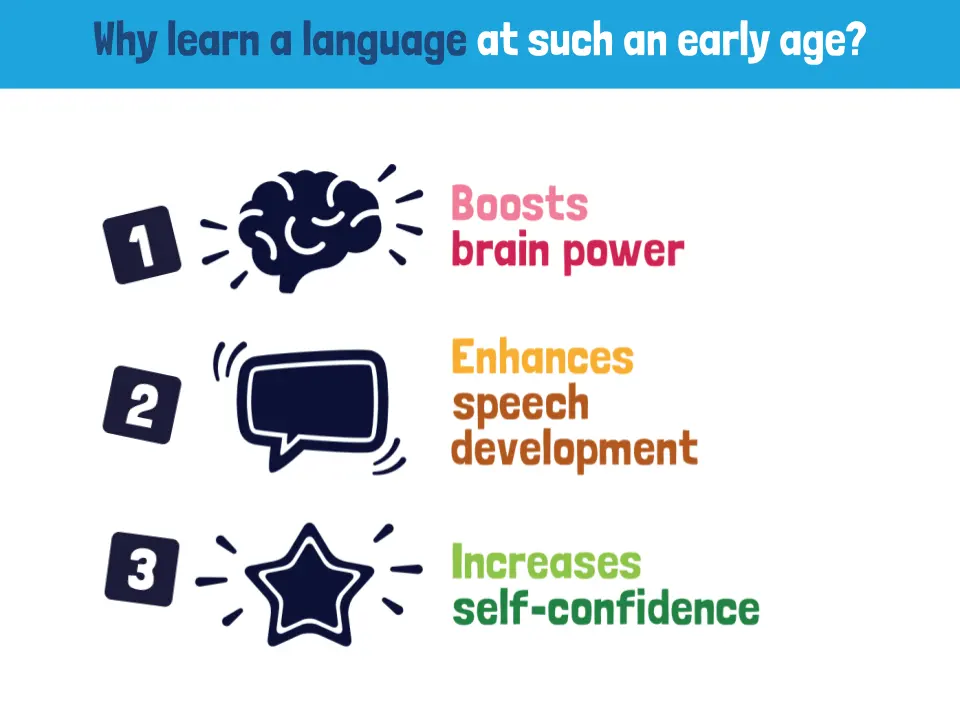
Learning a language enhances cognitive function, improves memory, and delays the onset of age-related mental decline. It fosters deeper cross-cultural empathy and provides significant professional advantages in a globalized economy. By engaging with new linguistic structures, learners expand their communication skills, broaden their worldview, and gain access to diverse perspectives and opportunities.
On this page
How long does it take to learn a language?
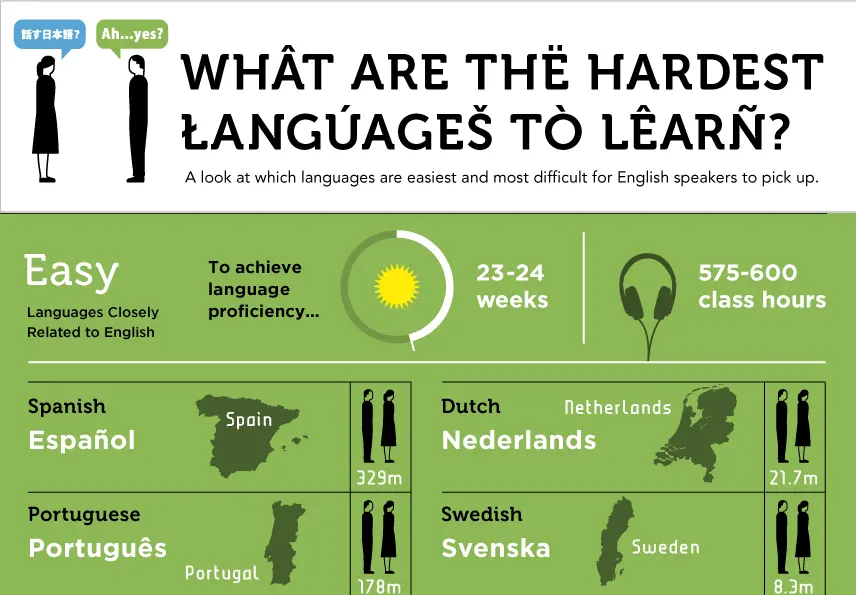
The time required to achieve proficiency depends heavily on the target language's distance from your native tongue. The Foreign Service Institute (FSI) categorizes languages by difficulty for English speakers. Category I languages, such as Spanish, French, or Italian, typically require 600 to 750 class hours to reach professional working proficiency. More complex languages like Arabic, Mandarin, or Japanese, which utilize different scripts and grammatical structures, often demand 2,200 hours or more.
Consistency remains the most critical factor in determining how quickly you progress. Studying for 30 minutes every day is significantly more effective than a single five-hour session on the weekend. Most learners reach a conversational level within one to two years of dedicated, daily practice. To expedite this process, consider these milestones:
- Months 1-3: Focus on the 500 most frequent words and basic sentence structures.
- Months 4-6: Begin consuming simple media, such as children's books or podcasts.
- Months 7-12: Engage in regular conversation with native speakers to build fluency.
Best ways to learn a language for beginners
Modern language acquisition relies on the principle of "comprehensible input," which suggests that you learn best when you consume content slightly above your current ability. Beginners should prioritize high-frequency vocabulary rather than obscure grammar rules. By learning the 1,000 most common words, you can understand approximately 75% of everyday conversations in most languages.
To build a strong foundation, integrate these practical strategies into your routine:
- Use spaced repetition systems (SRS) to memorize vocabulary efficiently.
- Label household items with their foreign names to build passive association.
- Listen to native-level audio even if you do not understand the content yet to train your ears to the rhythm and intonation.
- Practice speaking aloud from day one to develop the necessary muscle memory for new sounds.
Avoid relying solely on translating word-for-word, as this ignores the nuances of idiomatic expressions. Instead, focus on learning phrases in context to understand how the language functions in real-world scenarios.
Why brain health improves with language learning
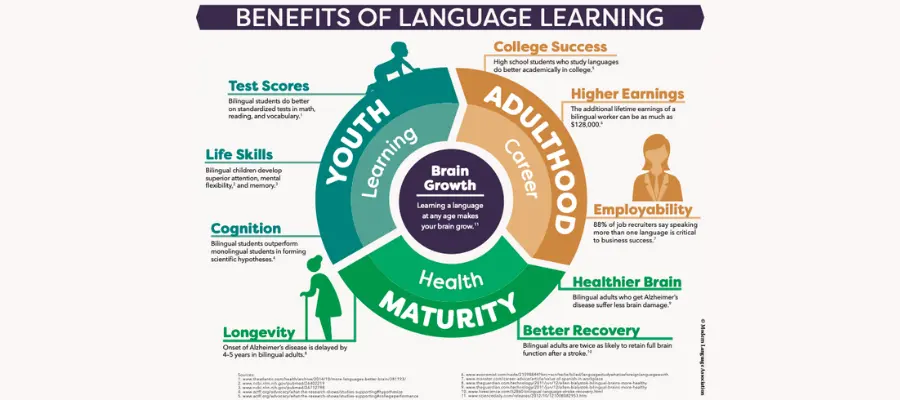
Scientific research indicates that bilingualism acts as a rigorous workout for the brain. Engaging with two or more language systems forces the brain to resolve conflict and inhibit irrelevant information, which strengthens the executive control system. This process improves neuroplasticity, allowing the brain to adapt more effectively to new information and recover from injury.
Studies have shown that bilingual individuals often exhibit a "cognitive reserve" that can delay the symptoms of dementia and Alzheimer's disease by an average of four to five years compared to monolinguals. This benefit is not limited to those who learned a language in childhood; adults who begin learning later in life also experience measurable improvements in attention, task switching, and working memory. By challenging the brain to categorize new sounds and grammatical rules, you maintain cognitive agility and support long-term mental health.
Common mistakes when learning a language
The most frequent error learners make is the "perfectionism trap," where the fear of making a grammatical mistake prevents them from speaking. Language is a tool for communication, not a test of grammatical purity. Native speakers rarely expect learners to be perfect and generally appreciate the effort taken to speak their language. Another common mistake is neglecting listening practice in favor of reading textbooks, which can lead to a disconnect between your written knowledge and your ability to understand spoken dialogue.
Avoid these pitfalls to ensure steady progress:
- Over-relying on grammar drills at the expense of active speaking.
- Skipping pronunciation practice, which creates bad habits that are difficult to undo later.
- Setting unrealistic goals, such as expecting to be fluent in a month, which leads to burnout.
- Ignoring cultural context, which is essential for understanding why certain phrases are used in specific social situations.
How to use a language for career advancement
In a globalized economy, multilingualism is a highly sought-after skill that can increase your earning potential and job security. Companies operating internationally value employees who can navigate cultural nuances and bridge communication gaps. Proficiency in a second language often leads to opportunities for international travel, expatriate assignments, and roles in diplomacy, global marketing, or international law.
Beyond specific job titles, learning a language demonstrates discipline, cultural intelligence, and the ability to learn complex tasks. These "soft skills" are transferable to almost any industry. To leverage your language skills professionally, consider obtaining formal certification, such as the DELE for Spanish or the JLPT for Japanese, to provide objective proof of your proficiency to potential employers. By highlighting your ability to connect with international clients or partners, you differentiate yourself in a competitive job market and open doors to roles that would otherwise remain inaccessible. Whether you aim to move abroad or work for a multinational firm, the ability to speak another language is a tangible asset that pays dividends throughout your entire professional career.
Key facts
- Bilingualism can delay the onset of dementia symptoms by an average of 4.5 years compared to monolinguals.
- Learning a second language increases grey matter density in the brain's left inferior parietal cortex.
- Over 60% of the world's population speaks at least two languages, making multilingualism the global norm.
- Focus on the "80/20 rule" (Pareto Principle): learn the 1,000 most frequent words to understand 85% of daily conversation.
- Consistency beats intensity; studying for 20 minutes daily is more effective for long-term retention than a five-hour weekly session.
- Avoid the "translation trap" by learning vocabulary through images and context rather than mapping words directly to your native language.
The bottom line
Learning a new language is a transformative cognitive exercise that enhances brain plasticity and delays age-related decline. Beyond the neurological advantages, it provides a practical gateway to new cultures, professional opportunities, and deeper human connections. By prioritizing high-frequency vocabulary and maintaining a consistent daily practice, you can overcome the initial hurdles of acquisition and achieve a level of proficiency that significantly enriches your personal and professional life.
People also ask
Is it harder for adults to learn a language than children?
While children have a higher capacity for picking up native-like pronunciation, adults possess superior analytical skills and larger vocabularies. Adults can leverage their understanding of grammar and logic to learn faster if they maintain consistent practice.
How long does it take to become fluent in a new language?
Fluency depends on the linguistic distance between your native language and the target language. The U.S. Foreign Service Institute estimates that native English speakers need about 600 to 750 classroom hours to reach professional proficiency in languages like Spanish or French.
Should I prioritize grammar or vocabulary first?
Prioritize high-frequency vocabulary to build a foundation for communication. Grammar is best learned in context once you have enough words to construct simple, functional sentences.
Does watching movies in a foreign language actually help?
Yes, it improves listening comprehension and helps you internalize natural phrasing. To maximize benefits, watch with subtitles in the target language rather than your native language to force your brain to map sounds to text.
What is the most common mistake beginners make?
The most common error is the fear of making mistakes, which leads to "passive learning" where students only read or listen. You must speak out loud, even to yourself, to develop the muscle memory required for fluency.
Can I learn a language just by using mobile apps?
Apps are excellent for building habits and vocabulary, but they are insufficient for true fluency. You must supplement app usage with real-world conversation, reading authentic texts, and active listening to achieve genuine proficiency.
This answer was created with the help of AI research tools and reference sources. Spotted an error? Let us know — we correct mistakes quickly. See our editorial policy.