What is Remembrance Day?
Short answer
Remembrance Day is a memorial holiday observed annually on November 11 to honor members of the armed forces who died in the line of duty. It marks the anniversary of the 1918 armistice that ended major hostilities in World War I, serving as a solemn occasion for reflection, gratitude, and national commemoration.
On this page
Why is Remembrance Day celebrated on November 11?
The date was chosen to commemorate the end of the First World War, which concluded with the signing of the Armistice between the Allied powers and Germany. This agreement took effect on the "eleventh hour of the eleventh day of the eleventh month" in 1918. For many years, this moment represented the cessation of four years of brutal global conflict that claimed millions of lives across Europe and beyond.
Following the war, King George V proclaimed that the day should be dedicated to the memory of those who made the ultimate sacrifice. While initially called Armistice Day, the name was changed in many Commonwealth nations after the Second World War to encompass all veterans and fallen soldiers. It remains a fixed date in the calendar, ensuring that the legacy of those who served in every conflict since 1914 is never forgotten by subsequent generations.
How do people observe Remembrance Day traditions?
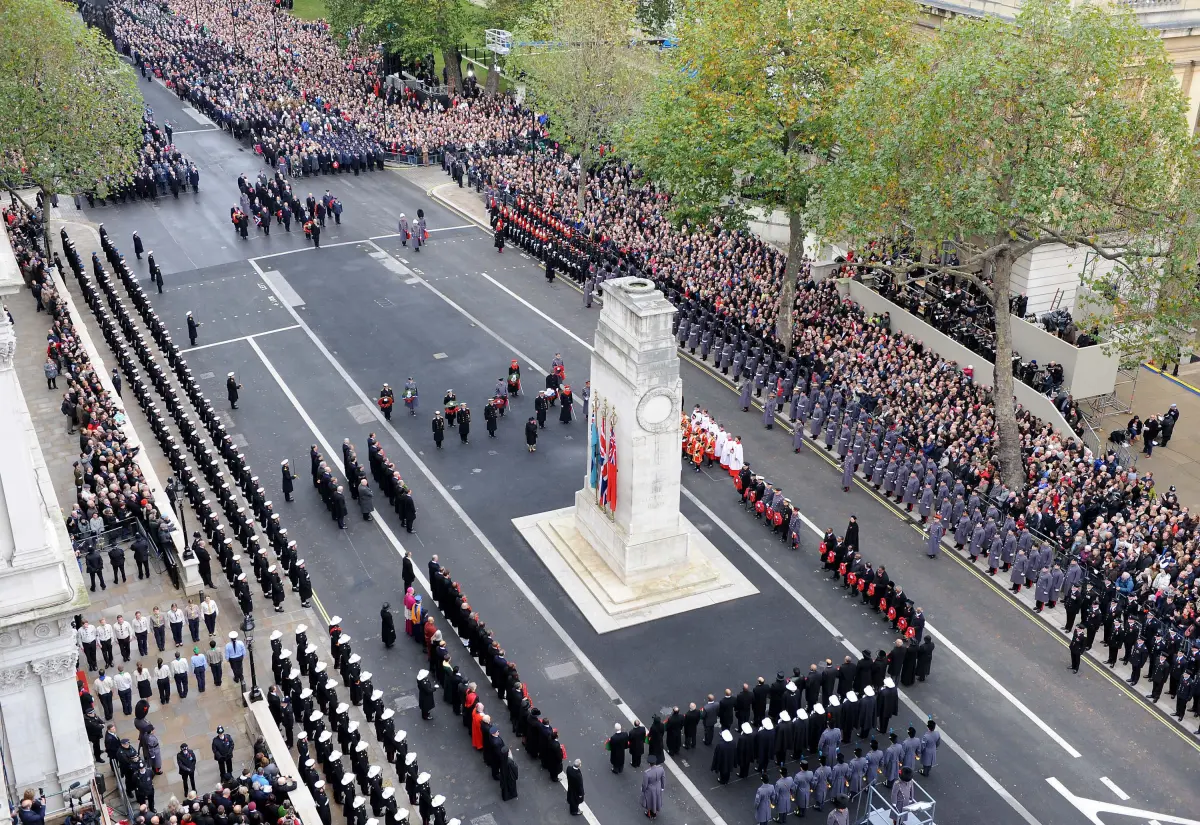
Observance of the day typically involves formal ceremonies held at local cenotaphs, war memorials, or town squares. The most prominent feature of these events is the two-minute silence, which begins precisely at 11:00 AM. This period of quiet reflection allows participants to contemplate the cost of war and the value of peace. Many ceremonies also include the reading of "In Flanders Fields," a poem by Lieutenant Colonel John McCrae that popularized the poppy as a symbol of remembrance.
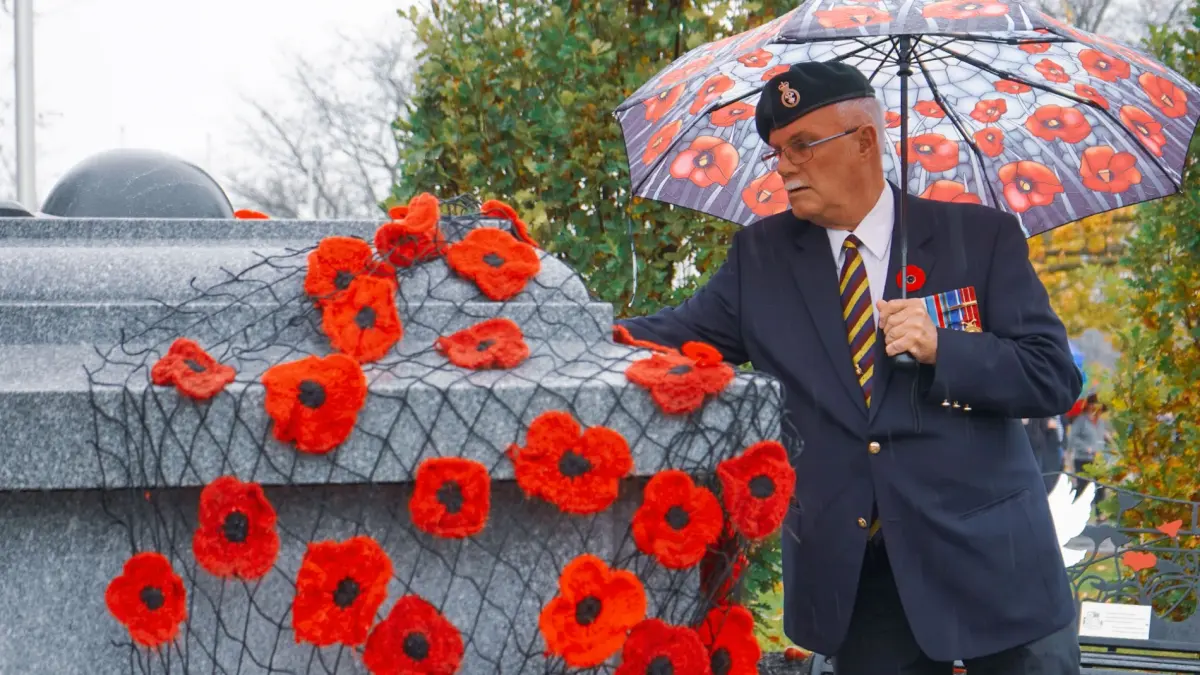
Beyond public gatherings, individuals often engage in personal acts of tribute. These might include visiting a military cemetery, laying a wreath, or simply wearing a poppy on their lapel. The poppy, inspired by the wildflowers that grew over soldiers' graves in the battlefields of Belgium and France, has become the universal emblem of the day. It serves as a visual reminder of the endurance of memory and the ongoing commitment to honor those who fought for freedom.
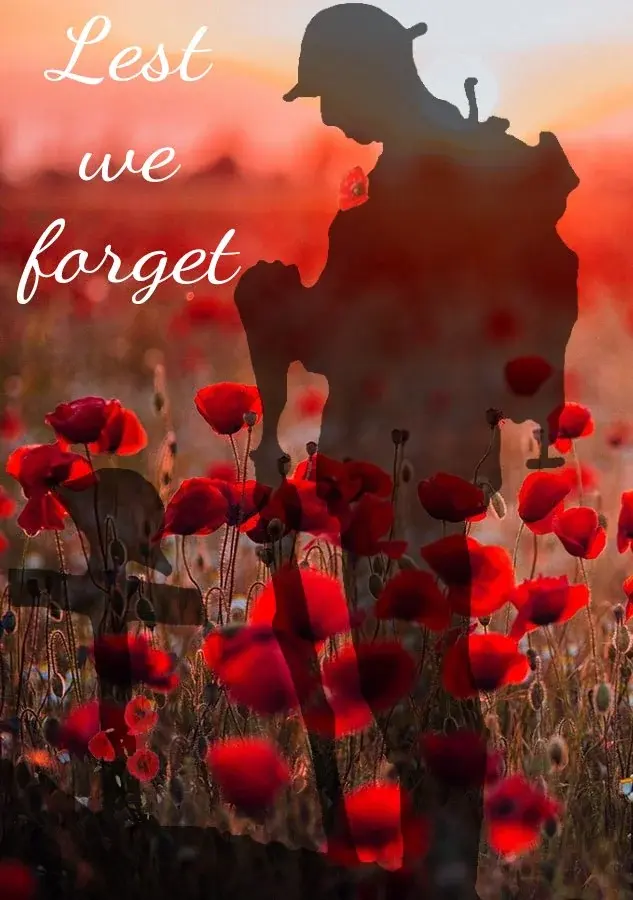
What is the proper way to wear a poppy?
The poppy is a symbol of respect and should be worn with care to ensure it remains a dignified tribute. While there are no strict legal requirements regarding its placement, common etiquette suggests wearing it on the left side of the chest, close to the heart. This placement is intended to show that the wearer holds the memory of the fallen in high regard.
When wearing a poppy, consider these guidelines:
- Place the poppy on your outermost garment, such as a coat or jacket lapel.
- Ensure the pin is securely fastened so it does not fall off during daily activities.
- If you choose to use a small leaf, it is traditionally positioned at the 11 o'clock point to signify the hour of the Armistice.
- Remove the poppy respectfully once the period of remembrance has concluded, or keep it until the official end of the commemorative season.
Common mistakes when observing Remembrance Day
One frequent error is treating the day as a celebration rather than a somber memorial. While gratitude is a central theme, the tone should remain respectful and subdued throughout the day. Loud or festive behavior at a memorial service is considered inappropriate, as it detracts from the gravity of the occasion. It is important to remember that the day is meant for reflection on loss and the pursuit of peace.
Another common mistake involves the misuse of the poppy. Avoid using pins or attachments that damage the flower, and be mindful of where you place it. Some people mistakenly wear the poppy throughout the entire year; however, it is specifically intended for the period leading up to November 11. To ensure your observance is respectful, follow these steps:
- Research the specific customs of your local community, as traditions can vary slightly by region.
- Arrive at ceremonies early to avoid interrupting the silence.
- Turn off mobile devices before the start of the two-minute silence.
- Dress in modest, neutral clothing to maintain the solemnity of the event.
Why is it important to teach Remembrance Day to children?
Educating younger generations about Remembrance Day is essential for maintaining the historical consciousness of a nation. By learning about the sacrifices made by previous generations, children gain a deeper understanding of the origins of their current freedoms and the heavy price paid for them. This education fosters empathy and encourages students to think critically about the consequences of global conflict and the importance of diplomacy.
Schools often incorporate age-appropriate lessons that focus on the stories of individual soldiers or the significance of the symbols used during the day. This approach helps humanize history, moving beyond abstract dates and statistics to create a personal connection with the past. By participating in school assemblies or local ceremonies, youth learn that remembrance is not just a historical exercise, but a living commitment to uphold the values of peace and service for the future.
Key facts
- Remembrance Day is observed annually on November 11 to commemorate the end of World War I hostilities in 1918.
- The date marks the signing of the Armistice, which took effect at the "eleventh hour of the eleventh day of the eleventh month."
- Wearing a red poppy is the primary symbol of remembrance, inspired by the poem "In Flanders Fields" by John McCrae.
- A two-minute silence is traditionally observed at 11:00 a.m. to honor those who have died in the line of duty.
- Many countries, including the United Kingdom, Canada, and Australia, hold national ceremonies at war memorials or cenotaphs.
- When wearing a poppy, place it on the left side of your clothing, closest to your heart, to show respect.
The bottom line
Remembrance Day serves as a solemn international occasion to honor the service and sacrifice of military personnel who died in conflict. By observing silence and wearing the poppy, citizens acknowledge the heavy cost of war and the pursuit of peace. It remains a vital tradition for fostering collective memory, ensuring that the contributions of past generations are never forgotten by those living in the present day.
People also ask
Is Remembrance Day the same as Veterans Day?
While both holidays occur on November 11 and share historical roots, Veterans Day in the United States specifically honors all military veterans, living or dead. Remembrance Day, observed in Commonwealth nations, focuses more broadly on mourning those who died during military service.
Why do people wear poppies?
The red poppy became a symbol of remembrance because these flowers were the first to bloom in the devastated battlefields of Belgium and France. They represent the blood shed by soldiers and serve as a visual reminder of the fragility of life.
What happens during the two-minute silence?
At 11:00 a.m., public life often pauses to allow for reflection and prayer. People stop talking, work ceases, and traffic may halt to honor the sacrifice of soldiers who died in conflict.
Can I wear a poppy after November 11?
Traditionally, poppies are worn from late October until the end of Remembrance Day. It is considered appropriate to remove the poppy after the ceremonies conclude on the evening of November 11.
Are there specific rules for placing a wreath?
Wreaths are typically laid by dignitaries, veterans, and family members at memorials. If you are participating, ensure your wreath is placed neatly and avoid walking across the memorial space during the formal ceremony.
Is Remembrance Day a public holiday?
Its status as a public holiday varies by country and region. In many Commonwealth nations, it is a statutory holiday, while in others, businesses may remain open but observe the two-minute silence at 11:00 a.m.
This answer was created with the help of AI research tools and reference sources. Spotted an error? Let us know — we correct mistakes quickly. See our editorial policy.