What is Easter?
Short answer
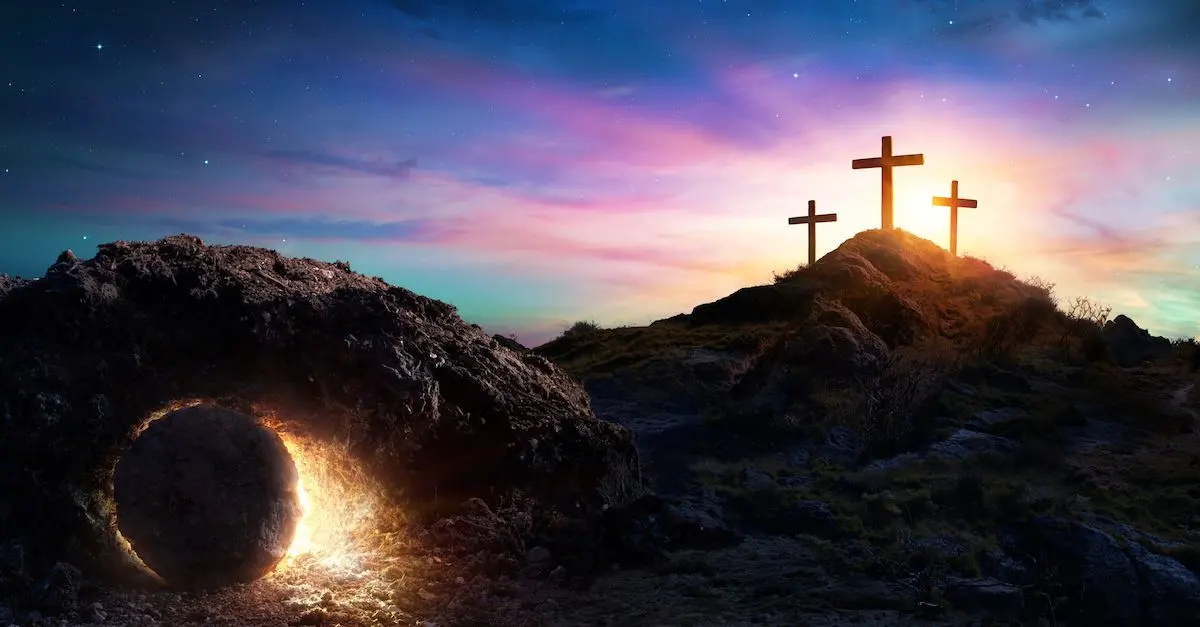
Easter is a major Christian holiday celebrating the resurrection of Jesus Christ from the dead, occurring three days after his crucifixion. It marks the conclusion of the Passion of Christ and the end of Lent. While rooted in religious tradition, it also incorporates various secular customs involving eggs, rabbits, and spring festivities.
On this page
Why does the date of Easter change every year?
Easter is a "moveable feast," meaning it does not fall on a fixed date on the Gregorian calendar. The holiday is observed on the first Sunday following the first full moon that occurs on or after the vernal equinox. Because the lunar cycle and the solar calendar do not align perfectly, the date can shift significantly from year to year.
The earliest possible date for Easter is March 22, while the latest possible date is April 25. This calculation is based on the ecclesiastical full moon, which is determined by mathematical tables rather than astronomical observation. This system ensures that the holiday remains tied to the spring season while maintaining its traditional relationship with the Jewish festival of Passover.
What are the key traditions of Easter?
The observance of Easter is preceded by the 40-day period of Lent, a time of fasting, prayer, and penance. Holy Week, the final week of Lent, includes Palm Sunday, Maundy Thursday, and Good Friday, each commemorating specific events in the final days of Jesus’ life. On Easter Sunday, Christians attend church services to celebrate the resurrection.
Secular traditions have evolved alongside these religious rites, often focusing on themes of rebirth and spring. These customs are popular globally and include:
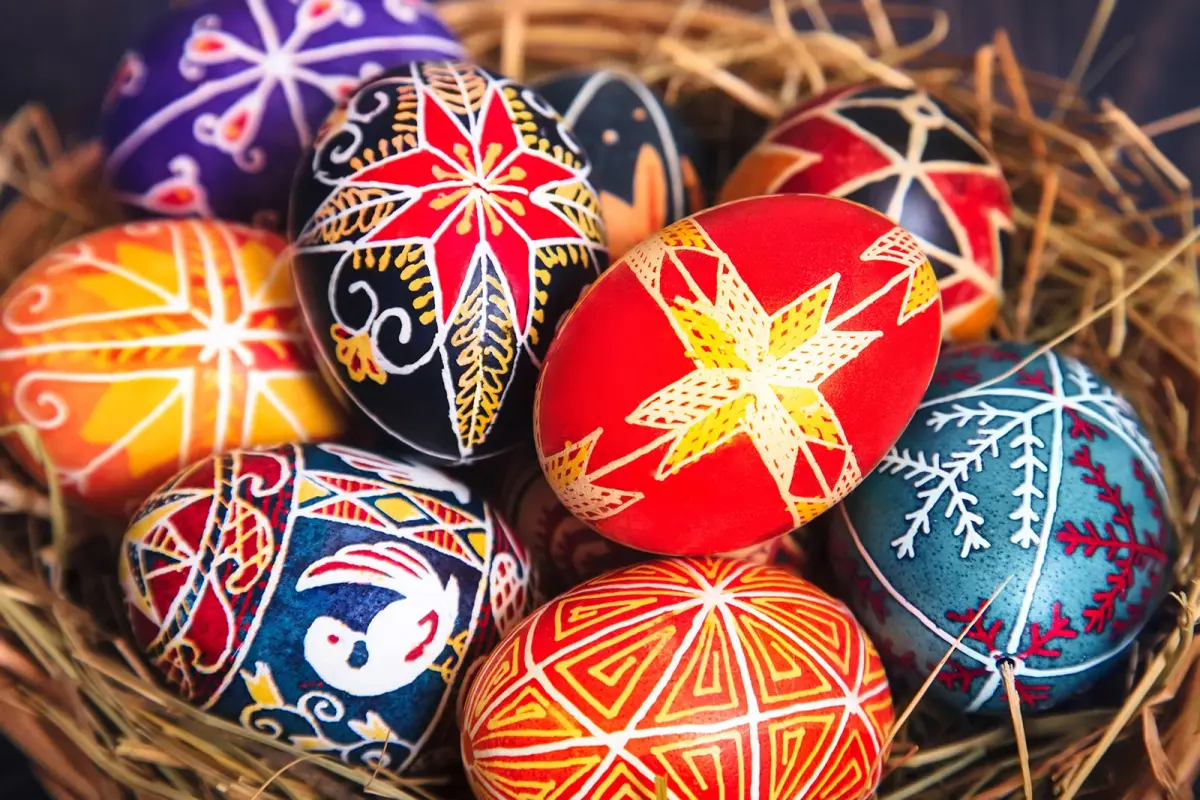
- Decorating and hiding hard-boiled eggs to symbolize new life.
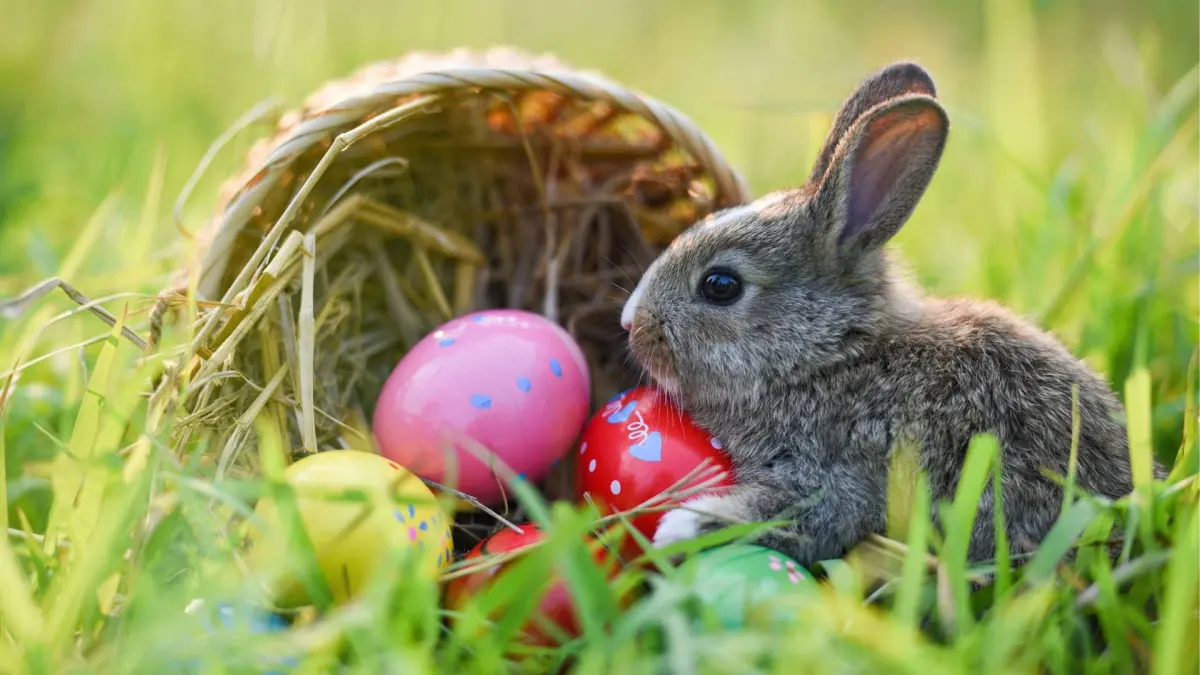
- The arrival of the "Easter Bunny," a folkloric figure who brings candy and gifts.
- Preparing large family meals, typically featuring lamb, ham, or seasonal vegetables.
- Participating in community egg hunts for children.
How to prepare for an Easter celebration?
Planning an Easter gathering requires balancing traditional themes with modern convenience. Whether you are hosting a formal brunch or a casual backyard egg hunt, organization is essential to ensure the day runs smoothly. Focus on simple, seasonal decorations and prepare food items in advance to minimize stress on the day of the event.
Follow these steps to organize a successful egg hunt:
- Select a safe, contained area such as a backyard or a designated room.
- Purchase plastic, fillable eggs and pre-fill them with age-appropriate treats like stickers or small chocolates.
- Establish clear boundaries for the hunt to prevent children from wandering into restricted areas.
- Provide baskets or bags for participants to collect their finds.
- Count the number of eggs hidden to ensure all are recovered after the event.
Common mistakes when planning Easter activities
One frequent error is failing to account for dietary restrictions or allergies when preparing Easter baskets and meals. Many traditional candies contain nuts, dairy, or gluten, which can be problematic for guests. Always check labels carefully or provide a variety of inclusive options, such as fruit-based treats or allergen-free chocolate, to ensure everyone can participate safely.
Another common mistake is over-complicating the schedule. Easter is meant to be a day of celebration, but trying to fit church services, family meals, and elaborate games into a single window often leads to exhaustion. Avoid the following pitfalls:
- Forgetting to boil and cool eggs well in advance if you plan to dye them.
- Leaving chocolate out in direct sunlight, which causes it to melt quickly.
- Neglecting to account for unpredictable spring weather if your event is outdoors.
- Failing to prepare a "Plan B" for rainy conditions during outdoor activities.
What is the significance of Easter symbols?
The symbols associated with Easter have deep historical and cultural roots. The egg, for instance, has been used for centuries across various cultures to represent the tomb of Christ and the subsequent resurrection. Similarly, the rabbit or hare is an ancient symbol of fertility and spring, reflecting the renewal of the natural world after the winter months.
These symbols have transitioned from religious iconography to widespread cultural motifs. While the theological focus remains on the resurrection, the imagery of flowers, baby animals, and bright colors serves to emphasize the transition into the spring season. By understanding these symbols, participants can better appreciate the blend of historical, religious, and seasonal traditions that define the holiday. Whether one approaches the day from a strictly spiritual perspective or as a community-focused celebration, the core themes of hope and renewal remain central to the experience of Easter.
Key facts
- Easter is a movable feast, meaning it does not fall on the same calendar date each year.
- It is celebrated on the first Sunday after the first full moon following the spring equinox.
- The date of Easter can range anywhere from March 22 to April 25.
- Western churches use the Gregorian calendar, while many Orthodox churches use the Julian calendar.
- The holiday marks the conclusion of Lent, a 40-day period of fasting and reflection.
- To determine the date for a specific year, check an ecclesiastical calendar rather than a standard secular one.
The bottom line
Easter serves as the central holiday of the Christian faith, commemorating the resurrection of Jesus Christ. Beyond its religious importance, it functions as a cultural celebration of spring, renewal, and family traditions. Whether observed through solemn religious services or secular customs like egg hunts, the holiday remains a significant marker in the global calendar, bridging ancient traditions with contemporary practices of community and hope.
People also ask
Why is the date of Easter different every year?
The date is determined by a complex lunisolar calculation rather than a fixed solar date. Because it relies on the cycles of the moon and the spring equinox, it shifts annually within a five-week window.
What is the significance of the Easter Bunny?
The bunny is a secular symbol representing fertility and new life, which aligns with the arrival of spring. It became associated with the holiday in German folklore as a creature that brought eggs to children.
Why are eggs associated with Easter?
Historically, eggs were forbidden during the Lenten fast, so they were boiled to preserve them for the end of the season. Decorating them became a way to celebrate the return of festive eating and the symbolism of rebirth.
What is the difference between Good Friday and Easter Sunday?
Good Friday commemorates the crucifixion and death of Jesus Christ, serving as a day of solemnity and mourning. Easter Sunday celebrates his resurrection, marking the most joyous day in the Christian liturgical calendar.
How long does the Easter season last?
In many Christian traditions, the Easter season, or Eastertide, lasts for 50 days. It begins on Easter Sunday and concludes with the feast of Pentecost.
What is Maundy Thursday?
This day commemorates the Last Supper of Jesus with his disciples before his arrest. It is characterized by services that focus on humility, service, and the institution of the Eucharist.
This answer was created with the help of AI research tools and reference sources. Spotted an error? Let us know — we correct mistakes quickly. See our editorial policy.