Who invented ice skates?
Short answer
Ice skates were not invented by a single individual, but rather evolved over thousands of years. Early versions were fashioned from animal bones by peoples in Northern Europe as early as 3000 BCE to traverse frozen lakes. Metal blades were later introduced by the Dutch in the 13th or 14th century.
On this page
Who first used ice skates?
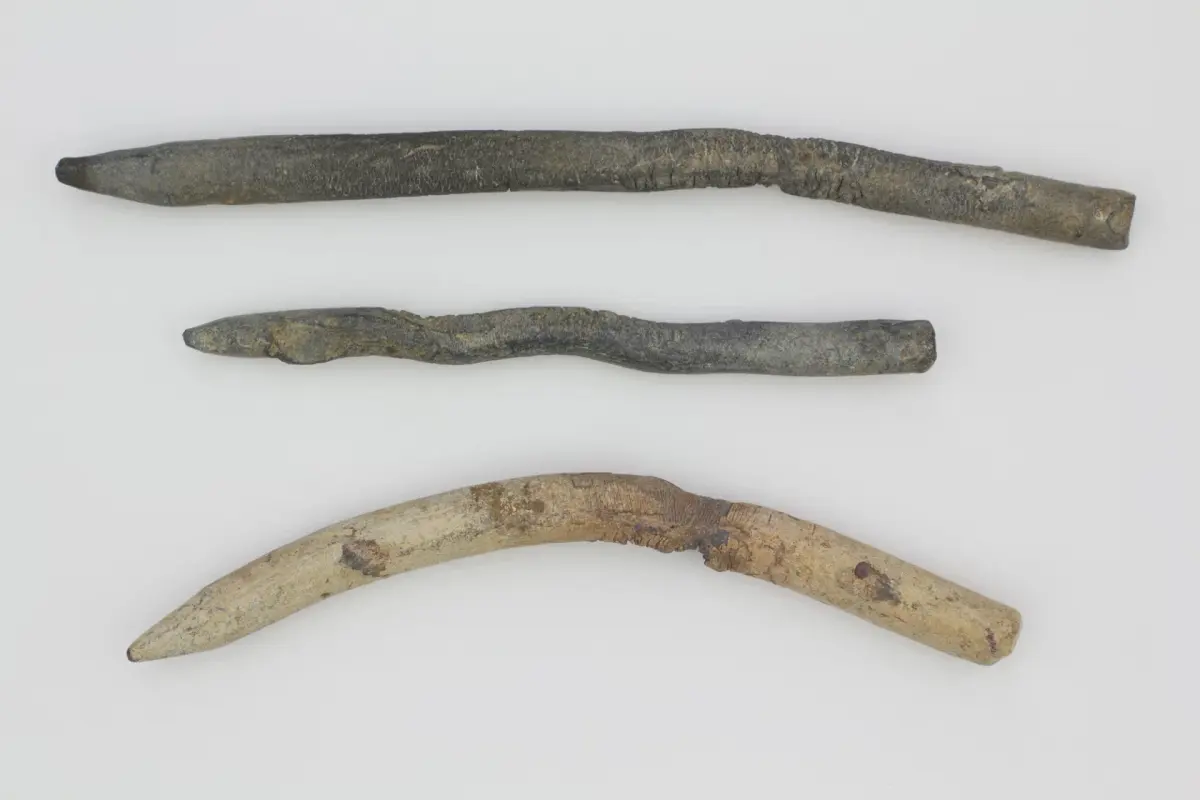
The earliest evidence of ice skating dates back to the Bronze Age in Scandinavia and the Netherlands. Archaeological findings include skates made from the metatarsal bones of horses, cattle, or reindeer. These primitive skates were not used for sport, but for essential transportation across frozen marshes and rivers.
By attaching these polished bones to their feet with leather straps, early travelers could glide across ice with significantly less energy than walking. Because these bone skates lacked edges, users often carried a pole to push themselves forward. This utilitarian practice persisted for centuries, serving as a vital survival tool in harsh, wintry climates where water travel was otherwise impossible.
When were metal blades introduced?
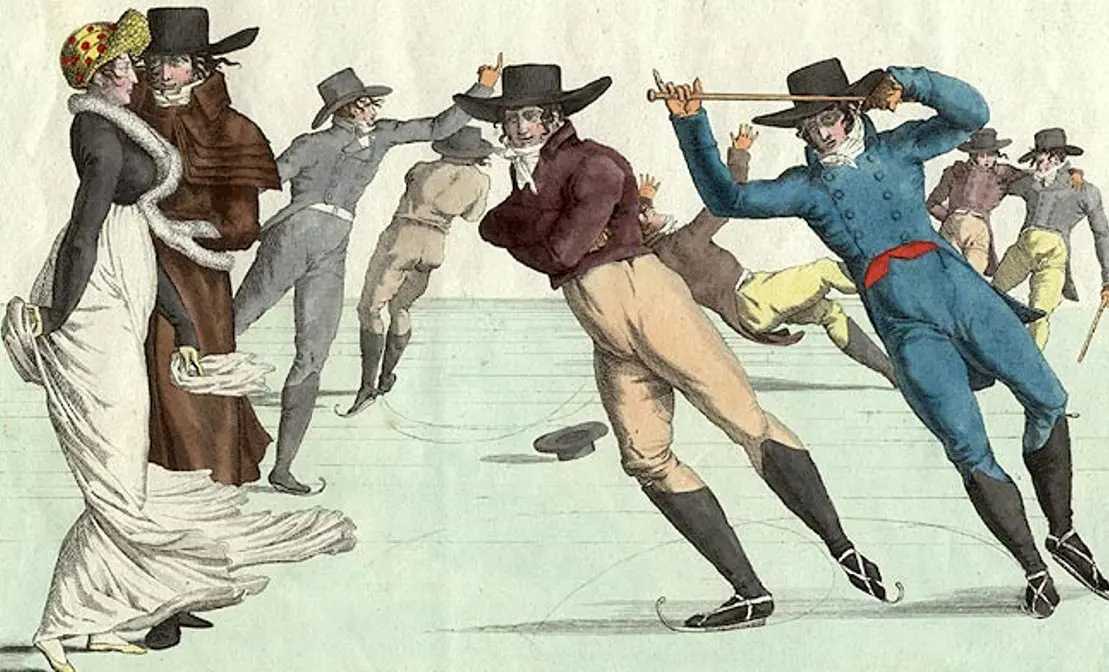
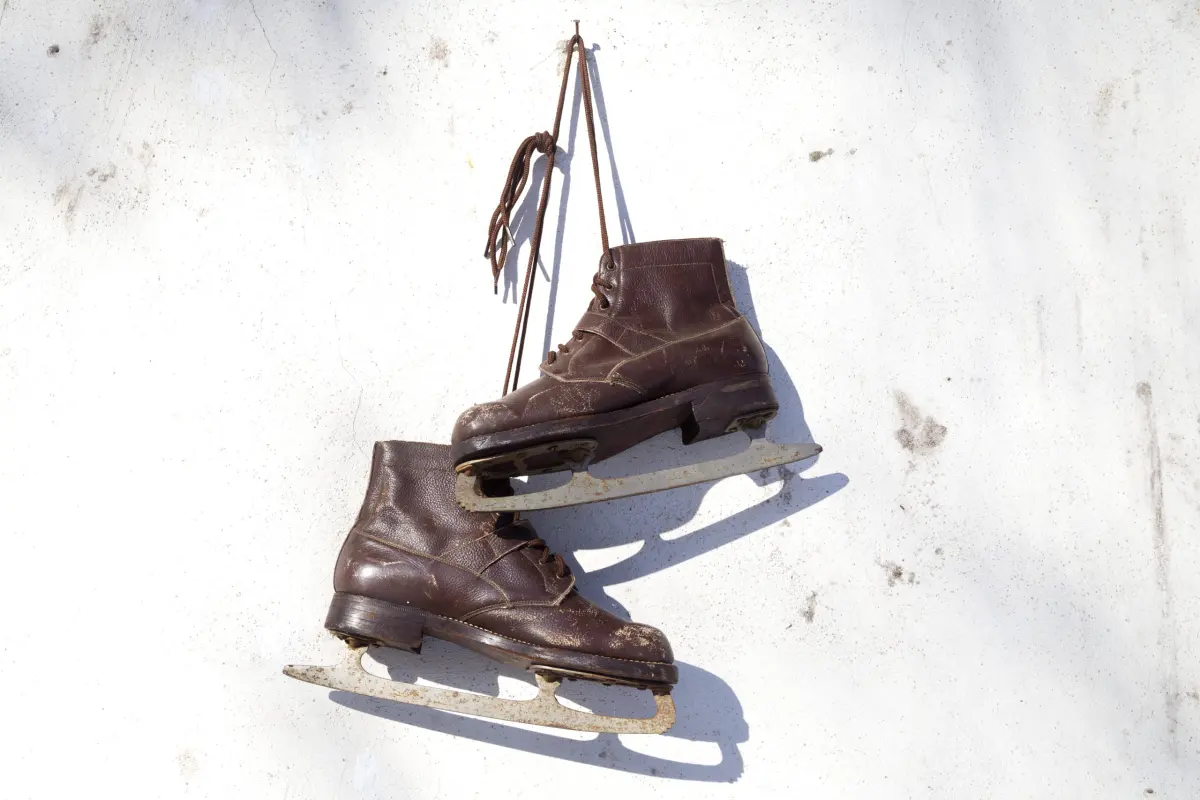
The transition to metal blades marked a turning point in the history of skating. Around the 13th or 14th century, the Dutch began using wooden platforms with iron runners. These blades were sharpened on the bottom, which allowed the skater to push off the ice using the edge of the metal rather than a pole.
This innovation transformed skating from a slow method of transport into a faster, more agile activity. The ability to carve into the ice meant that skaters could change direction quickly. This development laid the groundwork for the modern ice skate, eventually leading to the refined steel blades used in professional sports today.
How do modern ice skates work?
Modern ice skates rely on the physics of friction and pressure. When a skater stands on the ice, the pressure of the thin metal blade creates a tiny layer of liquid water between the steel and the frozen surface. This thin film of water acts as a lubricant, allowing the blade to glide smoothly.
- The blade is hollow-ground, creating two distinct edges separated by a groove.
- The skater shifts their weight to one edge to grip the ice for turns.
- The steel blade provides the structural support needed to withstand high-impact maneuvers.
- Proper sharpening ensures the edges remain consistent for control and stability.
Understanding these mechanics is essential for anyone looking to improve their performance. If your skates feel dull, you will struggle to maintain balance during turns or stops.
How to choose skates for beginners
Selecting the right pair of skates is the most important step for any newcomer. Beginners should look for skates that provide adequate ankle support, as weak ankles often lead to poor posture and early fatigue. Avoid buying skates that are too large, as a loose fit will cause blisters and make it difficult to control your movements on the ice.
- Look for a stiff boot that does not collapse when you press the sides.
- Ensure the blade is centered and securely mounted to the boot.
- Choose a skate with a shorter toe pick if you are interested in figure skating.
- Opt for a flatter blade profile if you prefer recreational skating or hockey.
Always try on skates with the specific socks you intend to wear. A snug, comfortable fit is more important than a flashy design or a low price point.
Common mistakes when learning to skate
One of the most frequent errors beginners make is leaning too far backward. When you lean back, your weight shifts off the center of the blade, causing your feet to slide out from under you. Always keep your knees bent and your weight centered over the middle of your blades to maintain a stable, upright posture.
Another common mistake is failing to sharpen blades regularly. Even high-quality steel loses its edge after frequent use, which makes the skates feel slippery and unresponsive. You should also avoid walking on concrete or rubber mats with your skates on, as this will dull your blades instantly. If you find yourself struggling to stop or turn, take your skates to a professional shop for a fresh sharpening. By focusing on your posture and maintaining your equipment, you will progress much faster and enjoy your time on the ice.
Key facts
- The earliest ice skates were fashioned from the leg bones of horses, oxen, or deer, dating back to approximately 3000 BCE in Scandinavia.
- Ancient skaters did not glide in the modern sense; they used bone runners to slide across frozen surfaces, often propelled by poles.
- Metal blades were introduced around the 13th century in the Netherlands, featuring iron bottoms attached to wooden platforms.
- The first all-steel blade, which allowed for the sharp turns and intricate footwork seen today, was invented by E.V. Bushnell in 1850.
- When choosing skates, ensure the boot fits snugly around the ankle to prevent injury, as loose fitting causes poor stability.
- Always sharpen your blades after every 10 to 20 hours of skating to maintain proper grip and control on the ice.
The bottom line
Ice skating evolved from ancient survival tools made of animal bones to the sophisticated precision equipment used today. While the Dutch pioneered the use of metal blades, modern innovations have transformed the sport into a refined athletic discipline. By prioritizing proper fit, regular blade maintenance, and correct technique, skaters can safely enjoy the unique experience of gliding across the ice with speed and control.
People also ask
What is the difference between figure skates and hockey skates?
Figure skates feature a longer blade with a toe pick at the front for jumping and spinning. Hockey skates have a shorter, curved blade designed for quick acceleration and sharp, agile turns.
How should ice skates feel on my feet?
Skates should feel firm and supportive, similar to a second skin, with no room for your heel to lift. If your toes are curled or numb, the skate is likely too small or laced too tightly.
Why do ice skates have a hollow grind?
The bottom of a skate blade is ground into a concave shape, creating two distinct edges. This design allows the skater to dig into the ice for traction during strides and turns.
How do you prevent rust on ice skate blades?
Always wipe your blades completely dry with a soft cloth immediately after leaving the ice. Never store your skates with plastic guards on, as these trap moisture and cause the metal to corrode.
At what age can a child start learning to skate
Most children can begin basic skating lessons between the ages of three and five. At this stage, the focus is primarily on balance, falling safely, and getting comfortable on the ice.
Can I use regular socks with my skates?
It is best to wear thin, moisture-wicking synthetic or wool socks. Thick, cotton socks can bunch up, restrict blood flow, and prevent you from feeling the necessary feedback from your blades.
This answer was created with the help of AI research tools and reference sources. Spotted an error? Let us know — we correct mistakes quickly. See our editorial policy.