What is a group of lions called?
Short answer
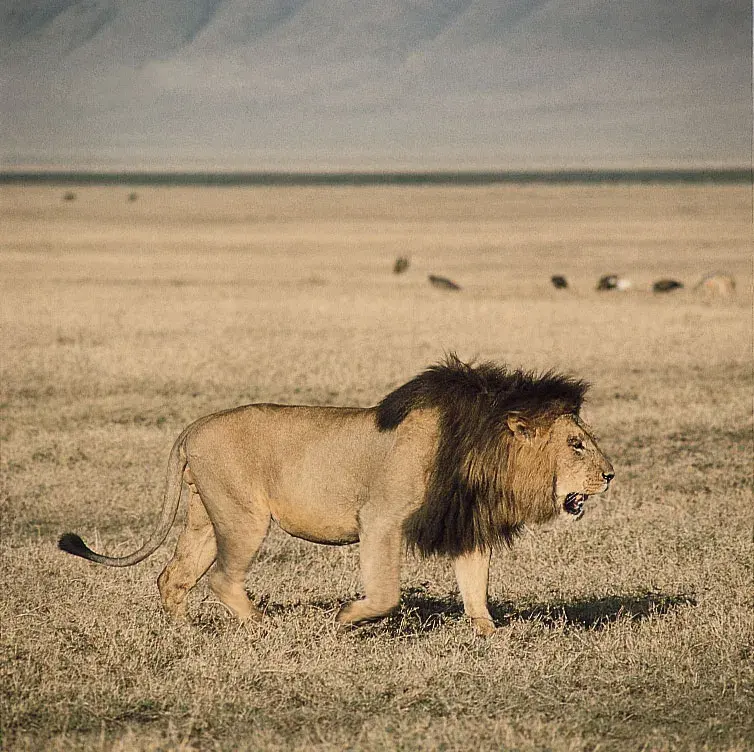
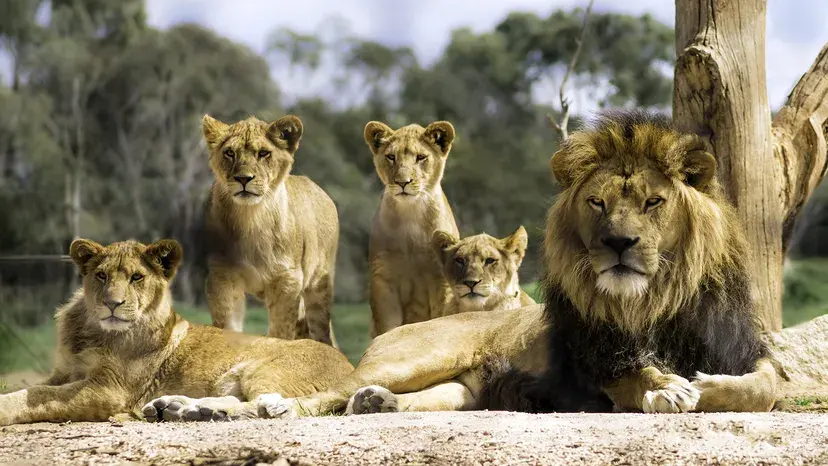
A group of lions is called a pride. This social unit typically consists of related females, their offspring, and a small number of adult males. Prides are unique among felids because they are the only cats that live in stable, complex social groups rather than as solitary hunters.
On this page
What defines a lion pride
A pride is a highly organized social structure that functions as a cooperative unit. While the size of a pride can vary significantly based on the availability of prey and territory, most groups contain between 4 and 37 individuals. The core of the pride consists of a group of related females who remain together for their entire lives, providing stability and continuity for the group.
The males in a pride are transient compared to the females. They typically join a pride for a period of two to three years before being ousted by younger, stronger challengers. During their tenure, these males protect the pride from outside threats and defend the territory against rival males. The social bonds within the pride are reinforced through behaviors such as grooming, head rubbing, and collective vocalizations like roaring.
How lions hunt in a group
Cooperative hunting is one of the primary advantages of living in a pride. By working together, lions can take down prey much larger than themselves, such as buffalo, giraffes, or zebras. This strategy is essential for survival in environments where individual hunting might be inefficient or dangerous.
- The pride identifies a target, often selecting a vulnerable individual from a herd.
- Females position themselves in a semicircle or a pincer formation to surround the prey.
- The lions wait for the optimal moment to launch a coordinated ambush.
- Once the prey is brought down, the pride shares the meal, though males often eat first.
This teamwork allows the pride to maximize energy intake while minimizing the risk of injury. Young lions learn these tactics by observing the adults, eventually participating in hunts as they mature.
Why lions live in groups
Living in a pride offers significant evolutionary benefits, primarily related to protection and reproductive success. A pride can defend its territory more effectively than a solitary lion, ensuring that the group has exclusive access to food and water sources. Furthermore, the communal care of cubs, known as alloparenting, increases the survival rate of the offspring.
- Increased defense against predators like hyenas or rival lions.
- Improved success rates in hunting large game animals.
- Enhanced protection for vulnerable cubs against infanticide.
- Greater efficiency in patrolling and marking territorial boundaries.
Female lions often synchronize their reproductive cycles, which allows them to give birth around the same time. This synchronization means that cubs are raised together in a "crèche," where they receive protection and nursing from various females within the pride, regardless of which lioness is their biological mother.
Common mistakes when identifying lion groups
A common misconception is that all lions live in large prides. While the pride is the standard unit, some male lions live as nomads, wandering alone or in small coalitions of brothers. These males have been pushed out of their natal prides and must survive without the support of a group until they can successfully take over a new pride.
Another mistake is assuming that pride membership is static. While the female core is stable, individuals may spend days or weeks apart from the main group. This fission-fusion society allows lions to adapt to fluctuating prey density. When food is scarce, the pride may split into smaller subgroups to forage more efficiently, only to reunite when conditions improve or when the pride needs to defend its territory against intruders.
How to observe lion prides safely
If you are visiting a wildlife reserve or national park, observing a pride requires patience and strict adherence to safety protocols. Lions are most active during the cooler hours of dawn and dusk, so planning your excursions during these times will provide the best opportunities for viewing social interactions. Always remain inside your vehicle, as lions perceive a car as a single, non-threatening object rather than a collection of humans.
- Maintain a respectful distance to avoid disrupting the pride’s natural behavior.
- Use binoculars or a camera with a telephoto lens to capture images without encroaching on their space.
- Listen for the pride’s vocalizations, which can indicate their location or current activity.
- Never attempt to lure or feed the animals, as this encourages dangerous behavior.
Avoiding sudden movements or loud noises is critical, as these can startle the lions or cause them to react defensively. By following these guidelines, you can gain a deeper appreciation for the complex social dynamics that define a lion pride while ensuring the safety of both yourself and the animals.
Key facts
- A group of lions is officially called a pride.
- Prides typically consist of 1 to 2 adult males, several females, and their offspring.
- Social units usually range in size from 3 to 30 individuals depending on prey availability.
- Females are the core of the pride and often stay with their birth group for life.
- Male lions defend the pride's territory and protect members from rival males or predators.
- Avoid confusing a pride with a coalition, which refers specifically to a group of males traveling together.
The bottom line
A pride is the essential social unit of lions, functioning as a cooperative family structure that maximizes survival. By working together to hunt, defend territory, and raise cubs, these big cats maintain their dominance in the savanna. Understanding this group dynamic highlights the complexity of lion behavior, where the strength of the collective far outweighs the individual power of any single lion in the wild.
People also ask
How do lions establish their territory?
Prides mark their territory by roaring loudly and using scent markings like urine to warn off intruders. They defend these areas aggressively to ensure access to sufficient water and prey.
Do male lions hunt for the pride?
While females perform the majority of the hunting, males will participate in taking down large prey like buffalo or giraffes. Males primarily focus on patrolling boundaries and protecting the pride from external threats.
Why do lions live in groups?
Living in a pride provides significant advantages, including cooperative hunting and shared protection of cubs. This social structure increases the survival rate of offspring and allows the group to defend kills from scavengers.
How do prides interact with one another?
Prides are highly territorial and often engage in violent conflicts with neighboring groups. These encounters usually occur when a new coalition of males attempts to take over an existing pride.
Do all lions belong to a pride?
Not all lions are part of a pride; some are "nomads" who roam large areas alone or in small groups. Nomadic lions are often young males who have been pushed out of their birth pride or older males who have lost their territory.
How many cubs can a pride have at once?
Females within a pride often synchronize their birthing cycles, leading to the creation of a "crèche" where multiple litters are raised together. This communal care allows mothers to take turns hunting while others guard the cubs.
This answer was created with the help of AI research tools and reference sources. Spotted an error? Let us know — we correct mistakes quickly. See our editorial policy.