What is a predator?
Short answer
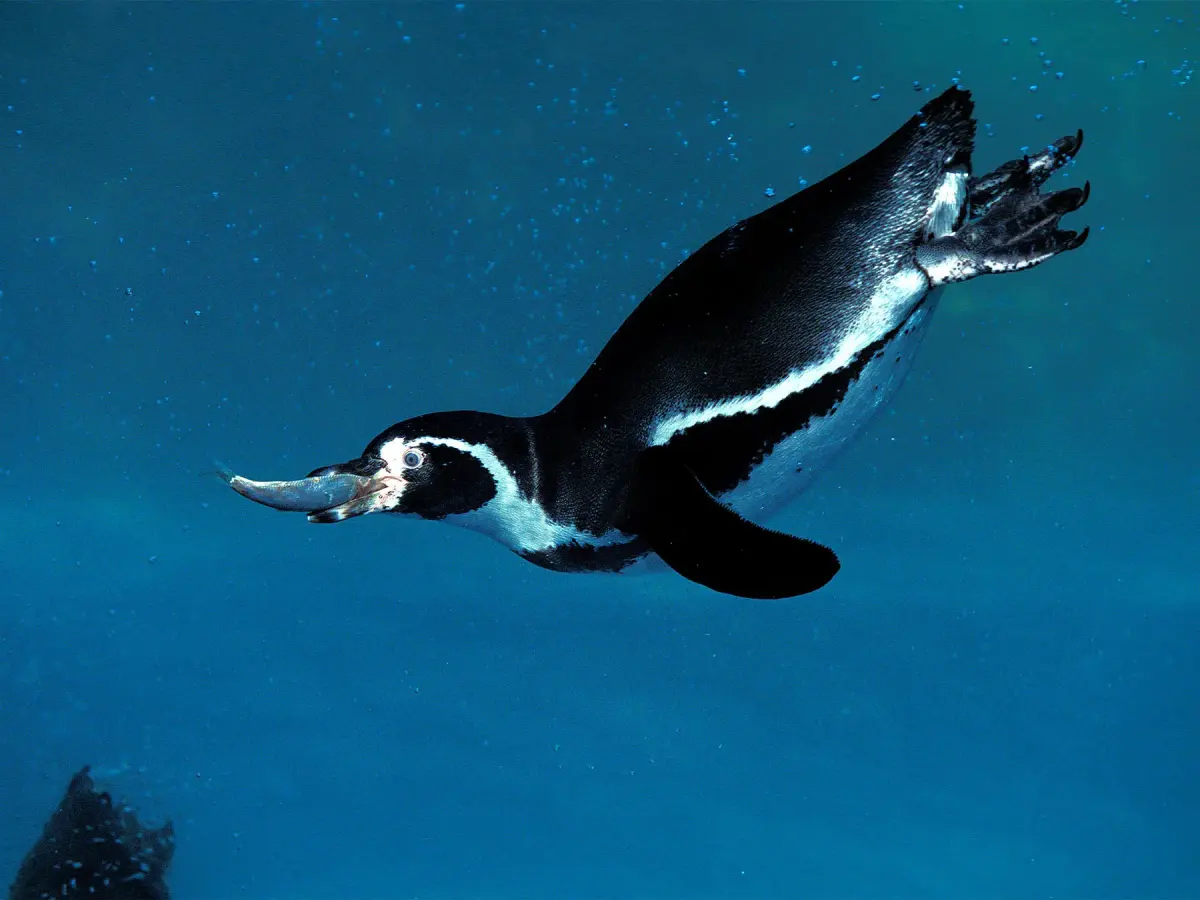
A predator is an organism that survives by hunting, killing, and consuming other animals, known as prey. This biological interaction, called predation, is a fundamental mechanism in ecosystems that regulates population sizes and maintains biodiversity. Predators range from microscopic organisms to apex hunters like lions, sharks, and eagles.

On this page
How do predators hunt their prey?
Predators have evolved a diverse array of specialized strategies to secure food. Some species, like the cheetah, rely on explosive speed to chase down prey over short distances, reaching speeds up to 70 miles per hour. Others, such as the ambush predator, remain perfectly still for hours, waiting for a target to wander into striking range. This method is common among species like the trapdoor spider or the crocodile.
Beyond physical prowess, many predators utilize complex sensory adaptations to detect targets. Owls possess asymmetrical ears to pinpoint the exact location of rustling rodents in total darkness. Sharks use electroreception to sense the minute electrical fields generated by the muscle contractions of hidden prey. These specialized tools ensure that predators can effectively locate and capture sustenance in environments where food might otherwise be difficult to find.
- Scanning the environment for movement or scent.
- Stalking or tracking the target to close the distance.
- Launching a swift, decisive attack to incapacitate the prey.
- Consuming the catch to gain necessary energy and nutrients.
Why is predation important for ecosystems?
Predation acts as a natural control mechanism that prevents any single species from overpopulating its habitat. When predators remove sick or weak individuals from a population, they help maintain the overall health and genetic fitness of the prey group. This process, often called "culling," ensures that resources like vegetation and water remain available for the surviving population, preventing environmental degradation.
The impact of predators is best observed through the concept of a trophic cascade. When apex predators are removed from an area, prey populations often explode, leading to overgrazing and the collapse of local plant life. For example, the reintroduction of gray wolves to Yellowstone National Park in 1995 led to a significant recovery of willow and aspen trees, which had been decimated by overabundant elk herds.
- Regulation of prey population density.
- Prevention of disease outbreaks within herds.
- Promotion of ecosystem stability and diversity.
- Protection of vegetation from overconsumption.
What are the different types of predators?
Biologists categorize predators based on their feeding habits and their position within the food chain. Apex predators, or top predators, sit at the very pinnacle of the food web and have no natural enemies of their own. Examples include the orca in the ocean and the polar bear in the Arctic. These animals are essential for maintaining the structural integrity of their respective ecosystems.
Mesopredators are animals that occupy a middle tier, acting as both predator and prey. Foxes, for instance, hunt rodents but are themselves hunted by larger carnivores like coyotes or wolves. This middle layer is critical for energy transfer within an ecosystem, moving nutrients from smaller organisms up to the top of the food chain. Understanding these roles helps scientists predict how changes in one species' population might ripple through the entire environment.
Common mistakes when identifying predators
One common error is assuming that all predators are large, aggressive carnivores. Many people overlook smaller, less intimidating creatures that perform vital predatory roles. For example, ladybugs are highly effective predators that consume hundreds of aphids, protecting gardens and crops from infestation. Similarly, many species of spiders are essential predators that control insect populations, yet they are often unfairly maligned as pests.
Another mistake is misinterpreting scavenging as predation. While many animals are opportunistic and will consume carrion, true predators must actively hunt and kill their food. Vultures, for instance, are scavengers rather than predators, as they primarily feed on animals that are already dead. Distinguishing between these behaviors is important for understanding how different animals contribute to the cleaning and cycling of nutrients within a natural habitat.
How to observe predators in the wild
Observing predators requires patience, preparation, and a commitment to safety. The best approach is to visit areas known for high biodiversity during dawn or dusk, when many predators are most active. Always maintain a significant distance, as approaching a predator can cause them to abandon a hunt or, in some cases, view the observer as a threat. Using binoculars or a camera with a telephoto lens allows for detailed viewing without interfering with natural behaviors.
- Research the specific predator’s habitat and active hours.
- Wear neutral-colored clothing that blends into the environment.
- Remain downwind to prevent your scent from alerting the animal.
- Stay quiet and minimize movement to avoid detection.
When watching these animals, prioritize your safety above all else. Never attempt to feed or interact with a wild predator, as this disrupts their natural instincts and can lead to dangerous human-wildlife conflicts. By following these guidelines, you can gain a deeper appreciation for the vital role these hunters play in the natural world while keeping yourself and the wildlife secure.
Key facts
- A predator is any organism that survives by hunting, killing, and consuming other animals, known as prey.
- Predation is a fundamental ecological interaction that regulates population sizes and maintains the health of ecosystems.
- Predators are not limited to large carnivores; they include insects, birds, fish, and even some plants like the Venus flytrap.
- Apex predators sit at the top of the food chain and have no natural predators of their own, such as the orca or the polar bear.
- Many predators use specialized adaptations like keen eyesight, sharp claws, venom, or camouflage to capture their targets efficiently.
- To avoid becoming prey, many animals have evolved defensive traits like mimicry, armor, or the ability to release toxic chemicals.
The bottom line
Predators are essential components of nature, acting as natural managers that keep animal populations in balance. By hunting and consuming prey, they ensure that ecosystems remain diverse and resilient. Understanding the role of predators helps us appreciate the complex web of life, where every organism serves a specific function. Whether large or small, these hunters are vital to the survival of our planet's biological communities.
People also ask
What is the difference between a predator and a scavenger?
A predator actively hunts and kills living prey to obtain energy. A scavenger consumes animals that are already dead, such as carrion, rather than hunting them itself.
Do predators always kill their prey instantly?
Not necessarily. While many predators like big cats aim for a quick kill, others may consume prey slowly or use venom to incapacitate them over time.
Are humans considered predators?
Yes, humans are biologically classified as predators because we hunt and consume other animals for food. We are unique due to our use of tools and technology to secure resources.
What happens if a predator is removed from its environment?
Removing a predator can lead to an overpopulation of prey species, which often results in overgrazing and the eventual collapse of local vegetation and biodiversity.
Is a parasite the same thing as a predator?
No, parasites typically live on or inside a host for an extended period without killing it immediately. Predators generally kill their prey quickly to consume them.
Can a single animal be both a predator and prey?
Yes, this is very common in nature. For example, a frog is a predator to insects but serves as prey for snakes, birds, or larger mammals.
This answer was created with the help of AI research tools and reference sources. Spotted an error? Let us know — we correct mistakes quickly. See our editorial policy.