What is the difference between an octopus and a squid?
Short answer
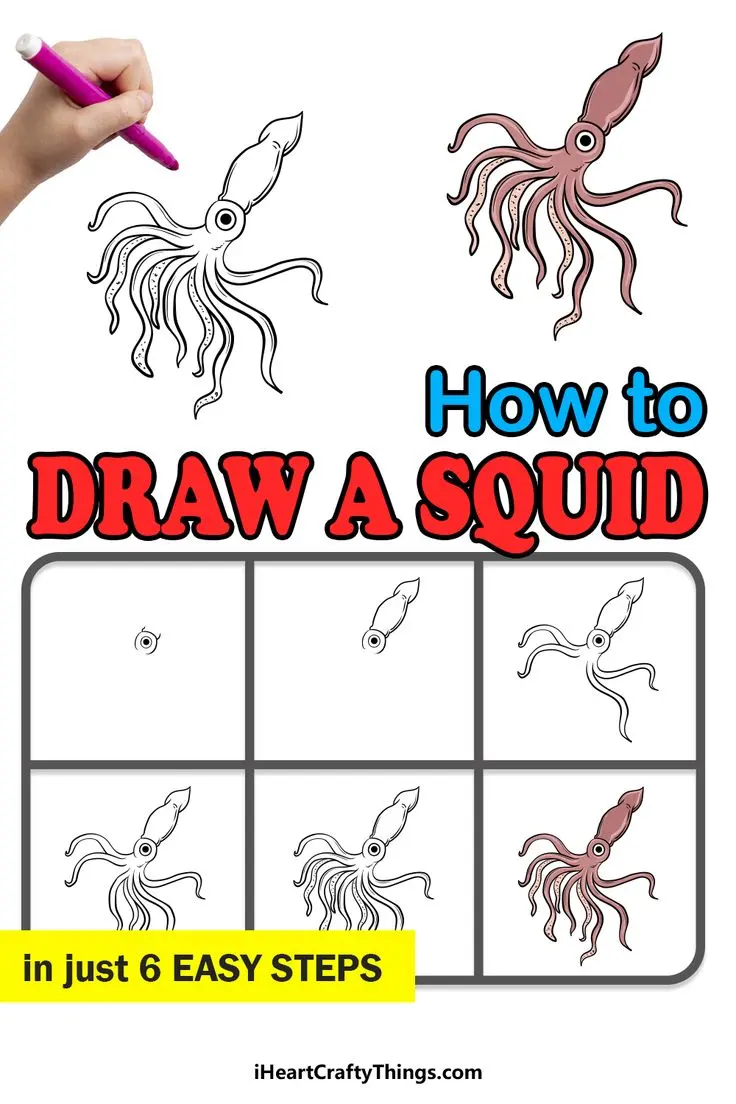
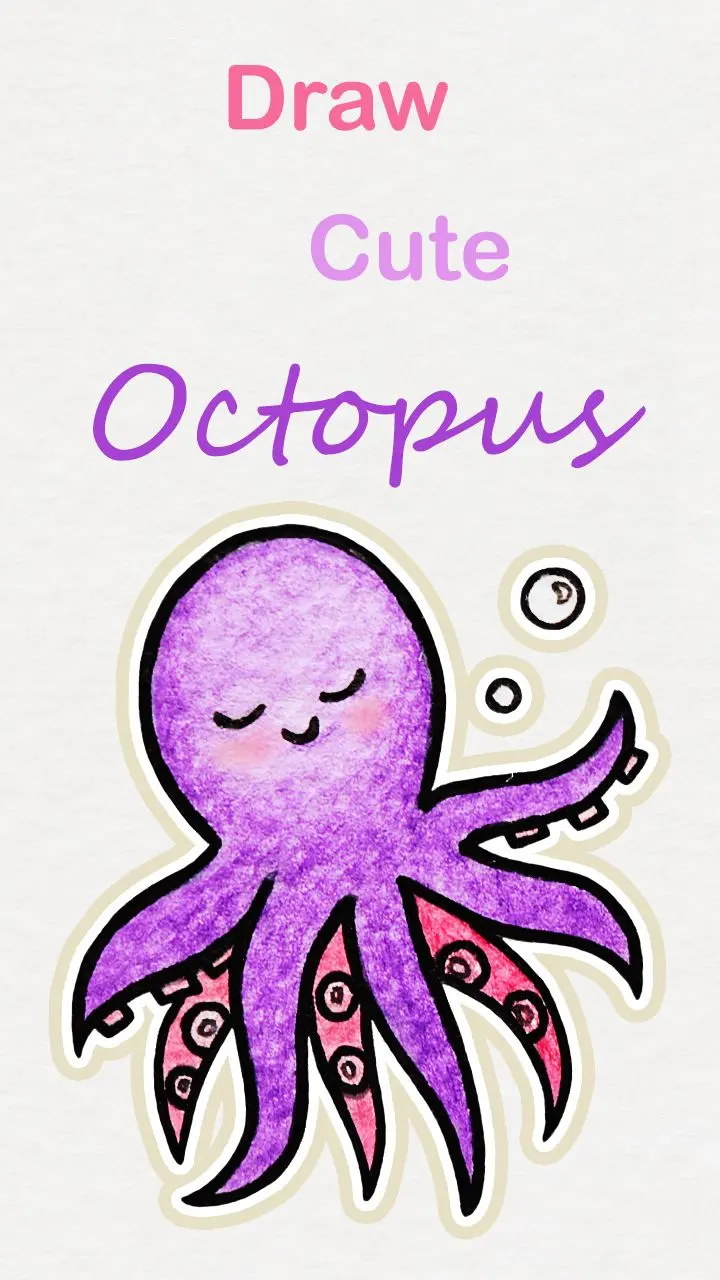
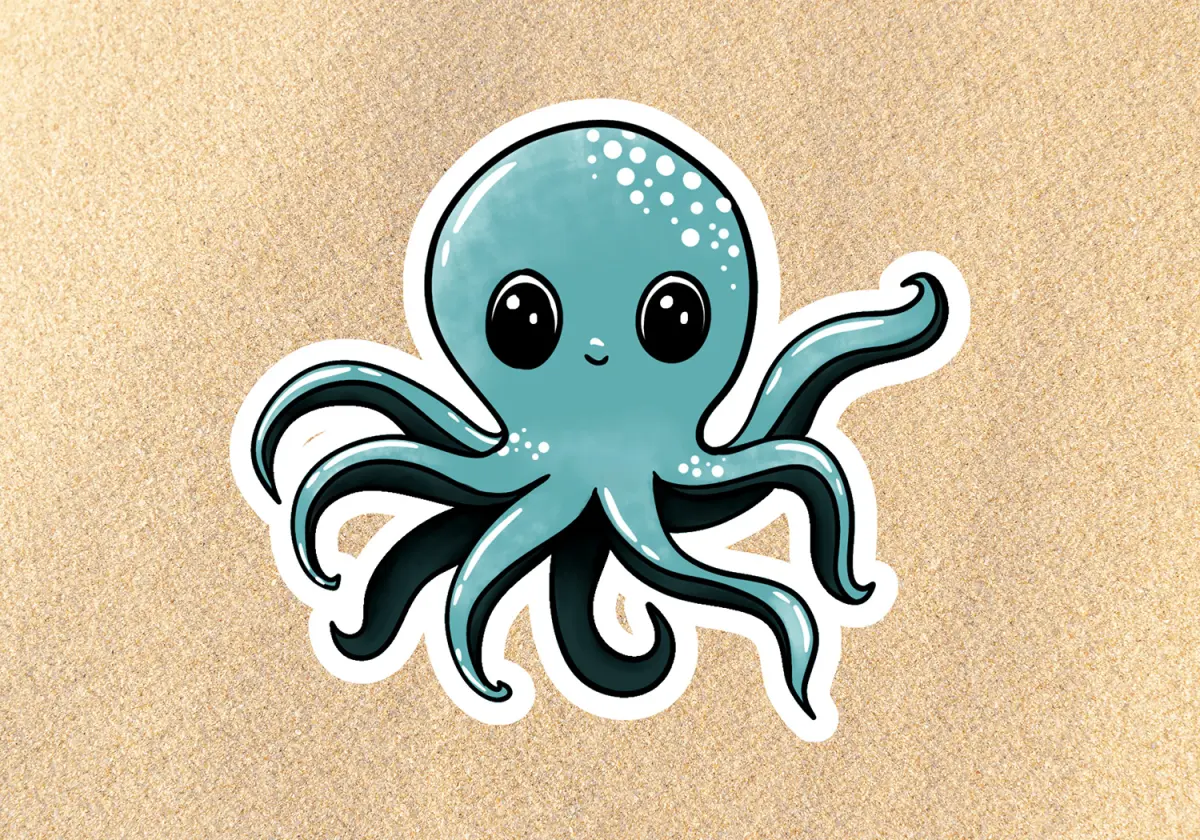
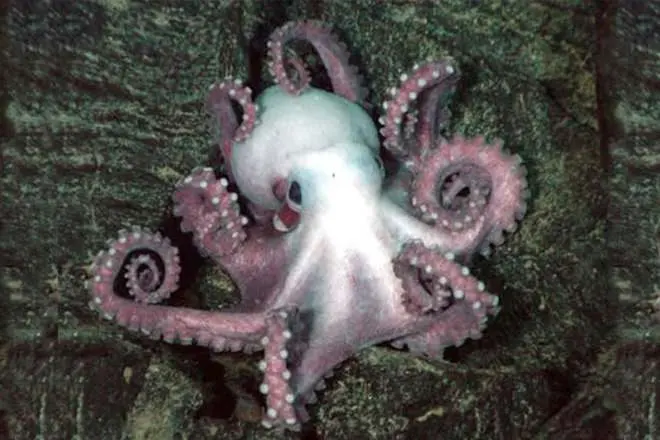
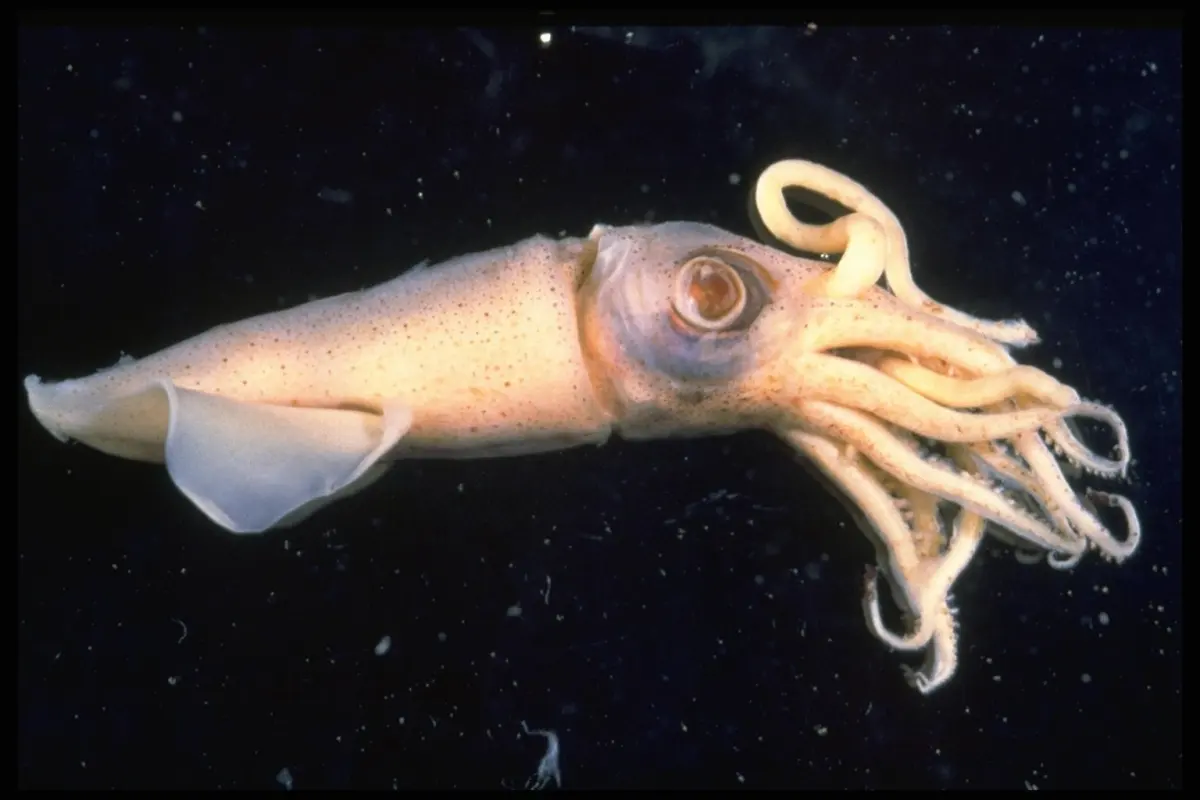
Octopuses and squids are both cephalopods, but they differ significantly in anatomy and lifestyle. Octopuses typically have rounded heads, eight arms with suckers, and live on the seafloor. Squids feature elongated bodies, ten appendages—including two specialized feeding tentacles—and are generally fast-swimming predators that inhabit the open ocean.
On this page
How to identify an octopus versus a squid
The primary physical distinction between these animals lies in their body shape and appendage count. An octopus possesses a soft, bulbous mantle and eight arms lined with suckers. Conversely, a squid has a streamlined, torpedo-shaped body with a pair of fins at the top and ten appendages: eight arms and two longer, retractable feeding tentacles. These tentacles are usually tipped with club-like structures containing hooks or suckers to capture prey.
Beyond shape, their internal anatomy differs significantly. Squids possess a hard, internal structure called a "pen," which is a remnant of an ancestral shell that provides structural support for their fast-swimming lifestyle. Octopuses lack this internal support, allowing them to squeeze their bodies through incredibly small crevices. This flexibility is a hallmark of the octopus, enabling them to hide in tight rocky dens that a rigid squid could never enter.
Where do octopuses and squids live
Habitat preference is a reliable indicator of which cephalopod you are observing. Octopuses are primarily benthic, meaning they spend most of their time on or near the ocean floor. They prefer rocky reefs, coral crevices, or sandy bottoms where they can camouflage themselves or retreat into dens. Their sedentary lifestyle is supported by their ability to change skin texture and color to match their immediate surroundings perfectly.
Squids are generally pelagic, living in the open water column rather than on the seafloor. They are active swimmers that often travel in schools, utilizing jet propulsion to navigate the vast ocean. Because they are constantly moving, they do not rely on dens for protection. Instead, they depend on their speed, schooling behavior, and the ability to release ink clouds to evade predators while traversing the open sea.
How do they hunt and eat
Both animals are highly intelligent predators, but their hunting strategies reflect their different environments. Octopuses are ambush predators. They wait patiently near their dens, using their keen eyesight and tactile arms to grab passing crabs, mollusks, or fish. Once caught, they use a sharp, parrot-like beak to pierce the shells of their prey, often injecting a paralyzing venom to finish the job quickly.
Squids are active hunters that pursue their prey in the open ocean. They use their two elongated tentacles to strike out rapidly at fish or smaller crustaceans. Their hunting process involves several distinct phases:
- Detection: Using large, sophisticated eyes to spot movement in the water.
- Strike: Extending the two tentacles with lightning speed to snare the target.
- Retrieval: Pulling the prey toward the arms, which hold the food while the beak consumes it.
Common mistakes when identifying cephalopods
A frequent error is confusing a cuttlefish with either an octopus or a squid. Cuttlefish are closely related but possess a unique, wavy fin that runs around the entire perimeter of their mantle. They also have a rigid, internal "cuttlebone" made of calcium carbonate, which is distinct from the squid's flexible pen. People often misidentify the cuttlefish as a squid because of its similar eye shape and color-changing abilities.
Another mistake is assuming that all octopuses are small or that all squids are giant. While the Giant Squid is famous for its size, many squid species are only a few inches long. Similarly, octopuses range from the tiny Octopus wolfi, which weighs less than a gram, to the Giant Pacific Octopus, which can weigh over 100 pounds. Always look at the number of appendages and the presence of fins to ensure an accurate identification.
Why their movement styles differ
The movement of these creatures is dictated by their anatomical design and survival needs. Squids are built for speed and efficiency in open water. They use jet propulsion, taking water into their mantle and expelling it through a siphon, which allows them to dart away from danger or chase down prey. Their fins act as stabilizers, helping them maintain a straight trajectory during high-speed travel.
Octopuses prioritize stealth and maneuverability over raw speed. While they can use jet propulsion for short bursts, they primarily "walk" along the seafloor using their arms. This method is much more energy-efficient for a creature that spends its life exploring complex environments like reefs. To move effectively, follow these steps:
- Observe the animal's primary mode of travel: if it is hovering in mid-water, it is likely a squid.
- Check for the presence of fins; if the animal has triangular fins at the top of its body, it is a squid.
- Look for suckers on all appendages; if there are only eight, it is an octopus.
- Note the texture of the skin, as octopuses can mimic rocks and coral textures much more effectively than squids.
Key facts
- Octopuses have eight arms, while squids have eight arms plus two longer, specialized feeding tentacles.
- Squids possess an internal shell remnant called a "pen," whereas most octopuses lack any internal skeletal structure.
- Octopuses are primarily bottom-dwellers that prefer rocky dens, while squids are typically open-ocean swimmers.
- Squids have triangular-shaped fins on their mantles, but octopuses generally lack fins, except for the deep-sea Dumbo octopus.
- When identifying them in the wild, look for the body shape: squids are long and torpedo-like, while octopuses have round, bulbous heads.
- Avoid confusing them by counting the appendages; if you see ten distinct limbs, you are looking at a squid.
The bottom line
While octopuses and squids share a common ancestry as cephalopods, their physical structures and lifestyles differ significantly. Octopuses are solitary, bottom-dwelling masters of camouflage with eight arms, while squids are torpedo-shaped, social swimmers equipped with ten appendages. Understanding these key anatomical markers—specifically the presence of fins and the number of limbs—allows observers to easily distinguish between these fascinating marine animals during any underwater encounter.
People also ask
Do both octopuses and squids have ink sacs?
Yes, both animals use ink sacs to create a defensive cloud that masks their escape from predators. The ink is primarily composed of melanin and serves as a visual distraction.
Which of these animals is more intelligent?
Octopuses are widely considered the most intelligent invertebrates, capable of solving complex puzzles and using tools. Squids are also highly intelligent, but they are more social and rely on different cognitive strategies.
Are either of these animals dangerous to humans?
Most species are harmless, but the blue-ringed octopus is highly venomous and can be fatal to humans. Always maintain a respectful distance when observing these creatures in their natural habitat.
How do squids and octopuses move through the water?
Both use jet propulsion by forcefully expelling water through a muscular tube called a siphon. Squids are generally faster swimmers, while octopuses often crawl across the seafloor using their suckers.
Do they have different lifespans?
Both groups generally have short lifespans, often living only one to five years depending on the species. Many die shortly after reproducing, a process known as semelparity.
Can they change color to blend into their surroundings?
Both possess specialized skin cells called chromatophores that allow them to change color and texture instantly. This ability is used for both camouflage and complex social communication.
This answer was created with the help of AI research tools and reference sources. Spotted an error? Let us know — we correct mistakes quickly. See our editorial policy.