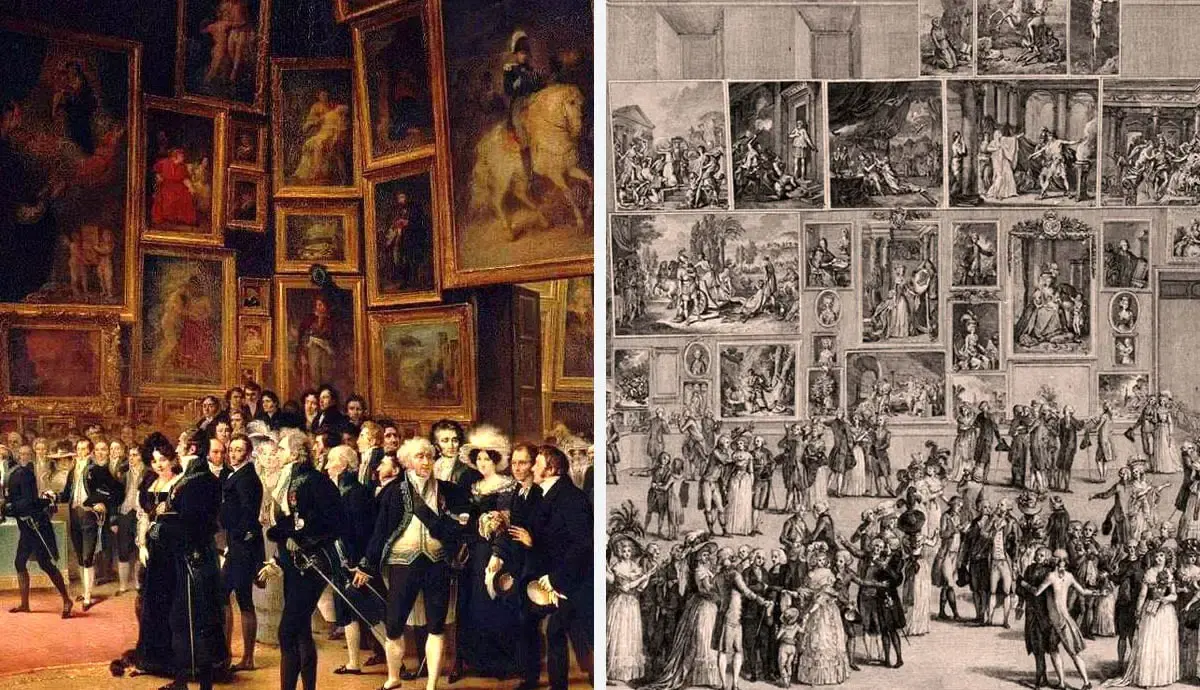
What is the difference between a museum and a gallery?
Short answer
Museums are permanent institutions that collect, preserve, and interpret artifacts of historical, scientific, or cultural significance for public education. In contrast, galleries are primarily commercial or exhibition spaces focused on displaying and selling visual art. While museums emphasize long-term preservation and scholarly research, galleries prioritize the promotion and circulation of contemporary works.

On this page
What is the primary purpose of a museum?
Museums function as repositories for humanity’s collective heritage. Their core mission involves the acquisition, conservation, and research of objects that hold historical, scientific, or artistic value. Unlike temporary displays, museum collections are typically held in trust for the public, ensuring that items remain available for future generations to study and appreciate. Institutions like the British Museum in London or the Smithsonian Institution in Washington, D.C., manage millions of items, ranging from ancient archaeological finds to modern technological breakthroughs.
The educational mandate of a museum distinguishes it from other cultural venues. Curators organize exhibitions to tell coherent stories about specific periods, cultures, or scientific phenomena. They provide context through detailed labels, guided tours, and scholarly publications. By maintaining strict environmental controls for climate and light, museums protect fragile artifacts from degradation. This rigorous standard of preservation allows them to serve as reliable centers of historical truth and academic inquiry.
What is the role of an art gallery?
Art galleries generally serve as intermediaries between artists and the public. While public galleries exist to exhibit art without a direct sales motive, the term most commonly refers to commercial spaces that represent artists and facilitate the sale of their work. These venues operate on a business model that relies on commission fees from sales. They act as launchpads for emerging talent, providing artists with a physical space to showcase their latest creations to collectors, critics, and the general public.
The atmosphere in a gallery is often more intimate and transient than in a museum. Exhibitions in commercial galleries rotate frequently, often every four to six weeks, to keep the inventory fresh and attract potential buyers. Galleries also play a crucial role in the art market by establishing price points and building an artist’s reputation. By hosting opening receptions and artist talks, they foster a social environment that connects creators directly with their audience, creating a dynamic marketplace for contemporary expression.
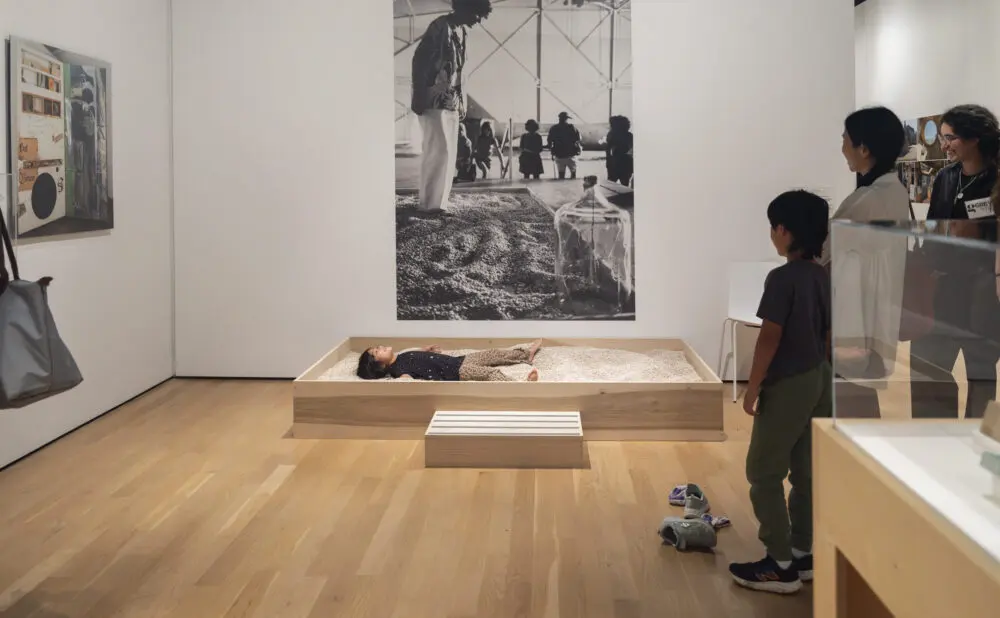
How to distinguish between the two venues
Identifying the difference between these institutions is straightforward when you look at their operational goals and ownership structures. Museums are almost always non-profit organizations supported by government grants, endowments, and private donations. Galleries, particularly private ones, function as for-profit businesses. If you see a price tag on a painting or a "sold" sticker next to a sculpture, you are almost certainly standing in a commercial art gallery rather than a museum.
Consider these key differences when planning your next visit:
- Ownership: Museums are typically public or non-profit; galleries are often private businesses.
- Collection: Museums own permanent collections; galleries usually hold inventory for sale.
- Focus: Museums prioritize education and preservation; galleries prioritize promotion and commerce.
- Duration: Museum exhibits are long-term; gallery shows are frequently updated.
- Funding: Museums rely on grants and donations; galleries rely on sales commissions.

Common mistakes when visiting art spaces
One common mistake visitors make is assuming that all art-filled buildings are museums. This can lead to confusion regarding entry fees, photography policies, and the ability to purchase items. While many museums offer free admission, some private galleries may feel intimidating to casual visitors who are not looking to buy art. It is helpful to check the website of the venue beforehand to understand its specific mission and whether it is a public institution or a retail space.
Another error is failing to respect the distinct etiquette required in each setting. In museums, the focus is on quiet observation and learning. In commercial galleries, while observation is encouraged, the space is also a place of business. Avoid touching items in either setting, as oils from your skin can cause permanent damage to canvases or artifacts. If you are interested in a piece at a gallery, do not hesitate to ask the staff for a price list or background information, as they are there to facilitate your engagement.
How to get the most out of your visit
To maximize your experience, treat your visit as an opportunity to engage with the specific goals of the institution. If you are visiting a museum, look for the "curator’s choice" or thematic highlights that provide a narrative arc for the collection. If you are visiting a gallery, focus on the artist’s development and the current trends in the contemporary art market. Bringing a notebook or using a digital app to track your favorite pieces can help you retain information and deepen your appreciation.
Follow these steps to ensure a productive cultural outing:
- Research the institution’s website to determine if it is a museum or a commercial gallery.
- Check the current exhibition schedule to see if the displays are permanent or temporary.
- Review the visitor guidelines regarding photography and bag storage before you arrive.
- Engage with staff members, such as docents or gallery assistants, to gain deeper insights.
- Take time to reflect on the historical context provided by museums or the artistic intent found in galleries.
By understanding these fundamental differences, you can better navigate the cultural landscape and appreciate the unique value that each type of institution provides to the community and the broader world of art and history.
Key facts
- Museums collect, preserve, and interpret historical, scientific, or cultural artifacts for public education.
- Galleries primarily focus on the display and sale of contemporary fine art, such as paintings and sculptures.
- The Louvre in Paris is a premier museum, while the Gagosian is a globally recognized commercial gallery chain.
- Museums are often non-profit institutions funded by government grants, endowments, or public donations.
- Galleries typically operate as for-profit businesses, earning revenue through commissions on art sales.
- When visiting, check a venue's website to see if it hosts rotating exhibitions for sale or permanent historical collections.
The bottom line
The primary distinction lies in the institutional mission: museums function as public repositories for historical, scientific, or cultural preservation, while galleries serve as commercial spaces for the exhibition and sale of contemporary art. While both provide cultural enrichment, understanding whether a venue is a non-profit educational institution or a for-profit sales outlet will help you manage your expectations regarding pricing, acquisition, and the depth of historical context provided.
People also ask
Can you buy art at a museum?
Generally, no. Museums preserve objects for the public trust, so items in their permanent collections are not for sale.
Do galleries charge admission fees?
Most commercial galleries are free to enter because their goal is to attract potential buyers. Museums, conversely, often charge entry fees to cover high operational and conservation costs.
Are all art museums also galleries?
People often use the terms interchangeably, but they serve different functions. An art museum houses a collection, while a gallery acts as a marketplace.
How do curators differ between these two spaces?
Museum curators focus on historical research, conservation, and long-term education. Gallery curators focus on sales, artist promotion, and market trends.
Can a gallery become a museum?
Yes, some private galleries transition into museums if they shift their mission from selling art to preserving a permanent, non-commercial collection.
Why do some galleries have "museum" in their name?
Some private institutions use the term to imply prestige or to signal a non-commercial, educational focus even if they are privately owned.
This answer was created with the help of AI research tools and reference sources. Spotted an error? Let us know — we correct mistakes quickly. See our editorial policy.