What was the Renaissance?
Short answer
The Renaissance was a fervent period of European cultural, artistic, political, and economic “rebirth” following the Middle Ages. Spanning roughly from the 14th to the 17th century, it promoted the rediscovery of classical philosophy, literature, and art. This era transitioned Europe toward modernity by emphasizing humanism, scientific inquiry, and individual achievement.
On this page
When did the Renaissance take place?
The Renaissance began in Italy during the 14th century and gradually spread across the rest of Europe over the next three hundred years. While scholars often debate precise dates, it is generally accepted that the movement gained momentum in Florence around 1350 and concluded by the early 1600s. The period is often divided into the Early, High, and Late Renaissance, each marked by different stylistic and intellectual shifts.
This era did not happen overnight, nor did it replace medieval traditions instantly. Instead, it evolved as scholars rediscovered ancient Greek and Roman texts that had been largely neglected. As trade routes expanded and the merchant class grew in power, wealth flowed into cities like Venice, Rome, and Milan. This economic prosperity provided the necessary funding for the architectural, literary, and artistic advancements that define the period.
Why did the Renaissance happen?
The movement was driven by a fundamental shift in perspective known as humanism. This intellectual movement prioritized human potential, reason, and the study of classical antiquity over the strictly religious focus of the Middle Ages. As people began to value secular knowledge and individual capability, they sought to improve their lives through education, art, and scientific observation.
Several key factors accelerated this cultural transformation:
- The invention of the printing press by Johannes Gutenberg around 1440, which allowed ideas to spread rapidly.
- The fall of Constantinople in 1453, which sent Greek scholars fleeing to Italy with ancient manuscripts.
- The rise of wealthy patron families, such as the Medici in Florence, who funded artists like Michelangelo and Botticelli.
- Increased trade with the East, which introduced new goods, technologies, and perspectives to European markets.
These developments created a fertile environment where curiosity was rewarded and traditional dogma was increasingly challenged by empirical evidence.
What are the key features of Renaissance art?
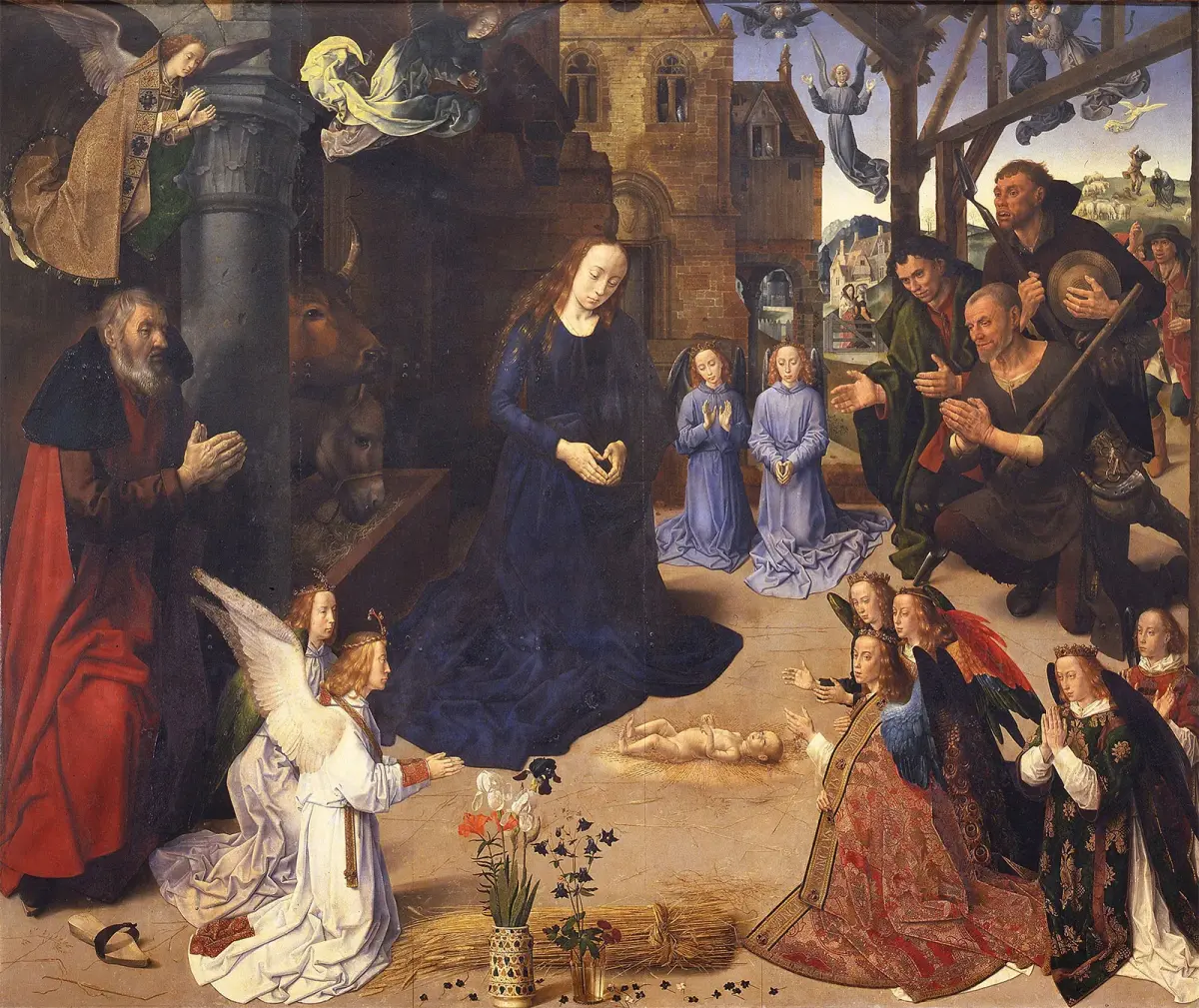
Renaissance art is characterized by a move toward naturalism, emotional depth, and technical precision. Artists moved away from the flat, symbolic representations of the medieval era and began using techniques like linear perspective to create the illusion of three-dimensional space. They also studied human anatomy to ensure their figures looked realistic and dynamic, often depicting subjects in active poses.
To understand the evolution of this style, consider these hallmark techniques:
- Linear perspective: Using a vanishing point to create depth on a flat surface.
- Chiaroscuro: The bold contrast between light and dark to give figures a sense of volume.
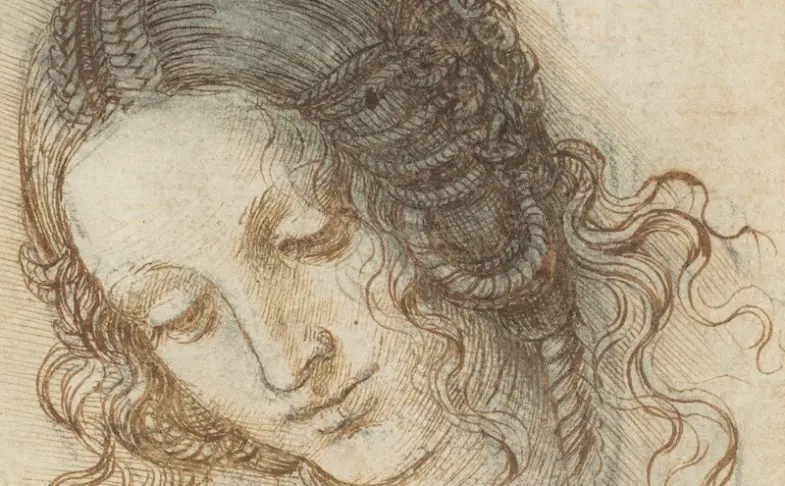
- Sfumato: A technique of blending colors and tones so subtly that there is no perceptible transition, famously used by Leonardo da Vinci.
- Humanism: Placing the human figure at the center of the composition, often highlighting individual personality and expression.
These innovations allowed artists to capture the complexity of the human experience with unprecedented clarity and grace.
How to study the Renaissance for beginners?
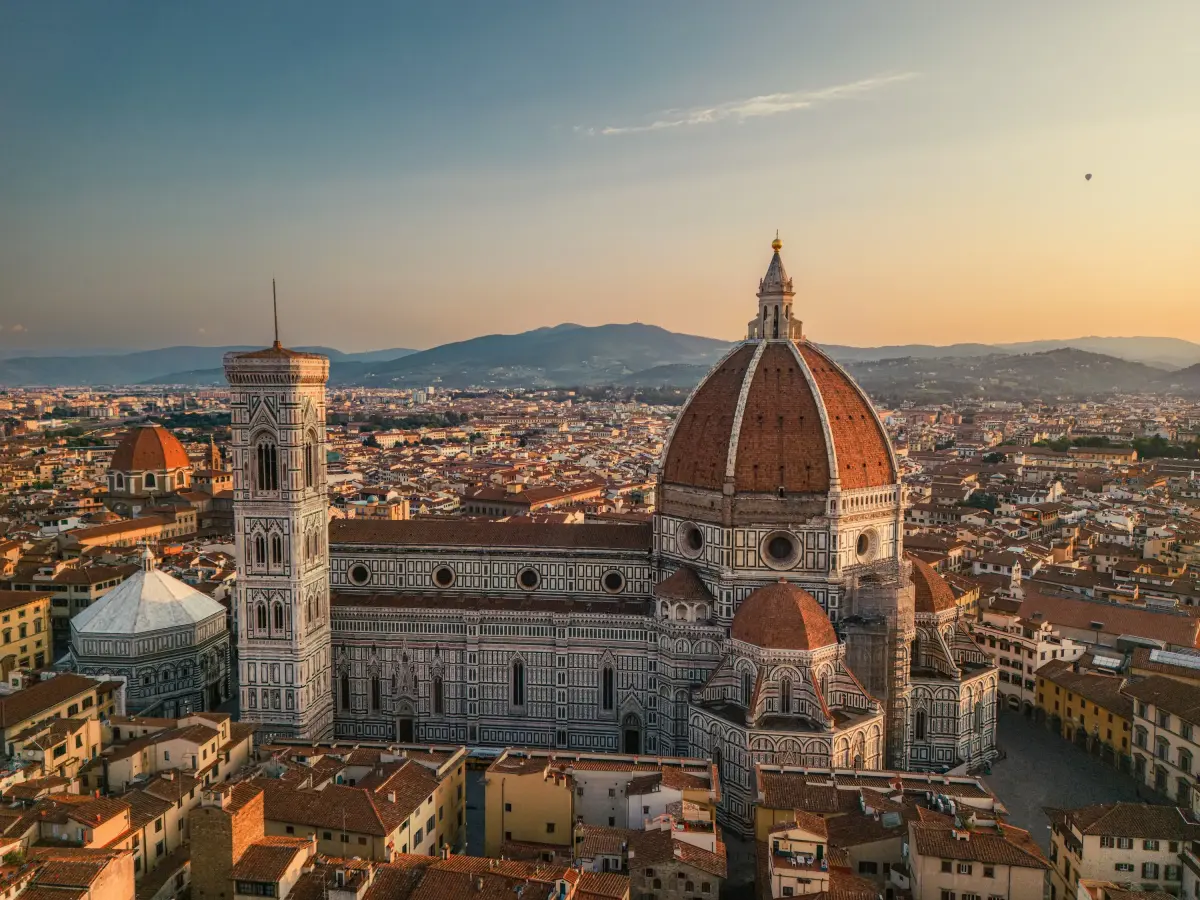
If you are interested in exploring this period, start by focusing on the major cultural hubs of Italy. Florence is the most essential starting point, as it serves as the birthplace of the movement. You can begin by researching the lives of influential figures like Petrarch, who is often called the father of humanism, or the architect Brunelleschi, who engineered the massive dome of the Florence Cathedral.
Avoid the common mistake of viewing the Renaissance as a monolithic event that occurred everywhere at once. Instead, recognize that it was a slow, uneven process that looked different in Northern Europe than it did in the Mediterranean. When reading about the era, try to distinguish between the artistic achievements in Italy and the scientific and religious reforms occurring simultaneously in places like Germany and the Netherlands. Focusing on one specific city or one specific artist, such as Raphael or Titian, will provide a much clearer picture than trying to memorize every event from 1350 to 1600.
Common mistakes when analyzing the Renaissance
A frequent error is assuming that the Renaissance was a complete rejection of the Middle Ages. In reality, many medieval institutions, such as the Catholic Church and the feudal system, remained powerful and influential throughout the period. The Renaissance was more of an evolution or a reinterpretation of existing structures rather than a total replacement. Additionally, many people mistakenly believe the movement was purely secular, but most Renaissance art and literature remained deeply tied to Christian themes and religious patronage.
Another mistake is overlooking the contributions of women and non-European cultures. While the era is often associated with famous male figures, women like Isabella d’Este exerted significant political and cultural influence. Furthermore, the Renaissance was heavily influenced by the exchange of knowledge with the Islamic world, particularly in fields like mathematics, medicine, and astronomy. By acknowledging these nuances, you gain a more accurate understanding of how the Renaissance functioned as a complex, interconnected period of human history that laid the essential foundations for our modern world.
Key facts
- The Renaissance was a period of intense cultural, artistic, and scientific "rebirth" in Europe, spanning roughly from the 14th to the 17th century.
- It began in the city-states of Italy, most notably Florence, before spreading throughout the rest of Europe.
- Humanism became the dominant intellectual movement, shifting focus from strictly religious dogma to the study of classical Greek and Roman texts.
- Johannes Gutenberg’s invention of the movable-type printing press around 1440 revolutionized the spread of knowledge and literacy.
- Artists like Leonardo da Vinci and Michelangelo pioneered techniques such as linear perspective and anatomical realism to create lifelike works.
- To study the Renaissance, focus on primary sources like Petrarch’s poetry or Vasari’s biographies rather than modern interpretations alone.
The bottom line
The Renaissance was a transformative era that bridged the gap between the Middle Ages and modernity. By rediscovering classical wisdom and prioritizing human potential, it fostered unprecedented breakthroughs in science, art, and philosophy. Understanding this period is essential for grasping the roots of Western individualism and the scientific method. Ultimately, the Renaissance proved that human curiosity and patronage can fundamentally reshape the trajectory of global civilization.
People also ask
Why did the Renaissance begin in Italy?
Italy’s strategic location as a trade hub between Europe and the East created immense wealth among merchant families like the Medici. This prosperity allowed them to become patrons of the arts, funding scholars and creators who sought to revive classical traditions.
How did the Renaissance change the role of religion?
While the period remained deeply Christian, it introduced a more individualistic approach to faith and encouraged critical inquiry. This shift eventually paved the way for the Protestant Reformation by challenging the absolute authority of the Catholic Church.
What was the significance of the printing press?
Before the press, books were hand-copied and expensive, making knowledge a privilege of the elite. The press allowed for the mass production of texts, which lowered costs and enabled scientific and philosophical ideas to circulate rapidly among the middle class.
Who were the most influential Renaissance polymaths?
Leonardo da Vinci is the most famous example, excelling in painting, engineering, and anatomy. Other figures like Leon Battista Alberti contributed significantly to architecture, cryptography, and linguistics, embodying the "Renaissance Man" ideal.
How did Renaissance art differ from Medieval art?
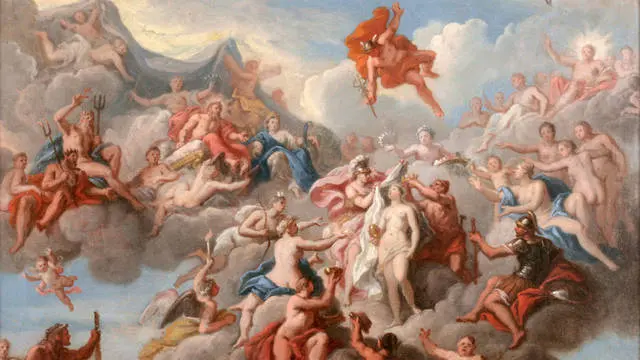
Medieval art was largely symbolic, flat, and focused on religious iconographies. Renaissance art introduced depth through linear perspective, realistic human proportions, and a greater emphasis on secular subjects like portraiture and mythology.
What was the role of women during the Renaissance?
Although women were largely excluded from formal education and political power, some aristocratic women like Isabella d’Este became influential patrons. Others, such as the poet Gaspara Stampa, managed to leave a lasting mark on the literary landscape of the time.
This answer was created with the help of AI research tools and reference sources. Spotted an error? Let us know — we correct mistakes quickly. See our editorial policy.