What is the Uffizi Gallery known for?
Short answer
The Uffizi Gallery in Florence is world-renowned for housing the most significant collection of Italian Renaissance art. It features masterpieces by Botticelli, Michelangelo, Leonardo da Vinci, and Raphael. Originally built as administrative offices for the Medici family, it now serves as a premier global destination for studying the evolution of Western painting.
On this page
Why is the Uffizi Gallery famous?
The Uffizi Gallery is celebrated primarily for its unparalleled collection of Renaissance paintings, which trace the development of art from the Middle Ages to the modern era. The museum is housed in a grand U-shaped building designed by Giorgio Vasari in 1560, commissioned by Cosimo I de' Medici. Its fame stems from the sheer concentration of iconic works that defined European aesthetics for centuries. Visitors can witness the transition from the rigid, symbolic styles of the Byzantine period to the humanistic, perspective-driven realism that characterizes the Renaissance.
The collection is particularly famous for its focus on the Florentine school, which was the epicenter of artistic innovation during the 15th and 16th centuries. Because the Medici family were prolific patrons, they amassed works directly from the artists themselves, ensuring the provenance and quality of the pieces remain unmatched. The gallery is not merely a display of finished products but a historical record of the intellectual and cultural shift that occurred in Italy during the height of the Medici dynasty.
What are the must-see masterpieces?
The gallery contains thousands of works, but several specific paintings define the visitor experience. Sandro Botticelli’s The Birth of Venus and Primavera are the most recognizable highlights, drawing millions of admirers annually. These works exemplify the mythological themes and delicate grace of the early Renaissance. Beyond Botticelli, the gallery displays pivotal works by other heavyweights of art history.
- The Birth of Venus by Sandro Botticelli: A defining image of the Italian Renaissance.
- Annunciation by Leonardo da Vinci: A masterful early work showing his technical precision.
- Doni Tondo by Michelangelo: The only finished panel painting by the artist in existence.
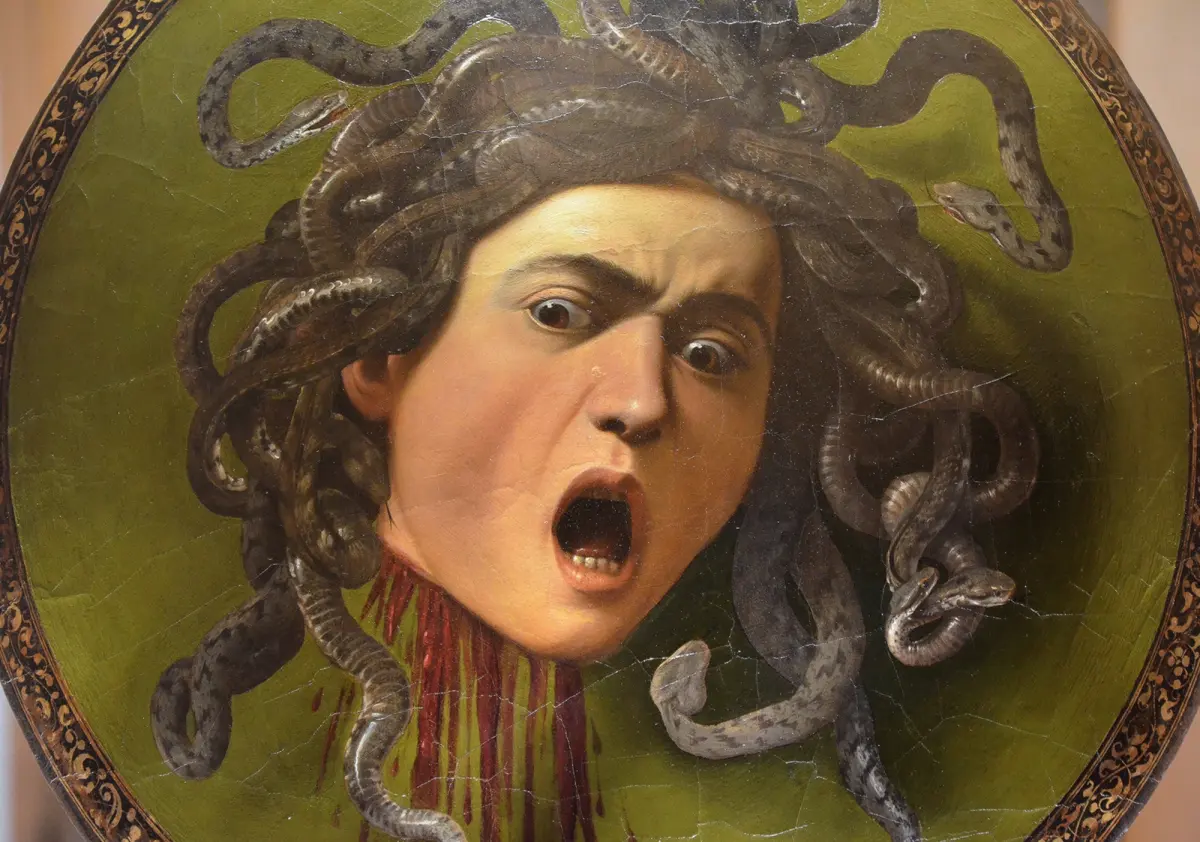
- Medusa by Caravaggio: A striking example of the dramatic chiaroscuro technique.
- Venus of Urbino by Titian: A masterpiece of the Venetian school known for its sensual composition.
These works are strategically placed within the gallery to allow visitors to compare the stylistic evolution of different masters. Seeing these paintings in person provides a sense of scale and color depth that digital reproductions simply cannot capture.
How long does it take to visit?
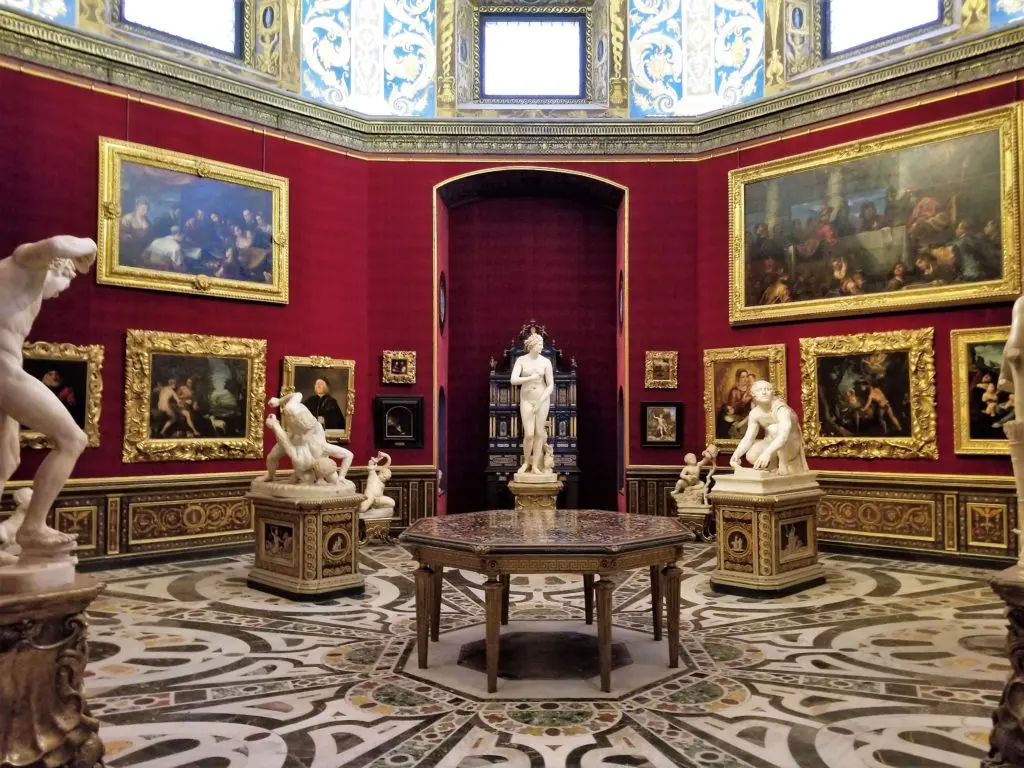
A thorough visit to the Uffizi Gallery typically requires three to four hours. While the museum is not as physically massive as the Louvre, the density of important works means that visitors often feel overwhelmed if they attempt to see everything in a single hour. Many guests prefer to spend time in the corridors, which are decorated with antique sculptures and offer stunning views of the Palazzo Vecchio and the Arno River.
To make the most of your limited time, follow this suggested approach:
- Book your tickets online at least two months in advance to secure a specific entry time.
- Focus on the second floor first, where the most famous Renaissance works are located.
- Use an official audio guide or a pre-planned route map to navigate the chronological layout.
- Take a break at the rooftop café to rest and view the city skyline.
- Spend the final hour exploring the less-crowded rooms on the first floor.
Common mistakes when visiting the Uffizi
The most frequent error visitors make is arriving without a reservation. During peak tourist season, which runs from April through October, the queue for walk-in tickets can exceed three hours. Another common mistake is attempting to view every single room in the gallery. The Uffizi is arranged chronologically, and many visitors become fatigued by the time they reach the later rooms. It is far better to prioritize the specific artists or movements you are most interested in rather than rushing through the entire building.
- Failing to check the museum’s official website for temporary closures or special exhibitions.
- Neglecting to wear comfortable walking shoes, as the gallery floors are hard and the walking distance is significant.
- Forgetting that the museum is closed on Mondays, which leads to disappointment for travelers with tight schedules.
- Trying to take photographs with flash, which is strictly prohibited to protect the delicate pigments of the ancient canvases.
Best tips for art lovers
For those truly passionate about art history, the best time to visit is during the shoulder seasons of November or February. The crowds are significantly thinner, allowing for a more intimate viewing experience of the most popular paintings. Additionally, consider hiring a private guide who specializes in art history. A professional guide can provide context regarding the patronage of the Medici family and the technical nuances of the paintings that are not always evident in the standard placards.
When viewing the art, try to look at the works from different angles. The Uffizi’s lighting is designed to highlight textures, and you will notice details in the brushwork or the gold leaf application that change as you shift your position. Finally, remember to look out the windows. The architecture of the Uffizi itself is a work of art, offering some of the most beautiful framed perspectives of Florence’s historic center. By pacing yourself and focusing on the quality of your observations, you will gain a deeper appreciation for the profound legacy of the Renaissance.
Key facts
- The Uffizi Gallery in Florence, Italy, houses the world’s most significant collection of Renaissance art.
- The building was originally commissioned in 1560 by Cosimo I de' Medici to serve as administrative offices, or "uffizi."
- Sandro Botticelli’s The Birth of Venus and Primavera are the gallery's most iconic masterpieces.
- Visitors should book tickets online weeks in advance to avoid waiting in lines that can exceed three hours.
- The museum is closed on Mondays, and the best time to visit is early morning or late afternoon to avoid peak crowds.
- Photography is permitted without flash, but tripods and selfie sticks are strictly prohibited to protect the artwork.
The bottom line
The Uffizi Gallery serves as a monumental archive of Western art history, showcasing the genius of masters like Michelangelo, Leonardo da Vinci, and Raphael. By securing tickets in advance and planning your route through the U-shaped corridor, you can efficiently experience the evolution of Renaissance painting. It remains an essential destination for anyone seeking to understand the cultural legacy of the Medici family and Florence.
People also ask
How long does it take to see the entire museum?
Most visitors spend between three and four hours exploring the main galleries. If you have a specific interest in Renaissance history, you may want to dedicate an entire day to viewing the collection.
Is there a dress code for visiting the Uffizi?
There is no strict dress code, but it is respectful to dress modestly as the gallery is located in a city with many religious sites. Comfortable walking shoes are highly recommended due to the extensive marble flooring.
Can I bring bags or backpacks inside?
Large bags and backpacks are not permitted in the exhibition halls and must be left in the free cloakroom. Small purses and camera bags are generally allowed, provided they do not obstruct other visitors.
Are guided tours worth the extra cost?
Guided tours are highly recommended for first-time visitors because the collection is vast and lacks detailed context for every piece. A professional guide can help you navigate the highlights and explain the historical significance of the Medici family.
Is the gallery accessible for people with disabilities?
The Uffizi is fully accessible, featuring elevators and ramps throughout the building. Wheelchairs are available for loan at the entrance, and staff members are trained to assist visitors with mobility needs.
Can I buy food or drinks inside the gallery?
Eating and drinking are prohibited inside the galleries to protect the artwork. However, there is a cafe on the terrace that offers refreshments and a spectacular view of the Palazzo Vecchio.
This answer was created with the help of AI research tools and reference sources. Spotted an error? Let us know — we correct mistakes quickly. See our editorial policy.