How do you use Bristol paper?
Short answer
Bristol paper is a heavy, multi-ply drawing board used for detailed illustrations, technical drawings, and marker work. To use it, select the appropriate surface texture—smooth for pens or vellum for graphite—and secure the edges to prevent warping. It provides a durable, professional foundation for various dry and wet media applications.
On this page
What is Bristol paper used for?
Bristol paper consists of multiple layers of paper pasted together to create a stiff, durable board. Unlike standard drawing paper, which is thin and prone to buckling, Bristol is manufactured in weights ranging from 80 lb to 140 lb. This thickness makes it the industry standard for professional illustrators, comic book artists, and technical designers who require a rigid surface that can withstand heavy erasing and repeated layering.
Artists primarily use Bristol for projects involving ink, markers, and fine-point pens. Because the paper is internally sized, it prevents ink from bleeding or feathering, ensuring that lines remain crisp and sharp. It is also a popular choice for graphite and colored pencil work, as the surface can handle the pressure of heavy shading without tearing or pilling. Whether you are creating a storyboard or a detailed architectural rendering, Bristol offers the structural integrity needed for high-quality, long-lasting artwork.
How to choose between smooth and vellum finishes
The two primary surface finishes for Bristol paper are "smooth" and "vellum." Selecting the right one depends entirely on the medium you intend to use. Smooth Bristol, often called plate finish, has a high-calendered surface that is extremely flat. This lack of texture makes it ideal for mechanical drawing, technical pens, and markers, as the nibs glide across the surface without catching or skipping.
Vellum Bristol, by contrast, has a slight tooth or grain. This texture is specifically designed to grab dry media, such as charcoal, graphite, and pastel. The microscopic valleys in the paper allow the pigment to settle, resulting in deeper, more consistent shading. Before you begin your project, consider these guidelines for selecting your surface:
- Use smooth finish for: Technical pens, fine-line markers, airbrushing, and detailed ink work.
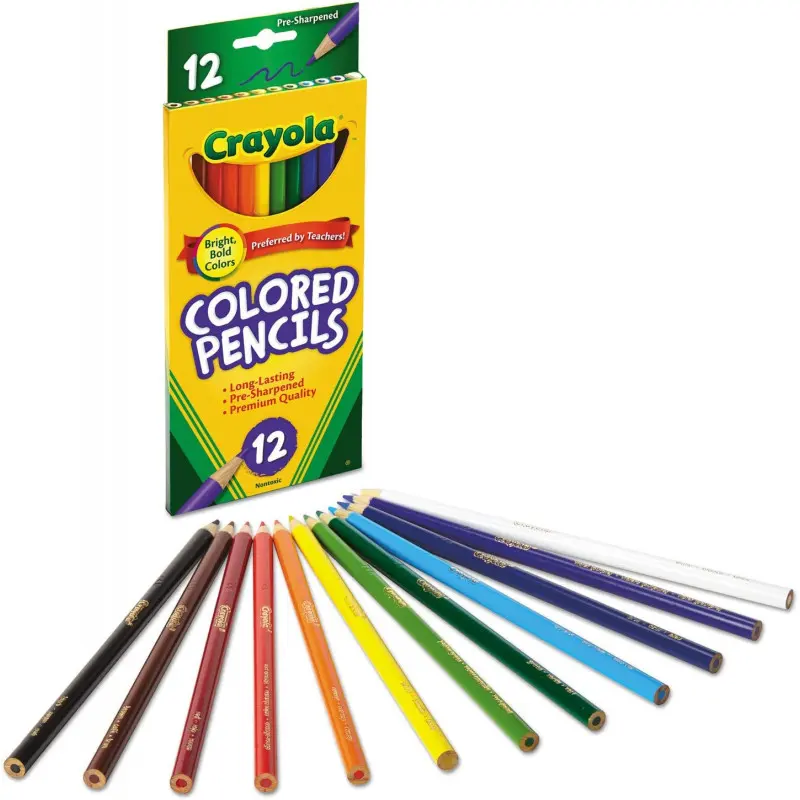
- Use vellum finish for: Graphite pencils, colored pencils, charcoal, soft pastels, and crayon.
- Avoid using wet media on vellum, as the texture can cause ink to pool unevenly.
How to prepare Bristol paper for drawing
Before applying any media, it is important to prepare your workspace and the paper surface. Bristol board is sensitive to oils from your skin, which can create invisible smudges that resist graphite or ink. To prevent this, always wash your hands thoroughly before working or use a clean sheet of scrap paper under your hand while drawing.
If you are working on a large piece, secure the edges of the Bristol board to a drawing board using artist tape or drafting tape. This prevents the paper from shifting while you work and keeps the edges clean. If you plan to use wet media, be aware that even heavy Bristol can curl if it becomes oversaturated. Follow these steps to ensure a stable drawing environment:
- Tape down all four corners of the Bristol sheet to a flat, rigid drawing board.
- Use a soft brush to remove any dust or eraser debris from the surface.
- Lightly sketch your preliminary outlines with a hard pencil, such as a 2H, to avoid indenting the surface.
- Test your markers or pens on a small corner of the sheet to ensure the paper accepts the ink as expected.
Common mistakes when using Bristol paper
One of the most frequent mistakes beginners make is using the wrong side of the paper. While some Bristol is double-sided, many brands have a distinct front and back. The front side is typically processed to be more receptive to media, while the back may be slightly coarser or less absorbent. Always check the packaging or look for a subtle difference in sheen before you start your final artwork.
Another common error is over-erasing. Although Bristol is durable, the surface fibers can be damaged if you scrub them repeatedly with a harsh eraser. This damage results in a rough patch that will catch ink and cause it to bleed. To avoid this, use a kneaded eraser for light adjustments and a high-quality white vinyl eraser for heavy marks. Never press down aggressively with your eraser, as this destroys the sizing that keeps the paper smooth and professional.
How to store and preserve Bristol board
Because Bristol paper is essentially a thick board, it should be stored flat to prevent permanent warping or creasing. If you lean the sheets against a wall, they will eventually develop a bow that is difficult to correct. Use a flat file cabinet or a large portfolio case to keep your work protected from dust, humidity, and direct sunlight, all of which can cause the paper to yellow or become brittle over time.
When your artwork is complete, consider applying a fixative spray if you have used graphite, charcoal, or pastel. This creates a protective barrier that prevents smudging and protects the pigments from environmental degradation. For ink-based works, keep the paper away from moisture, as high humidity can cause the fibers to expand and alter the precision of your lines. By following these storage practices, you ensure that your work remains in gallery-quality condition for many years after completion.
Key facts
- Bristol paper is a heavy, multi-ply board made by pasting several thin sheets together to achieve a specific thickness.
- It is measured in "ply," with 2-ply being the most common weight for general drawing and 3-ply or 4-ply used for heavy wet media.
- The "plate" finish is extremely smooth and ideal for fine-line ink work, technical drawing, and airbrushing.
- The "vellum" finish has a subtle tooth or texture, making it the preferred choice for graphite, charcoal, and colored pencils.
- Bristol paper is acid-free and archival, ensuring that artwork does not yellow or degrade over time.
- Unlike watercolor paper, Bristol is not internally sized to handle heavy water saturation and will warp if overly wet.
The bottom line
Bristol paper is a versatile, professional-grade board essential for illustrators and fine artists. By selecting the correct finish—plate for ink or vellum for dry media—and matching the ply to your specific project needs, you ensure a high-quality surface that resists wear. Always prioritize acid-free varieties to protect your work, and avoid excessive water to maintain the structural integrity of this reliable, multi-layered drawing material.
People also ask
Can I use Bristol paper for watercolor painting?
You can use light washes on vellum-finish Bristol, but it is not designed for heavy water application. The paper will buckle and the surface may pill if you use too much water.
What is the difference between Bristol paper and cardstock?
Bristol is specifically engineered for professional illustration and fine arts, offering a consistent surface and archival quality. Cardstock is typically a lower-grade paper used for crafts, scrapbooking, or commercial printing.
Should I use the smooth or textured side?
Both sides of high-quality Bristol are usually identical in finish. You should choose your paper based on the finish type—plate for ink or vellum for graphite—rather than looking for a "correct" side.
Does Bristol paper come in different colors?
While bright white is the industry standard for scanning and printing, some manufacturers offer off-white, cream, or toned versions. These tinted papers are excellent for high-contrast work using both dark pencils and white highlights.
How do I store finished Bristol artwork?
Store your work flat in an acid-free portfolio or a protective sleeve to prevent bending. Keep it in a cool, dry environment away from direct sunlight to maintain the integrity of the paper fibers.
Can I use markers on Bristol paper?
Yes, Bristol is an excellent surface for alcohol-based markers because the dense fibers prevent ink from bleeding or feathering. The smooth plate finish allows for seamless blending and vibrant color saturation.
This answer was created with the help of AI research tools and reference sources. Spotted an error? Let us know — we correct mistakes quickly. See our editorial policy.