How do you use a chamois in drawing?
Short answer
A chamois is a soft, pliable leather tool used by artists to lift, blend, and soften charcoal or graphite marks on paper. By gently rubbing or dabbing the material over your drawing, you can create smooth tonal gradients, remove highlights, or lighten dark areas to achieve a refined, professional finish.
On this page
What is a chamois used for in art?
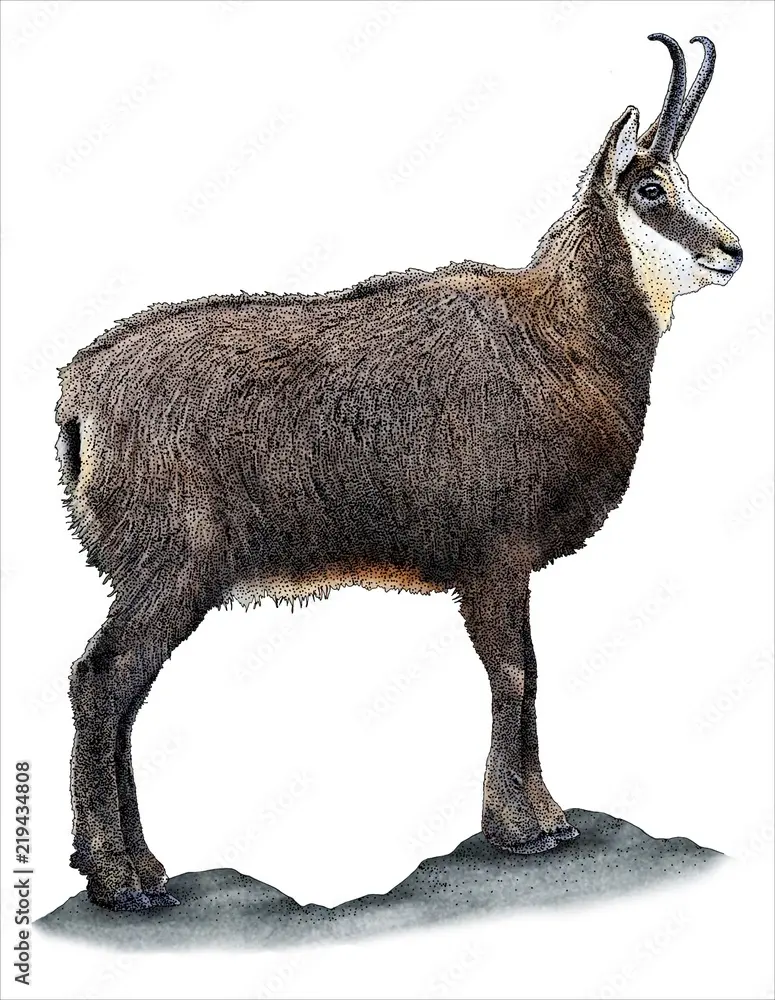
The chamois is a traditional tool made from the skin of a chamois goat or similar animal, prized for its exceptional softness and absorbency. In drawing, it serves as a versatile blending implement that is far gentler than a tortillon or a paper stump. Because of its large surface area, it is primarily used for covering broad sections of a drawing with a consistent, velvety tone.
Artists rely on the chamois to manipulate dry media like charcoal, carbon, and graphite. When you apply charcoal to paper, the chamois helps press the pigment into the tooth of the paper, creating a uniform mid-tone. It is also an essential tool for "subtractive drawing," where you cover the page in charcoal and then use the chamois to push the pigment around, creating soft, atmospheric backgrounds or subtle transitions between light and shadow.
How to use a chamois for blending
Using a chamois requires a light touch to avoid muddying your work. To begin, tear or cut your chamois into a manageable size, roughly four to six inches square. Wrap the leather around your fingers to create a soft pad, which allows you to control the pressure applied to the drawing surface.
- Load the chamois with a small amount of charcoal dust if you want to darken a specific area.
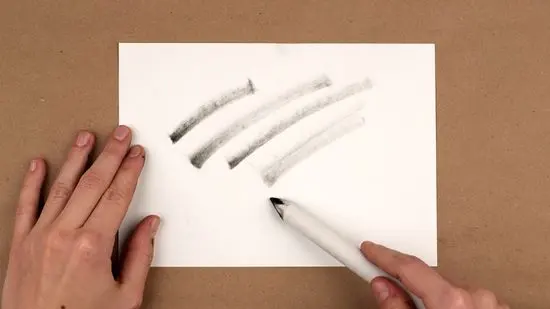
- Gently rub the chamois in circular motions over the desired section of your drawing.
- Use a clean portion of the chamois to lift off excess charcoal, which helps create soft highlights.
- Experiment with the pressure; light pressure creates a subtle haze, while firm pressure pushes the charcoal deep into the paper fibers.
By rotating the chamois frequently, you ensure that you are always using a clean area of the leather. If the chamois becomes completely saturated with pigment, it will no longer lift charcoal effectively and may begin to smear the drawing uncontrollably.
Best practices for maintaining a chamois
Proper maintenance ensures your chamois remains soft and effective for years. Over time, the leather will become saturated with charcoal dust, which can cause it to leave dark, uneven streaks on your paper. To clean it, you can wash the chamois gently in lukewarm water with a very mild soap, such as a gentle dish detergent or specialized leather cleaner.
- Rinse the chamois thoroughly until the water runs clear, ensuring no soap residue remains.
- Lay the chamois flat on a clean towel and pat it dry; do not wring it out, as this can damage the fibers.
- Allow it to air dry completely away from direct heat sources, which can cause the leather to stiffen.
- Once dry, gently stretch and knead the leather with your hands to restore its original, supple texture.
If you find that washing makes the chamois too stiff, you may need to replace it. A high-quality, well-cared-for chamois should remain flexible enough to conform to the contours of your hand and the surface of your paper.
Common mistakes when using a chamois
One of the most frequent errors artists make is applying too much pressure. When you press down hard, you risk polishing the paper, which flattens its texture and makes it difficult to add further layers of charcoal. This can result in a shiny, slick surface that refuses to hold new marks, effectively ruining the drawing's ability to build depth or contrast.
Another common mistake is failing to clean the tool between uses. If you use a dirty chamois on a light area of your drawing, you will inadvertently transfer dark pigments, creating unwanted smudges. Always keep a clean section of the chamois ready for highlights. Furthermore, avoid using the chamois on wet media or fixative-coated surfaces, as the moisture or chemicals can ruin the leather and create permanent, irreversible stains on your artwork.
How to choose the right chamois
When selecting a chamois, prioritize quality and texture over price. Genuine leather chamois are generally preferred for their ability to hold pigment and their durability. Synthetic alternatives are available, but they often lack the same level of softness and may not lift charcoal as effectively as natural leather. Look for a chamois that feels thin and pliable rather than thick or stiff.
If you are a beginner, start with a smaller, pre-cut piece to practice your technique. As you become more comfortable, you may find that larger pieces are better for expansive landscapes or portraits. Always test the chamois on a scrap piece of paper first to ensure it does not shed fibers or leave behind any oily residue. By choosing a high-quality tool and practicing consistent pressure, you will gain better control over your tonal values and elevate the overall quality of your charcoal drawings.
Key facts
- A chamois is a soft, pliable piece of leather traditionally made from the skin of a mountain goat, though modern versions are often synthetic.
- Artists use a chamois primarily to lift charcoal, graphite, or pastel pigment from paper to create highlights or soften transitions.
- To clean a drawing, wrap the chamois around your finger and gently dab or wipe the surface to pick up excess dust without smearing it.
- You can create a "stump" effect by rolling the chamois into a tight point to blend fine details or smooth out large shaded areas.
- Always keep your chamois clean by washing it with mild soap and water, as a dirty tool will transfer old pigment back onto your work.
- Avoid using a chamois on wet media or heavy impasto surfaces, as the leather can snag or become permanently stained by binders.
The bottom line
The chamois is an essential, versatile tool for artists working with dry media like charcoal or graphite. By mastering the balance between light dabbing for highlights and firm wiping for smooth gradients, you can achieve professional tonal depth in your drawings. Remember to maintain the cleanliness of your leather regularly, as this simple habit ensures your tool remains a reliable instrument for refining your artistic vision.
People also ask
Can I use a chamois on colored pencil drawings?
It is generally not recommended because colored pencils contain wax or oil binders that resist lifting. The chamois may leave behind leather fibers or smear the waxy surface rather than removing pigment.
How do I know when my chamois needs to be replaced?
Replace your chamois when it becomes stiff, brittle, or so saturated with pigment that washing no longer restores its absorbency. If the leather begins to shed small particles onto your paper, it has reached the end of its functional life.
Is there a difference between natural and synthetic chamois?
Natural chamois is more porous and absorbent, making it superior for lifting heavy charcoal applications. Synthetic versions are often more durable and uniform in texture, which can be beneficial for consistent blending across large surfaces.
Should I use a chamois for fine detail work?
A chamois is better suited for broad, gestural blending or large-scale tonal adjustments. For fine details, a paper tortillon or a precision eraser is a more effective tool.
Can I use a chamois to erase mistakes completely?
A chamois is a lifting tool, not a precision eraser, so it will likely leave a faint ghost of the original mark. Use it to lighten values or soften edges rather than trying to achieve a perfectly white page.
How do I store my chamois to keep it soft?
Store your chamois in a clean, dry place away from direct sunlight or extreme heat. If it becomes stiff after washing, gently stretch and knead the leather while it is still slightly damp to restore its natural suppleness.
This answer was created with the help of AI research tools and reference sources. Spotted an error? Let us know — we correct mistakes quickly. See our editorial policy.