What is tortillon blending?
Short answer
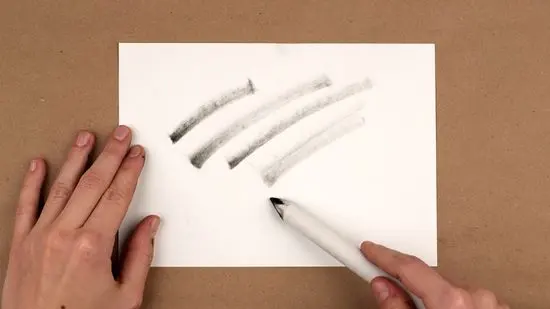
Tortillon blending is a drawing technique using a tightly rolled paper stump to smear and soften graphite, charcoal, or pastel marks. By compressing pigment into the paper’s tooth, artists create smooth gradients, subtle shadows, and blended textures that fingers cannot achieve. It is an essential tool for achieving realistic shading and depth.
On this page
What is a tortillon used for in drawing?
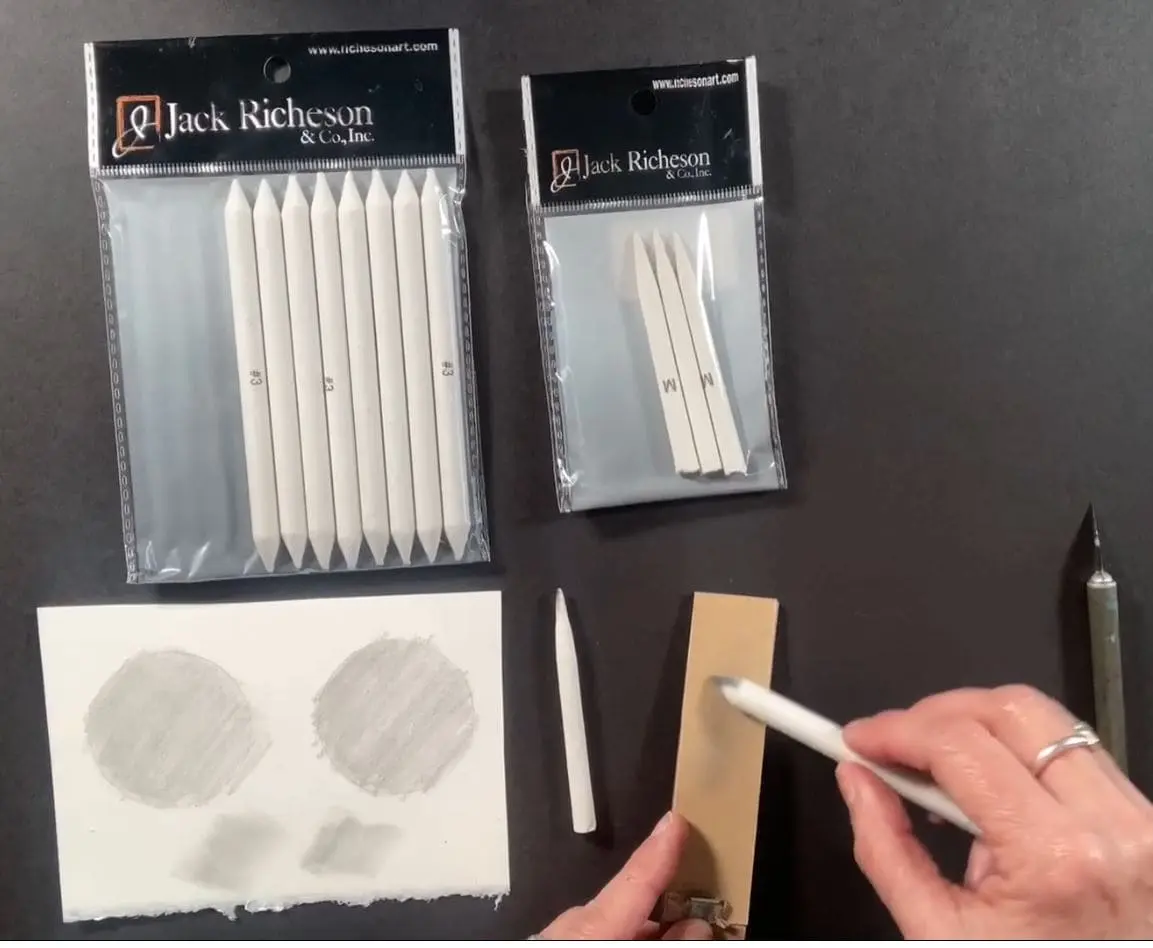
A tortillon is a cylindrical tool made from tightly rolled paper that tapers to a point at one or both ends. Artists utilize it primarily to manipulate dry media, such as graphite pencils, charcoal sticks, or soft pastels. Unlike a blending stump, which is typically solid and dense, a tortillon is hollow and lighter, making it more responsive for delicate work. Its primary function is to push pigment deeper into the grain of the drawing surface, effectively eliminating harsh lines and creating seamless transitions between light and dark values.
Beyond simple smoothing, the tortillon acts as a precision instrument for rendering fine details. Because the tip can be sharpened with a sandpaper block, artists use it to pull graphite into tight corners or to create soft, atmospheric effects in portraiture. It is especially effective for rendering skin textures, fabric folds, or soft shadows where visible pencil strokes would otherwise distract from the realism of the image. By controlling the pressure applied to the tool, an artist can achieve a wide range of tonal variations.
How to use a tortillon for blending
Mastering the tortillon requires a light touch and a systematic approach to layering media. You should begin by applying your primary layer of graphite or charcoal with a pencil, keeping the marks relatively loose. Once the pigment is on the page, use the tortillon to gently drag the material across the surface, following the contours of the form you are drawing. This process helps unify the drawing and establishes a base layer of tone that can be refined with additional pencil work.
- Lay down a base layer of graphite or charcoal using light, even strokes.
- Hold the tortillon at a shallow angle, similar to how you would hold a pencil, to maximize the contact area.
- Use small, circular motions or light sweeping strokes to move the pigment into the white spaces of the paper.
- Rotate the tool frequently to ensure you are always using a clean or pigment-loaded surface as needed.
- Reapply graphite over the blended area if you need to darken specific shadows or add texture back into the drawing.
Best practices for tortillon maintenance
Maintaining your tortillon is essential for keeping your drawings clean and preventing muddy colors. As you blend, the paper tip inevitably becomes saturated with pigment, which can transfer unwanted dark marks to lighter areas of your artwork. To keep your tool in peak condition, you should regularly clean the tip. The most common method involves rubbing the tip against a fine-grit sandpaper block or a piece of rough scrap paper. This removes the top layer of graphite-laden paper and restores the sharp point.
Once the tortillon becomes too worn or flattened to provide a precise edge, you can peel away the outer layer of paper to reveal a fresh, clean surface underneath. Some artists prefer to keep several tortillons on hand, designating specific tools for different media or tonal ranges. For example, you might keep one tool exclusively for dark charcoal and another for light graphite to avoid cross-contamination. Storing your tools in a dry, dust-free container will also prevent them from picking up debris that could scratch your drawing surface.
Common mistakes when blending with a tortillon
One of the most frequent errors beginners make is applying too much pressure, which can burnish the paper. Burnishing occurs when the paper fibers are crushed and flattened, making it impossible to add more graphite to that area. This results in a shiny, slick surface that refuses to accept further shading. To avoid this, always start with the lightest possible touch, gradually increasing pressure only if necessary. It is far easier to darken an area than it is to fix a spot that has been over-blended and permanently smoothed.
Another common mistake is over-blending the entire drawing, which can strip away the energy and texture of the original strokes. If every part of a drawing is perfectly smooth, the image can lose its structural integrity and look flat or plastic. To maintain a professional appearance, keep these points in mind:
- Avoid blending near the edges of a form, as this can make the object look like it is floating or out of focus.
- Do not use the tortillon to blend high-contrast highlights, as this will muddy the white of the paper.
- Limit blending to areas where soft transitions are required, such as the rounded planes of a face or soft shadows.
Why choose a tortillon over other methods?
Many artists choose the tortillon because it provides a level of control that fingers or tissues cannot offer. Using your fingers to blend is generally discouraged because the natural oils from your skin can transfer to the paper. These oils create permanent smudges that resist graphite, leading to uneven patches that are difficult to correct. Furthermore, the human finger is too blunt to reach into small, detailed areas, whereas the tortillon’s tapered tip allows for surgical precision in tight spaces.
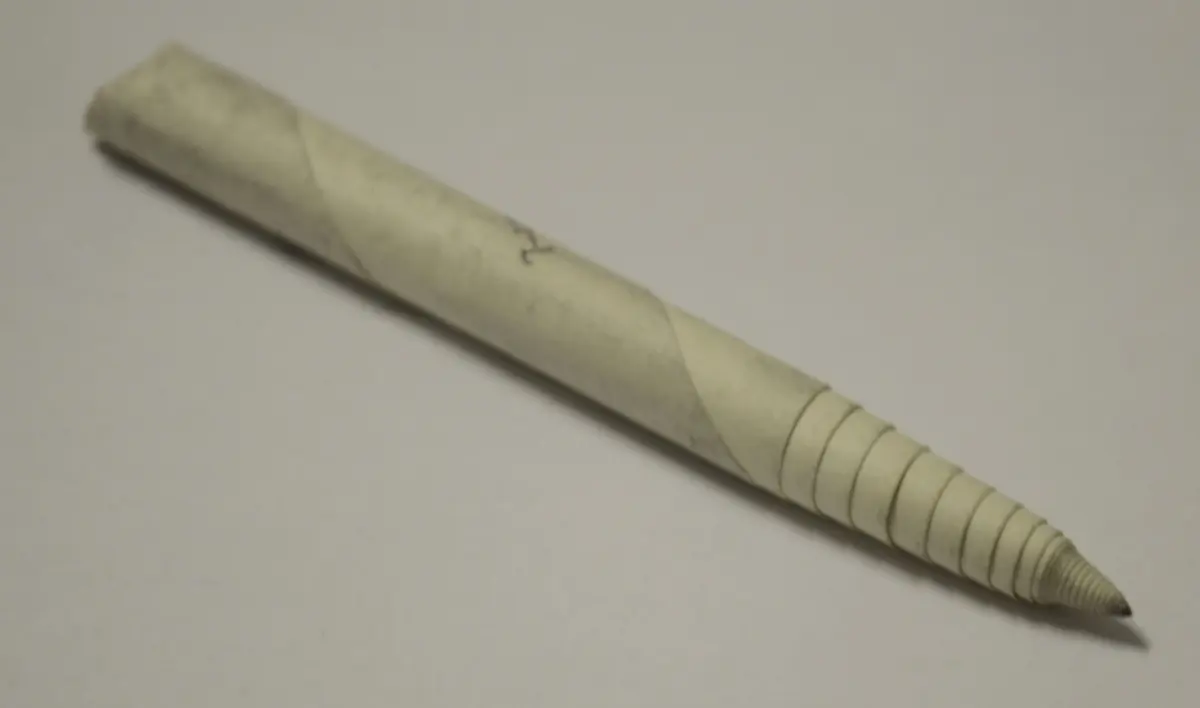
Compared to a blending stump, the tortillon is often preferred for its portability and its ability to be easily reshaped. Because it is constructed from a single strip of paper rolled into a spiral, it is lightweight and inexpensive to replace. Whether you are a student learning the basics of shading or a professional artist working on a highly detailed portrait, the tortillon remains a versatile and reliable tool. By understanding its limitations and mastering the technique of light, controlled pressure, you can significantly elevate the quality and depth of your charcoal and graphite illustrations.
Key facts
- A tortillon is a cylindrical drawing tool made of tightly rolled paper used to smudge or blend graphite, charcoal, or pastel.
- Unlike a stump, which is pointed at both ends, a tortillon is usually pointed at one end and hollow in the center.
- Artists use tortillons to soften harsh lines and create smooth gradients or realistic skin tones in drawings.
- You can clean a dirty tortillon by rubbing the tip against a piece of fine-grit sandpaper or a sanding block.
- Avoid using your fingers to blend, as natural skin oils can leave permanent smudges and prevent graphite from adhering properly to the paper.
- Apply light pressure when blending to avoid damaging the paper's "tooth," which is the texture required to hold drawing media.
The bottom line
Tortillon blending is an essential technique for artists seeking to achieve smooth transitions and soft transitions in graphite and charcoal drawings. By using these rolled-paper tools instead of your fingers, you maintain control over your medium while protecting your work from skin oils. Regular maintenance through sanding ensures your tools remain effective, allowing you to refine details and elevate the overall professionalism of your shaded illustrations.
People also ask
Can I make my own tortillon at home?
Yes, you can create one by tightly rolling a square piece of paper into a cone shape and securing the end with tape. Ensure the roll is extremely tight to prevent it from collapsing during use.
Is there a difference between a tortillon and a blending stump?
A blending stump is made of compressed felt or paper and is solid throughout, making it firmer and more durable. Tortillons are lighter, more flexible, and better suited for delicate, small-scale blending work.
How do I know when a tortillon is too dirty to use?
If the tip becomes saturated with heavy graphite or charcoal, it will begin to smear dark marks instead of blending existing lines. At this point, sand the tip or peel away the outer layer of paper to reveal a fresh surface.
Should I use a tortillon for large areas of shading?
Tortillons are best for small, detailed areas like eyes or facial contours. For large backgrounds or broad shading, a soft tissue, chamois, or a larger blending stump is more efficient.
Can tortillons be used with colored pencils?
They are effective for blending colored pencils, but be aware that wax-based pencils may clog the paper fibers quickly. Use a clean tortillon for each color to prevent muddying your drawing.
Do I need to sharpen a tortillon with a knife?
Avoid using a pencil sharpener, as the paper roll is often too dense and may jam the blades. Sandpaper is the standard and safest tool for maintaining a sharp, functional point.
This answer was created with the help of AI research tools and reference sources. Spotted an error? Let us know — we correct mistakes quickly. See our editorial policy.