What is Art Brut?
Short answer
Art Brut, or "raw art," refers to creative works produced by individuals outside the established art world, such as psychiatric patients, prisoners, or social recluses. Coined by French artist Jean Dubuffet in 1945, the term describes spontaneous, unrefined expression free from the influence of cultural trends, academic training, or commercial expectations.
On this page
What is the history of Art Brut?
The term Art Brut was formally introduced in 1945 by Jean Dubuffet, who sought to celebrate art created by people untouched by traditional artistic culture. Dubuffet was fascinated by the raw, unfiltered intensity found in the drawings of patients in psychiatric hospitals. He believed that academic art had become stifled by conventions, whereas the work of these "outsiders" possessed a genuine, primal energy that reflected the human psyche without the interference of social conditioning.
Dubuffet spent decades collecting these works, eventually establishing the Collection de l'Art Brut in Lausanne, Switzerland, in 1976. This collection remains the definitive repository for the genre, housing thousands of pieces that challenge the boundaries of what is considered fine art. By championing these creators, Dubuffet shifted the focus of the art world toward the psychological depth of the creator rather than the technical mastery or marketability of the final product.
Who are the most famous Art Brut artists?
While Art Brut artists often worked in total isolation, several figures have gained international recognition for their distinct, obsessive, and highly personal visual languages. These artists did not seek fame; instead, they created as a necessity of their existence, often filling every available inch of paper or space with intricate patterns and narratives. Their work is characterized by a lack of traditional perspective and a disregard for standard aesthetic rules.
- Adolf Wölfli: A Swiss artist who produced massive, complex musical scores and illustrations while institutionalized.
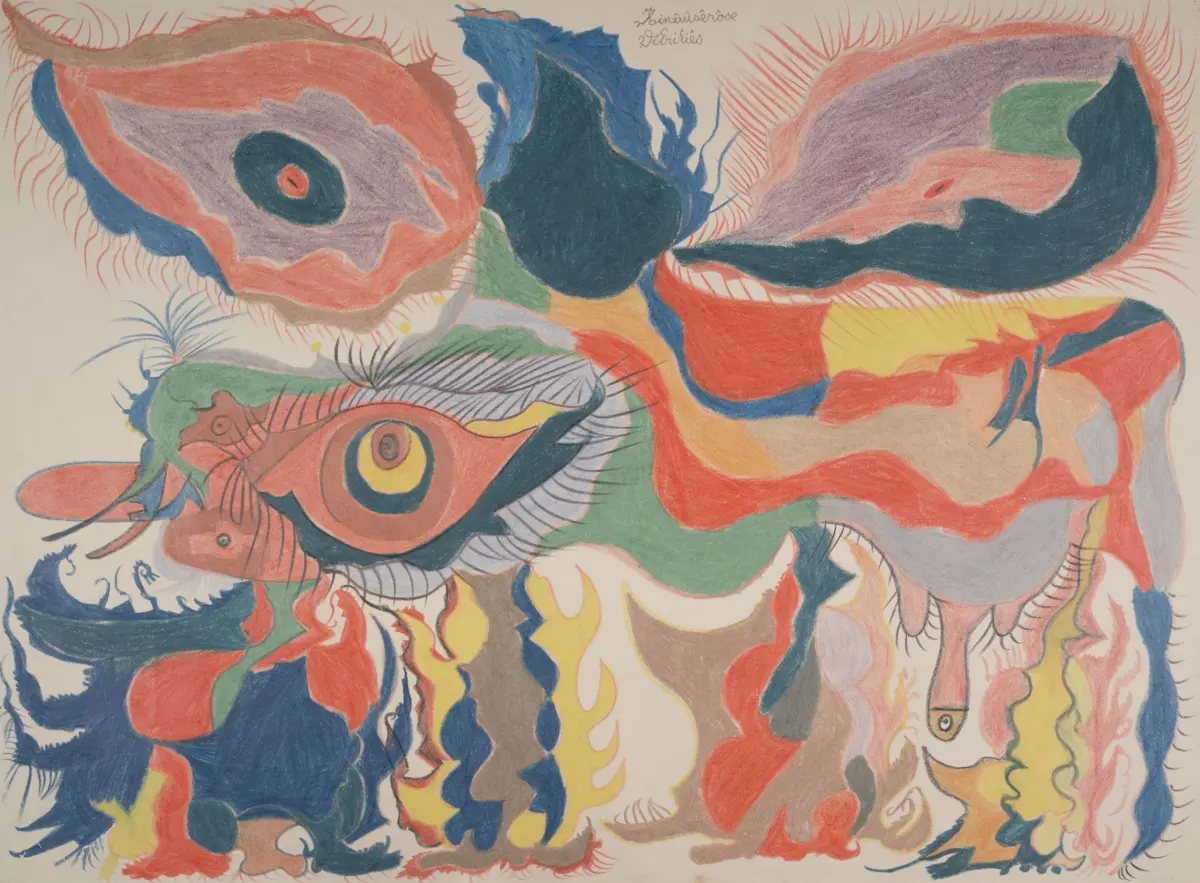
- Aloïse Corbaz: A former governess who created vibrant, romantic drawings using materials like crushed flower petals and toothpaste.
- Henry Darger: An American janitor known for his massive, illustrated manuscript depicting a fantasy world of children in peril.
- Madge Gill: A British medium who created thousands of intricate, ink-based drawings under the influence of a spirit guide.
How to identify Art Brut works
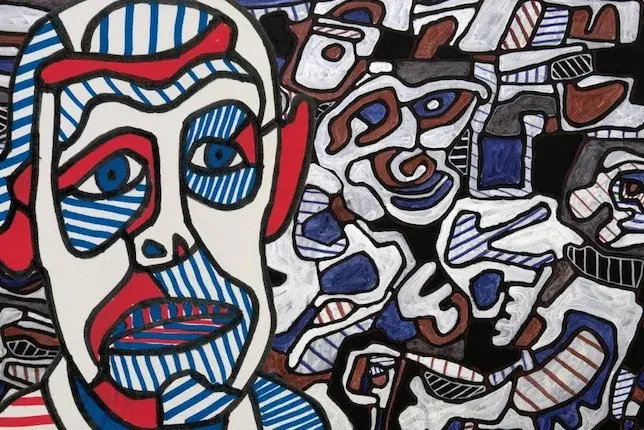
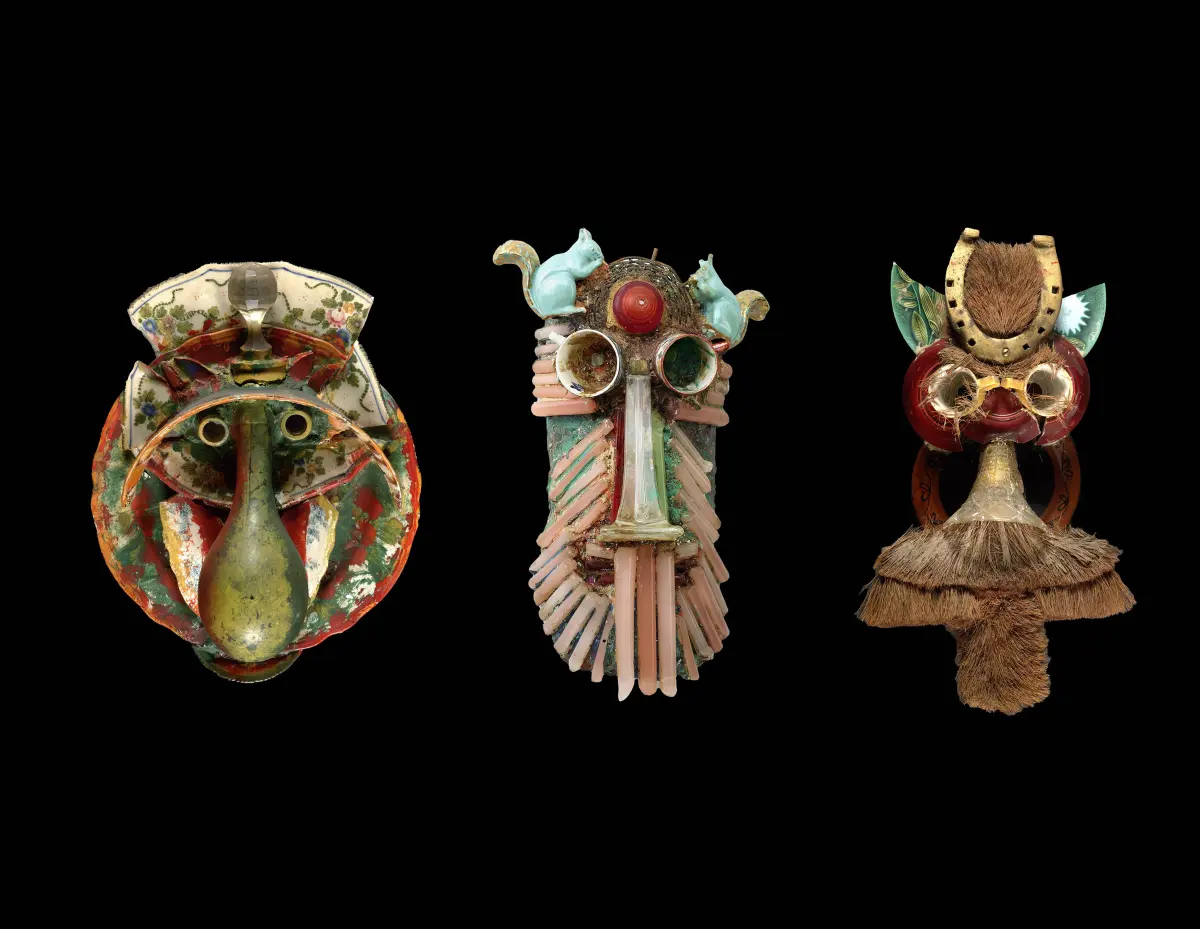
Identifying Art Brut requires looking past traditional markers of artistic skill, such as anatomical correctness or refined brushwork. Instead, observers should look for signs of compulsive repetition, the use of unconventional or "found" materials, and a complete lack of concern for the viewer. The work is often deeply personal, serving as a private mythology or a therapeutic outlet for the creator, rather than a piece designed for public consumption or gallery display.
To evaluate a piece for its "raw" qualities, consider the following characteristics:
- Absence of formal training: The artist shows no influence from art history or contemporary trends.
- Obsessive detail: The work exhibits a repetitive, dense, or meticulous application of lines and patterns.
- Material innovation: The artist uses whatever is at hand, including scraps, household waste, or non-traditional media.
- Psychological urgency: The work feels like a necessary manifestation of the artist's internal world rather than a decorative object.
Common mistakes when studying Art Brut
A frequent error is conflating Art Brut with "Outsider Art." While the terms are often used interchangeably, Art Brut is a specific category defined by Dubuffet’s strict criteria, whereas Outsider Art is a broader, more inclusive term that encompasses self-taught artists who may still have some connection to the commercial art market. Another mistake is pathologizing the artist; assuming that an artist’s work is merely a symptom of their mental health status ignores the genuine aesthetic and intellectual complexity of their creations.
Furthermore, viewers often make the mistake of looking for hidden symbols or clinical meanings in the work. While the art may be therapeutic, it is also a deliberate creative act. Treating the work as a medical document rather than an artistic achievement diminishes the creator's agency. To appreciate the art properly, one must respect the artist’s intent and view the creation as a valid, independent expression of human consciousness that stands on its own merits.
How to appreciate Art Brut in museums
Visiting an exhibition of Art Brut is a different experience than walking through a traditional gallery. Because these works were often created in small, private spaces, they can feel overwhelming or intense when displayed in large, white-walled rooms. It is helpful to approach the work with an open mind, allowing yourself to be absorbed by the sheer volume of detail and the unique, often idiosyncratic logic of the creator’s vision.
When engaging with the work, follow these simple guidelines:
- Spend time with the details: Many pieces are dense; look closely at the small, repetitive marks that build the larger composition.
- Read the context: Understanding the artist's environment or isolation often provides necessary insight into their creative process.
- Avoid comparison: Do not compare the work to mainstream art movements, as it is designed to operate outside those systems.
- Reflect on the process: Consider why the artist felt compelled to create this work, focusing on the act of creation as a form of survival or self-definition.
By shifting your perspective, you can move beyond the surface-level strangeness of the work and begin to appreciate the profound, unmediated human expression that defines the core of Art Brut.
Key facts
- The term "Art Brut," meaning "raw art," was coined by French artist Jean Dubuffet in 1945.
- It refers to works created by individuals outside the professional art establishment, such as psychiatric patients, prisoners, or social outcasts.
- These creators typically lack formal art training and produce work without regard for cultural trends or commercial success.
- Authenticity is the defining trait, as the art is considered a direct expression of the creator’s internal world rather than an attempt to mimic traditional styles.
- The Collection de l'Art Brut in Lausanne, Switzerland, holds the world's most significant archive, containing over 70,000 pieces.
- When identifying Art Brut, look for obsessive repetition, intricate detail, and the use of unconventional materials like scrap metal, thread, or found objects.
The bottom line
Art Brut represents a pure, unmediated form of human expression that exists entirely outside the constraints of the professional art world. By prioritizing internal necessity over external validation, these creators produce works that are as haunting as they are authentic. Understanding Art Brut requires looking past traditional technical skills to appreciate the raw, obsessive, and deeply personal narratives embedded within each unique, uncalculated piece of art.
People also ask
How does Art Brut differ from folk art?
Folk art is rooted in the traditions and cultural heritage of a specific community or region. In contrast, Art Brut is highly individualistic and often ignores or rejects cultural norms entirely.
Is Art Brut the same as outsider art?
The terms are often used interchangeably, but "outsider art" is a broader English-language term coined in 1972. While Art Brut is a specific subset, outsider art can include self-taught artists who are more integrated into society.
Can an artist become an Art Brut creator on purpose?
No, the essence of Art Brut is its lack of self-consciousness regarding the art market. Attempting to mimic the style often results in "neuve invention," which lacks the raw, uncalculated nature of true Art Brut.
What are common materials used in these works?
Creators often utilize whatever is at hand, including paper scraps, discarded packaging, ballpoint pens, or even bodily fluids. The focus is on the act of creation rather than the longevity or value of the medium.
Why is Art Brut often associated with mental illness?
Many early works were discovered in psychiatric institutions where patients used art as a form of therapy or psychological release. However, the category also includes isolated individuals who simply exist on the fringes of society.
How can I start a collection of Art Brut?
Focus on finding works that feel deeply personal and uninfluenced by mainstream aesthetics. Avoid pieces that look like traditional landscape or portrait painting, as these usually indicate formal training or conventional intent.
This answer was created with the help of AI research tools and reference sources. Spotted an error? Let us know — we correct mistakes quickly. See our editorial policy.