Who painted the Sistine Chapel?
Short answer
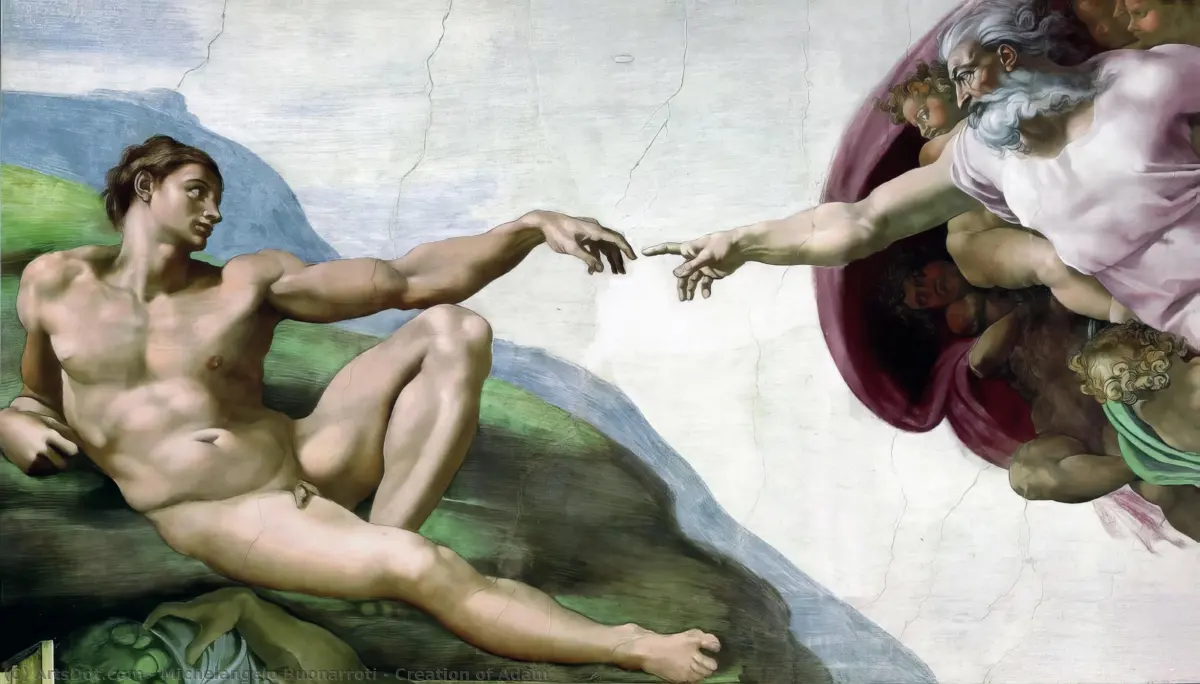
Michelangelo Buonarroti painted the Sistine Chapel ceiling between 1508 and 1512. While he is the primary artist associated with the chapel, he was not the only one. Earlier Renaissance masters, including Sandro Botticelli, Pietro Perugino, and Domenico Ghirlandaio, painted the side walls with frescoes depicting the lives of Moses and Christ.
On this page
Who painted the Sistine Chapel ceiling?
Michelangelo Buonarroti, a master of the Italian High Renaissance, is the sole artist responsible for the iconic ceiling frescoes. Commissioned by Pope Julius II, the project was intended to replace a simple blue sky filled with stars. Michelangelo originally resisted the commission, as he considered himself a sculptor rather than a painter, but he eventually accepted the challenge.
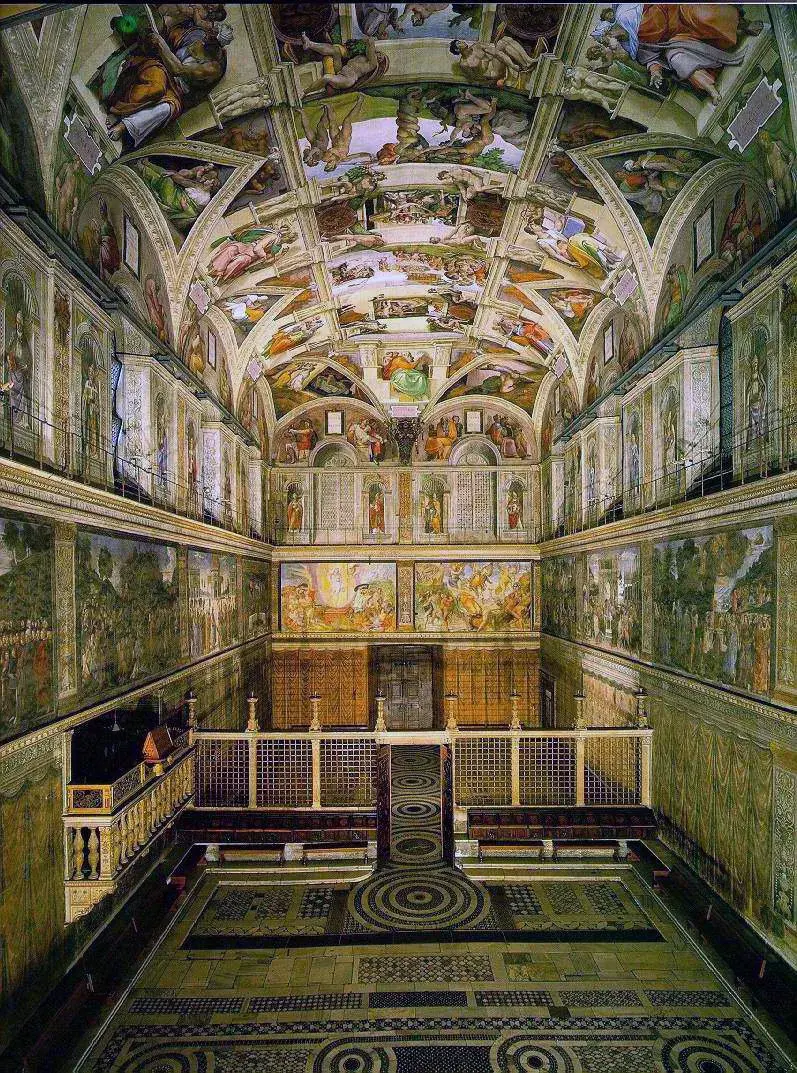
The ceiling is divided into nine central panels illustrating scenes from the Book of Genesis. These range from the creation of the world to the story of Noah. Surrounding these central narratives are figures of prophets and sibyls, as well as the ancestors of Christ. The sheer scale of the work, covering over 5,000 square feet, remains one of the most significant artistic achievements in human history.
Which other artists worked on the Sistine Chapel?
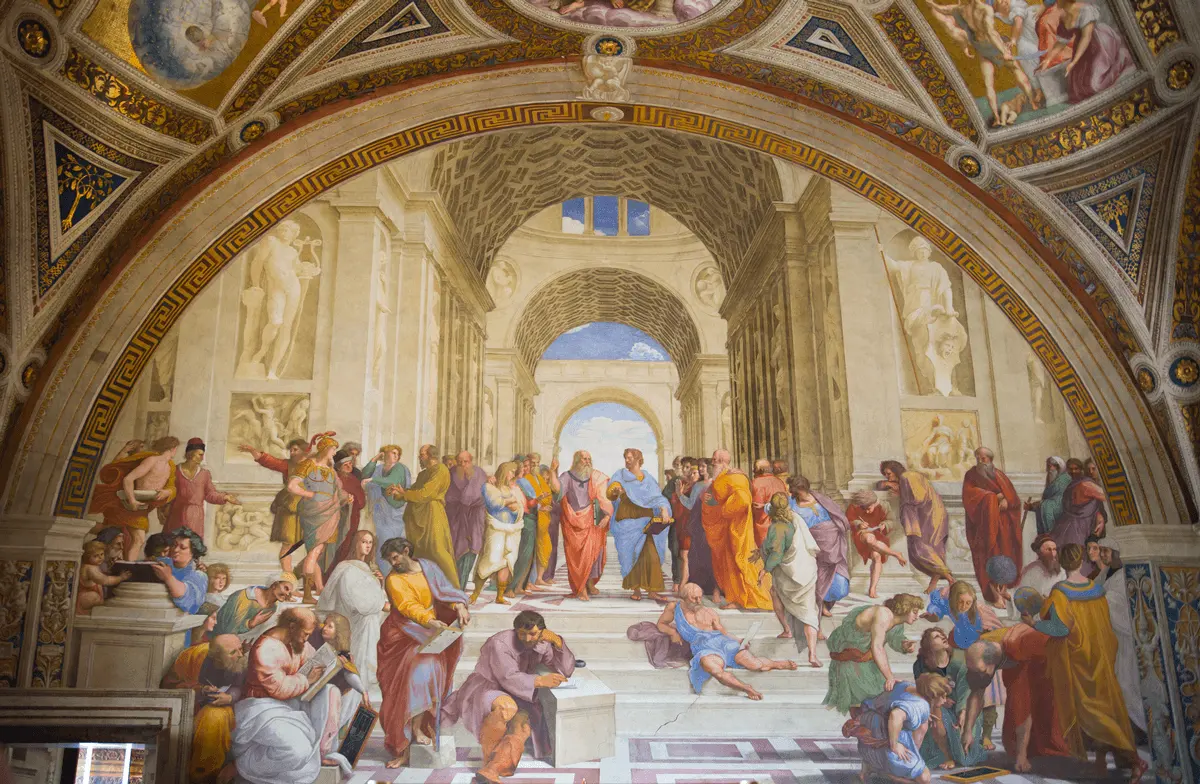
Before Michelangelo arrived, a team of renowned painters was hired by Pope Sixtus IV to decorate the chapel's side walls. These artists were tasked with creating a narrative cycle that linked the Old Testament to the New Testament. Their work established the visual framework that Michelangelo later complemented with his ceiling.
The primary contributors to the side walls included:
- Sandro Botticelli, who painted the Trials of Moses and the Temptations of Christ.
- Pietro Perugino, responsible for the Delivery of the Keys.
- Domenico Ghirlandaio, who depicted the Calling of the Apostles.
- Cosimo Rosselli, who contributed several scenes including the Sermon on the Mount.
- Luca Signorelli, who worked on the Testament and Death of Moses.
These artists worked simultaneously during the 1480s to complete the frescoes in a relatively short period. Their collaborative effort ensured the chapel was fully decorated before Michelangelo began his work on the ceiling decades later.
How was the Sistine Chapel ceiling painted?
Michelangelo utilized the "buon fresco" technique, which requires applying pigment to wet lime plaster. As the plaster dries, the paint becomes an integral part of the wall surface, ensuring long-term durability. This method is notoriously difficult because the artist must work quickly before the plaster sets, making corrections nearly impossible once the surface dries.
To manage the massive space, Michelangelo followed a specific process:
- Prepare the wall surface with a rough layer of mortar called the arriccio.
- Sketch the composition directly onto the wall using charcoal or ochre.
- Apply a thin, smooth layer of plaster called the intonaco in small sections known as "giornate," or "day's work."
- Paint the figures and details while the plaster remains damp.
Working on wooden scaffolding, Michelangelo often had to paint while lying on his back, a common myth that persists today. In reality, he stood on a custom-built platform, craning his neck upward for years, which caused him significant physical strain and permanent vision issues.
Common mistakes when studying the Sistine Chapel
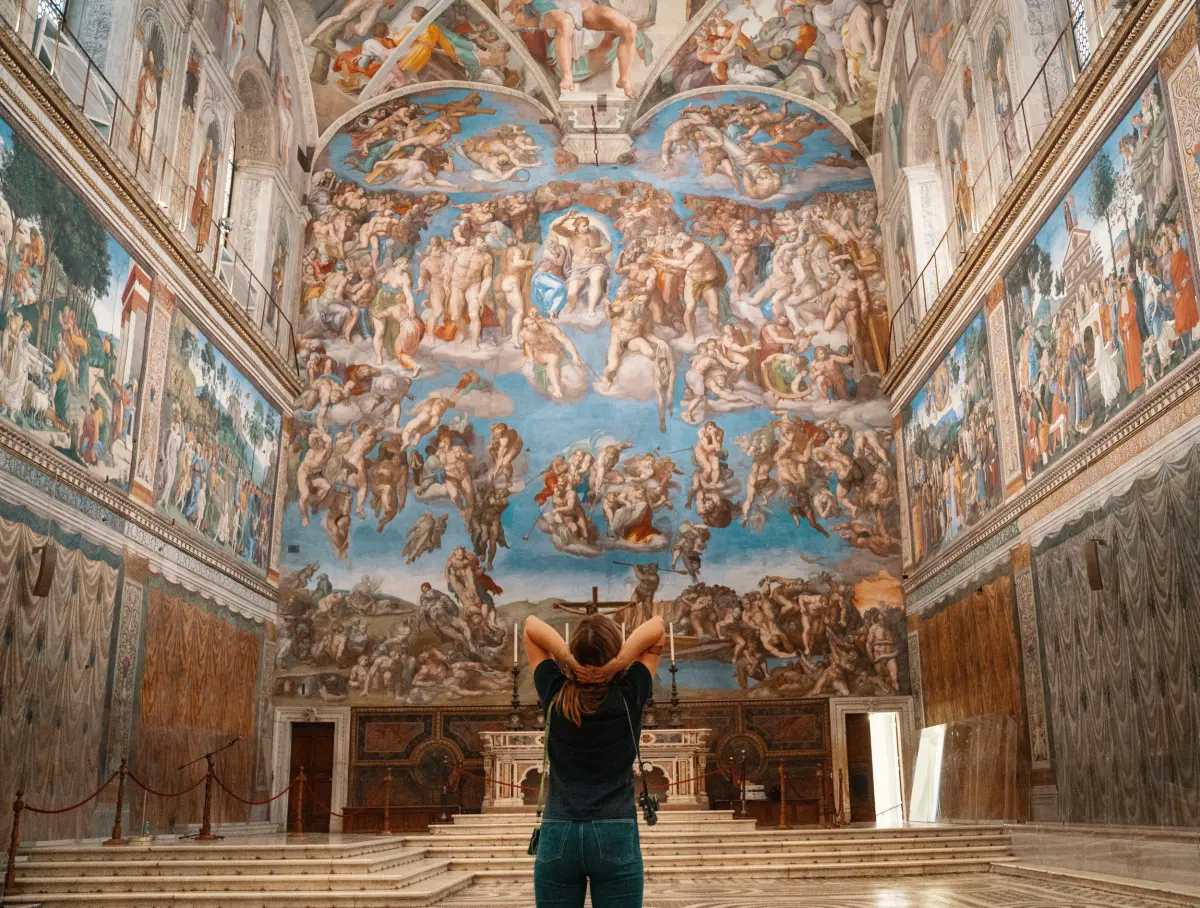
Many visitors mistakenly believe that Michelangelo painted the entire interior of the chapel, including the altar wall. In fact, he did not return to paint the "Last Judgment" on the altar wall until 1536, more than twenty years after completing the ceiling. Confusing these two distinct projects is a frequent error that obscures the timeline of the chapel's development.
Another common misconception involves the perceived darkness of the ceiling. For centuries, the frescoes were obscured by layers of candle soot, dust, and grime, leading people to believe Michelangelo used a dark, somber color palette. A massive restoration project completed in the 1990s removed this buildup, revealing vibrant, brilliant colors that shocked many art historians. When researching the chapel, it is essential to look at post-restoration images to appreciate the artist's original intent and technical brilliance.
Tips for visiting the Sistine Chapel
If you plan to visit the Vatican Museums to see the chapel in person, preparation is key to a positive experience. The chapel is a sacred space, and visitors are expected to maintain silence and show respect. Because it is one of the most popular tourist destinations in the world, crowds can be overwhelming, especially during peak summer months.
To make the most of your visit, follow these practical steps:
- Book your tickets online weeks in advance to skip the long entry lines.
- Arrive early in the morning or late in the afternoon to avoid the heaviest peak-hour congestion.
- Study the layout of the ceiling panels before you arrive so you can identify specific scenes like the Creation of Adam.
- Remember that photography is strictly prohibited inside the chapel to protect the delicate frescoes from flash damage.
By understanding the history of the various artists involved, you can better appreciate the layers of genius that define this historic space. Avoiding the common pitfalls of rushing through the room will allow you to fully grasp the scale and detail of the work.
Key facts
- Michelangelo Buonarroti painted the Sistine Chapel ceiling between 1508 and 1512.
- The artist worked primarily while standing on scaffolding, not lying on his back as popular myth suggests.
- Pope Julius II commissioned the project to renovate the chapel, which was originally built by his uncle, Pope Sixtus IV.
- The ceiling features over 300 individual figures, including the famous central panel, The Creation of Adam.
- Michelangelo returned to the chapel decades later, between 1536 and 1541, to paint The Last Judgment on the altar wall.
- Visitors should avoid using flash photography, as intense light can damage the centuries-old pigments and frescoes.
The bottom line
While Michelangelo is the primary name associated with the Sistine Chapel, his work represents a collaborative history of Renaissance art. By mastering the difficult fresco technique, he transformed the ceiling into a monumental narrative of biblical history. Today, the chapel serves as a testament to his unparalleled skill, standing as one of the most significant artistic achievements in human history and a must-see destination for global travelers.
People also ask
How long did it take to paint the ceiling?
Michelangelo completed the ceiling frescoes in approximately four years, working from 1508 to 1512. He spent several months preparing the surface and designing the complex grid before painting began in earnest.
Did Michelangelo enjoy painting the chapel?
He famously disliked the commission and considered himself a sculptor rather than a painter. He even wrote a poem complaining about the physical toll and the discomfort of working on high scaffolding.
What medium did the artist use?
He used the buon fresco technique, which involves applying water-based pigments directly onto wet lime plaster. As the plaster dries, the paint becomes a permanent part of the wall structure.
Are there other artists involved in the chapel?
Yes, the side walls contain earlier frescoes by masters like Sandro Botticelli, Pietro Perugino, and Domenico Ghirlandaio. These were completed in the 1480s before Michelangelo began his work on the ceiling.
Why are the colors so bright today?
A major restoration project between 1980 and 1994 removed centuries of candle soot, grime, and previous varnish layers. This revealed the vibrant, original colors that were hidden for hundreds of years.
Can tourists visit the Sistine Chapel today?
The chapel is part of the Vatican Museums and is open to the public daily, excluding Sundays and certain religious holidays. Visitors must maintain silence and dress modestly to enter the sacred space.
This answer was created with the help of AI research tools and reference sources. Spotted an error? Let us know — we correct mistakes quickly. See our editorial policy.