Who invented the television?
Short answer
The television was not invented by a single person but emerged from the cumulative work of several international pioneers. Key figures include John Logie Baird, who demonstrated the first mechanical television in 1926, and Philo Farnsworth, who developed the first fully electronic television system, which remains the foundation for modern display technology.
On this page
Who were the primary inventors of the television?
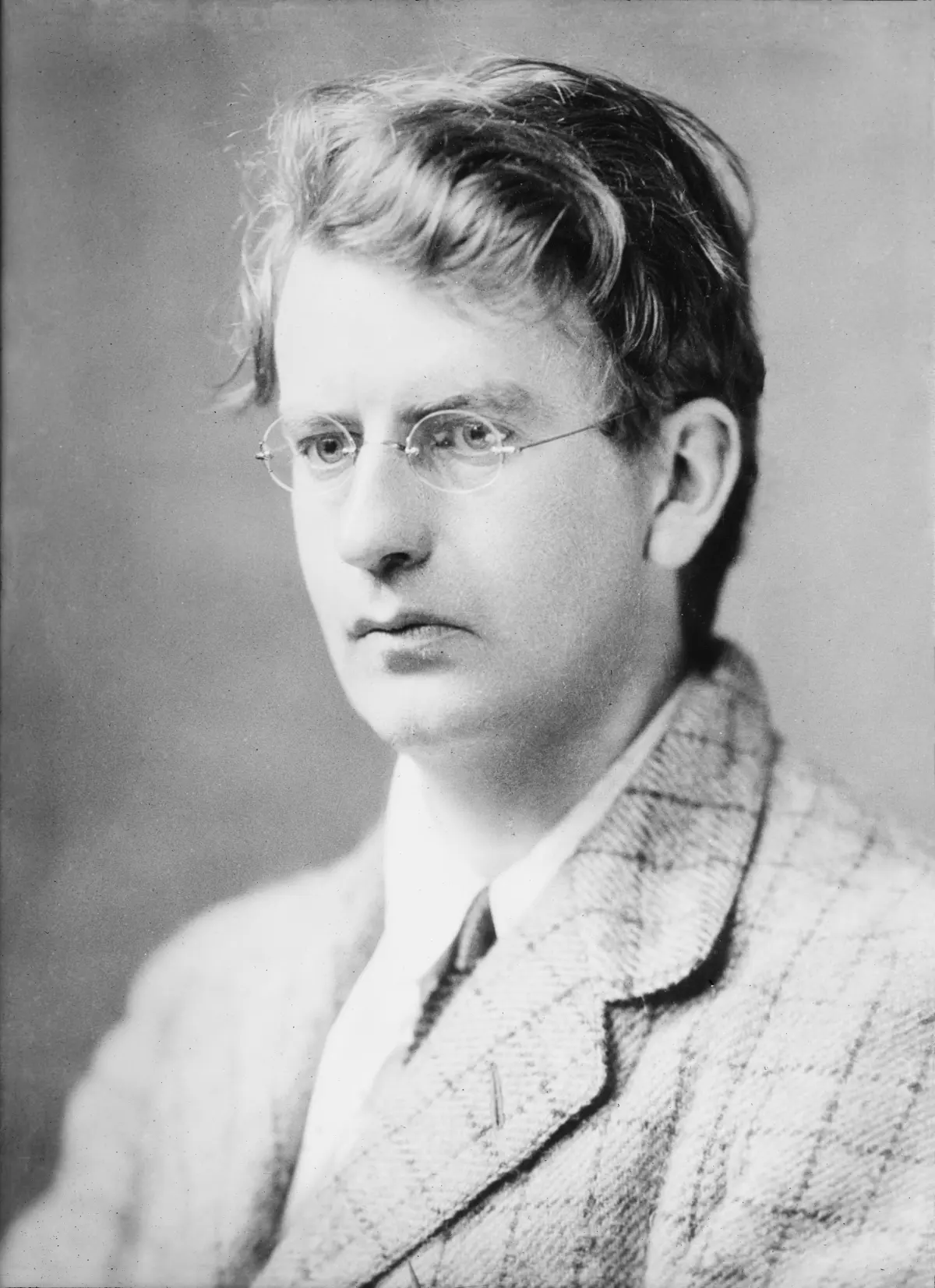
The development of television was a decades-long process involving contributions from various scientists across the globe. In the early 1920s, Scottish engineer John Logie Baird successfully transmitted moving images using a mechanical system involving spinning disks. While his invention was a groundbreaking proof of concept, it relied on moving parts that limited image quality and resolution.
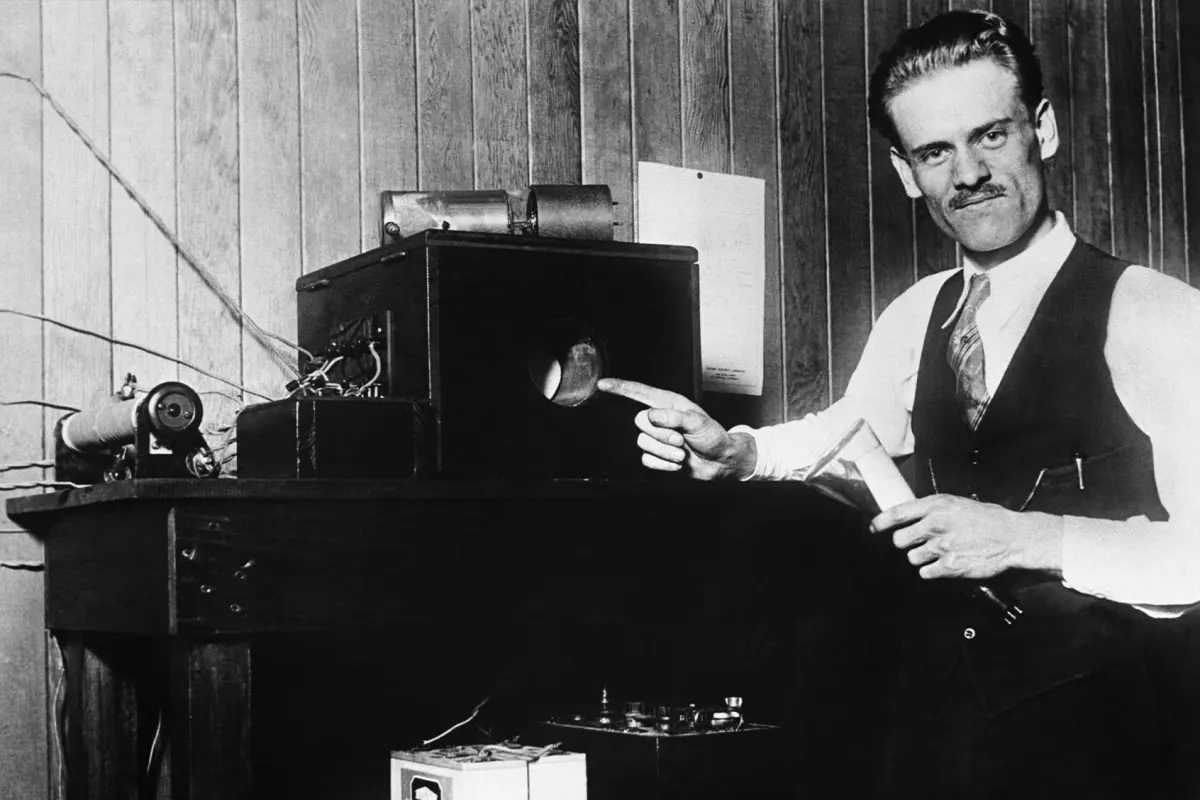
Simultaneously, American inventor Philo Farnsworth was working on an entirely different approach. In 1927, he successfully transmitted a clear image using an electronic system, which replaced mechanical disks with a vacuum tube he called the image dissector. This innovation allowed for much faster image processing and set the standard for the electronic television sets that would eventually populate homes worldwide.
- John Logie Baird: Demonstrated mechanical television in London, 1926.
- Philo Farnsworth: Patented the first electronic television system, 1927.
- Vladimir Zworykin: Developed the iconoscope, a precursor to modern camera tubes.
- Charles Francis Jenkins: Pioneered early radio-based image transmission in the United States.
How did mechanical television work?
Mechanical television operated on the principle of scanning an image using a rotating disk with a spiral pattern of holes. As the disk spun, each hole captured a small portion of the scene, reflecting light onto a photoelectric cell. This cell converted the light variations into electrical signals, which were transmitted to a receiver.
The receiver used a similar spinning disk synchronized with the transmitter to reconstruct the image on a screen. Because the process relied on physical rotation, the frame rate was extremely low, resulting in flickering, low-resolution images. While this method was eventually abandoned in favor of electronic systems, it provided the essential framework for understanding how to break down and reassemble visual information.
- A subject is illuminated in front of a rotating Nipkow disk.
- The disk scans the subject line by line.
- Light intensity is converted into an electrical signal.
- The signal is transmitted via radio waves.
- A receiver disk spins in synchronization to display the image.
Why did electronic television replace mechanical systems?
Electronic television systems offered significant advantages over their mechanical predecessors, primarily because they lacked moving parts. By utilizing cathode ray tubes (CRTs), engineers could manipulate beams of electrons using magnetic fields to scan images at much higher speeds. This shift allowed for higher resolution, smoother motion, and the eventual transition to color broadcasting.
The transition was driven by the need for reliability and clarity. Mechanical disks were prone to wear and tear, and their synchronization was difficult to maintain over long distances. Electronic systems, by contrast, were far more stable and could be mass-produced for the consumer market. This technological leap enabled the rapid expansion of television broadcasting in the post-World War II era, turning the device into a household staple.
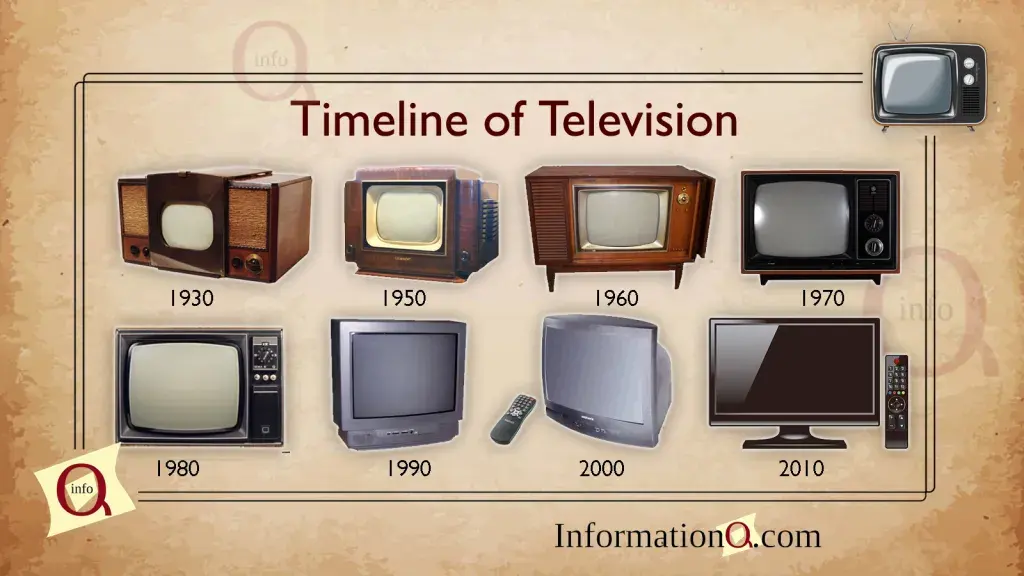
What were the major milestones in television history?
The evolution of television is marked by several critical technological breakthroughs that transformed it from a laboratory curiosity into a global medium. Following the initial demonstrations in the 1920s, the 1930s saw the first regular public broadcasts in the United Kingdom and Germany. These early transmissions were limited to small audiences but proved the viability of the medium for news and entertainment.
After the hiatus caused by World War II, the industry experienced an explosion of growth. The 1950s introduced color television, though it took several more years for color sets to become affordable for the average family. The subsequent decades brought satellite transmission, allowing for live global events, and the eventual transition from analog signals to high-definition digital broadcasting.
- 1926: First public demonstration of moving images by John Logie Baird.
- 1936: The BBC begins the world's first regular high-definition television service.
- 1953: NTSC color standard adopted in the United States.
- 1962: Telstar 1 satellite enables the first live transatlantic television feed.
- 2009: Global shift toward digital television broadcasting begins in earnest.
Common mistakes when studying television history
A frequent error is attributing the invention of television to a single individual, such as Philo Farnsworth or John Logie Baird. In reality, the technology was a collaborative effort involving hundreds of engineers, physicists, and mathematicians. Ignoring the contributions of figures like Vladimir Zworykin or the various teams at companies like RCA often leads to an incomplete understanding of the complex patent battles and corporate rivalries that shaped the industry.
Another common mistake is assuming that television was an overnight success. In truth, the technology faced significant skepticism from the public and investors for many years. It required decades of refinement, infrastructure development, and the creation of compelling content before the television became a dominant force in society. When researching this topic, focus on the interconnectedness of these discoveries rather than searching for a single "eureka" moment that defined the entire medium.
Key facts
- John Logie Baird gave the first public demonstration of a working television system in London on January 26, 1926.
- Philo Farnsworth, an American inventor, successfully transmitted the first all-electronic television image in 1927 at age 21.
- Mechanical television used spinning disks to capture images, while electronic television used cathode ray tubes to scan pictures.
- Vladimir Zworykin, a Russian-born engineer, patented the iconoscope in 1923, which became a foundational component for electronic television.
- The transition from black-and-white to color broadcasting became the industry standard in the United States during the mid-1960s.
- Avoid confusing the invention of the television with the invention of the radio; television requires the simultaneous transmission of audio and visual data.
The bottom line
The invention of television was not a singular event but a collaborative evolution spanning the early 20th century. By combining mechanical scanning methods with electronic vacuum tubes, pioneers like John Logie Baird and Philo Farnsworth transformed how society consumes information. Ultimately, the transition to all-electronic systems provided the clarity and reliability necessary for television to become the dominant global medium for entertainment and news.
People also ask
What was the first television program ever broadcast?
In 1928, the W2XBS station in New York City broadcast a short play titled "The Queen's Messenger." It was a experimental transmission that could only be received by a handful of people with specialized equipment.
Did one person invent the television alone?
No, television was the result of decades of incremental progress by many scientists and engineers. While individuals like Baird and Farnsworth made breakthroughs, they built upon previous discoveries in electricity, radio waves, and light sensitivity.
When did televisions become common in households?
Television ownership surged in the late 1940s and early 1950s following the end of World War II. By 1955, more than half of all American households owned at least one television set.
How does a cathode ray tube work?
A cathode ray tube fires a beam of electrons at a screen coated with phosphor. When the electrons hit the phosphor, it glows, creating the images that viewers see on the screen.
Why did mechanical television fail to become the standard?
Mechanical systems were limited by the physical speed of spinning disks, which prevented high resolution and fast frame rates. Electronic systems proved far more efficient, reliable, and capable of producing clearer, larger images.
When was the first color television sold?
RCA introduced the first commercial color television, the CT-100, in 1954. However, it was extremely expensive and color programming remained rare for another decade.
This answer was created with the help of AI research tools and reference sources. Spotted an error? Let us know — we correct mistakes quickly. See our editorial policy.