Who invented chocolate?
Short answer
No single person invented chocolate. It originated with ancient Mesoamerican cultures, specifically the Olmecs, who processed cacao beans into a bitter beverage around 1500 BCE. Later, the Maya and Aztecs refined these techniques. The modern solid chocolate bar was only developed in the 19th century through European industrial innovation and mechanical processing.
On this page
Who first discovered chocolate?
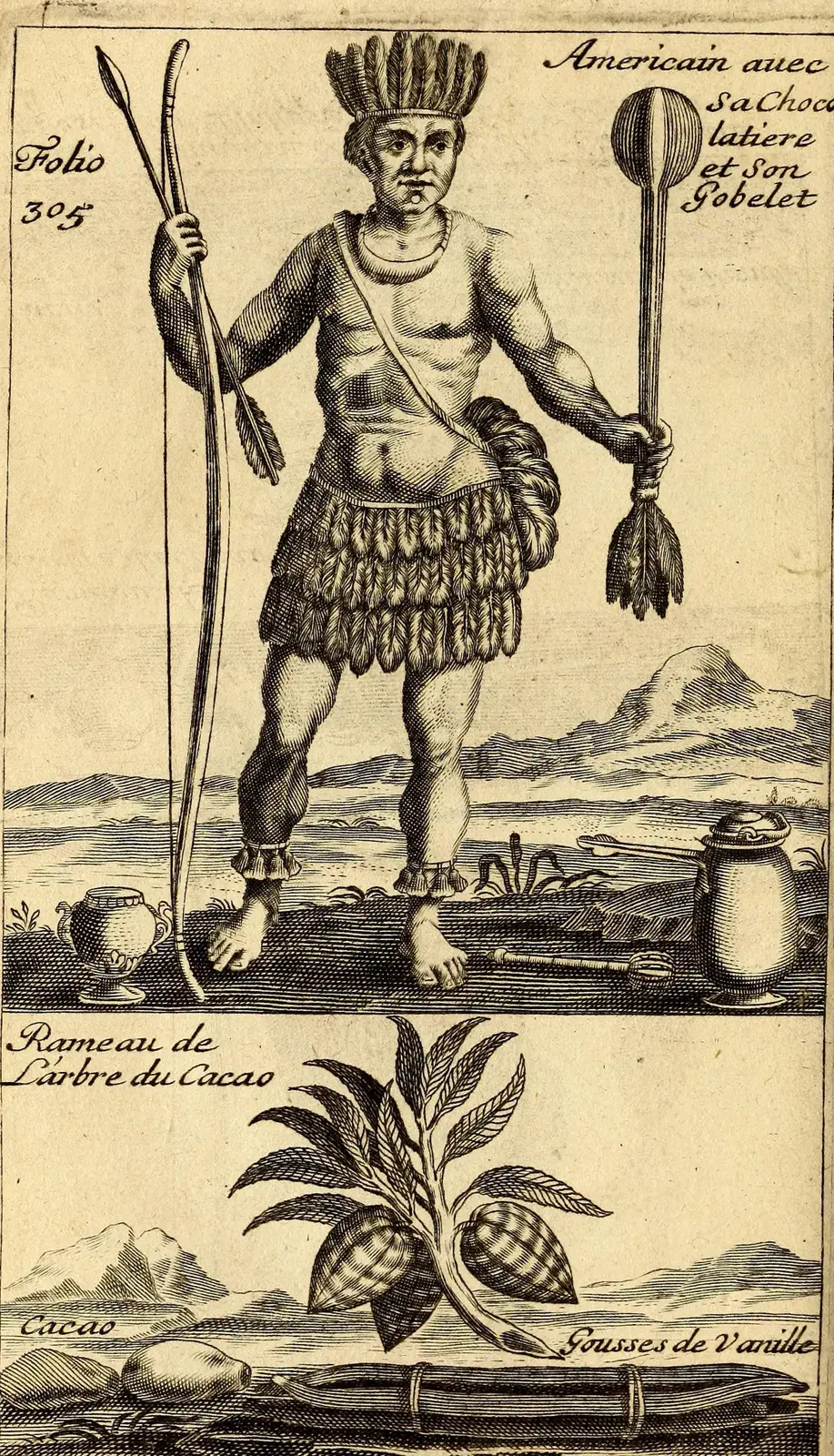
The history of chocolate begins in the tropical rainforests of Central and South America. Archaeological evidence suggests the Olmec civilization, dating back to at least 1500 BCE, was the first to harvest the fruit of the Theobroma cacao tree. They likely discovered that the seeds inside the fruit pods could be fermented, dried, and roasted to produce a flavorful substance. This early version was not the sweet treat known today, but rather a frothy, bitter drink consumed during religious rituals and social gatherings.
The Maya people later elevated cacao to a divine status, incorporating it into their mythology and daily life. They prepared the drink by mixing ground cacao seeds with water, chili peppers, and cornmeal. This mixture was poured back and forth between vessels to create a thick, foamy head. Because cacao was difficult to grow in certain regions, it became a valuable commodity used for trade and even as currency throughout the Mesoamerican world.
How did chocolate change over time?
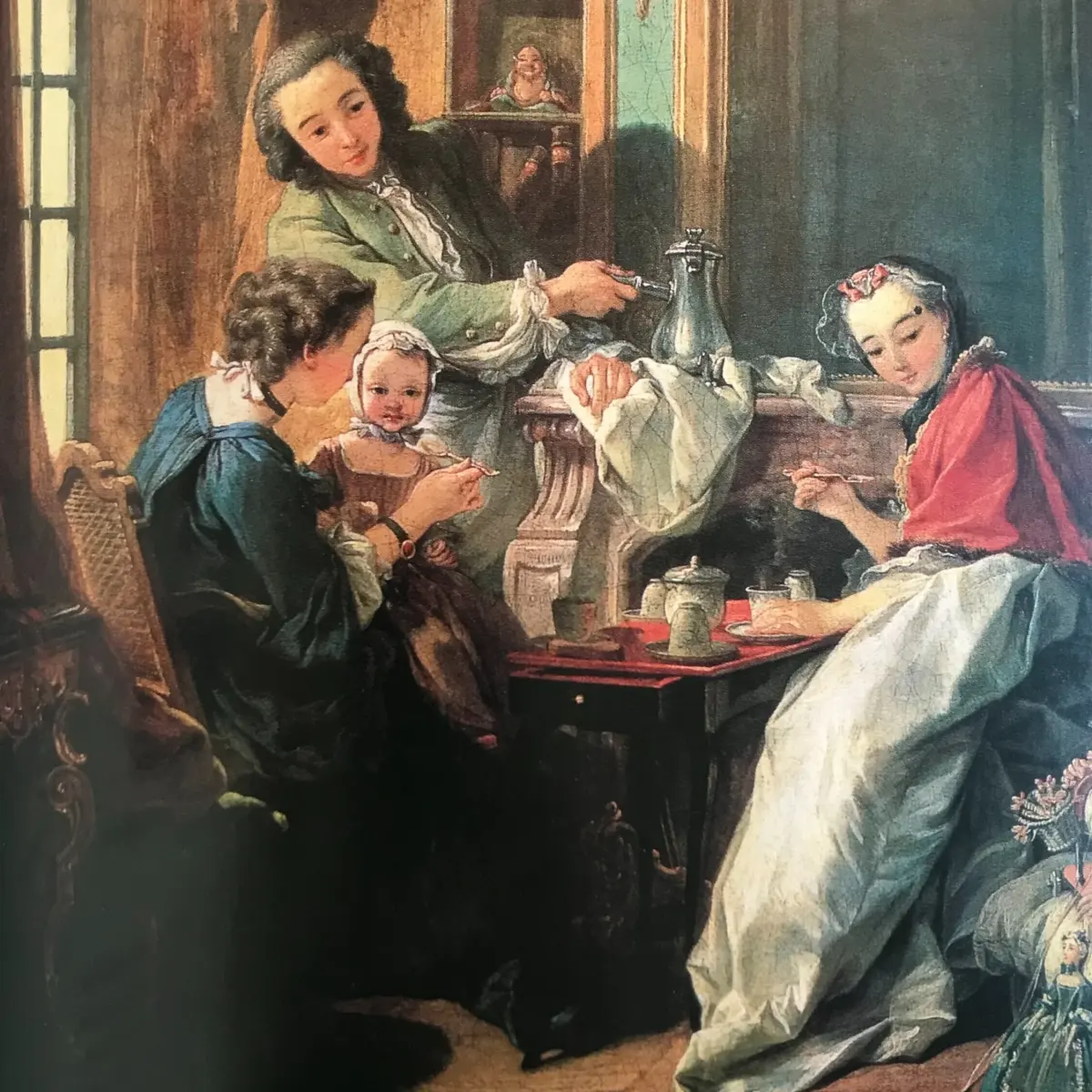
When Spanish explorers arrived in the Americas during the 16th century, they encountered this traditional beverage. Hernán Cortés and other conquistadors brought cacao beans back to Europe, where the drink was gradually adapted to suit local tastes. Europeans began adding sugar, cinnamon, and vanilla to offset the natural bitterness of the cacao. For centuries, chocolate remained an exclusive luxury item enjoyed primarily by the aristocracy and the wealthy elite.
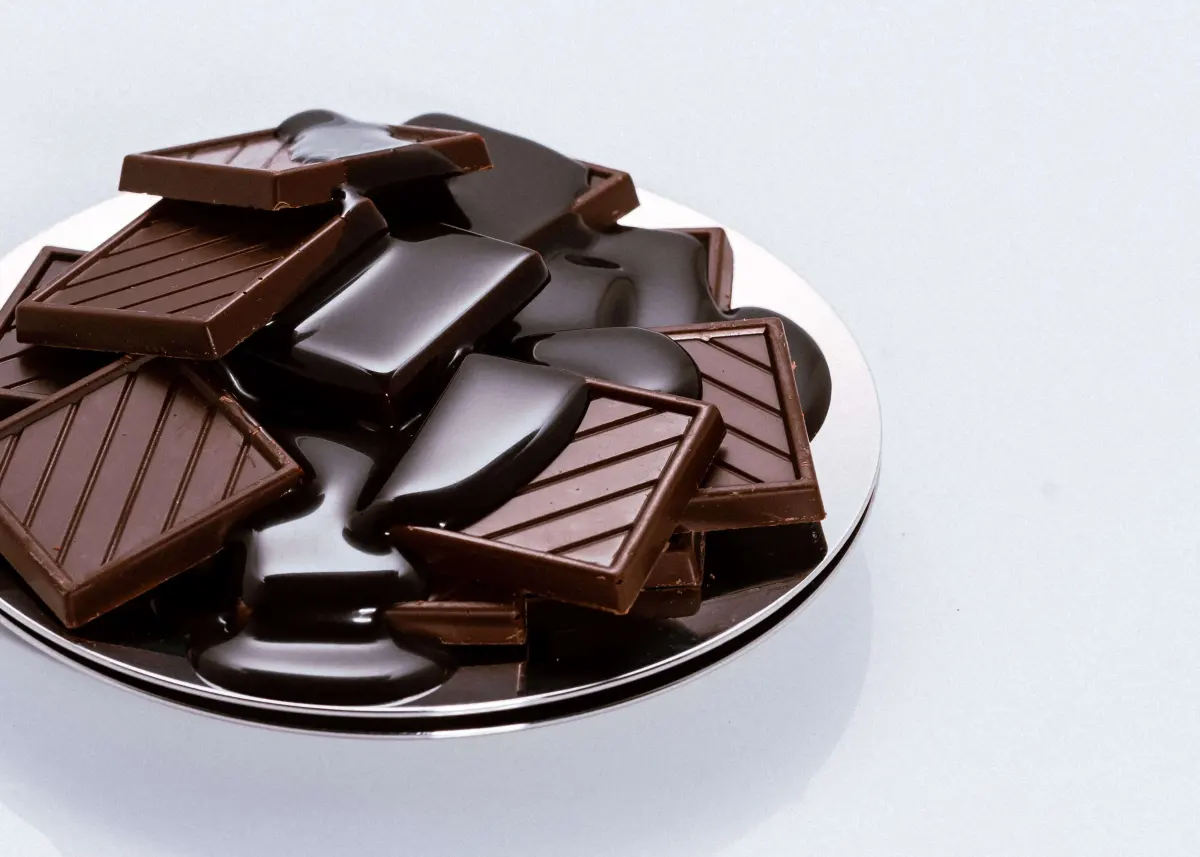
The most significant transformation occurred during the Industrial Revolution. In 1828, Dutch chemist Coenraad van Houten invented the cocoa press, which could separate cocoa butter from the roasted beans. This innovation allowed for the creation of cocoa powder and eventually made it possible to mold chocolate into solid shapes. By the mid-1800s, British chocolatier J.S. Fry created the first edible chocolate bar by mixing cocoa butter back into the processed powder with sugar.
How is chocolate made today?
Modern chocolate production is a complex process that turns raw, bitter seeds into the smooth bars found in grocery stores. The journey involves several critical stages to ensure the desired flavor profile and texture.
- Harvesting: Ripe cacao pods are cut from trees, opened, and the seeds are removed.
- Fermentation: The beans are placed in boxes or under banana leaves for several days to develop their characteristic flavor.
- Drying: The fermented beans are spread in the sun to reduce moisture content before being shipped to manufacturers.
- Roasting and Grinding: Beans are roasted to enhance aroma, then ground into a thick liquid called chocolate liquor.
- Conching: The mixture is agitated and heated for hours or days to refine the texture and remove acidic notes.
Best ways to store chocolate at home
Maintaining the quality of chocolate requires attention to environmental factors, as the fats and sugars are sensitive to heat and humidity. If stored improperly, chocolate can develop "bloom," which appears as a white, dusty film on the surface. While bloom is not harmful to eat, it indicates that the cocoa butter has separated and recrystallized, which ruins the texture and mouthfeel of the product.
- Keep chocolate in a cool, dry place, ideally between 60°F and 70°F.
- Store away from direct sunlight and strong odors, as chocolate easily absorbs surrounding scents.
- Use airtight containers to prevent moisture from affecting the surface.
- Avoid the refrigerator unless you live in an extremely hot climate, as condensation can cause sugar bloom.
- Wrap bars tightly in foil or plastic wrap to maintain freshness after the original packaging is opened.
Common mistakes when working with chocolate
Many home cooks struggle with melting chocolate because it is a temperamental ingredient that reacts poorly to water and high heat. One of the most frequent errors is allowing even a tiny drop of water to enter the bowl during the melting process. This causes the chocolate to "seize," turning it into a grainy, clumpy mess that cannot be smoothed out. If this happens, the chocolate is usually ruined for dipping or coating purposes.
Another mistake is using excessive heat, which can scorch the delicate cocoa solids. Always use a double boiler or a microwave set to low power, stirring frequently to ensure even heat distribution. If you are attempting to temper chocolate for professional-looking results, you must monitor the temperature precisely with a digital thermometer. Failing to reach the correct temperature ranges prevents the cocoa butter from forming stable crystals, resulting in a dull finish and a soft, melting texture rather than a crisp, satisfying snap.
Key facts
- The Olmec civilization of ancient Mesoamerica is credited with the earliest consumption of cacao, dating back to approximately 1500 BCE.
- Ancient Mayans and Aztecs consumed chocolate as a bitter, frothy beverage infused with chili peppers, vanilla, and cornmeal.
- The scientific name for the cacao tree, Theobroma cacao, translates from Greek to "food of the gods."
- In 1828, Dutch chemist Coenraad van Houten invented the cocoa press, which separated cocoa butter from solids, paving the way for solid chocolate.
- Joseph Fry created the first modern chocolate bar in 1847 by mixing cocoa butter, cocoa powder, and sugar.
- To store chocolate properly, keep it in a cool, dry place between 60°F and 70°F, away from strong odors, as fat absorbs surrounding scents.
The bottom line
While no single person invented chocolate, the evolution from a bitter Mesoamerican ritual drink to the modern solid bar reflects centuries of innovation. Ancient civilizations first cultivated the cacao bean, but 19th-century European chemists revolutionized its texture and composition. Today, chocolate remains a complex blend of science and craftsmanship, requiring careful handling to maintain its quality, flavor, and smooth finish for the consumer to enjoy.
People also ask
Why did ancient cultures drink chocolate instead of eating it?
Cacao beans were originally processed into a liquid because the technology to extract and refine cocoa butter into a stable solid did not exist until the 19th century. The drink was considered a sacred, energizing tonic rather than a sweet confection.
Who added milk to chocolate to create milk chocolate?
Swiss chocolatier Daniel Peter is credited with inventing milk chocolate in 1875. He collaborated with Henri Nestlé to use condensed milk to stabilize the mixture, creating a smoother texture than previous dark chocolate iterations.
Is white chocolate actually chocolate?
Technically, white chocolate is a derivative of the cacao bean because it contains cocoa butter. However, it lacks the cocoa solids that give dark and milk chocolate their characteristic color and deep flavor profile.
What is the difference between cocoa and cacao?
Cacao refers to the raw, unprocessed beans or the tree itself, often marketed as a "superfood." Cocoa refers to the beans that have been roasted and processed at high temperatures, which is the standard form used in baking and confectionery.
How can I tell if my chocolate has gone bad?
If chocolate develops a white, dusty film, it is likely experiencing "bloom," which is just separated cocoa butter or sugar crystals. It is still safe to eat, but if the chocolate smells rancid or has an oily texture, the fats have likely oxidized and it should be discarded.
Why is chocolate toxic to dogs?
Chocolate contains theobromine and caffeine, both of which are stimulants that dogs cannot metabolize efficiently. Darker chocolates and baking cocoa contain higher concentrations of these compounds, posing a greater risk of toxicity than milk chocolate.
This answer was created with the help of AI research tools and reference sources. Spotted an error? Let us know — we correct mistakes quickly. See our editorial policy.