What do penguins eat?
Short answer
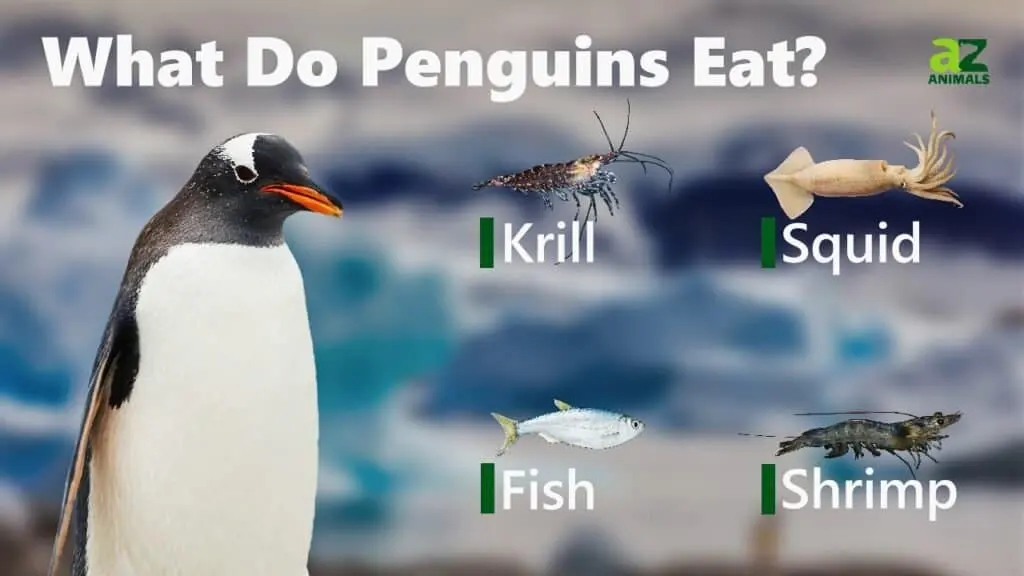
Penguins are carnivorous marine predators that primarily consume fish, krill, and squid. Their specific diet depends on their species, geographic location, and the seasonal availability of prey. While smaller species like Adélie penguins favor tiny crustaceans, larger species such as the Emperor penguin frequently hunt for silverfish and various cephalopods in deep waters.
On this page
What do penguins eat in the wild?
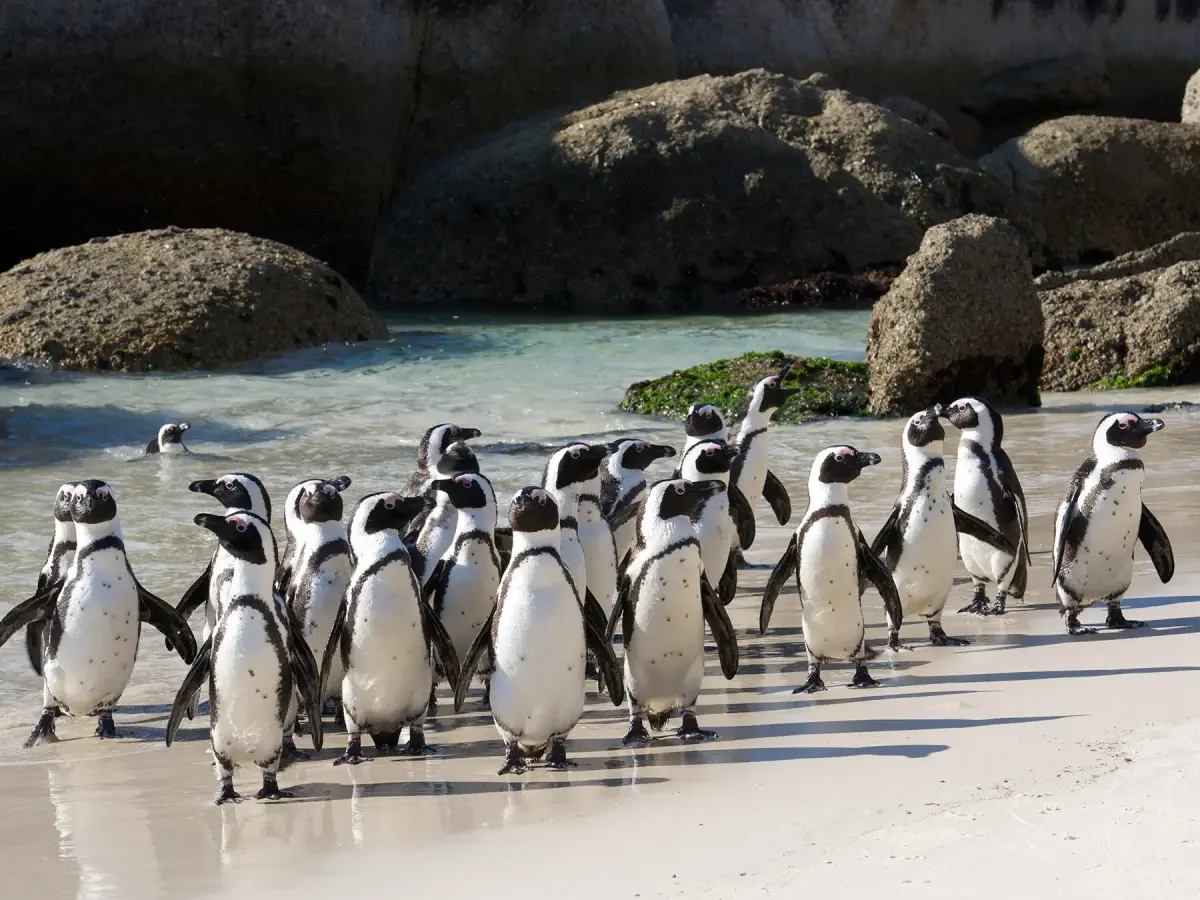
Penguins are opportunistic feeders that rely on the nutrient-rich waters of the Southern Hemisphere. Their diet is dictated by the size of the bird and the local marine ecosystem. Most species are generalists, meaning they will consume whatever prey is most abundant within their hunting range. This flexibility allows them to survive in harsh environments ranging from the icy Antarctic shelf to the temperate coasts of South Africa and South America.
The primary components of a penguin's diet include:
- Antarctic krill: Small, shrimp-like crustaceans that serve as a foundational food source for many species.
- Silverfish and lanternfish: Common schooling fish that provide essential fats and proteins.
- Squid and cuttlefish: Cephalopods that are often consumed by larger penguin species during deep-sea foraging dives.
- Amphipods: Tiny, flea-like crustaceans sometimes eaten by smaller penguins when fish are scarce.
How do penguins catch their food?
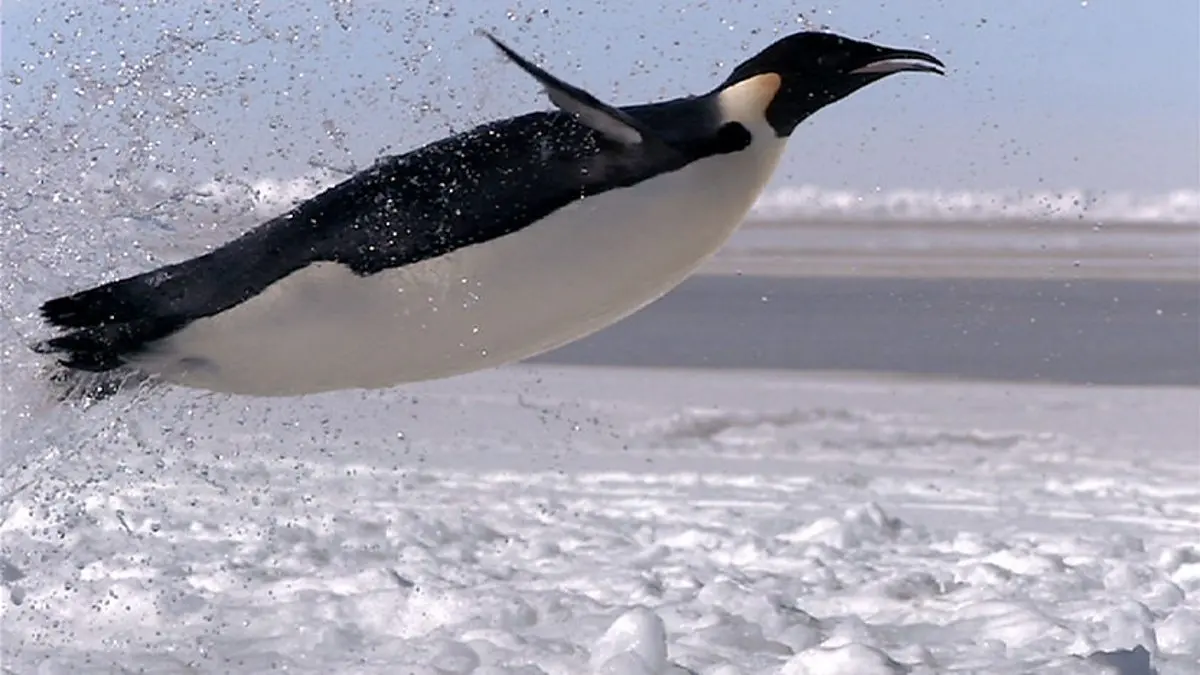
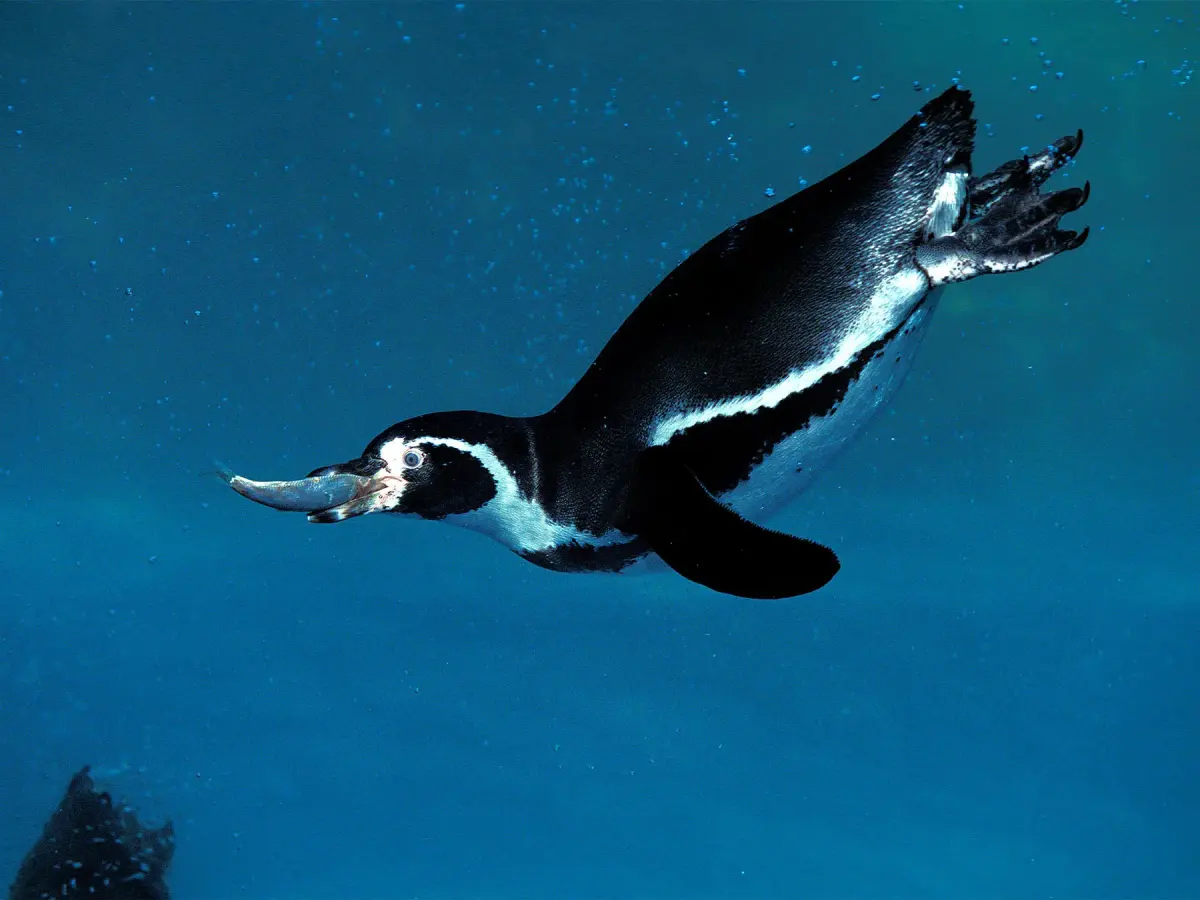
Penguins are highly specialized swimmers equipped with streamlined bodies and powerful flippers that act as underwater wings. They hunt by diving into the water, often reaching depths of several hundred feet to track schools of prey. Once they locate a target, they use their sharp, hooked beaks to grasp slippery fish or squid. Their tongues are also covered in backward-facing barbs, which act as a conveyor belt to ensure that captured prey cannot escape while the bird is swallowing.
To maximize their hunting efficiency, penguins often employ specific strategies:
- Visual tracking: Penguins use their excellent underwater vision to spot the silhouettes of fish against the surface light.
- Cooperative hunting: Some species, such as the Gentoo penguin, may hunt in loose groups to corral schools of fish into tighter formations.
- Rapid ingestion: They typically swallow their prey whole while still underwater, which prevents other predators from stealing their catch.
Why do penguins migrate for food?
Seasonal changes in sea ice coverage and ocean temperatures significantly impact the availability of prey. During the winter months, when sea ice expands, many penguin species must travel long distances to reach open water where food is accessible. This migration is a survival necessity, as the dense ice cover blocks their access to the krill and fish that congregate in the upper water columns.
The timing of these movements is critical for the survival of their chicks. Adult penguins must balance their own nutritional needs with the requirement to return to breeding colonies to regurgitate food for their young. If the migration is delayed or if prey populations shift due to changing ocean currents, the reproductive success of the entire colony can be severely compromised. This reliance on migratory prey makes penguins highly sensitive indicators of overall ocean health.
Common mistakes when observing penguin feeding
Observers often misunderstand the feeding habits of penguins, leading to inaccurate assumptions about their behavior. One common mistake is assuming that penguins require a varied diet every day. In reality, penguins are often specialists during specific times of the year, consuming massive quantities of a single prey type, such as krill, to build up fat reserves before molting or breeding. Another error is believing that penguins drink freshwater; they actually possess a specialized gland above their eyes that filters salt from seawater, allowing them to drink it safely while hunting.
When attempting to observe or study penguin feeding in the wild, avoid these pitfalls:
- Getting too close: Approaching a colony can cause stress and disrupt the delicate cycle of feeding and chick-rearing.
- Feeding the birds: Never offer human food to wild penguins, as it can cause digestive issues and disrupt their natural hunting instincts.
- Misinterpreting behavior: Do not mistake a penguin’s social grooming or resting on ice for a lack of activity; these birds are often conserving energy for their next high-intensity hunting dive.
How do penguins digest their prey?
The digestive system of a penguin is remarkably efficient, designed to process high volumes of protein and fat quickly. Because they swallow their prey whole, their stomach must handle bones, shells, and scales. They possess a muscular gizzard that helps grind down harder parts of the prey, such as the chitinous beaks of squid. This process ensures that they extract the maximum amount of energy from every meal, which is vital for maintaining their high metabolism in freezing climates.
Nutrient absorption is so effective that penguins can go for long periods without eating, particularly during the molting season or when brooding eggs. During these times, they rely entirely on the fat stores accumulated during their peak hunting months. This biological adaptation is essential for their survival, as it allows them to remain on land for weeks at a time while protecting their young from predators and the elements. By effectively managing their internal energy reserves, penguins remain one of the most successful avian predators in the world's most challenging marine environments.
Key facts
- Penguins are carnivores that feed exclusively on marine life, primarily fish, krill, and squid.
- The specific diet of a penguin species depends largely on its geographic location and the depth at which it hunts.
- Adélie and chinstrap penguins rely heavily on Antarctic krill, a small, shrimp-like crustacean that forms the base of the Southern Ocean food web.
- Emperor penguins are deep divers that often target silverfish and Antarctic toothfish to sustain themselves during harsh winters.
- Penguins do not drink fresh water; they ingest seawater and use a specialized supraorbital gland to filter out excess salt.
- A common mistake is assuming all penguins eat the same diet, but species like the Galápagos penguin hunt small tropical fish rather than cold-water krill.
The bottom line
Penguins are specialized marine predators that sustain themselves on a diet of krill, fish, and squid. Their hunting habits are dictated by their specific environment, ranging from the icy waters of the Antarctic to tropical coastal zones. By swallowing prey whole and utilizing unique biological glands to process seawater, penguins have evolved to thrive in some of the most challenging aquatic habitats on the planet.
People also ask
Do penguins eat plants or seaweed?
No, penguins are strictly carnivorous. They lack the digestive anatomy required to process plant matter and obtain all their necessary nutrients from marine prey.
How much food does a penguin eat in a day?
Consumption varies by season and species, but a penguin may eat between 10% and 30% of its body weight in a single day. During molting or breeding seasons, they may fast for weeks and rely on stored fat reserves.
Do penguins have teeth to chew their food?
Penguins do not have teeth, but they possess backward-facing, fleshy spines called papillae inside their mouths and throats. These structures help them grip slippery prey like fish and squid so they can swallow them whole.
How deep do penguins dive to find food?
Diving depth depends on the species, with the Emperor penguin holding the record by diving over 500 meters deep. Smaller species like the Little Blue penguin usually hunt in much shallower waters near the surface.
Do penguins compete with whales for food?
Yes, many penguin species compete directly with baleen whales, seals, and seabirds for the same stocks of krill and small fish. This competition is a natural part of the Antarctic ecosystem's balance.
Can penguins hunt in the dark?
Many penguins hunt during the day using their excellent vision, but some species can hunt in low-light conditions. They use a combination of sight and vibration-sensing to track prey in the dim waters of the deep ocean.
This answer was created with the help of AI research tools and reference sources. Spotted an error? Let us know — we correct mistakes quickly. See our editorial policy.