What do lobsters eat?
Short answer
Lobsters are opportunistic omnivores that consume a wide variety of marine life. Their diet primarily consists of mollusks, crustaceans, worms, and small fish. They also scavenge for decaying organic matter and occasionally consume marine vegetation. By foraging on the seafloor, lobsters play a vital role in maintaining the health of ocean ecosystems.
On this page
What do wild lobsters eat in the ocean?
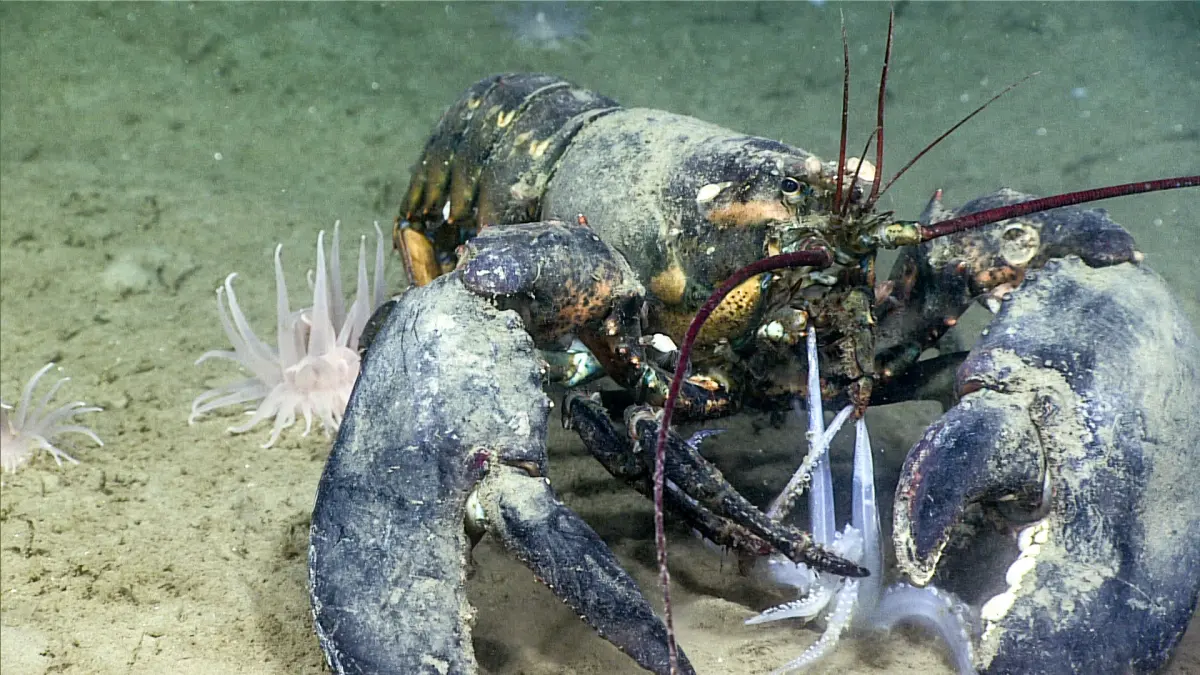
In their natural habitat, lobsters are primarily bottom-dwelling scavengers and predators. They utilize their highly developed sense of smell and taste to locate food sources hidden within the sediment or tucked into rocky crevices. While they are often perceived as scavengers, they are active hunters that prefer fresh prey when available. Their diet is largely determined by the specific ecosystem they inhabit, ranging from the cold waters of the North Atlantic to warmer tropical reefs.
The primary components of a wild lobster's diet include:
- Clams, mussels, and other bivalve mollusks.
- Smaller crustaceans such as crabs and shrimp.
- Marine worms, such as polychaetes.
- Echinoderms like sea urchins and sea stars.
- Small, slow-moving fish or injured marine life.
- Various species of algae and sea grasses.
By consuming these diverse organisms, lobsters act as a natural cleanup crew for the ocean floor. They help regulate the populations of smaller invertebrates, which prevents any single species from overpopulating and damaging the local habitat. This dietary flexibility allows them to survive in fluctuating environmental conditions where specific food sources might become scarce.
How do lobsters hunt and forage?
Lobsters possess specialized anatomical features that make them efficient foragers. They use their long, sensitive antennae to detect chemical signals in the water, which helps them track down prey from significant distances. Once they locate food, they use their powerful claws—the crusher claw for breaking shells and the cutter claw for shearing flesh—to process their meal. Their mouthparts are equally specialized, featuring sharp appendages that grind food into smaller, digestible pieces before it enters the digestive tract.
The foraging process generally follows these steps:
- Detection: The lobster senses chemical cues or vibrations from potential prey using its antennae and sensory hairs.
- Approach: The lobster moves toward the source, often using the cover of darkness to avoid larger predators.
- Capture: Using its claws, the lobster pins the prey to the seafloor to prevent escape.
- Consumption: The lobster uses its cutter claw to tear the prey apart and its mouthparts to ingest the soft tissues.
This hunting strategy is highly effective, allowing the lobster to exploit food sources that other predators might find inaccessible. Because they are nocturnal, much of this feeding activity occurs under the cover of night, which minimizes their exposure to larger fish and marine mammals.
What do lobsters eat in captivity?
When lobsters are kept in research facilities, public aquariums, or commercial holding tanks, their diet must be carefully managed to ensure health and growth. Captive lobsters are typically fed a combination of high-protein pellets and fresh seafood to mimic their natural nutritional intake. Providing a varied diet is essential because lobsters in tanks lack the ability to forage for themselves, which can lead to nutritional deficiencies if they are fed only one type of food.
Common feeding practices in controlled environments include:
- Providing frozen squid, shrimp, or fish pieces several times per week.
- Utilizing sinking commercial pellets designed specifically for crustaceans to ensure they reach the bottom.
- Supplementing with calcium-rich foods to support the molting process.
- Removing uneaten food immediately to prevent water quality degradation.
Maintaining water quality is just as important as the food itself. Leftover organic matter decomposes quickly, releasing ammonia and nitrites into the water, which can be fatal to lobsters. Staff must monitor the tank environment closely to ensure that the lobster is consuming its meals and that no debris remains to foul the filtration system.
Common mistakes when feeding lobsters
One of the most frequent errors made by those keeping lobsters is overfeeding. Because lobsters are opportunistic, they will often consume more than they need if food is readily available. This leads to rapid accumulation of waste in the tank, which creates a toxic environment. Another mistake is providing food that is too large for the lobster to handle or that lacks the necessary nutrients for shell development. Without sufficient calcium and minerals, a lobster may struggle to form a new, hardened exoskeleton after molting.
To avoid these common pitfalls, follow these guidelines:
- Feed small portions rather than one large meal to ensure all food is consumed.
- Use tongs to deliver food directly to the lobster to ensure it receives its share.
- Research the specific species, as tropical lobsters have different nutritional requirements than cold-water species.
- Test water parameters weekly to ensure that feeding habits are not negatively impacting the tank chemistry.
By avoiding these mistakes, keepers can significantly extend the lifespan of their animals. Consistency and observation are the most effective tools for maintaining a healthy captive lobster.
Why diet affects the molting process
The molting process, or ecdysis, is the most critical time in a lobster's life, and it is directly linked to their nutritional intake. Before a lobster sheds its old shell, it must build up energy reserves and store minerals. If the lobster has not consumed enough high-quality protein and calcium, it may fail to shed its shell properly or be unable to harden its new one. This leaves the lobster soft, vulnerable, and unable to protect itself from predators or even other lobsters.
Dietary influence on molting includes:
- Protein intake: Essential for tissue growth and muscle regeneration during the soft-shell phase.
- Calcium and phosphorus: Critical for the rapid calcification of the new exoskeleton.
- Energy storage: Lobsters store lipids in their digestive gland, which provides the energy needed to push out of the old shell.
If a lobster is malnourished, the molting cycle may be delayed or interrupted, often resulting in death. Ensuring a balanced diet is therefore not just about daily health, but about providing the biological resources necessary for the lobster to grow and survive throughout its long life.
Key facts
- Lobsters are opportunistic omnivores that primarily consume small invertebrates like crabs, clams, mussels, and sea urchins.
- They act as scavengers on the ocean floor, feeding on decaying organic matter to help clean their marine ecosystem.
- Larval lobsters eat tiny floating organisms called zooplankton while drifting near the water's surface.
- Adult lobsters possess strong claws capable of crushing shells, allowing them to access the soft meat inside.
- In captivity, lobsters are often fed high-protein pellets or fish scraps to ensure rapid growth and health.
- Avoid overfeeding pet lobsters, as uneaten food quickly decays and creates toxic ammonia levels in the water.
The bottom line
Lobsters are essential marine scavengers that maintain ocean health by consuming a diverse diet of invertebrates, decaying matter, and occasional plant life. By utilizing specialized chemical sensors and powerful crushing claws, they efficiently process their food sources. Whether in the wild or in a tank, providing a balanced, protein-rich diet is critical for their growth, while careful management of feeding frequency prevents harmful water pollution.
People also ask
Do lobsters eat other lobsters?
Yes, lobsters are cannibalistic, especially when food is scarce or when they are confined in high-density environments. They are most vulnerable to being eaten by others immediately after molting, when their new shells are soft.
How do lobsters find their food in the dark?
Lobsters rely on highly sensitive chemoreceptors located on their antennae and small hairs on their legs to detect chemical signals. These sensors allow them to track the scent of prey across the ocean floor even in complete darkness.
Do lobsters eat plants?
While they prefer animal protein, lobsters occasionally consume marine vegetation, including algae and eelgrass. These plant materials provide necessary roughage and nutrients that supplement their primary meat-based diet.
How much do lobsters eat per day?
A lobster’s consumption depends on its size, age, and water temperature, as they are cold-blooded and their metabolism fluctuates. Generally, an adult lobster may consume food equal to 1% to 3% of its body weight daily.
Do lobsters have teeth?
Lobsters do not have teeth in their mouths, but they possess a "gastric mill" located inside their stomachs. This structure consists of three grinding surfaces that mechanically crush food before it is digested.
How often do lobsters need to eat?
In the wild, lobsters feed whenever they encounter suitable prey, which may be several times a day. If kept in an aquarium, feeding them once every two or three days is usually sufficient for adult specimens.
This answer was created with the help of AI research tools and reference sources. Spotted an error? Let us know — we correct mistakes quickly. See our editorial policy.