How do seeds grow?
Short answer
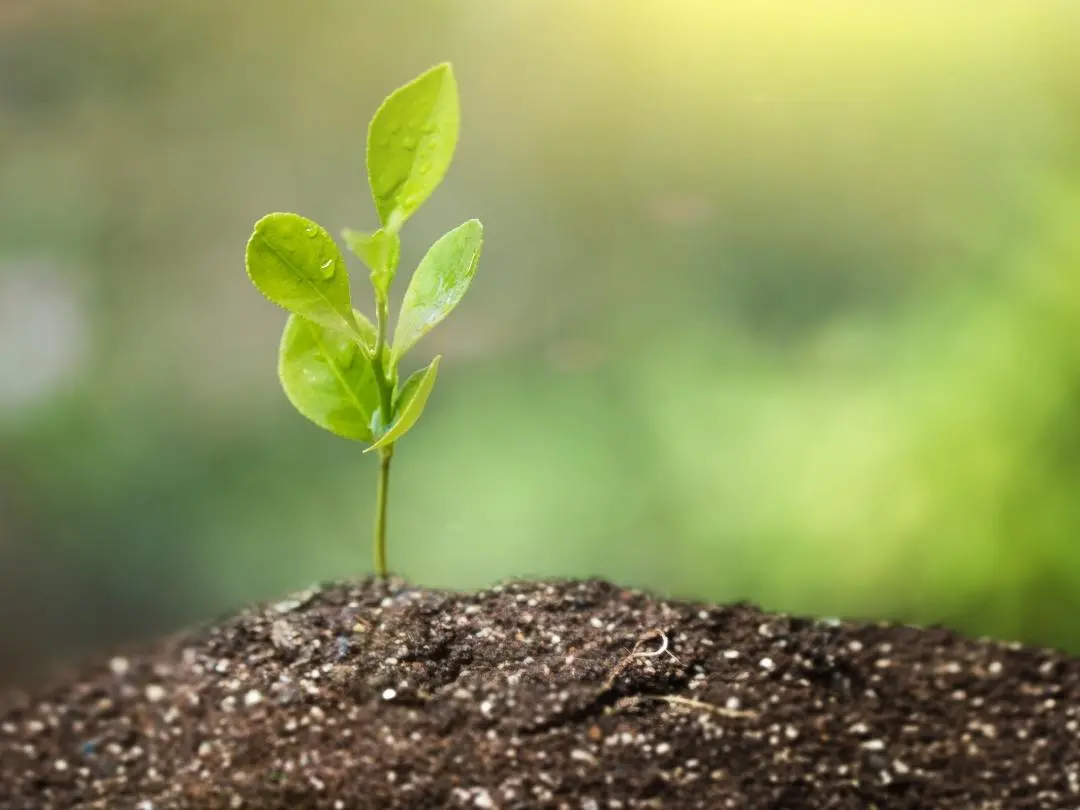
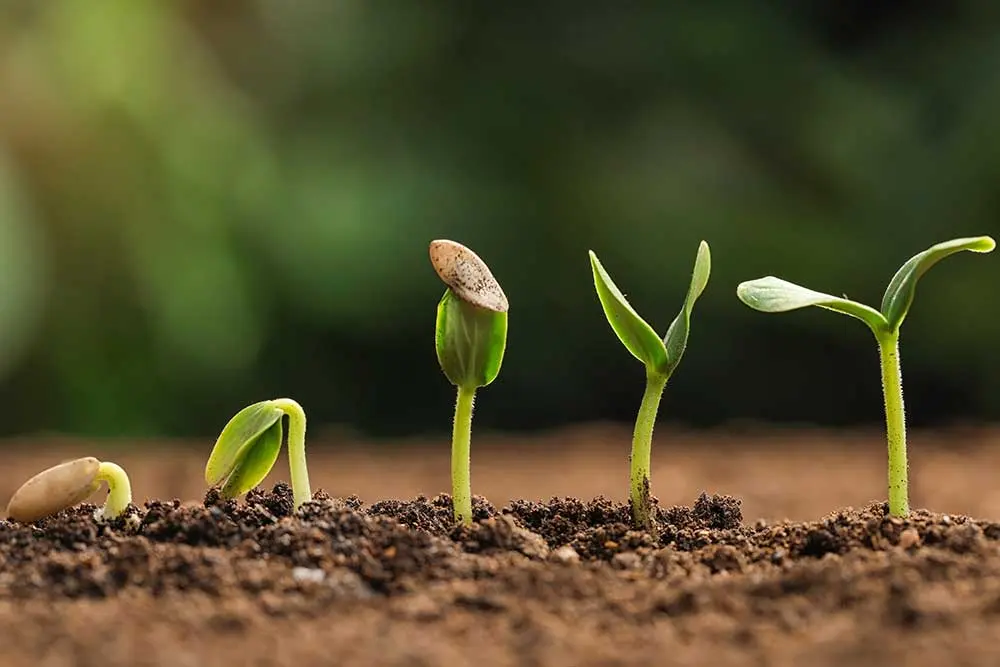
Seeds grow through a process called germination, triggered by water, oxygen, and appropriate temperatures. Once the seed coat softens, the embryo absorbs moisture and activates internal enzymes. A root emerges first to anchor the plant, followed by a shoot that pushes upward toward light to begin photosynthesis and independent development.
On this page
What triggers seed germination?
Germination is the biological process by which a dormant seed begins to develop into a new plant. This transition requires a specific combination of environmental cues, primarily moisture, oxygen, and temperature. When a seed is dry, it remains in a state of suspended animation, protected by a tough outer shell known as the seed coat. Once water permeates this shell, the seed swells, activating metabolic processes that were previously inactive.
Oxygen is equally critical during this phase because the embryo requires energy to grow before it can produce its own food. If the soil is too compacted or waterlogged, the seed may suffocate and rot before it can sprout. Temperature also acts as a biological clock; most seeds have a specific range in which they thrive. If the environment is too cold, the chemical reactions necessary for growth occur too slowly, while extreme heat can damage the delicate proteins inside the embryo.
How long does it take to sprout?
The time required for a seed to sprout varies significantly based on the plant species, soil quality, and ambient climate. Some fast-growing seeds, such as radishes or beans, can show signs of life within three to five days under optimal conditions. Conversely, many perennial flowers or trees may take several weeks or even months to break dormancy. Understanding the specific requirements of your chosen plant is essential for managing expectations during the initial stages of cultivation.
Factors influencing the speed of germination include:
- Seed viability: Older seeds often have lower success rates and slower growth.
- Soil temperature: Consistent warmth generally accelerates the metabolic rate of the embryo.
- Seed depth: Planting too deep forces the seedling to exhaust its energy stores before reaching the surface.
- Moisture consistency: Fluctuations between dry and wet soil can interrupt the delicate hormonal signals required for the root to emerge.
How to plant seeds for beginners
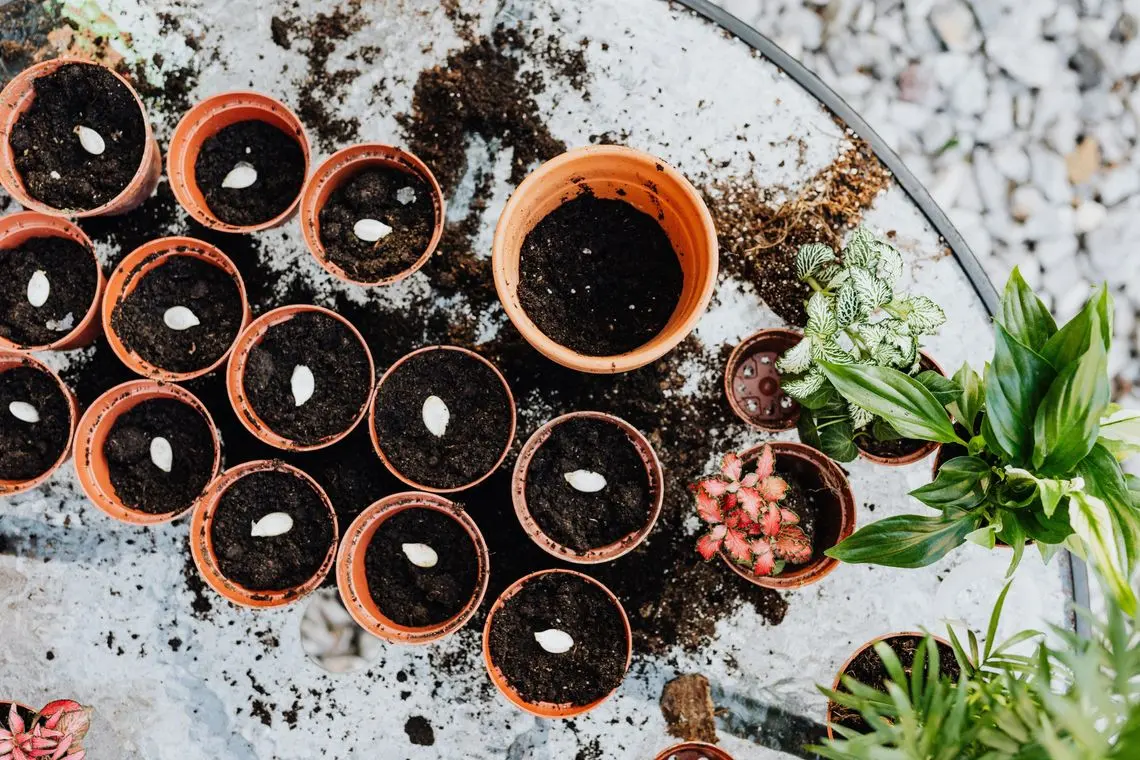
Successfully starting a garden begins with proper preparation and attention to detail. Whether you are planting in containers or directly into the ground, the medium must be loose, well-draining, and free of large debris. For indoor starting, use a sterile seed-starting mix rather than heavy garden soil, which can harbor pathogens or pests. Ensure your containers have drainage holes to prevent the buildup of excess water, which is the primary cause of seedling failure.
Follow these steps for consistent results:
- Fill your container with moist, pre-wetted seed-starting mix, leaving about half an inch of space at the top.
- Place the seeds on the surface or at the depth recommended on the packet, as some seeds require light to germinate.
- Cover the seeds lightly with soil or vermiculite and press down gently to ensure good contact.
- Mist the surface with water and cover the container with plastic wrap to maintain high humidity.
- Place the tray in a warm location, away from direct sunlight until the first green shoots appear.
Why seedlings fail to thrive
Even when a seed successfully sprouts, it faces several challenges that can hinder its development into a mature plant. One common issue is "leggy" growth, where the seedling becomes thin, pale, and overly tall. This happens when the plant does not receive enough light, causing it to stretch desperately in search of a better environment. Once a seedling has reached this state, it is often weak and unlikely to recover fully, even if moved to a brighter location later.
Another major threat is "damping off," a fungal infection that causes the stem to turn mushy and collapse at the soil line. This is almost always caused by poor air circulation and overly damp soil. To prevent this, ensure that your seedlings have adequate ventilation and avoid overcrowding them in their trays. If you notice mold growing on the surface of the soil, reduce watering immediately and increase airflow to dry out the top layer of the growing medium.
Common mistakes when growing seeds
The most frequent error gardeners make is overwatering, which creates an anaerobic environment that kills the embryo. While seeds need moisture to start, they do not need to be submerged in water. Another frequent mistake is planting seeds at the wrong time of year. Many gardeners are eager to start in late winter, but without supplemental grow lights or heat mats, the seedlings will struggle to survive the low light levels and cold temperatures of the indoor environment.
To avoid these common pitfalls, keep these guidelines in mind:
- Do not let the soil dry out completely, as this can kill a developing root tip.
- Avoid using garden soil for indoor pots, as it is too dense for small roots to penetrate easily.
- Label your containers clearly, as it is easy to forget which seeds were planted in which tray after a few days.
- Gradually "harden off" indoor-grown seedlings by exposing them to outdoor conditions for a few hours each day before transplanting them permanently.
- Ensure that you provide adequate space for root development by thinning out crowded seedlings early in the process.
Key facts
- A seed contains an embryo, a food supply called the endosperm, and a protective outer layer known as the seed coat.
- Germination requires three primary triggers: water for hydration, oxygen for respiration, and the correct temperature range.
- The radicle, or embryonic root, is the first part to emerge from the seed, anchoring the plant and absorbing moisture.
- Many seeds remain dormant for years until specific environmental conditions, such as fire or cold stratification, break their internal inhibitors.
- Planting seeds too deep is a common mistake; a general rule is to bury a seed no deeper than two to three times its width.
- Light-dependent seeds, such as lettuce or petunias, must be sown on the soil surface because they require exposure to light to trigger growth.
The bottom line
Successful seed germination is a delicate balance of biology and environment. By providing the correct moisture, temperature, and depth, you trigger the embryo to break its dormancy. Whether you are gardening indoors or outdoors, understanding the specific needs of your chosen species is essential. With patience and attention to these environmental cues, you can effectively transform a tiny, dormant seed into a thriving, living plant.
People also ask
Why do some seeds fail to sprout even when watered?
Seeds may fail to sprout if they are too old, were stored in high humidity, or were planted in soil that is too cold or compacted. Poor drainage can also lead to rot before the embryo has a chance to emerge.
How long can a seed stay viable in storage?
Viability varies significantly by species; while some seeds like willow only last a few days, others like the lotus can remain viable for centuries. Most vegetable seeds remain productive for two to five years if stored in a cool, dry, and dark environment.
Do all seeds need sunlight to germinate?
No, many seeds actually require darkness to germinate and will be inhibited by light exposure. Always check the specific requirements for your plant species, as some need surface sowing while others must be buried deep.
What is the purpose of soaking seeds before planting?
Soaking hard-coated seeds in water for 12 to 24 hours helps soften the outer shell and speeds up the hydration process. This technique, known as scarification, is particularly useful for large seeds like beans or peas.
Can seeds grow in materials other than soil?
Yes, seeds can germinate in inert media like vermiculite, perlite, or even damp paper towels. These materials provide moisture and oxygen but lack nutrients, so the seedling must be transplanted once it develops its first set of true leaves.
Why do some seeds need a period of cold before they grow?
This process, called stratification, mimics winter conditions to prevent seeds from germinating during a brief mid-winter thaw. It ensures the plant only begins growing when spring temperatures consistently remain warm enough for survival.
This answer was created with the help of AI research tools and reference sources. Spotted an error? Let us know — we correct mistakes quickly. See our editorial policy.