How long do clownfish live?
Short answer
Clownfish typically live between 6 and 10 years in the wild, though some individuals can survive up to 15 years in well-maintained aquarium environments. Their lifespan is heavily influenced by environmental stability, the presence of host anemones for protection, and the absence of predatory pressure within their specific reef ecosystem.
On this page
How long do clownfish live in the wild?
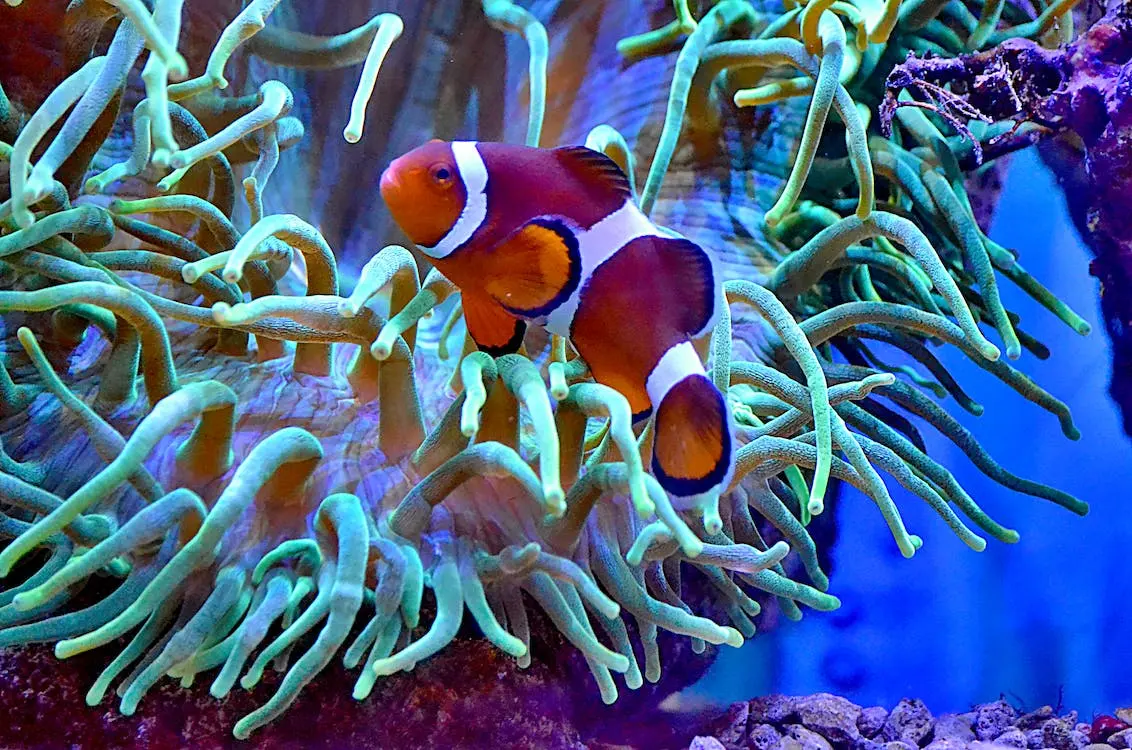
In their natural habitat, clownfish generally have a shorter lifespan than those kept in captivity due to constant environmental stressors. Most wild clownfish live between 6 and 10 years, as they must navigate the dangers of predators, changing water temperatures, and the availability of their symbiotic host anemones. Because they are relatively small, they serve as prey for larger reef fish, which significantly impacts their survival rates.
The relationship between the clownfish and the sea anemone is the most critical factor for their longevity in the wild. The anemone provides a stinging, protective home that keeps the clownfish safe from predators that would otherwise consume them. Without a healthy host, a clownfish is exposed and far more likely to be hunted, drastically reducing its potential lifespan. Environmental degradation, such as coral bleaching and ocean acidification, also threatens these delicate ecosystems, further limiting the survival duration of wild populations.
How long do clownfish live in an aquarium?
When provided with an optimal, stable environment, clownfish often outlive their wild counterparts. In a home aquarium, it is common for a healthy clownfish to live between 10 and 15 years. Some documented cases have seen captive clownfish reach nearly 20 years of age, provided the water chemistry remains consistent and the fish is fed a high-quality, balanced diet.
The absence of natural predators is the primary reason for this increased longevity in captivity. However, this longevity depends entirely on the aquarist's ability to maintain a stress-free environment. Factors that contribute to a long life in a tank include:
- Consistent water temperature between 75°F and 80°F.
- Regular water changes to keep nitrate and ammonia levels near zero.
- A varied diet consisting of high-quality pellets, frozen mysis shrimp, and brine shrimp.
- Sufficient swimming space to prevent physical atrophy and stress.
What factors affect clownfish lifespan?
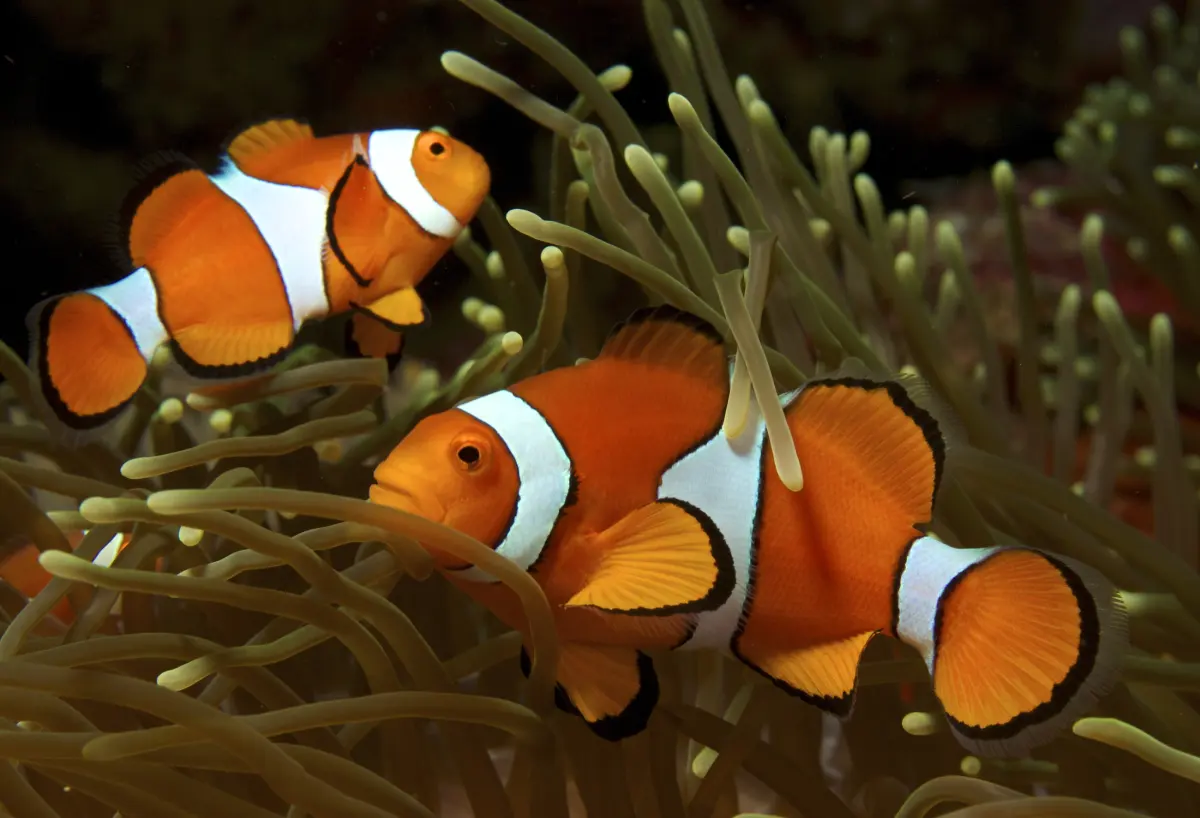
Several biological and environmental variables dictate how long a clownfish will survive. Genetics play a role, but external conditions are usually the deciding factor in both wild and captive settings. Stress is the silent killer for these fish; frequent changes in water parameters, aggressive tank mates, or improper lighting can weaken their immune systems, making them susceptible to diseases like marine ich or velvet.
Nutrition is equally vital for longevity. Clownfish are omnivores that require a diverse range of nutrients to maintain their vibrant coloration and organ health. When owners rely solely on low-quality dry flakes, the fish may suffer from nutritional deficiencies over time. Furthermore, the presence of a host anemone in a tank can provide psychological comfort, even if it is not strictly necessary for survival in captivity. The following factors are essential for monitoring health:
- Water quality: Test for ammonia, nitrites, and nitrates weekly.
- Social interaction: Monitor for signs of bullying if keeping multiple clownfish.
- Disease prevention: Quarantine all new fish before introducing them to the main tank.
Common mistakes when caring for clownfish
Many beginners make the mistake of overstocking their tanks, which leads to poor water quality and increased stress levels. Clownfish are territorial, and overcrowding can lead to constant fighting, which causes physical injury and stress-induced illness. Another frequent error is neglecting the nitrogen cycle during the initial setup of the aquarium. Introducing fish into an uncycled tank often leads to "new tank syndrome," which is frequently fatal for clownfish within the first few weeks.
Another common oversight is failing to perform routine maintenance. Many owners assume that because the water looks clear, it is clean. However, invisible toxins can build up rapidly, causing long-term damage to the fish's gills and internal organs. Avoiding these mistakes is straightforward if you prioritize consistency:
- Never skip water changes, as they remove accumulated waste and replenish essential minerals.
- Avoid introducing incompatible species that may harass your clownfish.
- Do not overfeed, as excess food decomposes and spikes ammonia levels.
How to extend the life of your clownfish
To ensure your clownfish reaches its full potential lifespan, you must focus on proactive health management. This involves observing your fish daily for behavioral changes, such as loss of appetite, lethargy, or spots on the scales. Early detection of illness is the most effective way to prevent premature death. Providing a stable environment where the fish feels secure will naturally lower its cortisol levels and boost its immune response.
Beyond basic maintenance, creating a stimulating environment can improve the quality of life for your fish. While they do not require complex toys, providing rock work for hiding and natural current patterns mimics their wild home, keeping them physically active. By maintaining a stable, clean, and nutritious environment, you provide the best possible conditions for your clownfish to thrive for over a decade. Always research the specific requirements of the variety you own, as some species may have slightly different needs regarding tank size and social structure. Consistency remains the most important tool for any dedicated saltwater aquarist.
Key facts
- Clownfish typically live between 6 and 10 years in the wild, though some have been known to reach 15 years in captivity.
- Their lifespan depends heavily on water quality, diet, and the presence of a host sea anemone for protection.
- In home aquariums, stress from poor tank mates or improper water chemistry is the leading cause of premature death.
- Clownfish are sequential hermaphrodites, meaning they can change sex, which affects their social structure and longevity within a colony.
- Providing a varied diet of high-quality pellets, frozen mysis shrimp, and brine shrimp significantly boosts their immune system and lifespan.
- Avoid overstocking your tank; overcrowding leads to territorial aggression and chronic stress, which drastically shortens a clownfish's life.
The bottom line
Clownfish are hardy, rewarding pets that generally live between 6 and 10 years when provided with a stable, well-maintained environment. Their longevity is primarily dictated by the quality of their water and the absence of chronic stress. By focusing on consistent tank maintenance, a balanced diet, and compatible tank mates, hobbyists can ensure their clownfish thrive and remain active members of their saltwater ecosystem for years.
People also ask
Do clownfish die if they do not have an anemone?
No, clownfish do not require an anemone to survive in a home aquarium. While they use anemones for protection in the wild, they can live long, healthy lives in tanks without them if they feel safe.
How can I tell if my clownfish is stressed?
A stressed clownfish may exhibit rapid breathing, loss of appetite, or constant hiding in corners. You might also notice them swimming erratically or rubbing against rocks, which can indicate parasites or poor water quality.
What is the best way to introduce a new clownfish to a tank?
Always use the drip acclimation method to slowly introduce your fish to the tank's water chemistry over 30 to 60 minutes. This prevents osmotic shock and helps the fish adjust to the new environment safely.
Do clownfish need to be kept in pairs?
Clownfish are social creatures and thrive when kept in pairs or small groups. However, you must ensure your tank is large enough to prevent territorial fighting between individuals.
How often should I test my aquarium water?
You should test your water parameters, including ammonia, nitrites, nitrates, and pH, at least once a week. Maintaining stable chemistry is the most important factor in keeping your clownfish healthy for many years.
Can clownfish live with other types of fish?
Yes, they can coexist with many peaceful species like blennies, gobies, and cardinalfish. Avoid aggressive tank mates like large triggers or groupers that may view the clownfish as prey.
This answer was created with the help of AI research tools and reference sources. Spotted an error? Let us know — we correct mistakes quickly. See our editorial policy.