What is a metaphor?
Short answer
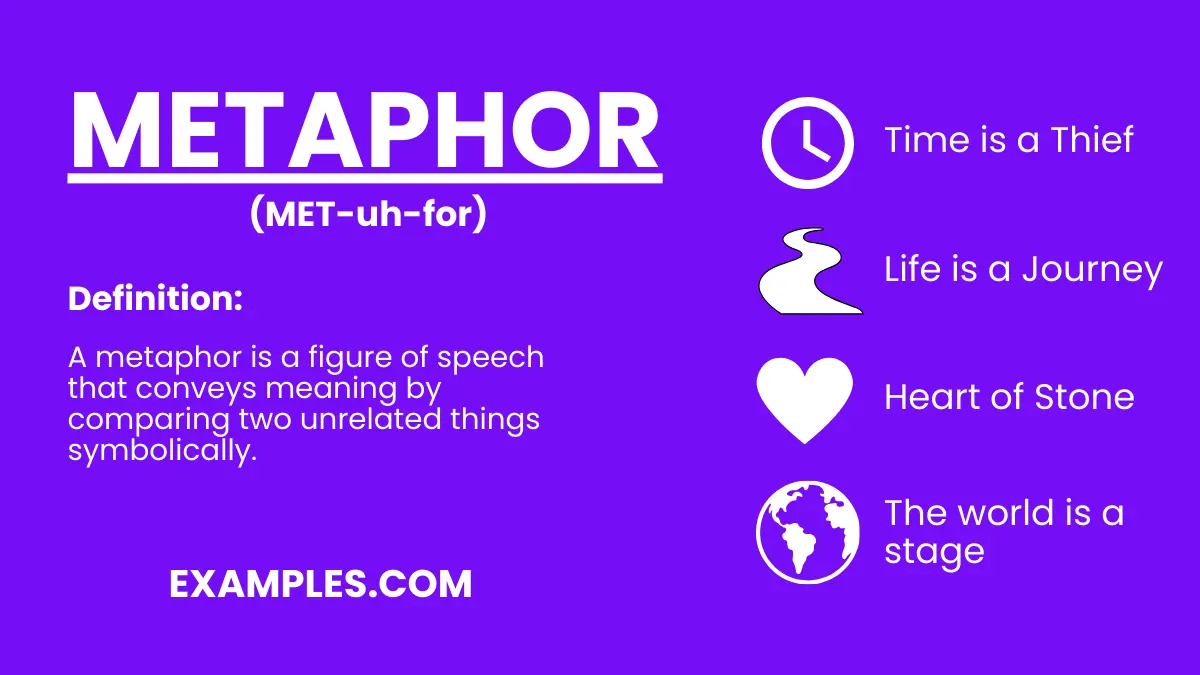
A metaphor is a figure of speech that describes an object or action by asserting it is something else, even though it is not literally true. By equating two unrelated things, metaphors highlight shared characteristics to create vivid imagery or deeper meaning, helping listeners understand complex concepts through familiar, concrete comparisons.

On this page
What is a metaphor exactly?
A metaphor functions as a rhetorical device that creates a direct comparison between two distinct subjects without using connecting words like "like" or "as." While a simile says something is like another thing, a metaphor claims it is that thing. This linguistic shortcut allows writers and speakers to transfer the qualities of one entity onto another, effectively bridging the gap between abstract ideas and tangible reality.
For instance, when William Shakespeare wrote "All the world's a stage," he was not suggesting that the Earth is literally a wooden platform with actors. Instead, he used the metaphor to imply that human life is a performance with scripted roles and temporary appearances. This device is fundamental to human communication because it forces the brain to synthesize two different mental categories. By identifying the underlying commonality between the tenor—the subject being described—and the vehicle—the image used to describe it—the audience gains a more profound, emotional understanding of the topic.
How to identify metaphors in writing
Identifying metaphors requires looking past the literal meaning of a sentence to find figurative connections. If a statement seems factually impossible or nonsensical when taken at face value, it is likely a metaphor. Readers should look for verbs of being, such as "is," "are," or "was," which often link the two disparate concepts together in a single, powerful assertion.
To analyze a metaphor effectively, follow these steps:
- Identify the two things being compared, such as "time" and "money."
- Determine the specific trait they share, such as the fact that both can be spent, saved, or wasted.
- Consider why the author chose this specific comparison over a literal description.
- Evaluate how the metaphor changes the tone or emotional weight of the passage.
By breaking down the components, you can distinguish between a simple metaphor and an extended metaphor, which sustains the comparison over several lines or an entire paragraph.
Why metaphors are used in communication
Metaphors serve as cognitive tools that simplify complex information and make language more memorable. When a scientist describes the "brain as a computer" or a politician refers to a "glass ceiling," they are using metaphors to categorize abstract social or technical phenomena into recognizable frameworks. This helps audiences process information faster because they can map new, difficult concepts onto existing knowledge structures they already understand.
Beyond mere clarity, metaphors are essential for evoking emotion and painting imagery that literal language often fails to capture. A description of a "heart of stone" conveys a sense of cruelty and emotional rigidity far more effectively than a clinical explanation of someone’s personality traits. Because metaphors engage the imagination, they encourage the reader to participate in the construction of meaning. This active engagement creates a stronger psychological impact, making the message more persuasive, relatable, and enduring in the memory of the audience.
Common mistakes when using metaphors
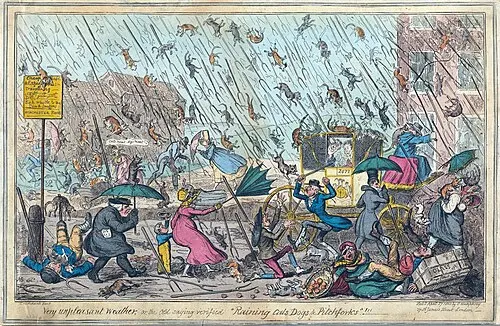
A frequent error is the creation of a "mixed metaphor," where an author inadvertently combines two incompatible images. For example, saying "we must take the bull by the horns and steer the ship" confuses the listener by blending the imagery of cattle ranching with maritime navigation. This creates a jarring effect that distracts from the intended message and makes the writer appear disorganized or careless.
Another common pitfall is the use of "dead metaphors." These are expressions so overused that they have lost their original vividness and are now treated as literal language. Phrases like "falling in love" or "the foot of the mountain" are so common that they no longer spark a mental image. Relying on these clichés can make writing feel uninspired and flat. To avoid these issues, always review your comparisons for consistency and originality, ensuring that each metaphor serves a clear, singular purpose in your narrative.
Best ways to create original metaphors
Crafting an effective metaphor begins with observing the world and finding unexpected similarities between unrelated objects. Start by listing the qualities of your subject, such as its shape, sound, or function, and then brainstorm other things that possess those same qualities. The most compelling metaphors often connect a very common, physical object to a complex, internal feeling or a technical process.
Consider these strategies for developing your own:
- Focus on sensory details like texture, color, or temperature to ground your comparison.
- Avoid over-explaining the metaphor; let the reader make the connection themselves.
- Ensure the metaphor fits the tone of your work—a humorous metaphor will clash with a somber, serious essay.
- Test your metaphor by asking if it adds clarity or if it simply adds unnecessary fluff to the sentence.
By practicing these techniques, you can transform ordinary prose into evocative writing that resonates deeply with your readers.
Key facts
- A metaphor is a figure of speech that describes an object or action by asserting it is something else, rather than merely being "like" it.
- Unlike a simile, which uses "like" or "as" to make comparisons, a metaphor creates a direct equation between two unrelated things to highlight a shared quality.
- Metaphors rely on the reader’s ability to recognize the abstract connection between the literal subject and the figurative substitute.
- The term originates from the Greek word metaphora, meaning "to transfer," as the speaker transfers the meaning of one concept to another.
- Effective metaphors avoid clichés, such as "time is money," in favor of original comparisons that provide fresh insight into a subject.
- To craft a strong metaphor, identify the core emotion or trait of your subject and brainstorm objects that embody that same specific quality.
The bottom line
Metaphors serve as a vital bridge between abstract concepts and concrete understanding. By equating two distinct things, they transform plain language into evocative imagery that captures the essence of an idea. Whether in literature or daily speech, mastering the metaphor allows you to communicate with greater precision and emotional impact, provided you avoid confusing combinations and ensure your comparisons remain clear, original, and purposeful for your audience.
People also ask
What is the difference between a metaphor and a simile?
A simile uses comparison words such as "like" or "as" to connect two ideas, while a metaphor states that one thing is another. For example, "life is a highway" is a metaphor, whereas "life is like a highway" is a simile.
Can a metaphor be an entire story?
Yes, an extended metaphor or allegory uses a single concept or narrative to represent a complex idea throughout an entire work. Famous examples include George Orwell’s Animal Farm, which uses farm animals to represent the political figures of the Russian Revolution.
What is a mixed metaphor?
A mixed metaphor occurs when two or more incompatible metaphors are combined, often resulting in a confusing or humorous image. An example is saying, "We must take the bull by the horns and steer the ship," which blends two unrelated actions.
Why do writers use metaphors instead of literal descriptions?
Metaphors allow writers to evoke deep emotional responses and provide vivid imagery that literal language cannot achieve. They condense complex feelings into concrete, relatable symbols that resonate more powerfully with the reader.
How do I know if my metaphor is too complex?
If a reader has to pause and analyze the logic of your comparison for too long, the metaphor is likely too obscure. A successful metaphor should feel intuitive and clarify your point rather than adding unnecessary confusion.
Are metaphors used in everyday conversation?
Metaphors are deeply embedded in daily language, often appearing as "dead metaphors" that we no longer notice as figurative. Phrases like "falling in love," "the heart of the matter," or "burning the midnight oil" are all common metaphorical expressions.
This answer was created with the help of AI research tools and reference sources. Spotted an error? Let us know — we correct mistakes quickly. See our editorial policy.