Are elk dangerous to humans?
Short answer
Elk are wild animals that can be dangerous to humans, particularly when they feel threatened or during specific seasonal behaviors. While they generally avoid contact, mature bulls and protective cows can inflict serious injuries using their sharp hooves and heavy antlers. Maintaining a safe distance is the most effective way to prevent encounters.

On this page
Are elk aggressive toward humans?
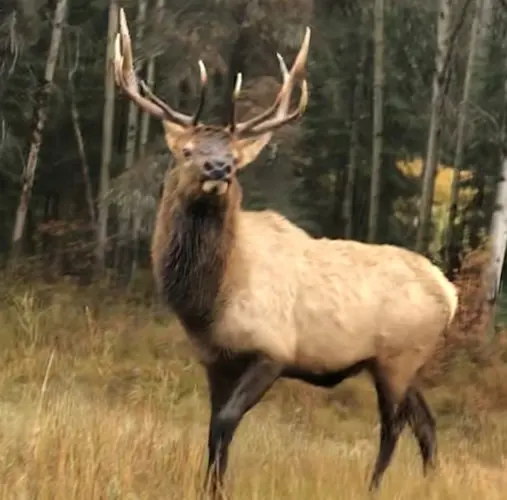
Elk are typically shy, reclusive animals that prefer to flee rather than fight. However, their behavior changes significantly during the breeding season, known as the rut, which occurs from late August through October. During this time, bull elk become highly territorial and aggressive as they compete for mates. They may charge humans if they perceive a person as a rival or a threat to their harem.
Outside of the rut, female elk, or cows, can become exceptionally protective and aggressive if they believe their calves are in danger. This is most common during the calving season in late spring and early summer. If a human inadvertently approaches a hidden calf, the mother may stomp, charge, or kick to drive the intruder away. Because adult elk can weigh between 500 and 700 pounds, even an accidental collision or a defensive kick can result in broken bones, lacerations, or head trauma.
How to stay safe around elk
The primary rule for safety in elk country is to maintain a significant buffer zone at all times. Wildlife experts recommend staying at least 25 yards away from elk, though 50 yards or more is preferable during the rut. If an elk stops feeding or looks directly at you, you have likely encroached on its personal space and should back away slowly.
- Never attempt to feed elk, as this removes their natural fear of humans and encourages dangerous interactions.
- Keep dogs on a short leash at all times, as elk often view canines as predators and will attack them, potentially drawing the owner into the conflict.
- Use binoculars or a telephoto lens to view animals from a distance rather than trying to get a close-up photograph.
- If an elk approaches you, back away slowly while keeping your eyes on the animal, but do not run, as this may trigger a predatory chase instinct.
Why do elk attack people?
Attacks usually occur because humans inadvertently trigger the animal’s defense mechanisms. Elk are prey animals that rely on a "flight" response, but when they feel cornered or believe their offspring are at risk, they switch to a "fight" response. A common misconception is that elk are docile because they are often seen grazing in urban areas or near roadsides. This habituation to human presence can lead people to underestimate the animal's wild nature.
Furthermore, human behavior often exacerbates these risks. People frequently crowd elk for photos, block their escape routes, or make sudden movements that startle the herd. When an elk is forced to choose between fleeing and defending itself, it may choose aggression. Understanding that an elk’s tolerance for human presence is not the same as friendliness is essential for avoiding dangerous situations. Respecting their need for space is the most effective way to ensure both human and animal safety.
What to do if an elk charges
If an elk begins to charge, you must act quickly to protect yourself. Do not turn your back on the animal, as this makes you vulnerable to a strike from behind. If you are near a sturdy object, such as a large tree, a boulder, or a vehicle, move behind it immediately to create a physical barrier between you and the animal.
- Drop any items you are carrying, such as a backpack, to distract the elk or serve as a buffer.
- If you are knocked to the ground, curl into a ball and protect your head and neck with your arms.
- Do not attempt to fight back, as your physical strength is no match for the weight and power of an adult elk.
- Wait for the animal to move away completely before attempting to get up or leave the area.
- Seek immediate medical attention if you have been struck, as internal injuries may not be immediately apparent.
Common mistakes when viewing elk
Many people make the mistake of assuming that because an elk is not currently moving, it is safe to approach. Elk often stand still to assess a threat, and this stillness is a warning sign rather than a sign of calm. Another frequent error is failing to notice the signs of agitation, such as pinned-back ears, grinding teeth, or a raised mane, all of which indicate that the animal is preparing to defend itself.
Another common mistake is trying to get between a cow and her calf. Even if the calf appears to be alone, the mother is almost certainly nearby and watching. Furthermore, people often underestimate the speed of these animals. An elk can travel over rough terrain much faster than a human, making it impossible to outrun them if you are caught in an open field. By staying vigilant, keeping your distance, and respecting the animal’s need for space, you can safely enjoy the experience of observing these majestic creatures in their natural habitat without incident.
Key facts
- Adult bull elk can weigh up to 700 pounds and stand five feet tall at the shoulder.
- Elk are most aggressive during the autumn rut (mating season) and the spring calving season.
- Always maintain a distance of at least 30 yards, or roughly three bus lengths, from any elk.
- If an elk pins its ears back, raises its hackles, or grinds its teeth, it is preparing to charge.
- Never attempt to feed elk, as this removes their natural fear of humans and leads to dangerous habituation.
- If charged, hide behind a large tree or boulder and do not turn your back on the animal.
The bottom line
While elk are generally shy and avoid human interaction, they remain powerful wild animals capable of causing serious injury. The risk increases significantly during the rutting and calving seasons. By maintaining a respectful distance, keeping dogs leashed, and remaining aware of your surroundings, you can safely enjoy observing these majestic creatures in their natural habitat without compromising your personal safety or the animal's well-being.
People also ask
Are female elk more dangerous than males?
Cow elk are extremely protective of their calves during the spring, typically from May to June. They will aggressively kick at perceived threats, including humans and dogs, to defend their young.
Can I take a photo if I stay in my car?
Staying inside your vehicle is generally safe, provided you do not open the windows or doors. Elk are accustomed to cars, but they may still strike the vehicle if they feel cornered or threatened.
What should I do if an elk approaches me on a trail?
Slowly back away while keeping your eyes on the animal. Do not run, as this may trigger a predatory chase response, and avoid making direct eye contact, which can be perceived as a challenge.
Are dogs allowed near elk?
Dogs are a major source of conflict because elk perceive them as wolves, their primary natural predator. Keep your dog on a short leash at all times or leave them at home when hiking in elk country.
Do elk antlers pose a threat?
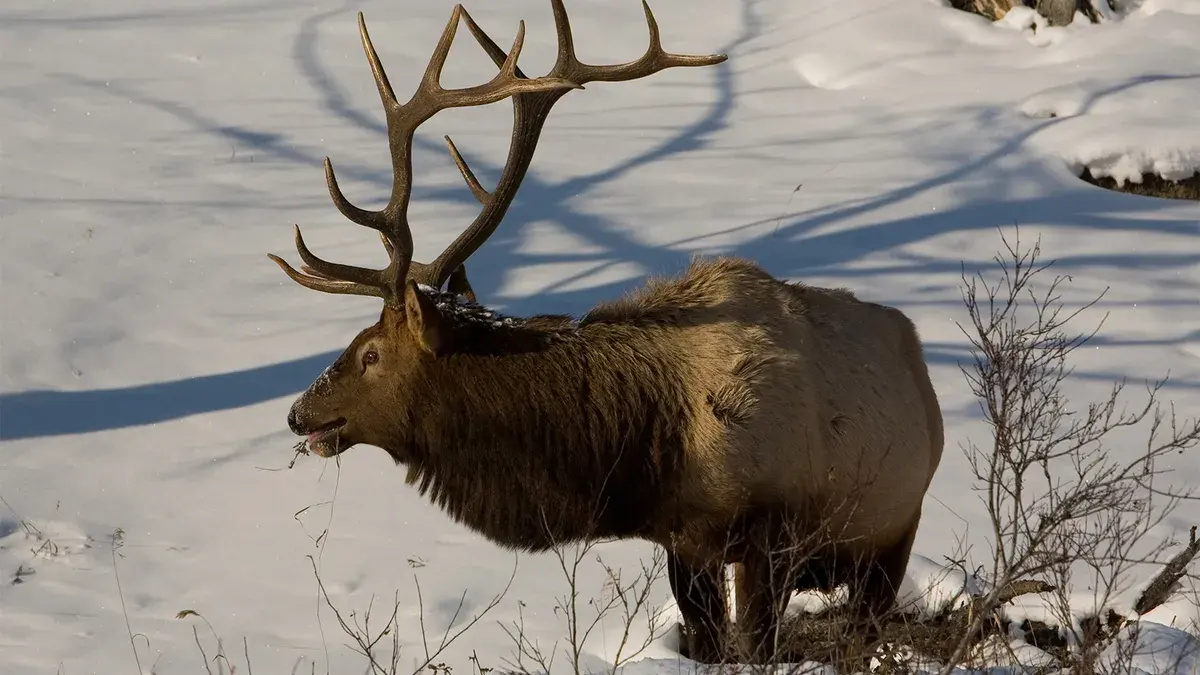
Yes, bull elk use their massive antlers to fight other males and can easily inflict fatal puncture wounds. Even when not in rut, a bull can swing its head suddenly, making the antlers a significant hazard.
Why do elk sometimes charge without warning?
Elk are wild animals that may react impulsively if they feel trapped or surprised. Sudden movements, loud noises, or blocking an elk's escape route are common triggers for an unprovoked charge.
This answer was created with the help of AI research tools and reference sources. Spotted an error? Let us know — we correct mistakes quickly. See our editorial policy.