Are hippos dangerous to humans?
Short answer
Yes, hippos are among the most dangerous large mammals in Africa. Despite their herbivorous diet, they are highly territorial and aggressive, especially when protecting their young or feeling threatened. Their immense size, speed on land, and powerful jaws make them lethal to humans, causing an estimated 500 deaths annually across the continent.
On this page
Why are hippos so aggressive toward humans?
Hippos are not inherently predatory, but they are intensely territorial creatures. They view any intrusion into their aquatic domain or their path to grazing grounds as a direct threat. Because they spend most of their day submerged to keep their skin cool and protected from the sun, they become extremely protective of these specific river sections. If a human boat or person on foot accidentally blocks a path between the water and the shore, a hippo will often charge to clear the perceived obstacle.
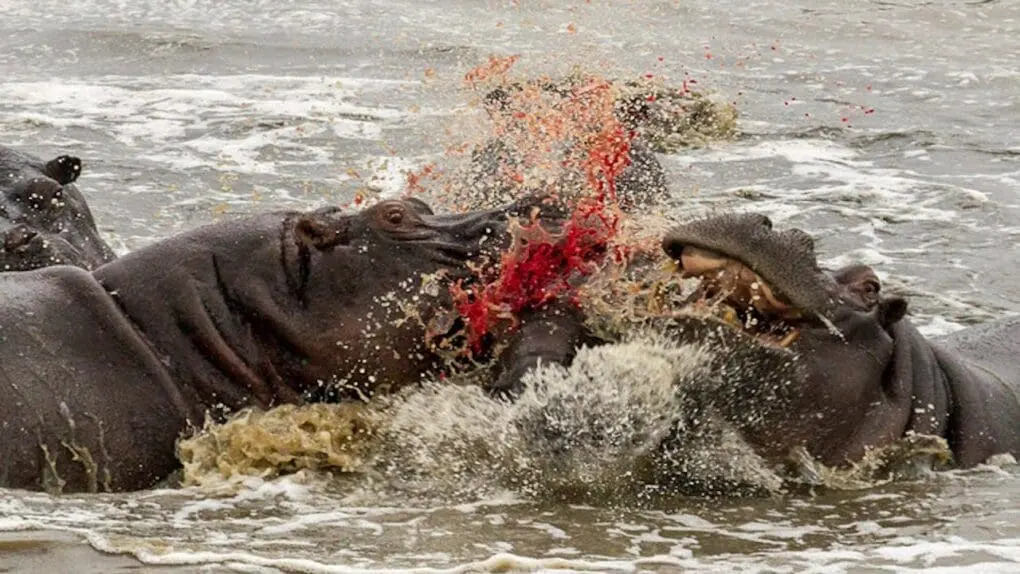
The aggression is compounded by the hippo’s social structure. Dominant bulls maintain strict control over groups, and mothers are exceptionally protective of their calves. A mother will attack anything that comes between her and her offspring, even if the interaction is unintentional. Their unpredictable nature, combined with their ability to move surprisingly fast for their size, means that even a brief encounter can escalate into a fatal situation in seconds.
How fast can a hippo run on land?
Many people mistakenly believe that hippos are slow or clumsy due to their bulky appearance. In reality, a hippo can reach speeds of up to 19 miles per hour (30 kilometers per hour) over short distances. While this is slower than a sprinting human, their acceleration is explosive, and they can easily outrun a person in a chaotic, uneven environment like a riverbank. This speed makes it nearly impossible to outrun a charging hippo once it has committed to an attack.
The danger is magnified by the terrain they inhabit. Muddy, uneven ground near riverbanks often hinders human movement, whereas hippos are well-adapted to these conditions. If you encounter a hippo on land, you must recognize the warning signs early:
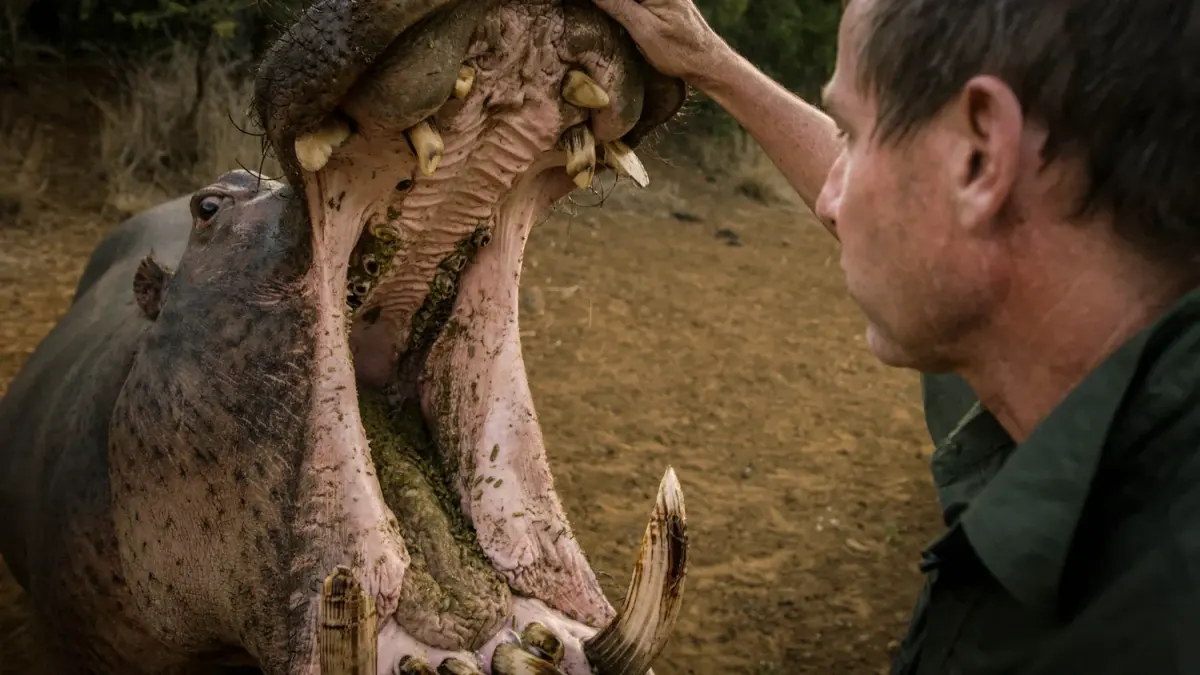
- Yawning: This is not a sign of tiredness but a display of their massive, 20-inch-long canine teeth meant to intimidate.
- Ear flicking: Rapid movement of the ears can indicate agitation.
- Spraying dung: They use this behavior to mark territory and signal dominance.
- Vocalizations: Deep grunts or bellows are clear warnings to back away immediately.
What should you do if you encounter a hippo?
If you find yourself in the proximity of a hippo, your primary goal is to increase the distance between you and the animal without provoking it. Never attempt to stand your ground or take photographs at close range. If you are in a vehicle, keep the engine running and maintain a safe distance, as hippos have been known to ram and overturn cars. If you are on foot, follow these safety steps:
- Identify the hippo's escape route to the water and ensure you are not standing in its path.
- Back away slowly and quietly, keeping your eyes on the animal without making direct, prolonged eye contact, which can be seen as a challenge.
- Seek high ground or climb a sturdy tree if a charge is imminent, as hippos cannot climb.
- Do not run unless you are certain you can reach a secure, elevated position, as running can trigger their chase instinct.
Common mistakes when viewing hippos
The most frequent error tourists and locals make is underestimating the distance a hippo can cover in a short time. People often linger too long near the water’s edge, assuming the animals are docile because they appear to be resting. This complacency is dangerous because a hippo can transition from a stationary position to a full charge in less than two seconds. Another common mistake is failing to respect the "hippo path," which is a well-worn trail leading from the water to grazing areas.
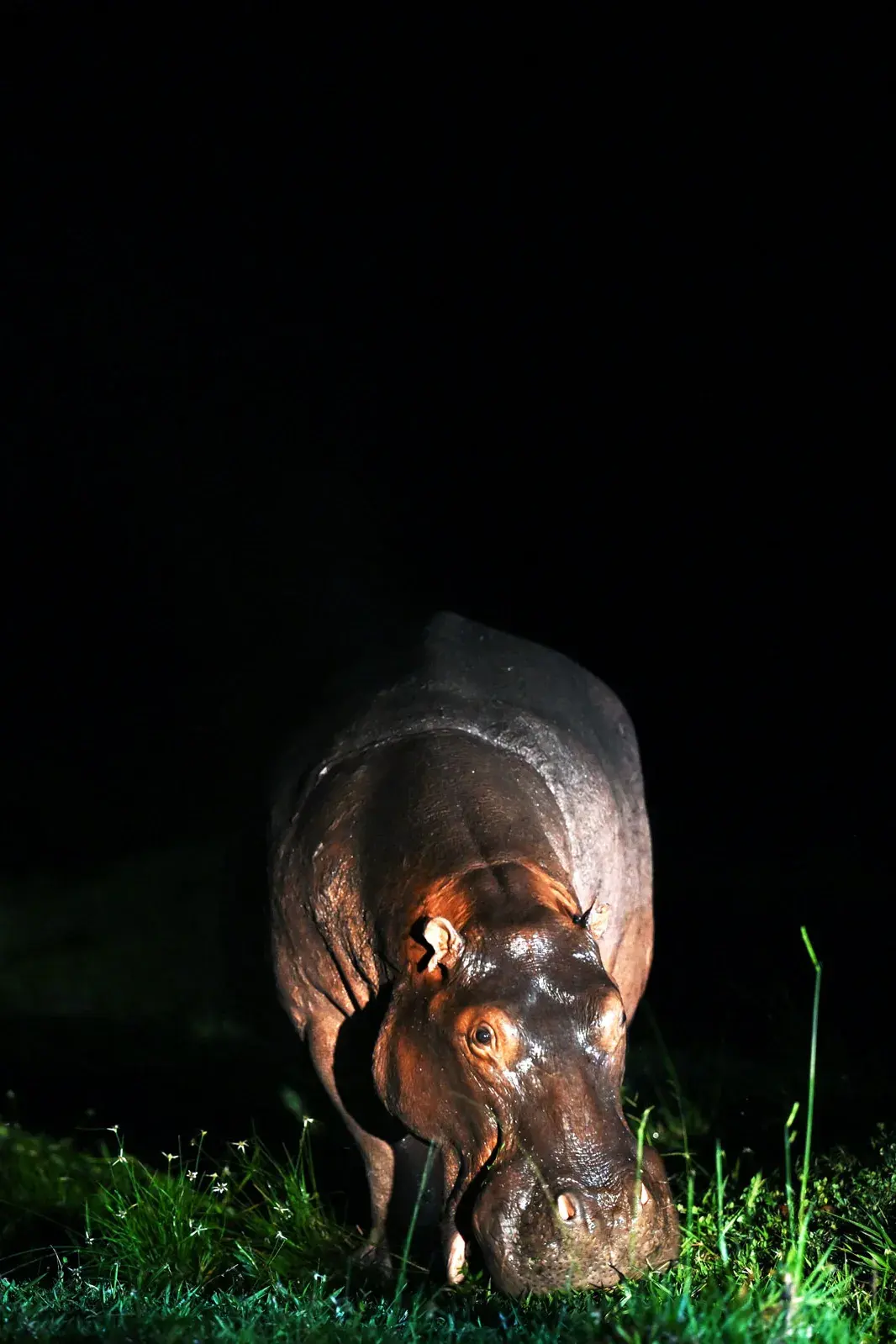
Blocking these paths is a frequent cause of conflict, as hippos follow the same routes daily. If you are hiking near rivers in Africa, always look for signs of heavy traffic, such as flattened vegetation or deep, muddy ruts. Avoid walking near the water at night, as this is when hippos leave the river to graze on land. During these hours, they become much more active and are harder to spot in the dark, making accidental encounters significantly more likely and dangerous.
How to stay safe in hippo-inhabited areas
Safety in hippo country relies on awareness and preparation. If you are participating in a safari or river tour, always use a licensed, professional guide who understands the behavior of these animals. Guides are trained to read the subtle body language of hippos and will know when to steer the boat away or keep a respectful distance. When camping near rivers, choose sites that are well away from the water and ensure your tent is not located on a known hippo trail.
If you are traveling independently, follow these guidelines to minimize risk:
- Avoid riverbanks during the early morning and late evening when hippos are most active.
- Keep noise levels low, as sudden sounds can startle a resting animal.
- Never feed or attempt to interact with a hippo, regardless of how calm it seems.
- Always have a clear exit strategy in mind before approaching any water source in known hippo habitats.
By remaining vigilant and keeping a significant buffer zone at all times, you can safely enjoy the presence of these impressive animals without putting yourself in harm's way.
Key facts
- Hippos are responsible for an estimated 500 human deaths annually in Africa.
- These animals can reach speeds of up to 19 miles per hour (30 kilometers per hour) on land.
- A hippo’s mouth can open up to 150 degrees, revealing teeth that can reach 20 inches in length.
- Territorial behavior makes them highly aggressive if they feel their path to water is blocked.
- Avoid walking between a hippo and the water, as this is their primary escape route.
- Never attempt to feed or approach a hippo, as they are unpredictable and extremely protective of their young.
The bottom line
Hippos are among the most dangerous large mammals in Africa due to their unpredictable temperament and immense physical power. While they do not view humans as prey, their territorial nature leads to frequent and often fatal encounters. Respecting their space, maintaining significant distance, and never obstructing their access to water are essential safety practices for anyone traveling in regions where these powerful animals reside.
People also ask
Are hippos carnivores?
Hippos are primarily herbivores that graze on grass at night. While they have been observed scavenging meat in rare instances, they do not hunt humans for food.
Why are hippos so aggressive?
Hippos are naturally territorial and view any encroachment as a threat to their safety or their calves. Their aggression is a defensive mechanism intended to drive away perceived intruders.
Can a hippo outrun a human?
Yes, despite their bulky appearance, hippos are significantly faster than the average human over short distances. Attempting to outrun one on flat ground is rarely successful.
Do hippos live in groups?
Yes, hippos are highly social animals that live in groups called pods or schools. These groups can consist of anywhere from 10 to over 100 individuals led by a dominant male.
Are pygmy hippos just as dangerous?
Pygmy hippos are much smaller and generally more solitary and shy than common hippos. While any large animal can be dangerous, they lack the extreme aggression of their larger relatives.
What should I do if I encounter a hippo?
Back away slowly without making sudden movements or loud noises. If you are in a vehicle, maintain a safe distance and never block their path to the water.
This answer was created with the help of AI research tools and reference sources. Spotted an error? Let us know — we correct mistakes quickly. See our editorial policy.