What are the benefits of art therapy?
Short answer
Art therapy is a professional practice that uses the creative process to improve mental, physical, and emotional well-being. By engaging in artistic expression, individuals can process trauma, reduce stress, and gain self-awareness. It serves as a non-verbal outlet for complex feelings, helping people manage anxiety, depression, and various behavioral challenges effectively.
On this page
How does art therapy improve mental health?
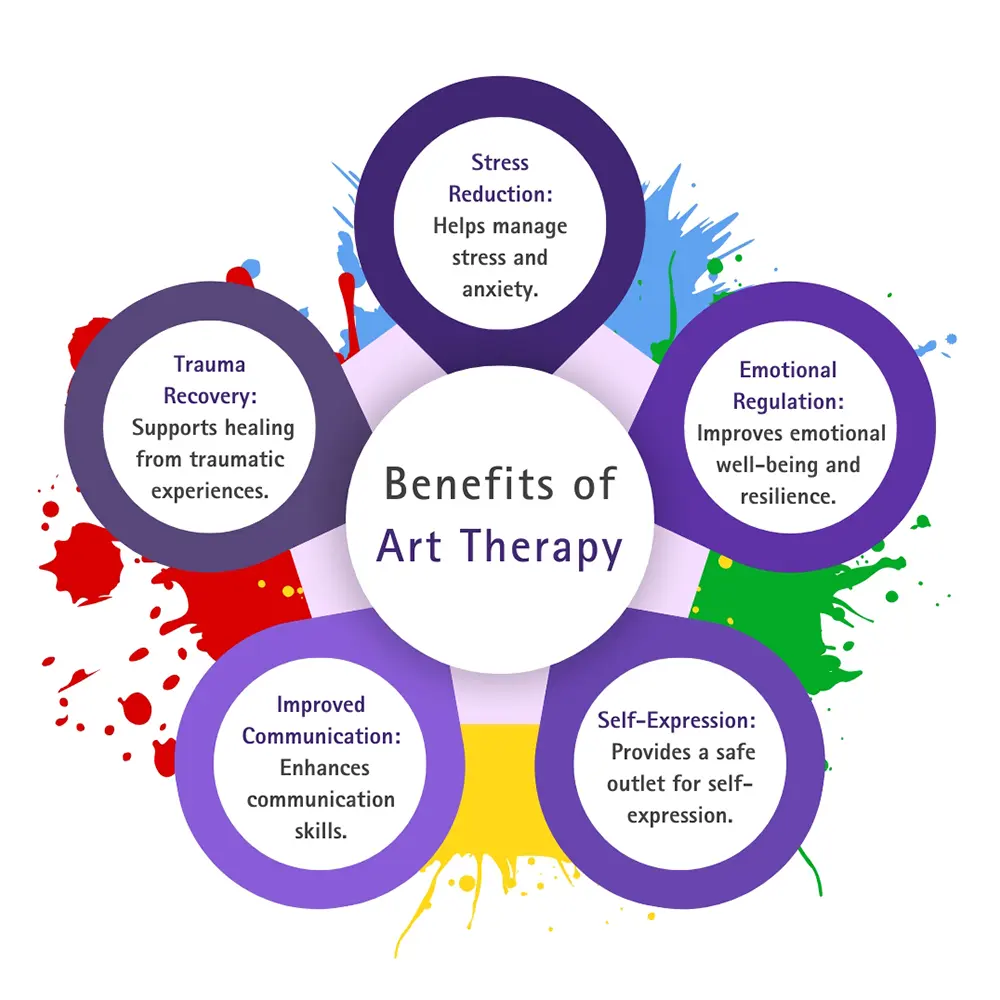
Art therapy functions by bypassing the logical, verbal centers of the brain to access deeper emotional states. When a person creates art, they engage in a sensory-motor process that can help regulate the nervous system and decrease cortisol levels. This form of therapy is particularly effective for individuals who find it difficult to articulate their trauma or internal conflicts through traditional talk therapy alone. By externalizing internal experiences onto a canvas or paper, patients gain a sense of control and objectivity over their struggles.
The therapeutic relationship between the client and the registered art therapist provides a safe container for this exploration. The therapist does not judge the aesthetic quality of the work but instead helps the individual interpret the symbols and colors used. This process fosters resilience and self-compassion, allowing participants to reframe their personal narratives. Research indicates that consistent engagement in art therapy can lead to significant improvements in mood regulation, cognitive function, and overall psychological stability for diverse populations.
What are the benefits of art therapy for stress?
Engaging in creative activities acts as a natural stress reliever by inducing a state of "flow," where the individual becomes fully immersed in the task at hand. This meditative state calms the sympathetic nervous system, reducing the physical symptoms of stress such as rapid heart rate and muscle tension. Art therapy provides a constructive distraction from daily pressures, offering a private space to release pent-up energy and frustration.
The benefits of utilizing art for stress management include:
- Lowering blood pressure through rhythmic, repetitive motions like drawing or coloring.
- Providing a tangible way to track emotional progress over time.
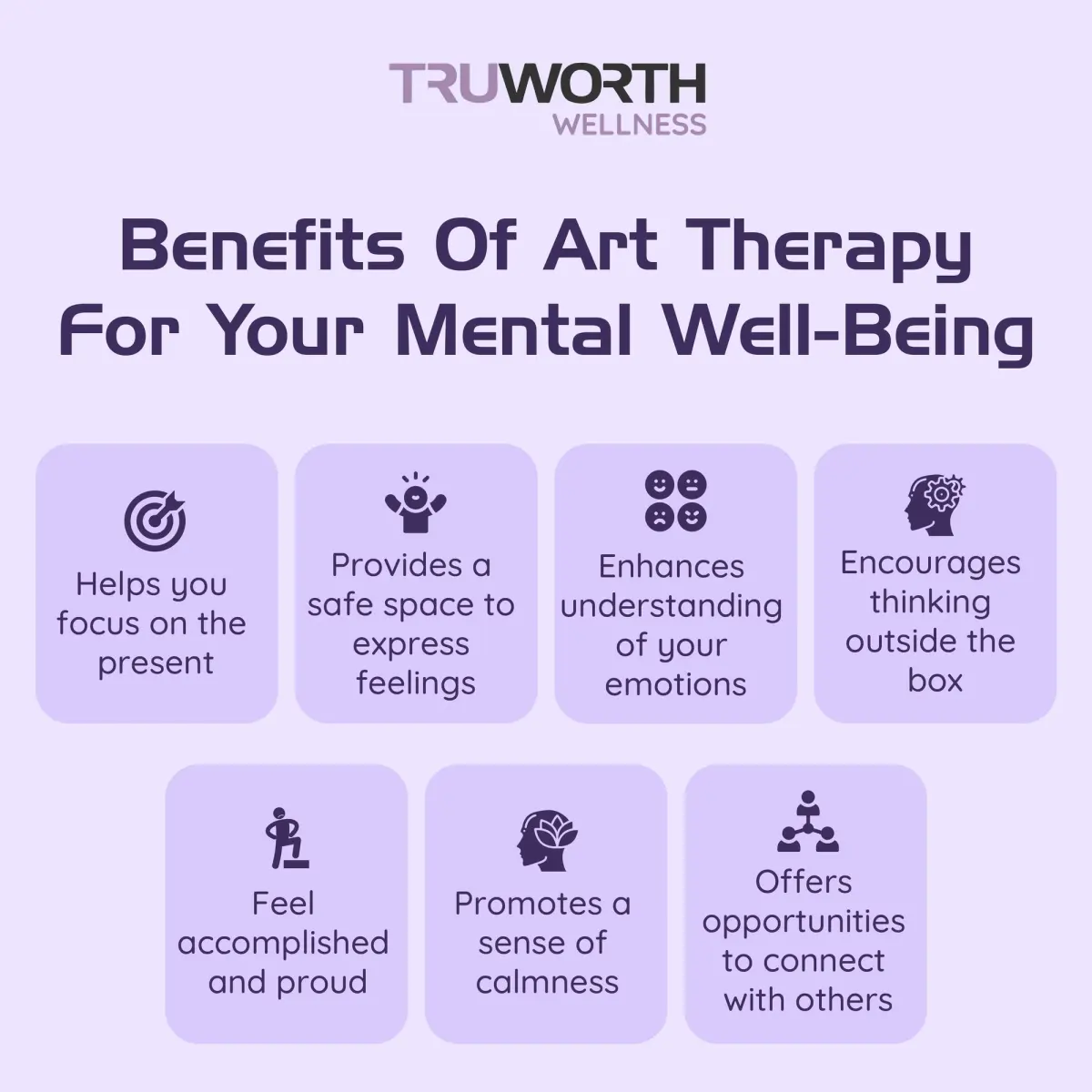
- Encouraging mindfulness by focusing on the present sensory experience.
- Boosting self-esteem through the successful completion of a creative project.
By focusing on the process rather than the final product, individuals can let go of perfectionism. This shift in perspective is crucial for those who suffer from chronic stress, as it replaces the pressure to perform with the freedom to play and experiment.
Is art therapy effective for trauma recovery?
Trauma is often stored in the body and the non-verbal regions of the brain, making it resistant to traditional verbal processing. Art therapy allows survivors to safely externalize traumatic memories without the immediate need to find the right words. This process helps to integrate fragmented memories and provides a sense of safety and agency that is often lost during traumatic events. Clinicians use specific techniques to help patients build a "container" for their emotions, ensuring they do not become overwhelmed during sessions.
Common techniques used in trauma-informed art therapy include:
- Creating a safe space drawing to identify personal comfort zones.
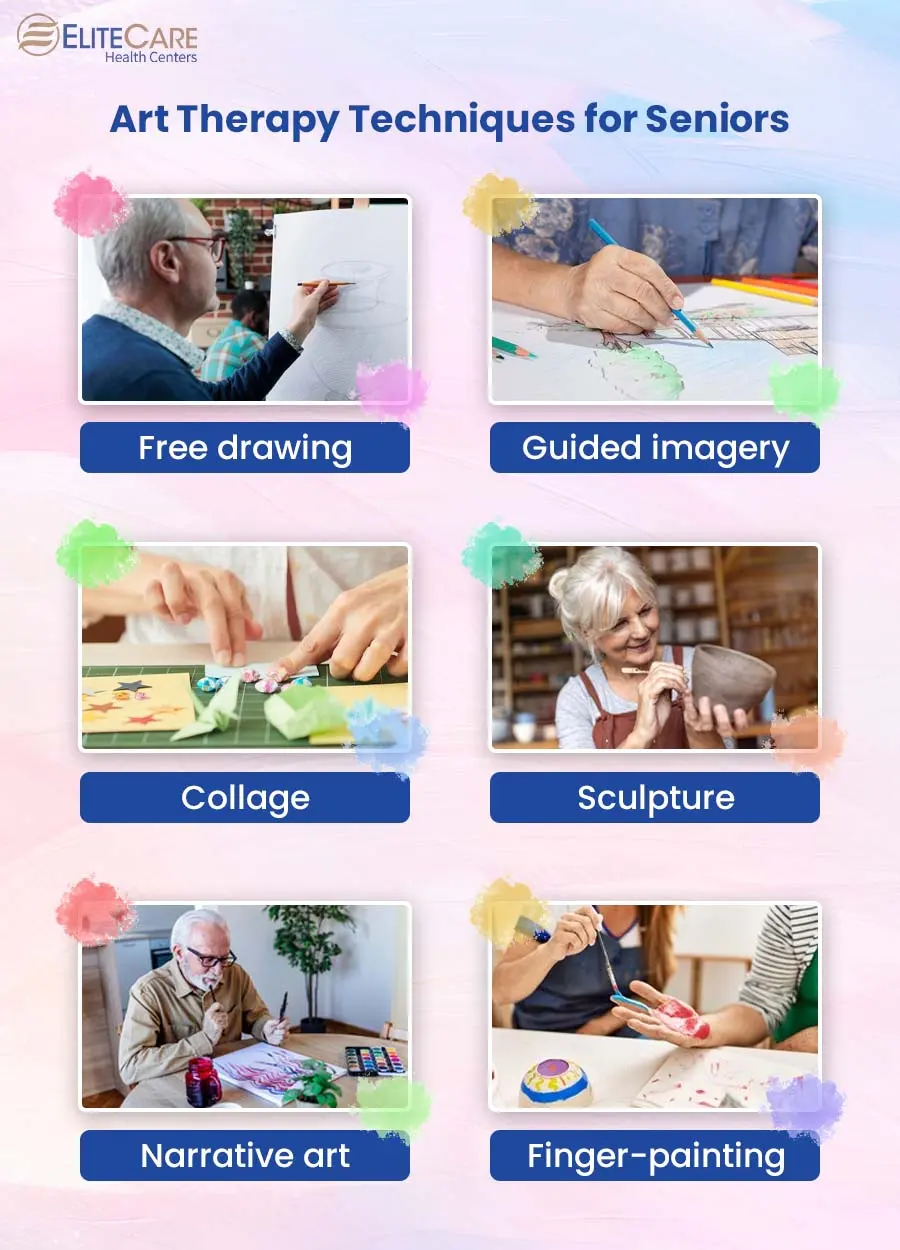
- Using clay to physically release tension and anger associated with past events.
- Making collages to represent complex feelings that are hard to describe.
- Developing a visual timeline to process life changes in a structured way.
These methods help patients transition from a state of hyper-arousal to a state of calm, facilitating deeper healing and long-term emotional regulation.
Common mistakes when starting art therapy
A frequent mistake beginners make is focusing too heavily on the aesthetic outcome of their work. Art therapy is not an art class; the goal is self-expression, not creating a masterpiece for display. When individuals worry about whether their drawing looks "good," they inhibit the very vulnerability that makes the therapy effective. It is important to remember that messy, abstract, or even "ugly" art can be just as therapeutic as a polished painting.
Another common error is attempting to interpret one's own work without professional guidance. While personal reflection is valuable, a trained art therapist provides essential context and safety. They can help navigate difficult emotions that arise during the creative process, ensuring that the experience remains constructive. Avoid the mistake of rushing through the process; take the time to sit with the materials and notice the physical sensations that arise. By remaining open to the experience rather than the result, you maximize the potential for genuine personal growth and emotional insight.
How to find a qualified art therapist
Finding the right professional is essential for a productive experience. You should look for practitioners who hold a credential such as ATR-BC (Art Therapist Registered-Board Certified), which ensures they have met rigorous educational and clinical standards. The American Art Therapy Association provides a searchable database to help you identify licensed professionals in your area. When interviewing a potential therapist, ask about their experience with your specific concerns, such as anxiety, grief, or developmental trauma, to ensure a good fit.
Before your first session, clarify the logistical aspects of the therapy. Ask about the types of materials provided and whether the sessions will be conducted in a group or individual setting. Most therapists offer an initial consultation to discuss your goals and explain their approach to the creative process. By choosing a qualified professional and maintaining clear communication about your needs, you set the foundation for a successful therapeutic journey that supports your long-term mental health and personal development goals.
Key facts
- Art therapy uses the creative process to improve mental, physical, and emotional well-being.
- It is a clinical practice facilitated by credentialed professionals, distinct from general arts and crafts.
- Research indicates that art-making can significantly lower cortisol levels, the body's primary stress hormone.
- Participants do not need artistic talent, as the focus is on the process of expression rather than the final product.
- It is frequently used to help individuals process trauma, manage chronic pain, and improve cognitive function in dementia patients.
- To begin, choose a medium that feels non-intimidating, such as sketching, clay modeling, or simple watercolor painting.
The bottom line
Art therapy is a powerful, evidence-based tool that facilitates emotional healing by bypassing traditional verbal barriers. By engaging in the creative process under the guidance of a professional, individuals can reduce stress, process trauma, and gain deeper self-awareness. Whether you are dealing with mental health challenges or seeking personal growth, the practice offers a safe, accessible, and practical way to improve your overall quality of life.
People also ask
Do I need to be a talented artist to benefit from art therapy?
No, artistic skill is irrelevant to the therapeutic process. The goal is to express internal thoughts and feelings through visual media, not to create a gallery-worthy masterpiece.
How does art therapy differ from talk therapy?
While talk therapy relies on verbal communication, art therapy provides a non-verbal outlet for emotions that may be difficult to articulate. It allows individuals to externalize complex feelings, making them easier to observe and process.
What are the most common materials used in a session?
Therapists often utilize pencils, pastels, paints, clay, and collage materials. The choice of medium is often tailored to the specific needs or sensory preferences of the individual client.
Can art therapy help with anxiety and depression?
Yes, studies show that engaging in creative tasks can reduce symptoms of anxiety and depression by promoting mindfulness. It provides a healthy distraction and a sense of accomplishment that boosts mood.
Is art therapy suitable for children?
It is highly effective for children, as it allows them to communicate experiences that they may lack the vocabulary to describe. It is commonly used in schools and hospitals to help children cope with behavioral or emotional challenges.
How can I find a qualified art therapist?
You should look for practitioners who hold a board certification or a master’s degree in art therapy. Organizations like the American Art Therapy Association offer directories to help you find licensed professionals in your area.
This answer was created with the help of AI research tools and reference sources. Spotted an error? Let us know — we correct mistakes quickly. See our editorial policy.