What are the benefits of yoga?
Short answer
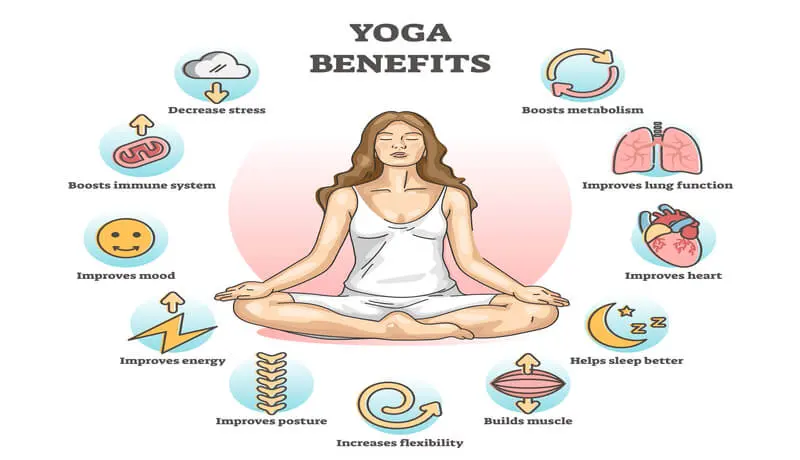
Yoga provides a holistic approach to health by combining physical postures, breathing techniques, and meditation. Regular practice significantly improves flexibility, muscle strength, and cardiovascular endurance. Beyond physical gains, it effectively reduces chronic stress, lowers blood pressure, and enhances mental clarity, making it a powerful tool for long-term physical and psychological well-being.
On this page
How does yoga improve physical health
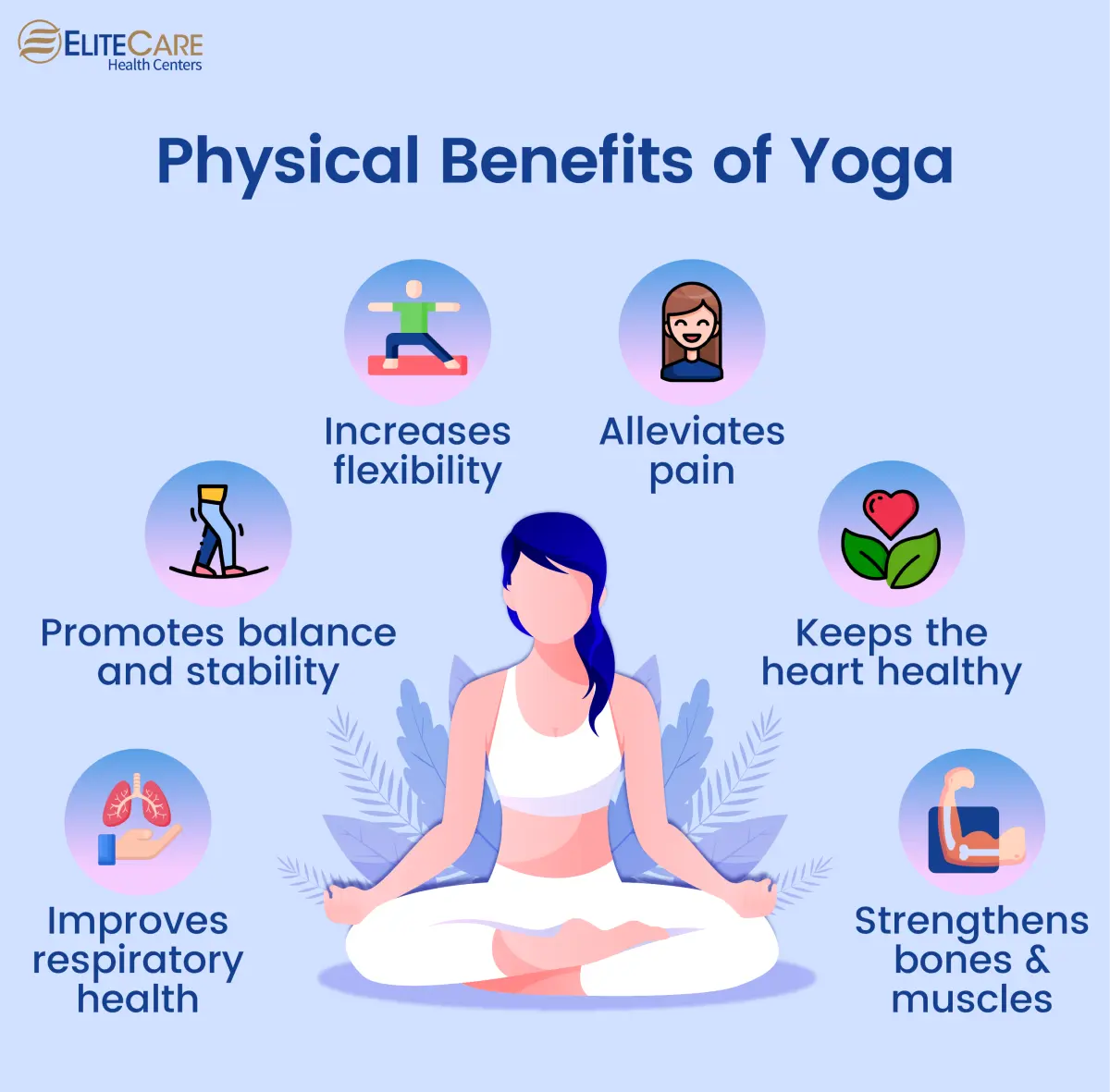
Yoga enhances physical health by engaging muscle groups through isometric holds and dynamic movement. Unlike traditional weightlifting, yoga utilizes body weight to build functional strength and endurance. Research published in the Journal of Physical Therapy Science indicates that consistent practice increases range of motion by improving the elasticity of connective tissues and muscles. This flexibility reduces the risk of injury during daily activities and athletic performance.
Beyond flexibility, yoga supports cardiovascular health and metabolic function. Certain styles, such as Vinyasa or Ashtanga, elevate the heart rate, providing aerobic benefits similar to brisk walking. By regulating the autonomic nervous system, yoga helps stabilize blood pressure and improve respiratory efficiency. Practitioners often report better posture and reduced chronic pain, particularly in the lower back and neck regions. The practice encourages body awareness, allowing individuals to identify and correct postural imbalances before they lead to long-term discomfort or skeletal issues.
Best yoga styles for beginners
Choosing the right style is essential for building a sustainable habit. Beginners often benefit from slower-paced classes that emphasize alignment and foundational movements. These styles allow practitioners to learn the mechanics of each pose without the pressure of rapid transitions. It is helpful to start with a class specifically labeled as "Hatha" or "Gentle Yoga" to build confidence and physical readiness.
- Hatha: Focuses on basic poses and breathing, ideal for learning the fundamentals.
- Restorative: Uses props like bolsters and blankets to hold poses for longer, promoting deep relaxation.
- Yin: Targets deep connective tissues through long holds, improving joint mobility.
- Iyengar: Emphasizes precise alignment using blocks and straps to support the body.
Each of these styles offers a low-impact entry point. By focusing on controlled breathing and steady movement, beginners can safely increase their physical capacity while minimizing the risk of strain.
Why yoga reduces stress and anxiety
Yoga serves as a potent intervention for mental health by modulating the body's stress response. During practice, the focus on deep, rhythmic breathing stimulates the vagus nerve, which activates the parasympathetic nervous system. This "rest and digest" state counteracts the "fight or flight" response triggered by daily stressors. Studies have shown that regular sessions decrease levels of cortisol, the primary stress hormone, leading to improved mood and emotional regulation.
The meditative component of yoga further enhances these benefits by promoting mindfulness. By centering the mind on the present moment, practitioners can detach from ruminative thoughts and anxieties. This mental training fosters resilience, allowing individuals to navigate stressful situations with greater composure. Over time, the practice cultivates a sense of inner peace that extends beyond the yoga mat. Consistent engagement helps rewire the brain's response to external pressures, creating a more stable and calm psychological baseline for the practitioner.
Common mistakes when starting yoga
Many beginners experience setbacks by attempting advanced poses too early. Pushing the body into extreme ranges of motion before the muscles are properly warmed up can lead to strains or ligament damage. It is crucial to listen to the body's signals and avoid "forcing" a pose to match the flexibility of others in a class. Progress in yoga is measured by consistency and breath control, not by how deep one can stretch.
- Skipping the warm-up: Failing to prepare the muscles leads to stiffness and potential injury.
- Holding the breath: Many beginners instinctively hold their breath during difficult poses, which increases tension.
- Ignoring pain: Discomfort from a stretch is normal, but sharp or shooting pain indicates a need to stop immediately.
- Comparing yourself to others: Every body is different; focus on your own alignment and range of motion.
By avoiding these common pitfalls, you ensure a safer and more rewarding experience. Prioritizing proper form over aesthetic perfection allows for steady, sustainable progress.
How long does it take to see results
The timeline for observing the benefits of yoga varies based on the frequency and intensity of practice. Most individuals notice improvements in flexibility and stress levels within four to six weeks of consistent practice, defined as three sessions per week. Initial changes are often felt in the breath and mental state, as the nervous system begins to adapt to the calming techniques. Physical strength gains typically follow, becoming more apparent after two to three months of regular engagement.
To maximize results, aim for shorter, frequent sessions rather than one long, exhausting class per week. Even 15 to 20 minutes of daily practice can yield significant improvements in mobility and mental clarity. It is helpful to keep a simple journal to track how your body feels after each session. By documenting changes in your sleep quality, energy levels, and range of motion, you can maintain motivation and see the cumulative impact of your efforts. Consistency is the primary driver of success in any yoga journey.
Key facts
- Yoga originated in ancient India over 5,000 years ago as a holistic practice for physical, mental, and spiritual well-being.
- Clinical studies show that regular yoga practice can lower cortisol levels, the body's primary stress hormone, by up to 20 percent.
- The most common style in the West is Hatha, which focuses on basic postures (asanas) and controlled breathing (pranayama).
- To prevent injury, always warm up for five minutes before deep stretching to increase blood flow to your muscles.
- A common mistake is "locking" your joints; always maintain a micro-bend in your knees and elbows to protect your ligaments.
- Aim for at least 15 to 30 minutes of practice three times a week to see measurable improvements in flexibility and balance.
The bottom line
Yoga offers a scientifically backed approach to enhancing physical health and mental clarity. By integrating controlled breathing with structured movement, practitioners improve their flexibility, strength, and stress management. Whether you seek relief from chronic pain or a way to quiet a busy mind, yoga provides a practical, accessible framework. Start slowly, prioritize proper alignment, and remain consistent to unlock the full range of long-term wellness benefits.
People also ask
Can yoga help with chronic back pain?
Yes, the National Institutes of Health recognizes yoga as an effective complementary therapy for managing lower back pain. Specific poses like Cat-Cow and Child’s Pose help stretch the lumbar muscles and improve spinal alignment.
Do I need to be flexible to start yoga?
No, flexibility is a result of practicing yoga, not a requirement for beginning. Many beginners find they cannot touch their toes initially, but consistent practice gradually increases range of motion.
What is the difference between Vinyasa and Hatha yoga?
Hatha is typically slower-paced, focusing on holding individual poses to build strength and alignment. Vinyasa is a faster, flow-based style where movements are synchronized with the breath to create a continuous, aerobic experience.
How often should I practice to see results?
Most practitioners notice improvements in mood and flexibility within four to six weeks of practicing twice per week. Consistency is more beneficial for long-term health than the duration of a single session.
Is yoga considered a form of cardio exercise?
While traditional Hatha is low-intensity, styles like Vinyasa or Ashtanga elevate the heart rate significantly. These active forms can meet the American Heart Association's guidelines for moderate-intensity aerobic activity.
What equipment do I need for a home practice?
You only need a non-slip yoga mat and comfortable clothing that allows for a full range of motion. Optional props like foam blocks or a strap can assist with balance and reaching poses safely.
This answer was created with the help of AI research tools and reference sources. Spotted an error? Let us know — we correct mistakes quickly. See our editorial policy.