What are the benefits of hiking?
Short answer
Hiking improves cardiovascular health, strengthens muscles, and enhances mental well-being by reducing stress and anxiety. It promotes weight management, increases bone density, and fosters a deeper connection with nature. This accessible activity requires minimal equipment, making it an effective way to improve overall physical fitness and cognitive function for people of all ages.

On this page
How does hiking improve physical health?
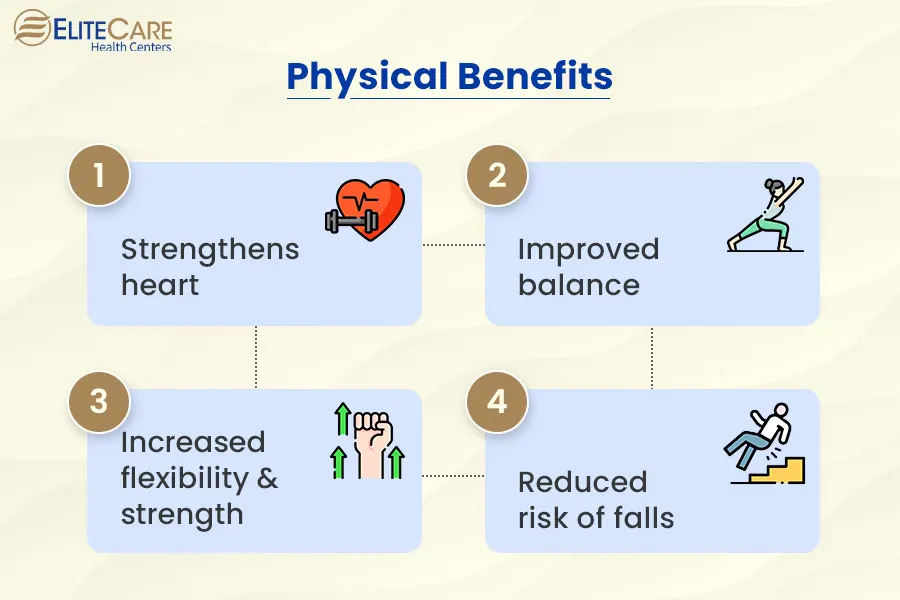
Hiking is a weight-bearing exercise that significantly improves cardiovascular endurance and muscular strength. By traversing uneven terrain, hikers engage their core, glutes, quadriceps, and calves, which helps stabilize the body and improve balance. According to studies from the American Heart Association, regular hiking can lower blood pressure and reduce the risk of heart disease by maintaining healthy cholesterol levels.
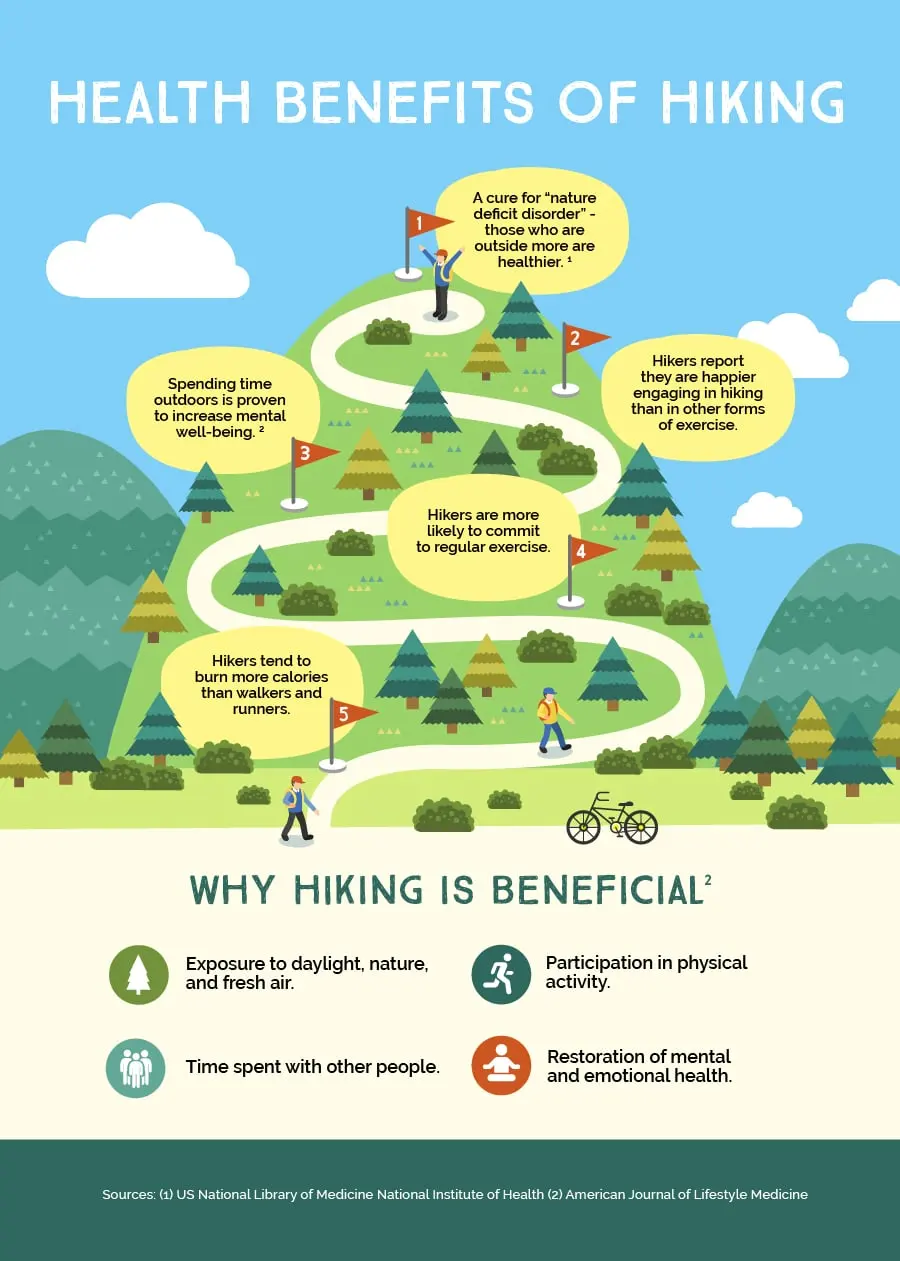
Beyond muscle tone, hiking is an effective method for weight management. Depending on the intensity of the trail and the weight of your pack, a person can burn between 300 and 600 calories per hour. Because it is a low-impact activity compared to running, it is often recommended for individuals looking to maintain joint health while increasing their daily energy expenditure.
- Start with flat, well-maintained trails to build initial stamina.
- Gradually increase the elevation gain to challenge your cardiovascular system.
- Use trekking poles to distribute weight and reduce impact on your knees.
Why does hiking improve mental health?
Spending time in natural environments, a practice often referred to as "forest bathing," has been scientifically shown to lower levels of cortisol, the body's primary stress hormone. Research published in the Proceedings of the National Academy of Sciences suggests that walking in nature reduces rumination, a pattern of negative thought associated with depression. The sensory experience of natural light, fresh air, and greenery provides a restorative break from the cognitive demands of urban life.
The mental benefits also include improved focus and creativity. Disconnecting from digital devices allows the brain to transition from a state of constant stimulation to a more relaxed, meditative state. This shift can lead to increased problem-solving abilities and a greater sense of life satisfaction. Many hikers report that the rhythmic nature of walking helps them process complex emotions and gain a clearer perspective on daily challenges.
How to prepare for a safe hike
Preparation is the most critical factor in ensuring a positive hiking experience. Before heading out, you must research the trail length, elevation profile, and current weather conditions. Always inform someone of your planned route and expected return time. Carrying the "Ten Essentials" is a standard safety protocol for hikers, ensuring you are prepared for unexpected changes or emergencies.
- Navigation: A physical map and compass or a reliable GPS device.
- Sun protection: Sunglasses, sunscreen, and a hat.
- Insulation: Extra clothing layers to manage body temperature.
- Illumination: A headlamp or flashlight with spare batteries.
- First aid: A basic kit for blisters and minor injuries.
- Fire: Matches or a lighter in a waterproof container.
- Repair kit: Multi-tool and duct tape for gear fixes.
- Nutrition: Extra food beyond your planned meals.
- Hydration: Water and a method to purify additional sources.
- Emergency shelter: A lightweight space blanket or bivy.
Common mistakes when hiking for beginners
One of the most frequent errors beginners make is overestimating their physical fitness. Attempting a long or steep trail without prior conditioning often leads to exhaustion or injury. It is better to start with shorter hikes and gradually increase the difficulty as your body adapts. Another common oversight is wearing improper footwear, such as flat-soled sneakers, which lack the traction and ankle support necessary for rocky or slippery terrain.
Hydration and nutrition mistakes also occur frequently. Many hikers wait until they feel thirsty to drink, which is often a sign that dehydration has already begun. Similarly, not consuming enough calories can lead to "bonking," a sudden loss of energy. Aim to drink small amounts of water consistently and eat energy-dense snacks like nuts, dried fruit, or granola bars throughout your hike to maintain steady blood glucose levels.
Best practices for trail etiquette
Respecting the environment and other hikers ensures that trails remain enjoyable and sustainable for everyone. The "Leave No Trace" principles are the gold standard for outdoor ethics. This includes packing out all trash, staying on marked paths to prevent soil erosion, and respecting wildlife by observing from a distance. By minimizing your impact, you help preserve the natural beauty of the wilderness for future generations of hikers.
When encountering others on the trail, follow basic right-of-way rules to keep traffic flowing smoothly. Hikers traveling uphill generally have the right of way, as they are working harder and maintaining a steady rhythm. If you are hiking in a group, walk in single file to allow others to pass easily. Always keep your music volume low or use headphones to ensure that you do not disturb the natural sounds of the forest or other visitors seeking tranquility.
Key facts
- Hiking can burn between 300 and 500 calories per hour depending on the incline and the weight of your pack.
- The "Ten Essentials" list, first formalized by The Mountaineers in 1974, includes navigation, headlamp, sun protection, first aid, knife, fire, shelter, extra food, extra water, and extra clothes.
- Walking on uneven terrain engages stabilizer muscles in the ankles, knees, and core that are often neglected in gym-based treadmill workouts.
- Studies from the University of Michigan show that spending just 20 minutes in nature significantly lowers cortisol levels, the body's primary stress hormone.
- Proper footwear should be broken in on short walks before a long hike to prevent friction blisters, which are the most common injury on the trail.
- Always follow "Leave No Trace" principles, which include packing out all trash and staying on marked trails to protect fragile ecosystems.
The bottom line
Hiking offers a comprehensive approach to health, combining cardiovascular exercise with the mental clarity provided by natural environments. By preparing with the right gear, respecting wildlife, and understanding basic navigation, you can safely explore diverse landscapes. Whether you seek physical fitness or a psychological escape from modern stressors, hiking remains one of the most accessible and rewarding ways to engage with the outdoors responsibly.
People also ask
How do I choose the right hiking boots?
Select boots based on the terrain; choose lightweight trail runners for maintained paths and sturdy, high-cut boots for rocky, uneven ground. Ensure there is a thumb's width of space in the toe box to prevent bruising on descents.
What should I do if I encounter a wild animal?
Give the animal plenty of space and never attempt to feed or approach it. If you see a bear or mountain lion, back away slowly while maintaining eye contact and do not turn your back or run.
How much water should I carry?
A general rule of thumb is to carry at least half a liter of water for every hour of moderate hiking. Adjust this amount upward if the weather is hot or the trail involves significant elevation gain.
What is the best way to prevent altitude sickness?
Ascend gradually to allow your body to acclimatize to lower oxygen levels, ideally keeping gains under 1,000 feet per day above 8,000 feet. Stay well-hydrated and avoid alcohol, which can exacerbate dehydration and symptoms like headaches or nausea.
Can I hike alone safely?
Solo hiking is safe if you tell someone exactly where you are going and when you expect to return. Carry a satellite messenger or a physical map and compass, as cell service is often unreliable in wilderness areas.
How do I read a topographic map?
Look for contour lines, which represent elevation; lines spaced closely together indicate a steep slope, while lines spaced far apart indicate flat ground. Learning these symbols allows you to predict the difficulty of a trail before you start.
This answer was created with the help of AI research tools and reference sources. Spotted an error? Let us know — we correct mistakes quickly. See our editorial policy.