What are the benefits of doing crafts?
Short answer
Engaging in crafts provides significant cognitive, emotional, and physical benefits. It reduces cortisol levels, improves fine motor skills, and fosters a state of "flow" that enhances mental well-being. By stimulating creative problem-solving and providing a tangible sense of accomplishment, crafting serves as a productive outlet for stress relief and cognitive maintenance.
On this page
How crafting improves mental health
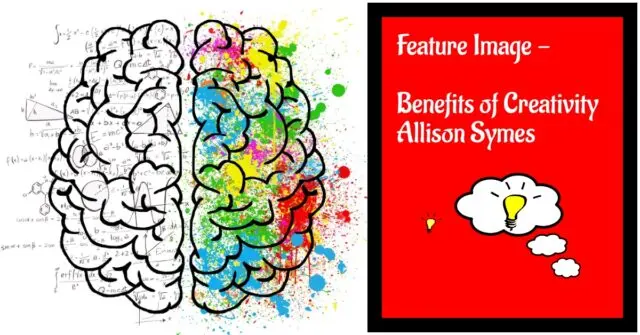
Participating in creative activities like knitting, pottery, or woodworking triggers the release of dopamine, the brain's "feel-good" neurotransmitter. Research suggests that repetitive, rhythmic motions found in crafts act similarly to meditation, helping to lower heart rates and decrease blood pressure. This state of deep focus, often described by psychologists as "flow," allows individuals to disconnect from daily stressors and intrusive thoughts.
Beyond immediate stress relief, consistent crafting builds resilience and self-esteem. Completing a project provides a measurable sense of achievement, which is particularly beneficial for those struggling with anxiety or depression. By focusing on manual tasks, the brain shifts away from rumination, promoting a calmer, more grounded perspective. Experts often recommend these activities as a form of "art therapy" to help process complex emotions in a non-verbal way.
Best crafts for beginners to start
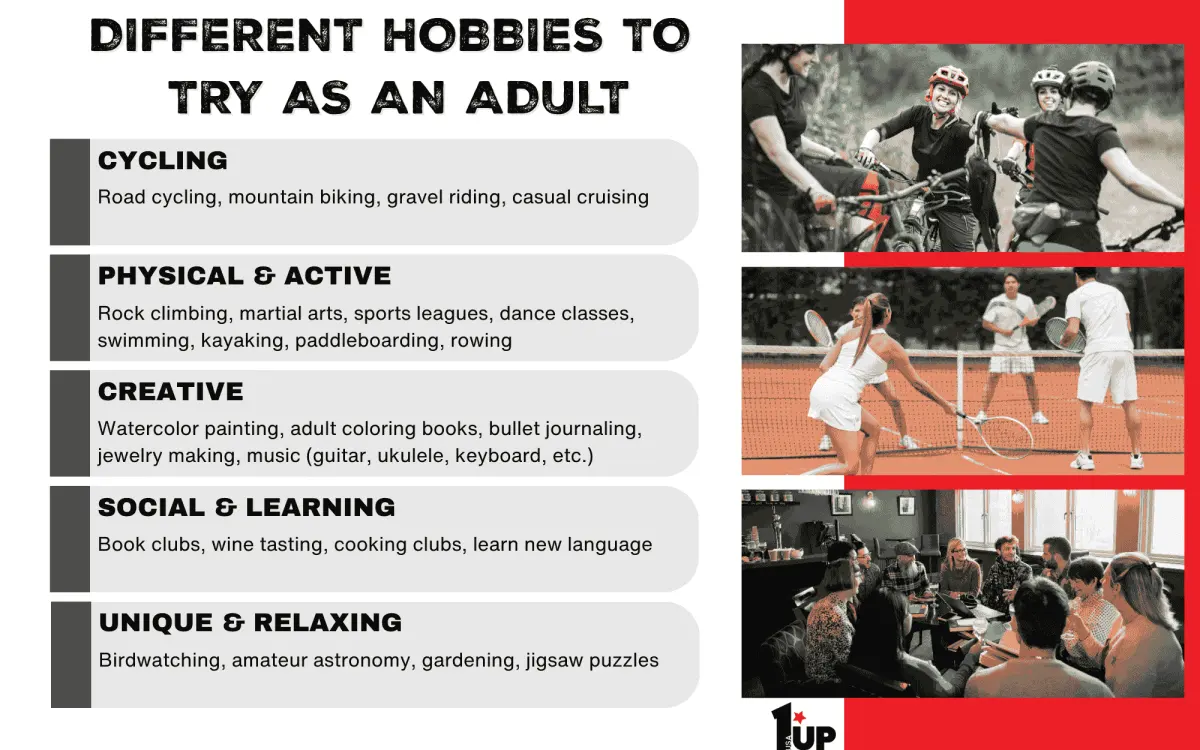
If you are new to the world of crafting, it is best to choose projects that require minimal investment and offer quick results. Starting with complex endeavors can lead to frustration, so prioritize activities that allow for rapid skill acquisition. Consider these accessible options:
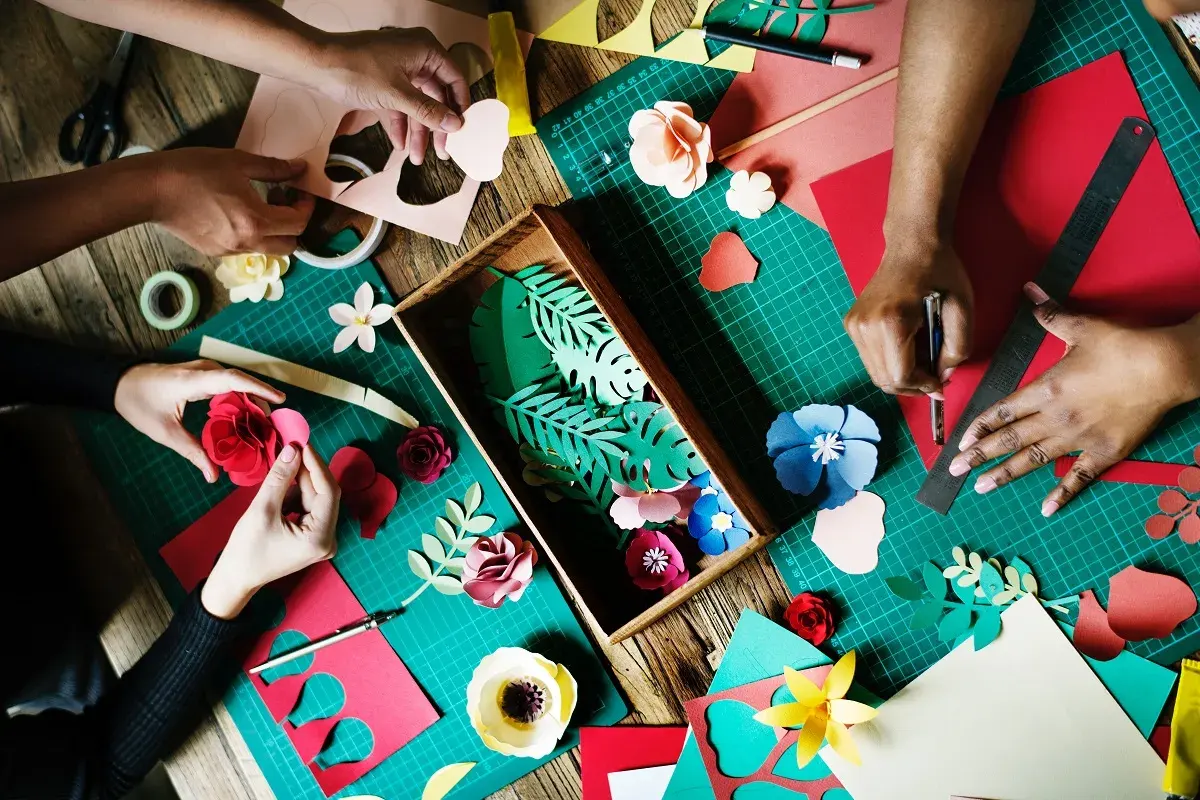
- Paper crafting: Requires only scissors, glue, and cardstock to create cards or origami.
- Hand embroidery: Needs just a hoop, needle, thread, and fabric to practice basic stitches.
- Watercolor painting: Offers a forgiving medium that allows for experimentation with color and texture.
- Macramé: Uses simple knotting techniques with cotton cord to create wall hangings or plant holders.
Focusing on these entry-level crafts allows you to master fundamental techniques without feeling overwhelmed. As you gain confidence, you can gradually introduce more specialized tools and complex patterns. The goal is to establish a habit of creation rather than aiming for perfection in your initial attempts.
How long does it take to see benefits
The positive effects of crafting are often felt almost immediately upon starting a project. Within 15 to 30 minutes of engaging in a repetitive task, many people report a noticeable drop in tension and an improved mood. This rapid shift occurs because the brain prioritizes the tactile sensory input of the craft over external stressors. However, long-term neurological benefits, such as improved neural plasticity and fine motor dexterity, typically require consistent practice over several weeks or months.
To maximize these benefits, try to dedicate at least 20 minutes to your craft three times per week. This frequency is sufficient to maintain the "flow" state and keep your creative muscles engaged. Over time, you may find that your capacity for sustained attention increases in other areas of your life as well. The cumulative effect of these sessions contributes to a more stable emotional baseline and enhanced cognitive agility.
Common mistakes when starting a craft
Many beginners abandon their new hobby because they set unrealistic expectations or neglect the importance of the learning process. Avoiding these common pitfalls will ensure a more enjoyable experience:
- Buying expensive, professional-grade equipment before learning the basics.
- Attempting advanced patterns or complex designs without mastering foundational techniques first.
- Comparing your initial work to the polished projects of experts on social media.
- Working in a cluttered or poorly lit environment that hinders focus.
- Failing to read instructions thoroughly before beginning a multi-step project.
By focusing on the process rather than the final outcome, you remove the pressure to be perfect. If a project does not turn out as expected, view it as a learning opportunity rather than a failure. Crafting is a journey of skill development, and every mistake provides insight into how materials and tools interact.
Why crafting helps physical dexterity
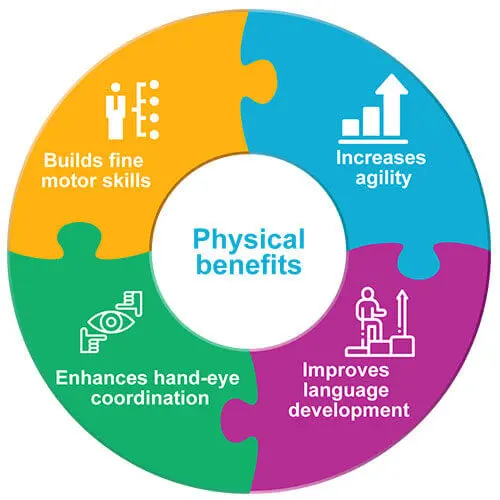
Engaging in manual crafts is an excellent way to maintain or improve fine motor skills and hand-eye coordination. Activities like beadwork, calligraphy, or sewing require precise movements that stimulate the small muscles in the hands and fingers. This is particularly important for aging populations, as these movements help preserve joint flexibility and dexterity. By challenging the brain to coordinate complex physical actions, you are essentially performing a workout for your nervous system.
Furthermore, crafting can help mitigate the effects of repetitive strain injuries caused by excessive computer use. By switching from a keyboard to a needle or paintbrush, you engage different muscle groups and encourage better blood flow to the extremities. This physical engagement, combined with the mental focus required, creates a holistic approach to self-care. Whether you are folding paper or carving wood, the act of creating something with your hands reinforces the vital connection between your mind and your physical capabilities.
Key facts
- Engaging in repetitive craft motions like knitting or embroidery can lower cortisol levels, the body’s primary stress hormone.
- Studies suggest that crafting stimulates the production of dopamine, a neurotransmitter associated with pleasure and motivation.
- Fine motor skills, such as those used in beadwork or calligraphy, help maintain hand-eye coordination and dexterity as people age.
- Crafting provides a "flow state," a psychological condition where an individual becomes fully immersed in an activity, leading to increased productivity.
- The use of tactile materials like clay or yarn provides sensory stimulation that can help ground individuals experiencing anxiety.
- Crafting in groups, such as quilting circles, reduces social isolation and fosters community belonging among participants.
The bottom line
Crafting is a versatile pursuit that offers tangible benefits for both mental and physical health. By engaging in creative activities, individuals can reduce stress, enhance cognitive function, and foster social connections. Whether through knitting, woodworking, or painting, the act of making things provides a productive outlet for self-expression. Starting with simple projects allows anyone to experience the calming, restorative power of hands-on creativity in their daily life.
People also ask
Can crafting help with chronic pain management?
Yes, crafting acts as a form of cognitive distraction, shifting the brain's focus away from pain signals. By concentrating on complex patterns or textures, individuals often report a subjective decrease in pain intensity.
Is crafting considered a form of meditation?
Many experts consider rhythmic crafts like weaving or crocheting to be meditative practices. These activities encourage mindfulness by requiring the practitioner to focus on the present moment and the physical sensation of the materials.
Do I need expensive equipment to start crafting?
Most crafts have entry-level versions that require minimal investment. For example, paper crafting or sketching requires only basic supplies like cardstock, pencils, and scissors, which are available at most local retailers.
What is the most common mistake beginners make when starting a new craft?
The most frequent error is attempting a complex project before mastering basic techniques. It is more effective to start with small, manageable tasks to build confidence and muscle memory before moving to advanced designs.
How much time should I spend crafting to see mental health benefits?
Research indicates that even short sessions of 20 to 30 minutes can significantly improve mood. Consistency is more important than duration, so integrating small craft breaks into a daily routine is highly effective.
Can crafting improve cognitive function in older adults?
Engaging in mentally stimulating hobbies like woodworking or intricate needlework has been linked to a lower risk of cognitive impairment. These activities challenge the brain to solve spatial problems and follow sequential instructions.
This answer was created with the help of AI research tools and reference sources. Spotted an error? Let us know — we correct mistakes quickly. See our editorial policy.