What are the benefits of walking?
Short answer
Walking is a low-impact, accessible exercise that significantly improves cardiovascular health, strengthens muscles, and enhances mental well-being. By incorporating regular brisk walks into a daily routine, individuals can effectively manage weight, reduce the risk of chronic diseases like type 2 diabetes, and boost overall energy levels without requiring specialized equipment.
On this page
How walking improves physical health
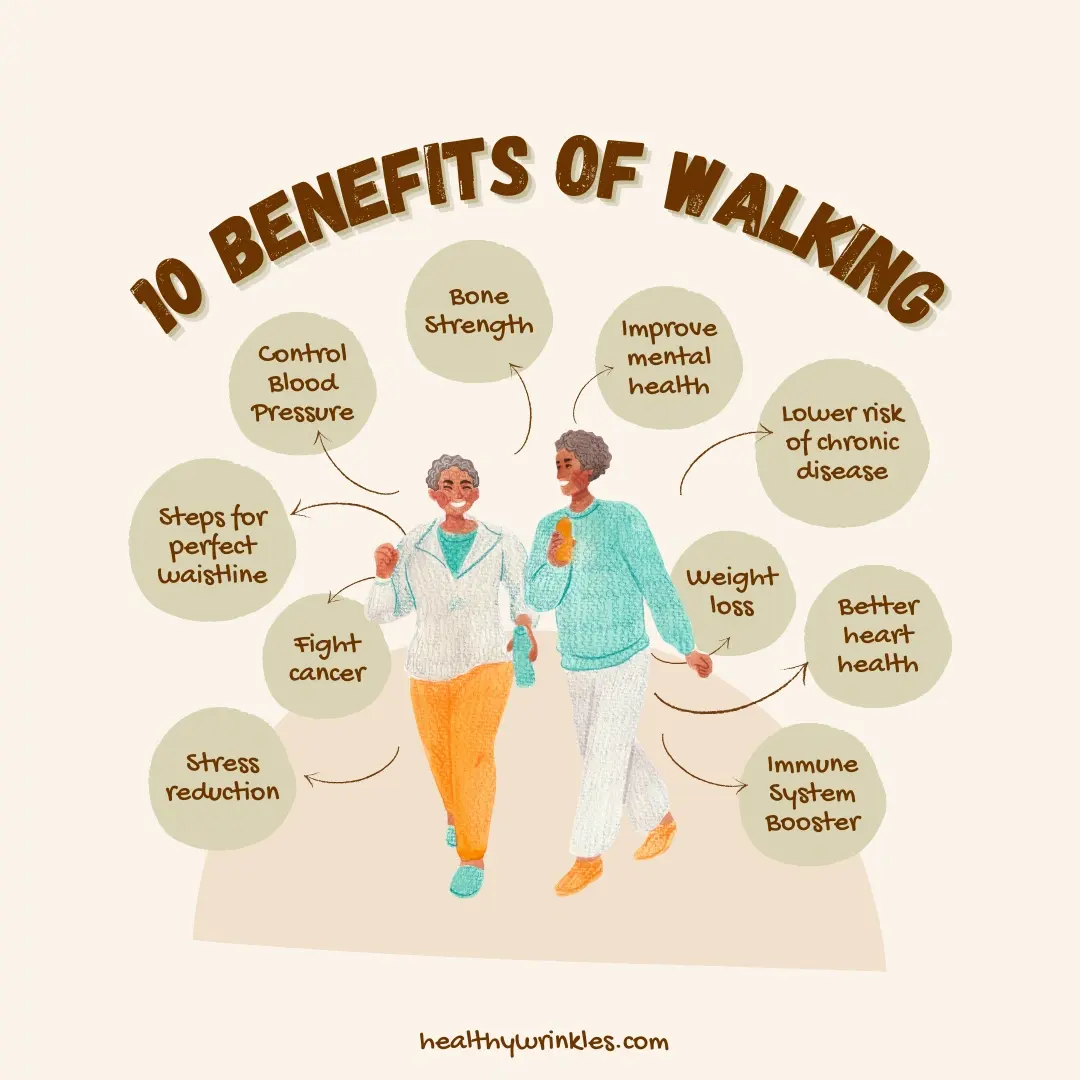
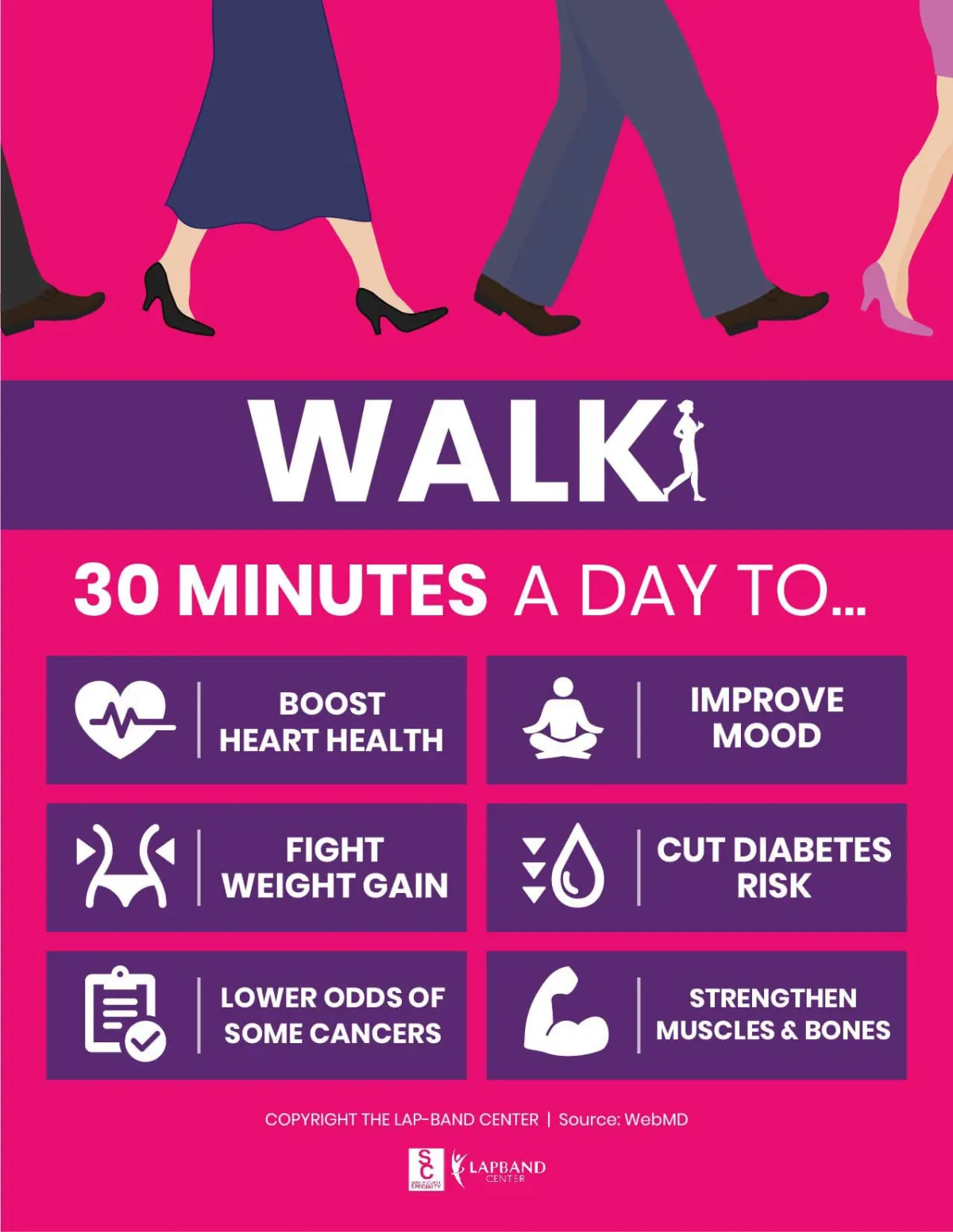
Regular walking serves as a powerful tool for maintaining cardiovascular integrity and metabolic health. When you walk briskly, your heart rate increases, which strengthens the heart muscle and improves blood circulation throughout the body. Research from the American Heart Association suggests that consistent walking can lower blood pressure and improve cholesterol levels, significantly reducing the risk of stroke and heart disease.
Beyond the heart, walking plays a critical role in weight management and bone density. Engaging in this weight-bearing exercise helps burn calories and builds muscle mass in the lower body, including the calves, hamstrings, and quadriceps. Over time, this activity increases bone mineral density, which is essential for preventing osteoporosis as the body ages. The following physiological benefits are commonly observed:
- Improved glycemic control and insulin sensitivity.
- Enhanced immune system function through regular movement.
- Increased lung capacity and oxygen efficiency.
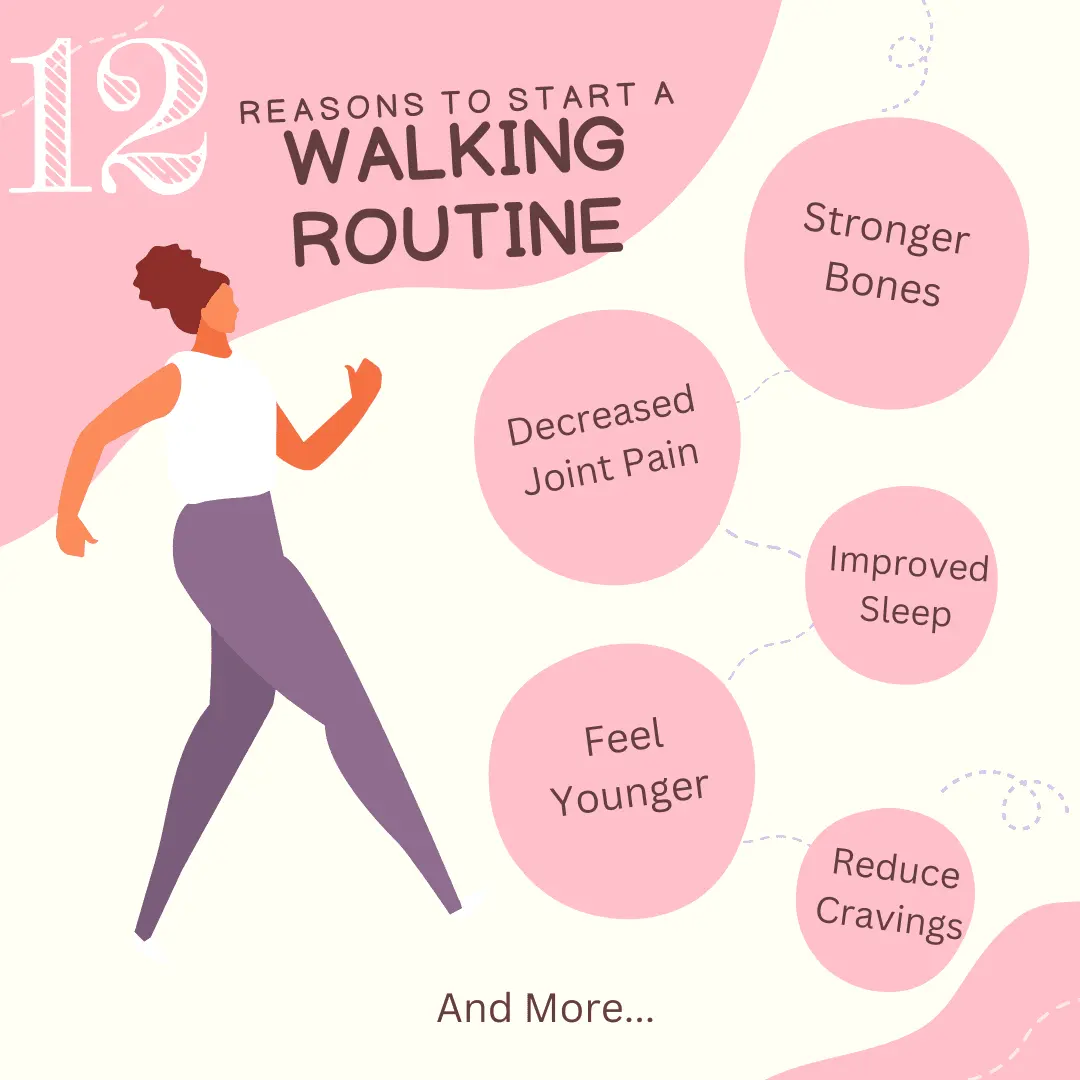
- Better joint lubrication, which reduces stiffness and pain.
Why walking boosts mental well-being
The psychological benefits of walking are as profound as the physical ones. Engaging in a walk, especially in natural settings, triggers the release of endorphins, the body’s natural feel-good chemicals. This process helps alleviate symptoms of anxiety and depression while providing a necessary mental break from the stressors of modern life. Many people find that a short walk acts as a "reset" button for the brain.
Furthermore, walking can enhance cognitive function and creativity. A study from Stanford University found that creative output increases by an average of 60 percent when a person is walking compared to sitting. This phenomenon occurs because the rhythmic nature of walking promotes a meditative state, allowing the mind to wander and make new connections. Incorporating a daily walk can lead to:
- Reduced cortisol levels, which lowers stress.
- Improved sleep quality by regulating the circadian rhythm.
- Sharper focus and better concentration during work tasks.
- Higher self-esteem through the achievement of daily activity goals.
Best walking routines for beginners
Starting a walking habit does not require an intense training regimen. For those new to exercise, the goal should be consistency rather than speed or distance. Begin by walking for 10 to 15 minutes at a comfortable pace, three to four times per week. As your fitness levels improve, you can gradually increase the duration by five minutes each week until you reach the recommended 150 minutes of moderate activity per week.
To build a sustainable routine, consider these practical steps:
- Choose a time of day that fits your natural energy levels, such as an early morning walk to start the day or an evening stroll to decompress.
- Invest in a pair of supportive, well-fitting athletic shoes to prevent foot fatigue and injury.
- Track your progress using a pedometer or a smartphone app to stay motivated.
- Find a walking partner or join a local group to increase accountability and social engagement.
Common mistakes when walking for exercise
Even a simple activity like walking can lead to discomfort or injury if performed incorrectly. A frequent mistake is failing to maintain proper posture, which can cause back and neck strain. Keep your head up, look forward rather than at your feet, and keep your shoulders relaxed. Engaging your core muscles slightly will provide stability and protect your spine during movement.
Another common error is ignoring the importance of a warm-up and cool-down. Jumping straight into a fast walk without preparing the muscles can lead to strains or soreness. Additionally, many beginners try to increase their distance too quickly, which often results in shin splints or tendonitis. To ensure a safe experience, avoid these habits:
- Wearing worn-out shoes that lack arch support or cushioning.
- Taking excessively long strides, which puts unnecessary stress on the knees and hips.
- Neglecting hydration, especially during warmer weather or longer sessions.
- Ignoring persistent pain in the feet, ankles, or shins.
How to stay motivated long-term
Maintaining a long-term walking habit requires variety and intentionality. If a routine becomes monotonous, your motivation will likely wane. Try changing your environment by exploring new parks, hiking trails, or different neighborhoods. Listening to podcasts, audiobooks, or music can also make the time pass more quickly and turn a routine walk into an enjoyable leisure activity.
Setting specific, measurable goals is another effective way to stay committed. Instead of just "walking more," aim for a specific milestone, such as completing a local 5K charity walk or hitting a certain number of steps per day. Celebrate these small victories to reinforce your commitment. Remember that progress is rarely linear; if you miss a day, simply resume your routine the next day without guilt. By viewing walking as a non-negotiable part of your self-care, you ensure that the physical and mental rewards continue to accumulate throughout your lifetime.
Key facts
- Walking for 30 minutes a day can reduce the risk of coronary heart disease by approximately 19 percent.
- Brisk walking burns roughly 100 calories per mile, depending on your body weight and pace.
- Regular walking improves bone density, which helps prevent osteoporosis and reduces the risk of fractures.
- Aim for 7,000 to 8,000 steps daily to see significant improvements in cardiovascular health and longevity.
- Maintain an upright posture with your chin parallel to the ground to prevent neck and back strain.
- Wear supportive athletic shoes with cushioned soles to protect your joints from repetitive impact.
The bottom line
Walking is a highly accessible and effective form of exercise that requires no special equipment beyond a sturdy pair of shoes. By incorporating a brisk daily walk into your routine, you can significantly improve your cardiovascular health, manage your weight, and enhance your mental well-being. Focus on consistency and proper form to maximize these benefits while minimizing the risk of injury over the long term.
People also ask
Is walking better than running for weight loss?
While running burns more calories per minute, walking is more sustainable for many people and carries a lower risk of injury. Consistency is the most important factor, so choose the activity you are most likely to perform daily.
Should I walk before or after eating?
Walking after a meal can help stabilize blood sugar levels and improve digestion. If you prefer walking before a meal, ensure you have enough energy to maintain a brisk pace without feeling lightheaded.
How can I tell if I am walking at a "brisk" pace?
A brisk pace is one where you can talk, but you cannot sing. You should feel your heart rate increase and notice a slight increase in your body temperature.
Does walking count as strength training?
Walking is primarily a cardiovascular exercise, but walking on inclines or carrying a light backpack can help tone leg muscles. For significant strength gains, you should supplement walking with resistance exercises like squats or lunges.
What is the most common mistake beginners make when walking?
Many beginners start with too much intensity or duration, leading to shin splints or fatigue. Gradually increase your distance by no more than 10 percent each week to allow your body to adapt.
Can walking help with mental health?
Yes, walking outdoors has been shown to reduce levels of cortisol, the body's primary stress hormone. Even a brief 10-minute walk can boost mood and improve cognitive function through increased blood flow to the brain.
This answer was created with the help of AI research tools and reference sources. Spotted an error? Let us know — we correct mistakes quickly. See our editorial policy.