Which animals can see in the dark?
Short answer
Many animals possess superior night vision due to specialized anatomical features like the tapetum lucidum, a reflective layer behind the retina. Nocturnal creatures such as owls, cats, tarsiers, and moths have evolved to hunt or navigate in near-total darkness, utilizing heightened light sensitivity and larger pupils to capture minimal ambient light.
On this page
How do animals see in the dark?
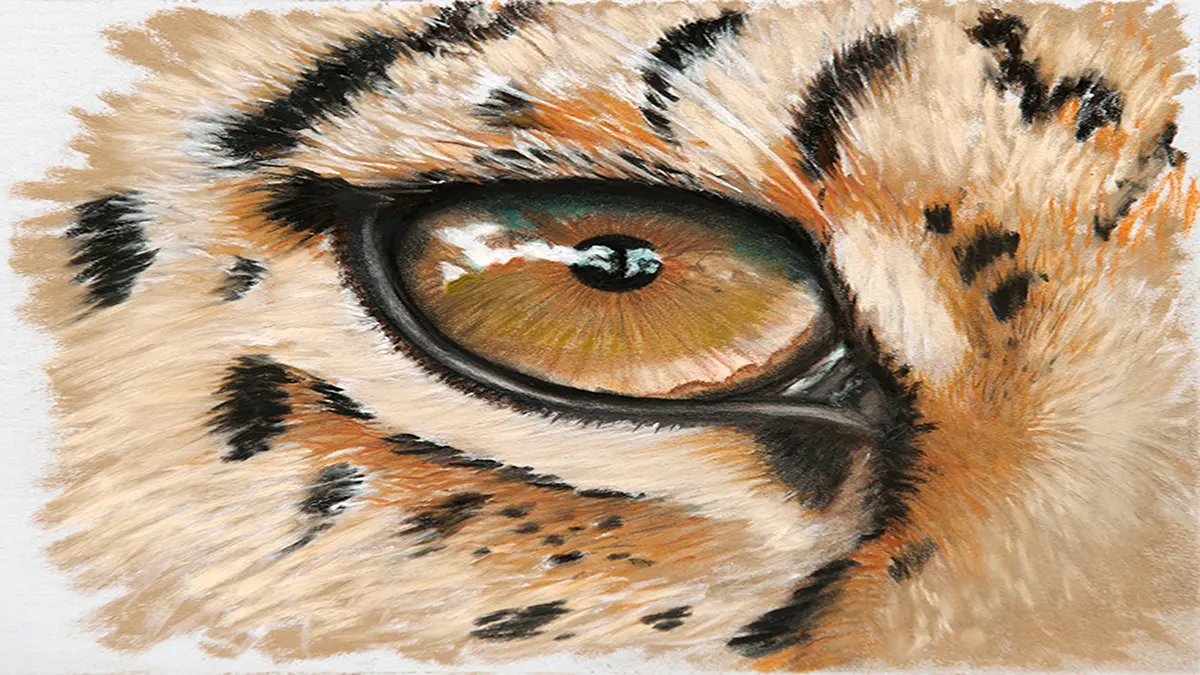
The primary mechanism behind nocturnal vision is the tapetum lucidum, a layer of tissue located directly behind the retina. This structure acts like a mirror, reflecting light that passes through the retina back into the photoreceptor cells, effectively giving the eye a second chance to absorb photons. This process significantly increases the animal's sensitivity to low-light environments, though it often results in a slight decrease in image sharpness.
Beyond the tapetum lucidum, many nocturnal animals possess a high density of rod cells within their eyes. Rods are photoreceptors specialized for detecting motion and light intensity rather than color. By prioritizing these cells over the color-sensing cones, animals can perceive shapes and movement in conditions that would appear completely black to a human. This biological trade-off is essential for survival, allowing predators to track prey and prey to detect threats during the night.
Which animals have the best night vision?
The animal kingdom features several masters of darkness, each utilizing unique adaptations to thrive after sunset. Some of the most notable examples include:
- Owls: Their large, tubular eyes are fixed in place, but they possess an extraordinary number of rods that allow them to hunt in near-total darkness.
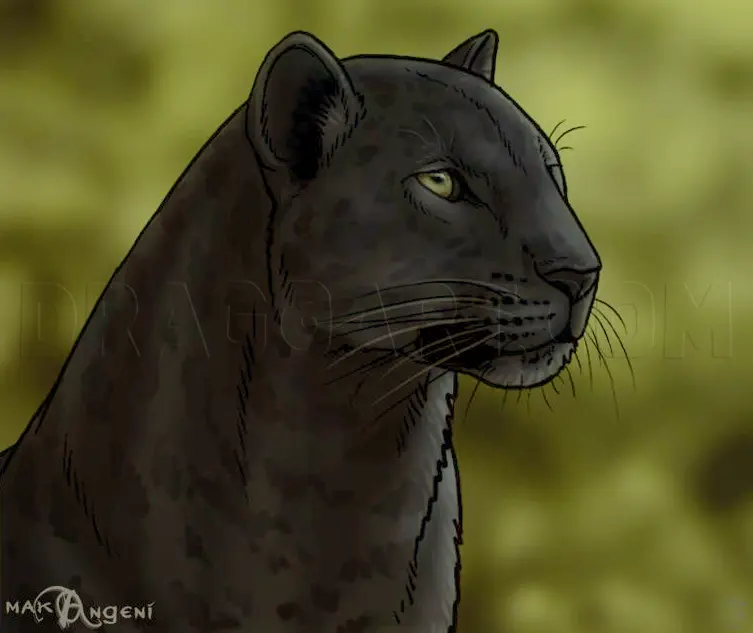
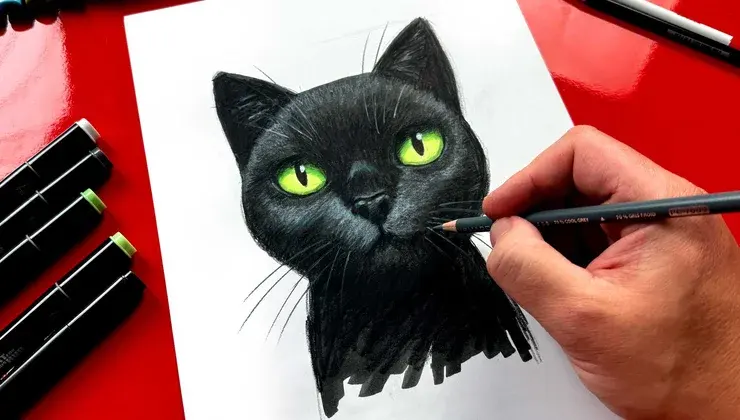
- Cats: Their pupils can dilate into massive circles, and their tapetum lucidum provides a reflective boost that makes their eyes glow in the dark.
- Tarsiers: These small primates have the largest eye-to-body size ratio of any mammal, enabling them to see clearly while hunting insects at night.
- Moths: Certain species have evolved compound eyes that can process images even under starlight, helping them navigate and find nectar sources.
These creatures have evolved over millions of years to occupy specific ecological niches. While their vision is not "night vision" in the technological sense of thermal imaging, it is highly optimized for the specific wavelengths of light available in natural nocturnal settings.
Why do animal eyes glow in the dark?
The phenomenon known as eyeshine is the direct result of the tapetum lucidum reflecting light. When a beam of light, such as a flashlight or car headlight, hits the eye of a nocturnal animal, it passes through the retina and bounces off this reflective layer. The light then exits the eye, creating the eerie, glowing effect often observed in cats, deer, and raccoons. The color of this reflection varies based on the chemical composition of the reflective tissues and the presence of pigments.
Common colors for eyeshine include yellow, green, white, or red. For instance, many predators like crocodiles exhibit a red glow, while domestic cats often show a greenish hue. This reflection is not a sign of the animal emitting light, but rather a passive reflection of external sources. Understanding this mechanism helps researchers track wildlife at night without needing expensive infrared equipment, as the eyeshine acts as a clear indicator of a creature's presence in the brush.

Common mistakes when observing nocturnal animals
When attempting to spot animals that see well in the dark, observers often make errors that compromise their safety and the animal's behavior. One frequent mistake is using high-intensity white light, which can temporarily blind nocturnal creatures or cause them to flee, as their eyes are highly sensitive to sudden brightness. Instead, use a red-filtered light, which is much less disruptive to their natural vision.
Another common oversight is failing to remain still and quiet. Nocturnal animals have evolved to rely heavily on sound and vibration to compensate for the limitations of darkness. If you are moving through the woods, your presence is likely detected long before you see the animal. To improve your chances of observing wildlife, follow these steps:
- Arrive at your location before sunset to allow your own eyes to adjust to the fading light.
- Position yourself downwind to prevent your scent from alerting nearby animals.
- Use binoculars with large objective lenses, which collect more light and provide a brighter image.
- Maintain a respectful distance to avoid causing stress to the animal.
How to improve your own night vision
Humans are primarily diurnal, meaning our eyes are built for daylight and lack a tapetum lucidum. However, you can optimize your vision for low-light conditions by understanding how the human eye adapts. It takes approximately 20 to 30 minutes for the human eye to reach its maximum sensitivity in the dark. During this time, the pupils dilate and the retina shifts from using cone cells to rod cells, which are much more sensitive to light.
To maintain your night vision, avoid looking directly at bright light sources, as even a brief exposure can reset the adaptation process. If you must use a light, use a dim red light, as red light is less likely to bleach the rhodopsin in your rods. Additionally, try using peripheral vision when scanning a dark environment. Because the center of the retina is packed with cones, looking slightly to the side of an object allows you to use the rod-rich peripheral areas of your retina, making it easier to detect faint shapes and movement in the dark.
Key facts
- Nocturnal animals possess a reflective layer behind the retina called the tapetum lucidum, which bounces light back through the eye to improve sensitivity.
- Cats can see in light levels six times lower than what is required for human vision.
- Owls have tubular-shaped eyes that cannot move in their sockets, so they must rotate their entire heads to track movement.
- Tarsiers have the largest eyes relative to their body size of any mammal, allowing them to hunt in near-total darkness.
- Sharks often possess a tapetum lucidum that enhances their ability to hunt in murky or deep-water environments.
- To preserve your own night vision, avoid looking at bright white light sources; use a red-tinted flashlight instead, as red light does not bleach rhodopsin in the eyes.
The bottom line
Many animals navigate the dark by utilizing specialized biological structures like the tapetum lucidum or infrared sensors. While humans lack these advanced adaptations, we can maximize our limited night vision by allowing sufficient time for dark adaptation and avoiding exposure to bright light. Understanding these differences highlights the diverse evolutionary strategies that allow wildlife to thrive in environments where visibility is significantly restricted by the absence of light.
People also ask
Do all animals with glowing eyes see well in the dark?
While a reflective tapetum lucidum indicates an animal is adapted for low-light conditions, it does not guarantee high-resolution vision. Many animals with reflective eyes rely more on motion detection than on fine detail or color recognition.
Can humans improve their ability to see in the dark?
Humans cannot biologically evolve night vision, but you can improve your performance by allowing 20 to 30 minutes for your eyes to dark-adapt. Avoiding bright light exposure and consuming a diet rich in Vitamin A helps maintain the health of your retinal cells.
Why do my pet's eyes glow in photographs?
That glow is caused by light reflecting off the tapetum lucidum at the back of the eye. When a camera flash hits this reflective layer, it bounces back directly into the lens, creating the characteristic green or yellow shine.
Is black-and-white vision better for low light?
Yes, monochromatic vision is generally more effective in the dark because rod cells, which detect light and motion, are more sensitive than color-detecting cone cells. Nocturnal animals typically have a higher ratio of rods to cones in their retinas.
Do snakes see in the dark?
Many snakes use infrared thermal imaging rather than traditional sight to "see" in the dark. Specialized pit organs on their faces detect the body heat of prey, allowing them to strike accurately even without any visible light.
Does wearing sunglasses during the day help with night vision?
Wearing sunglasses on a bright day can prevent your eyes from bleaching out, which may help you adapt to darkness faster once the sun sets. However, this is a minor effect compared to the natural physiological adjustment of your pupils and retinal chemistry.
This answer was created with the help of AI research tools and reference sources. Spotted an error? Let us know — we correct mistakes quickly. See our editorial policy.