How do you draw a city at night?
Short answer
Drawing a city at night requires prioritizing high-contrast lighting and deep shadows. Start by establishing a dark background, then build up luminous windows, streetlights, and neon signs using lighter, vibrant pigments. Focus on the interplay between silhouettes and glowing light sources to create depth, atmosphere, and a compelling sense of urban nocturnal energy.
On this page
How to capture city lights and reflections
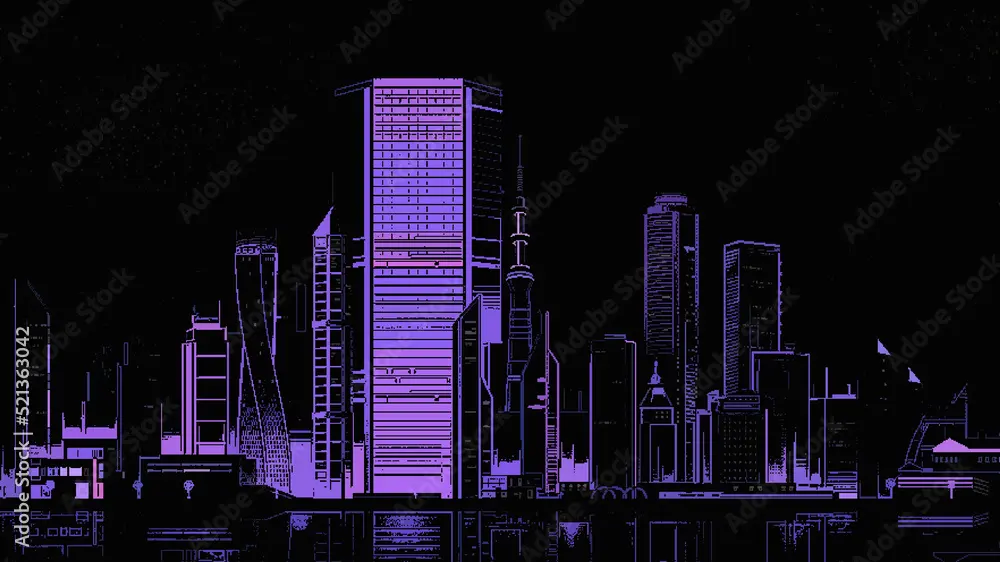
The key to a convincing night scene is understanding that light sources are the primary focus. In a city at night, the darkness is not absolute; it is filled with ambient glows from streetlamps, vehicle headlights, and illuminated building interiors. To begin, establish your darkest values first using charcoal, ink, or deep-toned paint. Once the foundation is set, introduce light sources sparingly to maintain the dramatic contrast that defines nocturnal urban environments.
Reflections on wet pavement or glass surfaces are essential for adding realism. When drawing reflections, remember that they are typically vertical distortions of the light source above them. Use these techniques to enhance your composition:
- Use a white gel pen or opaque gouache for sharp, bright highlights.
- Keep reflection edges slightly softer than the original light source.
- Vary the length of light streaks to mimic the texture of the ground.
- Use cool blues or purples for shadows to contrast with warm yellow artificial lights.
Best drawing materials for night scenes
Choosing the right tools can significantly simplify the process of rendering darkness. High-pigment materials are necessary because you need to cover large areas with deep, saturated colors without leaving streaks. For sketching, soft graphite pencils (6B or higher) or carbon pencils provide the density required for dark skies and shadowed alleys. If you are working in color, pastels or acrylics are excellent because they allow you to layer light colors over dark backgrounds easily.
Paper selection is equally important when working with high-contrast night themes. Consider these recommendations for your workspace:
- Toned paper: Using gray or black paper eliminates the need to fill in the background, allowing you to focus entirely on drawing the lights.
- Heavy-weight paper: If you plan to use multiple layers of paint or ink, choose paper that will not buckle or warp under moisture.
- White ink pens: These are indispensable for drawing fine details like distant windows or thin power lines against a dark sky.
- Blending stumps: Use these to soften the transition between glowing light and the surrounding darkness.
How to create depth in a city skyline
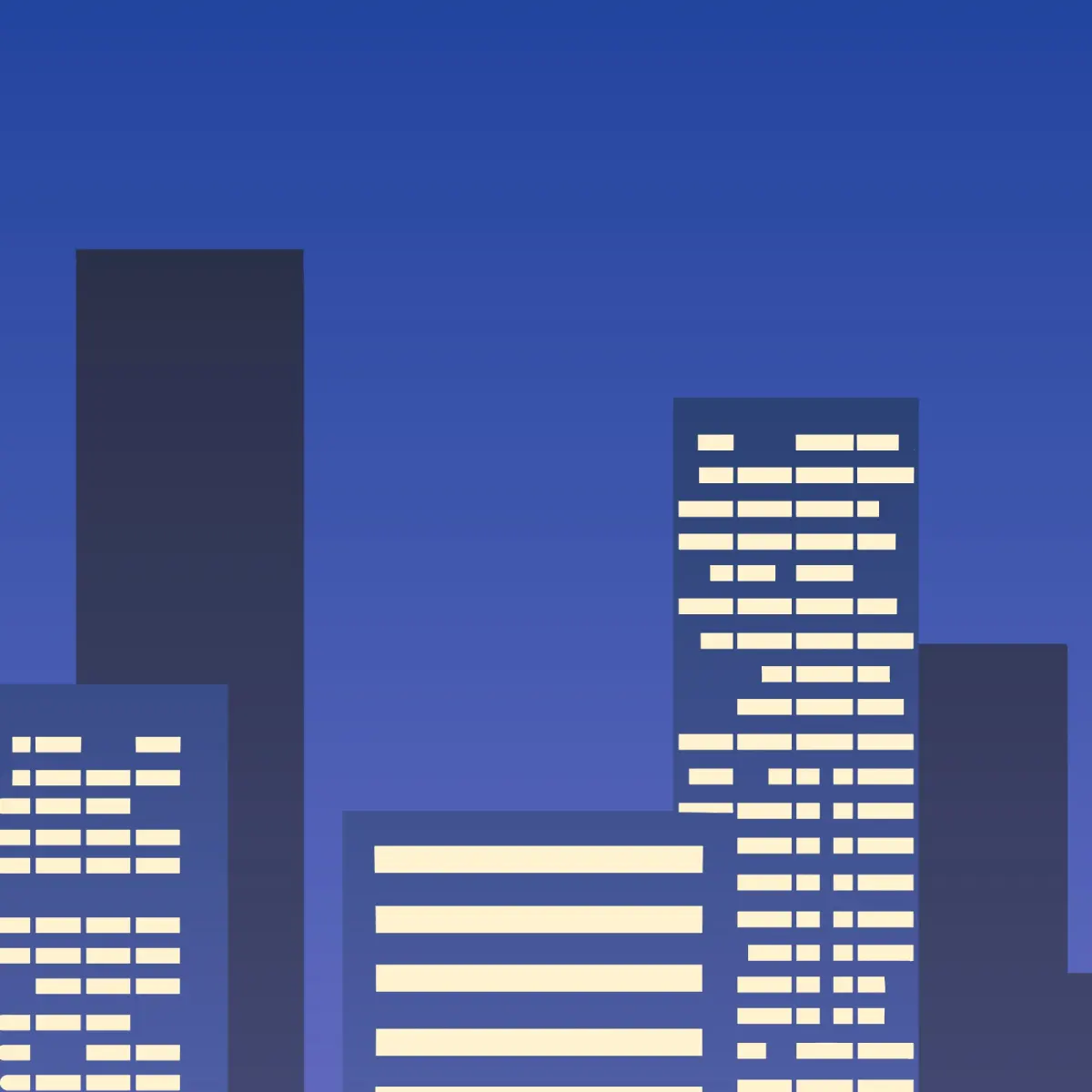
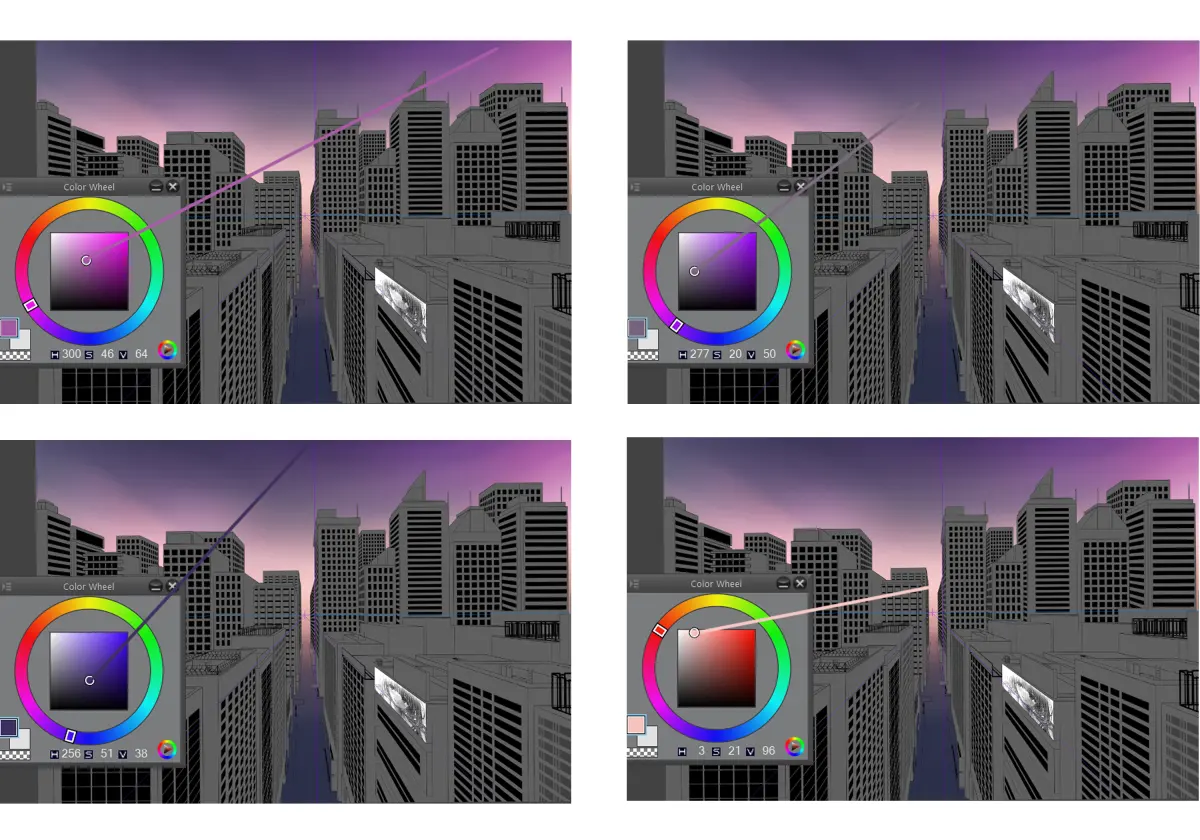
Creating a sense of scale is vital to prevent a city drawing from looking like a flat, two-dimensional shape. You can achieve depth by utilizing atmospheric perspective, which suggests that objects further away appear fainter and cooler in color. In a night scene, distant buildings should have softer edges and less intense light compared to the sharp, high-contrast structures in the foreground. This visual hierarchy helps the viewer navigate the space and understand the city's vast layout.
Another effective method involves layering silhouettes. By placing dark, solid shapes of buildings in the foreground, you create a frame that draws the eye toward the illuminated center of the composition. Ensure that your foreground buildings have minimal detail, as they should act as a dark boundary. As you move toward the middle ground, increase the amount of detail, such as individual window panes or signage, to create a natural progression of focus that leads the viewer deeper into the urban environment.
Common mistakes when drawing cityscapes
One of the most frequent errors is over-detailing the entire image. Beginners often attempt to draw every single window or brick they see, which results in a cluttered and confusing drawing. Instead, focus on the "big shapes" first. Group clusters of windows together into single blocks of light rather than outlining every individual frame. This simplification makes the final image much more readable and allows the viewer to focus on the overall mood rather than getting lost in unnecessary, tiny details.
Another common pitfall is failing to maintain consistent light sources. If you place a streetlamp on the left side of the street, ensure that its glow illuminates the nearby walls and objects from that specific angle. Inconsistent shading can make a drawing feel disjointed or physically impossible. Avoid these common oversights:
- Neglecting the "glow" effect around bright lights, which should bleed slightly into the surrounding dark areas.
- Making the sky completely pitch black, which can look flat; try adding subtle gradients of deep navy or charcoal.
- Forgetting to account for the silhouettes of people or cars, which add life and scale to the city.
How to add atmosphere and mood
Atmosphere is what turns a simple drawing into a narrative scene. You can suggest weather conditions like fog or rain by softening the edges of your light sources and adding vertical streaks to the ground. A misty night will cause lights to bloom, creating a hazy halo effect around streetlamps. By blurring the edges of these halos, you instantly communicate a damp, cool, or mysterious environment to the observer, which adds emotional weight to your artistic work.
Finally, consider the color temperature of your light sources to influence the mood. A city filled with warm, yellow incandescent lights feels inviting and nostalgic, while a city dominated by cool, blue-toned LEDs or neon signs feels modern, clinical, and perhaps slightly lonely. By consciously choosing your color palette, you can dictate the emotional response of the viewer. Experiment with these variations to see how changing the "temperature" of your lights alters the entire personality of your nocturnal city drawing.
Key facts
- Use a dark base color like indigo or charcoal instead of pure black to maintain depth and color harmony.
- Apply the "rule of three" for lighting: include bright highlights, mid-tone reflections, and deep shadows to create contrast.
- Draw windows as small, repetitive geometric shapes, but vary their brightness to simulate different interior lighting.
- Incorporate vertical lines for skyscrapers and horizontal lines for streets to establish a clear architectural perspective.
- Use a white gel pen or gouache for sharp, crisp light sources like streetlamps, neon signs, and headlights.
- Add "glow" by lightly smudging soft pastels or colored pencils around light sources to mimic atmospheric diffusion.
The bottom line
Drawing a city at night relies on mastering the interplay between deep shadows and piercing light. By using a dark, layered base and focusing on the contrast of neon highlights against architectural silhouettes, you can create a compelling nocturnal scene. Remember to prioritize atmospheric depth and light diffusion over rigid detail. With these techniques, you can effectively capture the vibrant, energetic essence of an urban landscape after dark.
People also ask
How do I make city lights look like they are glowing?
You can achieve a glow effect by layering a soft, light-colored pigment around a sharp white center. Avoid over-blending, as this makes the light look muddy rather than radiant.
What is the best way to draw reflections on wet pavement?
Draw vertical, jagged streaks of color directly beneath your light sources to mimic reflections on rain-slicked surfaces. Keep these lines slightly distorted to suggest movement and water ripples.
Should I draw every single window in a skyscraper?
Avoid drawing every individual window, as this creates a cluttered and unrealistic look. Focus on suggesting the pattern of windows through rhythmic, simplified marks and varying the opacity.
How do I create a sense of depth in a night scene?
Use atmospheric perspective by making distant buildings slightly lighter or bluer than those in the foreground. This technique mimics how air particles scatter light over long distances.
What colors work best for a night sky?
Instead of flat black, mix deep blues, purples, and dark greens to give the sky visual interest. This prevents the background from looking like a void and adds a sophisticated mood to the piece.
How can I make a city look busy without drawing too many people?
Use long, streaking lines of color to represent moving car headlights and taillights. These light trails imply motion and density without requiring detailed figures.
This answer was created with the help of AI research tools and reference sources. Spotted an error? Let us know — we correct mistakes quickly. See our editorial policy.