How do you make sourdough bread?
Short answer
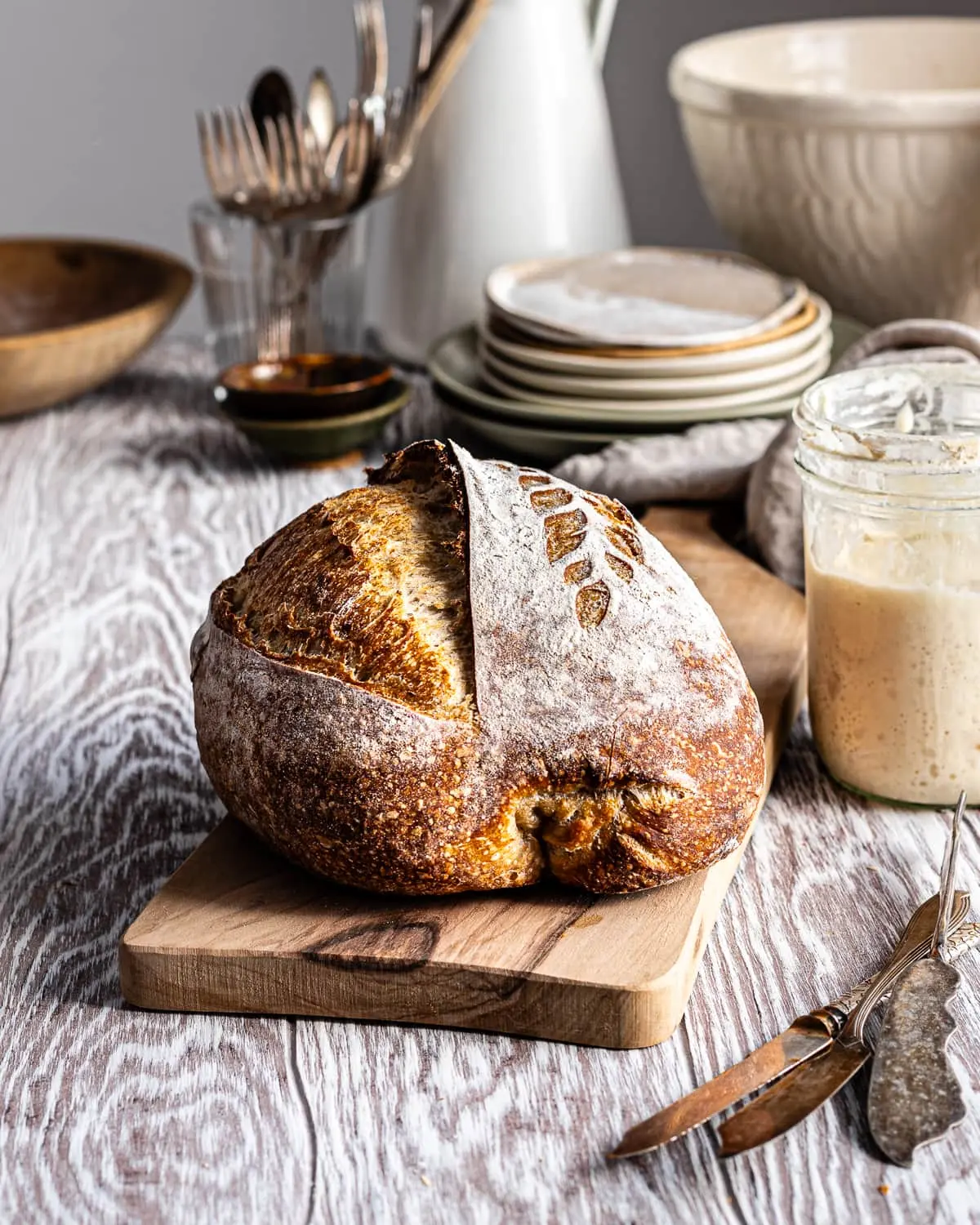
Sourdough bread is made by fermenting a mixture of flour and water with a wild yeast culture known as a starter. Through a process of mixing, folding, proofing, and baking, the natural bacteria create a distinct tangy flavor and chewy texture, requiring patience and consistent temperature control to achieve success.
On this page
How to make a sourdough starter
A sourdough starter is a living culture of wild yeast and lactic acid bacteria. To begin, mix equal parts by weight of whole wheat flour and filtered water in a clean glass jar. Cover it loosely and let it sit at room temperature for 24 hours. The goal is to capture natural microbes from the environment and the flour itself.
Each day for the next week, you must "feed" the starter by discarding half of the mixture and adding fresh flour and water. You will know it is ready to bake with when it reliably doubles in size within four to six hours of feeding. A healthy starter should smell pleasantly acidic, similar to yogurt or vinegar, and exhibit a bubbly, active consistency.
- Combine 50 grams of flour and 50 grams of water.
- Discard half the mixture daily.
- Replenish with 50 grams of flour and 50 grams of water.
- Repeat until the starter is consistently active and bubbly.
How long does it take to make sourdough bread
The entire sourdough process typically spans two days, though the active hands-on time is relatively low. The first day involves mixing the dough, performing a series of "stretch and folds" to build structure, and allowing for a bulk fermentation period. This primary rise can take anywhere from four to eight hours depending on the ambient kitchen temperature.
After shaping the dough, most bakers place it in a proofing basket and refrigerate it overnight. This cold retardation stage, lasting 8 to 24 hours, develops the complex flavor profile and makes the dough easier to score before baking. While the total timeline is long, the actual labor is spread out, making it manageable for home bakers to fit into a busy schedule.
Best flour for sourdough beginners
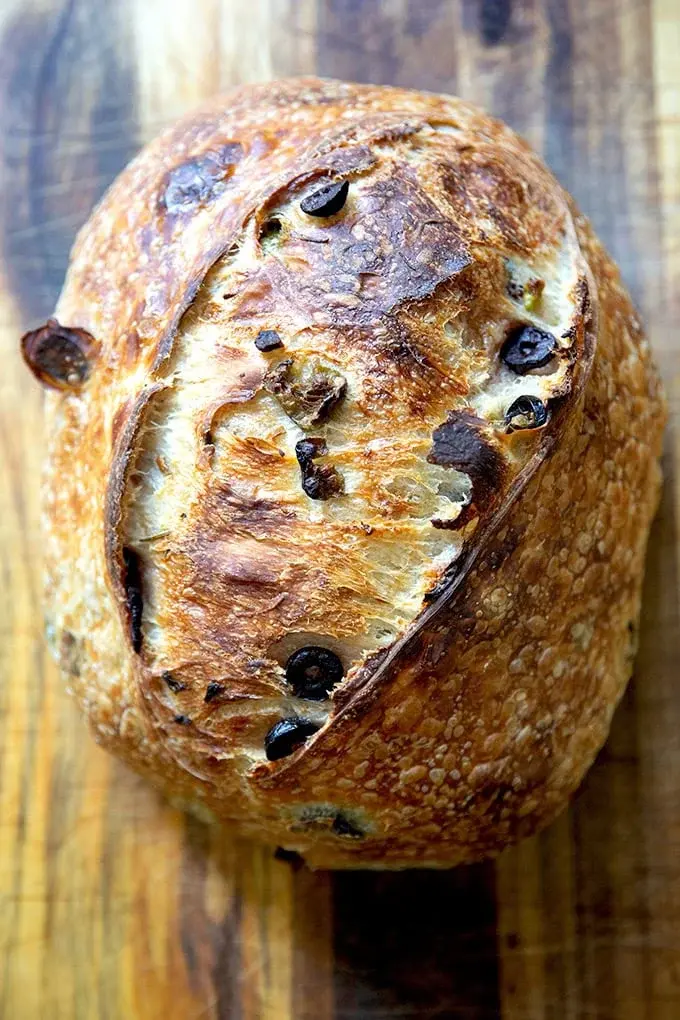
Bread flour is the gold standard for sourdough because it contains a higher protein content than all-purpose flour. This protein creates a stronger gluten network, which is essential for trapping the carbon dioxide gas produced during fermentation. A strong gluten structure ensures the bread rises properly and develops a light, airy crumb rather than a dense, flat loaf.
While bread flour is ideal, many bakers incorporate a small percentage of whole wheat or rye flour to provide nutrients for the yeast. These darker flours accelerate fermentation and add depth to the flavor. Beginners should start with a high-quality unbleached bread flour to maintain consistency while learning how the dough feels and behaves during the folding stages.
- High-protein bread flour (12-14% protein) for structure.
- Whole wheat or rye flour for added fermentation activity.
- Filtered water to avoid chlorine, which can inhibit yeast.
- Fine sea salt to regulate fermentation and enhance flavor.
Why sourdough bread gets gummy
A gummy or dense texture is usually the result of cutting into the loaf while it is still hot. As bread cools, the internal structure continues to set through a process called starch retrogradation. If you slice it too soon, the steam escapes prematurely, leaving the interior moist and sticky. Always wait at least two hours for the loaf to cool completely on a wire rack.
Another common cause is under-fermentation during the bulk rise. If the yeast has not produced enough gas or the gluten has not fully developed, the bread will lack the necessary structure to support its own weight. Ensure the dough has increased significantly in volume and shows bubbles on the surface before shaping. Using a digital scale to measure ingredients accurately prevents the common issue of using too much water.
Common mistakes when baking sourdough
The most frequent error is neglecting the "stretch and fold" technique, which replaces traditional kneading. Instead of working the dough aggressively, gently pull the edges of the dough toward the center every 30 minutes during the first two hours. This strengthens the gluten without deflating the air bubbles. Failing to perform these folds results in a flat, pancake-like loaf.
Another mistake is improper scoring before the bread enters the oven. Scoring—making a shallow cut on the surface with a sharp blade—controls where the bread expands as it hits the heat. Without a proper score, the loaf may burst in unpredictable spots. Finally, avoid using an oven that is too cool. A preheated Dutch oven is essential, as it traps steam during the first 20 minutes of baking, allowing the crust to expand fully before it hardens.
Key facts
- Sourdough relies on wild yeast and lactic acid bacteria rather than commercial baker's yeast to leaven the dough.
- A starter is a fermented mixture of flour and water that must be "fed" regularly to remain active.
- Hydration refers to the ratio of water to flour, with most sourdough recipes using 65% to 80% hydration.
- Bulk fermentation, the period where the dough rises before shaping, is critical for developing flavor and structure.
- Scoring the top of the loaf with a sharp blade or lame allows the bread to expand predictably in the oven.
- A Dutch oven is the best tool for home bakers because it traps steam, which is essential for a crispy crust.
The bottom line
Making sourdough bread is a rewarding practice that combines science and patience. By nurturing a wild yeast starter and mastering the rhythm of folding, proofing, and baking, you can produce artisanal loaves with superior flavor and texture. While the process requires attention to detail—especially regarding temperature and timing—the result is a nutritious, crusty bread that serves as a testament to the simplicity of traditional baking.
People also ask
How long does it take to make a loaf of sourdough bread?
The process typically spans two days, including the time needed to build the levain and complete the bulk fermentation. While the actual hands-on time is minimal, the dough requires several hours of resting and proofing to develop properly.
Can I use whole wheat flour for my starter?
Yes, whole wheat flour contains more nutrients and wild yeast than white flour, which can make a starter more active. Many bakers use a blend of whole wheat and bread flour to achieve the best balance of fermentation speed and dough strength.
Why did my sourdough bread turn out flat?
A flat loaf often results from over-proofing the dough or using a starter that was not sufficiently active. Ensure your starter has doubled in size before mixing, and monitor the dough closely during the final proof to prevent it from collapsing.
Do I need a banneton to proof my dough?
A banneton, or proofing basket, helps the dough maintain its shape and creates a decorative pattern on the crust. If you do not have one, a bowl lined with a well-floured kitchen towel works as an effective substitute.
How should I store sourdough bread?
Store your bread at room temperature in a paper bag or a bread box to maintain a crisp crust. Avoid plastic bags, as they trap moisture and will cause the crust to become soft and chewy within hours.
Is sourdough healthier than regular bread?
Sourdough is often easier to digest because the fermentation process breaks down gluten and reduces phytic acid. This process also lowers the glycemic index of the bread, which can lead to a slower rise in blood sugar levels.
This answer was created with the help of AI research tools and reference sources. Spotted an error? Let us know — we correct mistakes quickly. See our editorial policy.