How is vinegar made?
Short answer
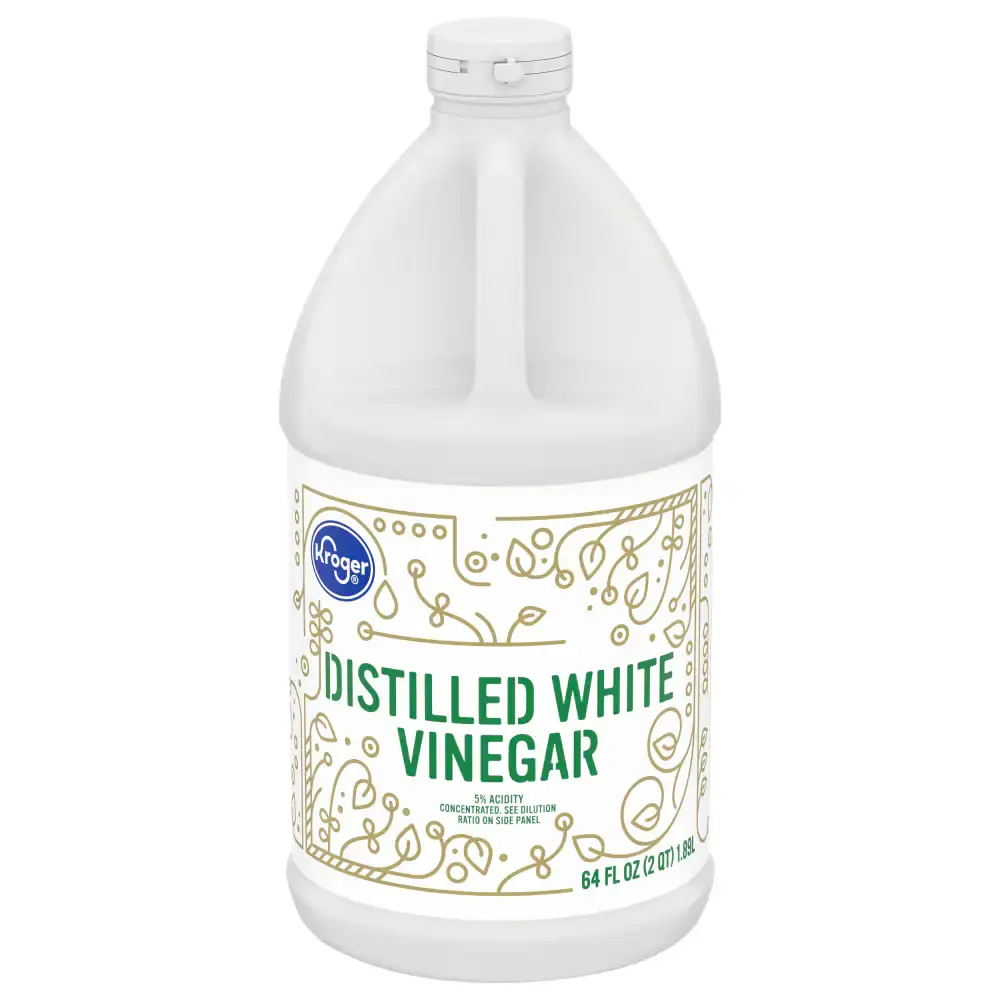
Vinegar is produced through a two-step fermentation process. First, yeast converts sugars into alcohol. Second, Acetobacter bacteria consume that alcohol, oxidizing it into acetic acid. This transformation requires oxygen and time, turning liquids like wine, cider, or beer into the acidic, flavorful condiment known as vinegar used in cooking and preservation.
On this page
How does the fermentation process work?
The creation of vinegar relies on the biological activity of microorganisms. It begins with an alcoholic liquid, such as fruit juice, wine, or a grain mash. Yeast is introduced to this liquid, where it feeds on natural sugars and converts them into ethanol and carbon dioxide. This is the same process used to make beer or wine.
Once the alcohol content is established, the second phase begins with the introduction of acetic acid bacteria, commonly known as the "mother of vinegar." These bacteria require oxygen to thrive and metabolize the ethanol, transforming it into acetic acid and water. The resulting liquid is a dilute solution of acetic acid that carries the flavor profile of the original substrate.
- Sugars are converted to alcohol by yeast in an anaerobic environment.
- The liquid is exposed to oxygen to allow Acetobacter to bloom.
- Bacteria oxidize the alcohol into acetic acid over several weeks or months.
- The vinegar is filtered or pasteurized to stabilize the final product.
How long does it take to make vinegar?
The time required to produce vinegar varies significantly based on environmental conditions and the method used. In a traditional "slow" method, such as the Orleans process, vinegar can take several months to fully mature. This method involves placing wine in wooden barrels and allowing a natural film of bacteria to form on the surface, which slowly converts the alcohol over a period of six months to a year.
Modern industrial methods, however, utilize "fast" fermentation, which can produce vinegar in as little as 24 to 48 hours. These systems use submerged fermentation tanks that bubble air through the liquid, providing the bacteria with a constant supply of oxygen. This drastically accelerates the metabolic rate of the bacteria, though some argue that the slow method produces a more complex flavor profile.
- Slow method (Orleans): 6 to 12 months.
- Fast method (Submerged): 1 to 2 days.
- Home fermentation: 3 to 8 weeks depending on temperature.
Best ingredients for beginners
For those starting their own vinegar at home, choosing the right base is essential for success. Fruit-based liquids like apple cider, grape wine, or pear juice are ideal because they contain high levels of natural sugars that yeast can easily ferment. Avoid using liquids with high fat or protein content, as these can spoil and create off-flavors rather than turning into vinegar.
When selecting your base, ensure it is free from added preservatives like sulfites, which are often found in commercial wines. Sulfites are specifically designed to kill bacteria and yeast, which will prevent your vinegar from ever starting. For the best results, use organic, unfiltered, and unpasteurized juices or wines, as these often contain the wild yeasts and nutrients necessary to kickstart the fermentation process naturally.
- Apple cider (unfiltered)
- Dry white or red wine
- Fermented fruit scraps and water
- Malted grain infusions
Why does the "mother" form?
The "mother of vinegar" is a gelatinous, web-like substance that often appears floating in the liquid during the fermentation process. It is composed of a cellulose matrix created by the acetic acid bacteria as they work. While it may look unappealing to the uninitiated, the mother is a sign of a healthy, active fermentation and is entirely harmless to consume.
The mother serves as a concentrated colony of the bacteria required for the conversion process. If you are making vinegar at home, you can save the mother from one batch to inoculate the next, which helps the process begin much faster. Simply keep the mother in a jar with a small amount of finished vinegar until you are ready to start a new batch of wine or cider.
Common mistakes when making vinegar
One of the most frequent errors is failing to provide adequate oxygen to the bacterial colony. Because Acetobacter are aerobic organisms, they must have access to air to survive. If you store your vinegar in a tightly sealed container, the bacteria will die, and the liquid will simply remain an alcoholic beverage. Always cover your vessel with a breathable cloth, such as cheesecloth or a coffee filter, secured with a rubber band.
Another common mistake is using a base with an alcohol content that is too high. If the starting liquid exceeds 15% alcohol, it can actually inhibit the growth of the acetic acid bacteria. Aim for a starting alcohol content between 5% and 10% for optimal results. Finally, ensure your fermentation environment remains warm, ideally between 70°F and 85°F (21°C–29°C), as cold temperatures will cause the bacteria to become dormant and significantly stall the production process.
Key facts
- Vinegar production requires two distinct biological stages: alcoholic fermentation followed by acetic acid fermentation.
- The word vinegar is derived from the French "vin aigre," which literally translates to "sour wine."
- Acetobacter, a genus of aerobic bacteria, is responsible for converting ethanol into acetic acid in the presence of oxygen.
- To produce vinegar at home, the liquid must contain between 5% and 15% alcohol to prevent spoilage by unwanted microbes.
- The "mother of vinegar" is a cellulose biofilm containing high concentrations of acetic acid bacteria that acts as a natural starter culture.
- Vinegar must be stored in glass or food-grade plastic containers, as the acid can corrode metal vessels over time.
The bottom line
Making vinegar is a natural two-step process that transforms alcohol into acetic acid through the action of oxygen and bacteria. By maintaining a clean environment, providing adequate airflow, and using a healthy starter culture, you can easily produce high-quality artisanal vinegar at home. Always monitor your batch for signs of mold, and remember that patience is the most important ingredient for achieving the perfect acidic balance.
People also ask
What is the "mother of vinegar" and do I need it?
The mother is a slimy, gelatinous substance consisting of cellulose and acetic acid bacteria. While you can start vinegar using raw, unpasteurized store-bought vinegar, the mother significantly speeds up the process and ensures a more consistent fermentation.
Can any alcoholic beverage be turned into vinegar?
Almost any liquid containing ethanol can be converted, including wine, hard cider, beer, and mead. However, liquids with high sugar content or added sulfites can inhibit the bacteria and lead to mold growth instead of vinegar.
How long does the fermentation process take?
Depending on the temperature and the amount of oxygen provided, the process typically takes between three weeks and three months. Warmer environments between 70°F and 85°F generally produce faster results.
Why does my vinegar smell like nail polish remover?
This scent is often caused by the production of ethyl acetate, which occurs if the fermentation happens too quickly or if the temperature is too high. It is a sign that the balance of oxygen and bacteria is off.
Does vinegar ever expire?
Due to its high acidity, vinegar is essentially self-preserving and does not expire. It may develop sediment or change color over time, but it remains safe to consume indefinitely if kept in a cool, dark place.
Is it dangerous if mold grows on the surface?
Yes, if you see fuzzy, colored mold—such as green, black, or blue—the batch is contaminated and should be discarded. Only the translucent, film-like mother is safe and desirable for vinegar production.
This answer was created with the help of AI research tools and reference sources. Spotted an error? Let us know — we correct mistakes quickly. See our editorial policy.