What is New York City known for?
Short answer
New York City is globally renowned as a premier hub for finance, culture, and media. As the most populous city in the United States, it serves as a center for international diplomacy, Broadway theater, and iconic architecture. Its diverse neighborhoods and historical landmarks define its status as a vital global metropolis.
On this page
Why is New York City famous?
New York City, often called the "Big Apple," holds a central position in the global economy. It is home to the New York Stock Exchange and the Nasdaq, making it the financial capital of the world. Beyond banking, the city is a powerhouse for fashion, media, and advertising, hosting headquarters for major global corporations and news organizations.
The city’s cultural influence is equally significant, shaped by its history as a primary gateway for immigrants. This melting pot has created a unique social fabric, reflected in the city's diverse culinary scenes, music, and art. From the high-stakes environment of Wall Street to the artistic energy of Brooklyn, the city represents a unique intersection of ambition and creativity.
How to navigate the New York City subway
The subway system is the most efficient way to travel across the city's five boroughs. Operating 24 hours a day, it connects millions of commuters daily. To use the system effectively, follow these steps:
- Purchase a MetroCard or use OMNY contactless payment at the turnstile.
- Check the subway map to identify your train line and direction, typically labeled "Uptown" or "Downtown."
- Listen for announcements regarding service changes, which are common on weekends.
- Always stand behind the yellow tactile strip while waiting on the platform.
A common mistake is failing to verify if your train is an "express" or "local" service. Express trains skip smaller stations, which can lead to significant travel delays if you miss your intended stop. Always check the station signage to ensure your train stops where you need to go.
Best neighborhoods for first-time visitors
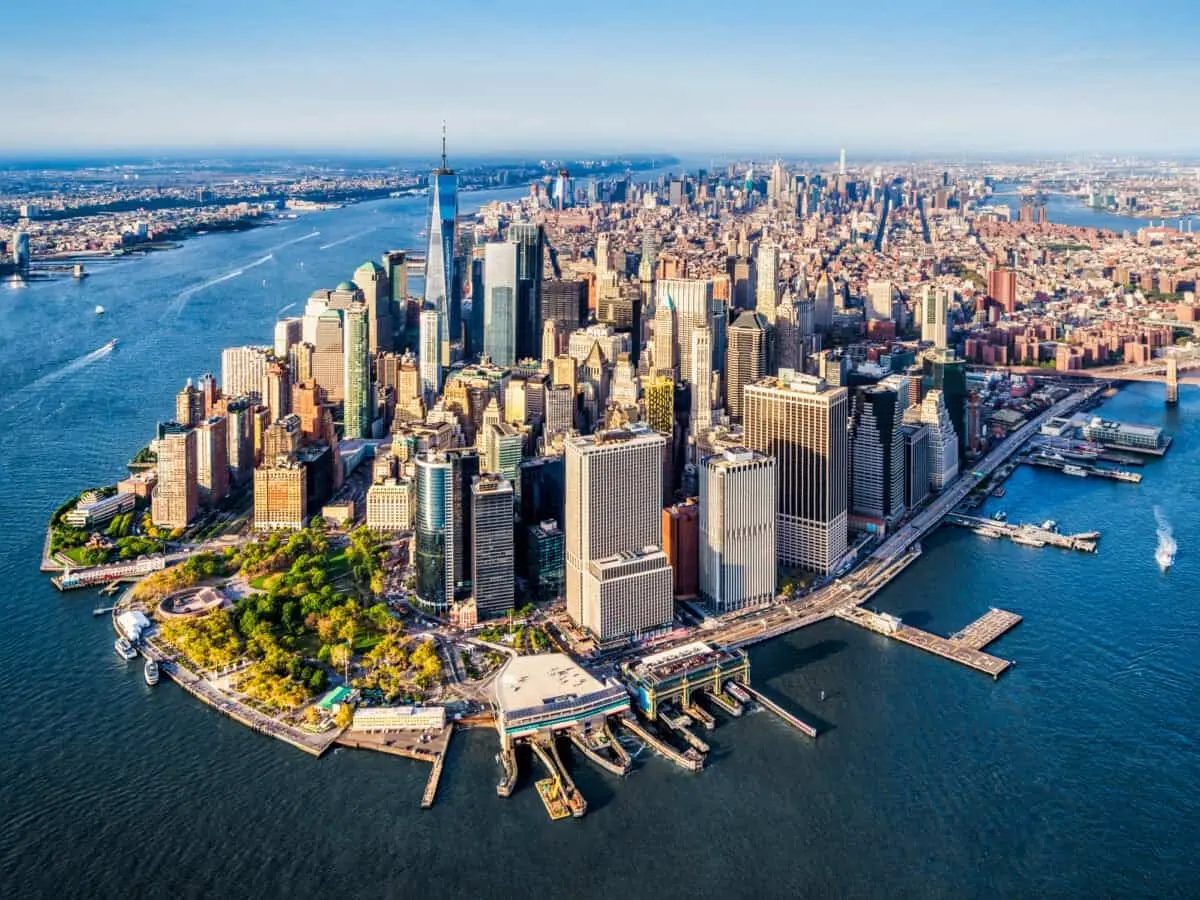
For those visiting for the first time, staying in Midtown Manhattan offers proximity to major landmarks. You will be within walking distance of Times Square, Rockefeller Center, and the Museum of Modern Art. However, this area is often crowded and expensive, so consider these alternatives:
- Greenwich Village: Known for its historic brownstones and vibrant jazz clubs.
- Williamsburg: A trendy Brooklyn neighborhood offering boutique shops and waterfront views.
- Upper West Side: A quieter, residential area located between Central Park and Riverside Park.
When choosing a neighborhood, consider your primary interests. If you prefer high-end shopping and Broadway shows, Midtown is ideal. If you want a more authentic local experience with independent cafes and parks, the residential areas of Brooklyn or the Upper West Side provide a more relaxed pace.
Common mistakes when visiting New York City
Many visitors fall into traps that waste time and money. One frequent error is spending too much time in Times Square; while iconic, it is primarily a tourist hub that does not reflect the daily life of residents. Another mistake is ignoring the city's outer boroughs, such as Queens or the Bronx, which contain world-class museums and ethnic food districts.
Avoid these pitfalls to improve your experience:
- Do not eat at chain restaurants that exist in your home city; prioritize local diners and neighborhood eateries.
- Do not attempt to see every major landmark in a single day; the city is too large for such an itinerary.
- Do not walk slowly in the middle of the sidewalk, as this impedes the fast-paced flow of local commuters.
- Do not rely solely on taxis, as traffic congestion often makes the subway a faster transit option.
What to know about New York City weather
New York City experiences four distinct seasons, each offering a different atmosphere. Summers can be humid and hot, with temperatures frequently exceeding 85°F (29°C). Winters are cold, with occasional snowstorms that can disrupt transportation. Spring and autumn are widely considered the best times to visit, as the weather is mild and the city's parks are in transition.
If you visit during the winter, pack heavy layers and waterproof footwear to handle slushy streets. During the summer, carry a reusable water bottle and plan indoor activities for the hottest parts of the day. Regardless of the season, always check the local forecast before heading out, as weather patterns in the coastal region can change rapidly. Being prepared for these shifts ensures you can enjoy the outdoor spaces that make the city special.
Key facts
- New York City is comprised of five boroughs: Manhattan, Brooklyn, Queens, the Bronx, and Staten Island.
- The city’s subway system operates 24 hours a day and includes 472 stations, the most of any system globally.
- Central Park covers 843 acres in the heart of Manhattan and receives approximately 42 million visitors annually.
- To avoid long lines at the Empire State Building, purchase tickets online in advance and visit before 10:00 AM or after 9:00 PM.
- When using the subway, always stand to the right on escalators to allow commuters to pass on the left.
- Broadway theater refers to 41 professional venues with 500 or more seats located in the Theater District.
The bottom line
New York City is a global center for finance, culture, and tourism, defined by its incredible density and diversity. From the iconic skyscrapers of Manhattan to the vibrant neighborhoods of the outer boroughs, the city offers an unparalleled urban experience. By utilizing the extensive public transit network and planning ahead for major attractions, visitors can effectively navigate and enjoy everything this historic metropolis has to offer.
People also ask
What is the best way to get around New York City?
The most efficient way to travel is by using the Metropolitan Transportation Authority (MTA) subway system. You can pay for rides using a contactless credit card or mobile wallet via the OMNY system at every turnstile.
Do I need to tip in New York City restaurants?
Yes, tipping is standard practice in the United States. It is customary to leave a gratuity of 18% to 22% of the pre-tax bill for table service.
What is the most famous landmark in New York City?
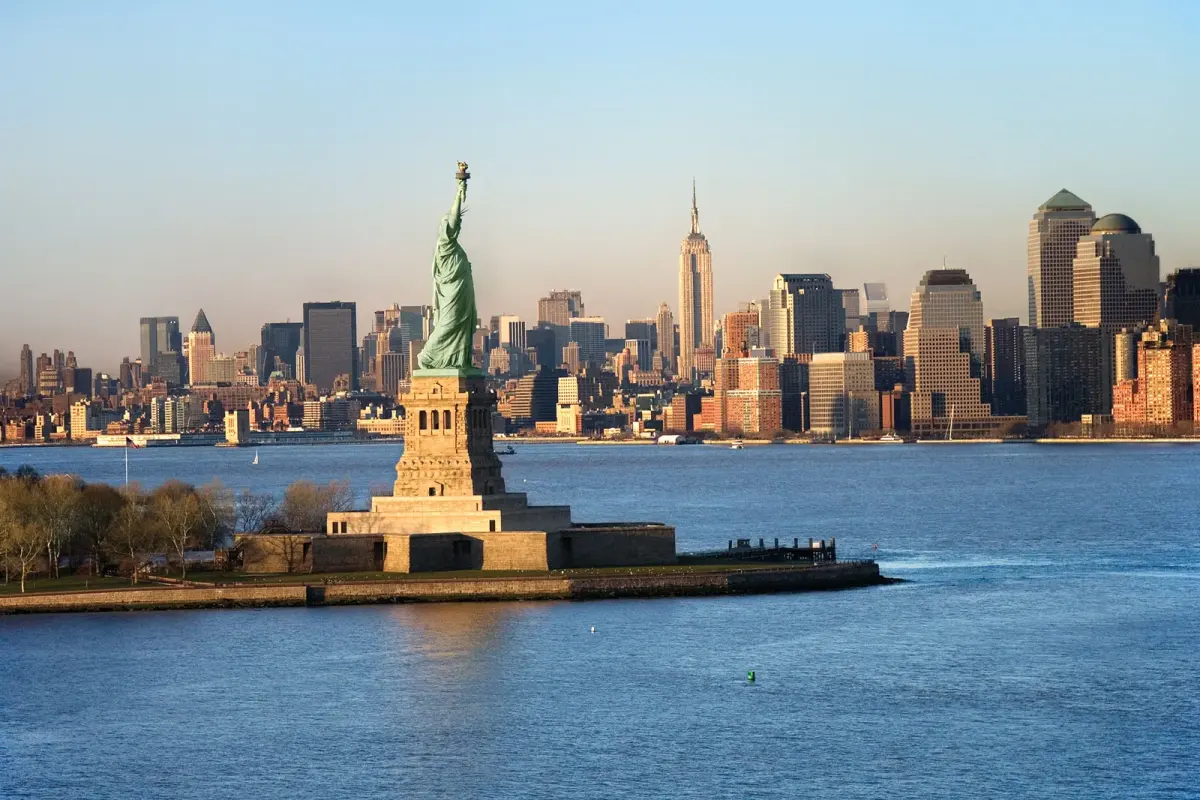
The Statue of Liberty is widely considered the city's most iconic landmark. Located on Liberty Island, it was a gift from France and has served as a symbol of freedom since its dedication in 1886.
When is the best time of year to visit?
Late spring (May to June) and early autumn (September to October) offer the most pleasant weather for walking. These months avoid the extreme humidity of summer and the freezing temperatures of mid-winter.
Is New York City safe for tourists?
New York City is consistently ranked as one of the safest large cities in the United States. Visitors should exercise standard urban caution, such as remaining aware of their surroundings and keeping belongings secure in crowded areas.
Can I walk across the Brooklyn Bridge?
Yes, the bridge features a dedicated pedestrian walkway that offers panoramic views of the Manhattan skyline. It is approximately 1.1 miles long and takes about 30 to 45 minutes to cross at a leisurely pace.
This answer was created with the help of AI research tools and reference sources. Spotted an error? Let us know — we correct mistakes quickly. See our editorial policy.
![18 Important Things To Know Before Visiting Buenos Aires [2026 Update]](/img/ac/what-is-buenos-aires-known-for-1.webp)