What is a dogwood tree?
Short answer
Dogwood trees are deciduous flowering trees or shrubs belonging to the genus Cornus. Known for their distinctive four-petaled flowers, vibrant autumn foliage, and red berries, they are popular ornamental choices in temperate landscapes. Most species grow between 15 and 30 feet tall, providing seasonal interest throughout the spring and fall.
On this page
What are the different types of dogwood trees?
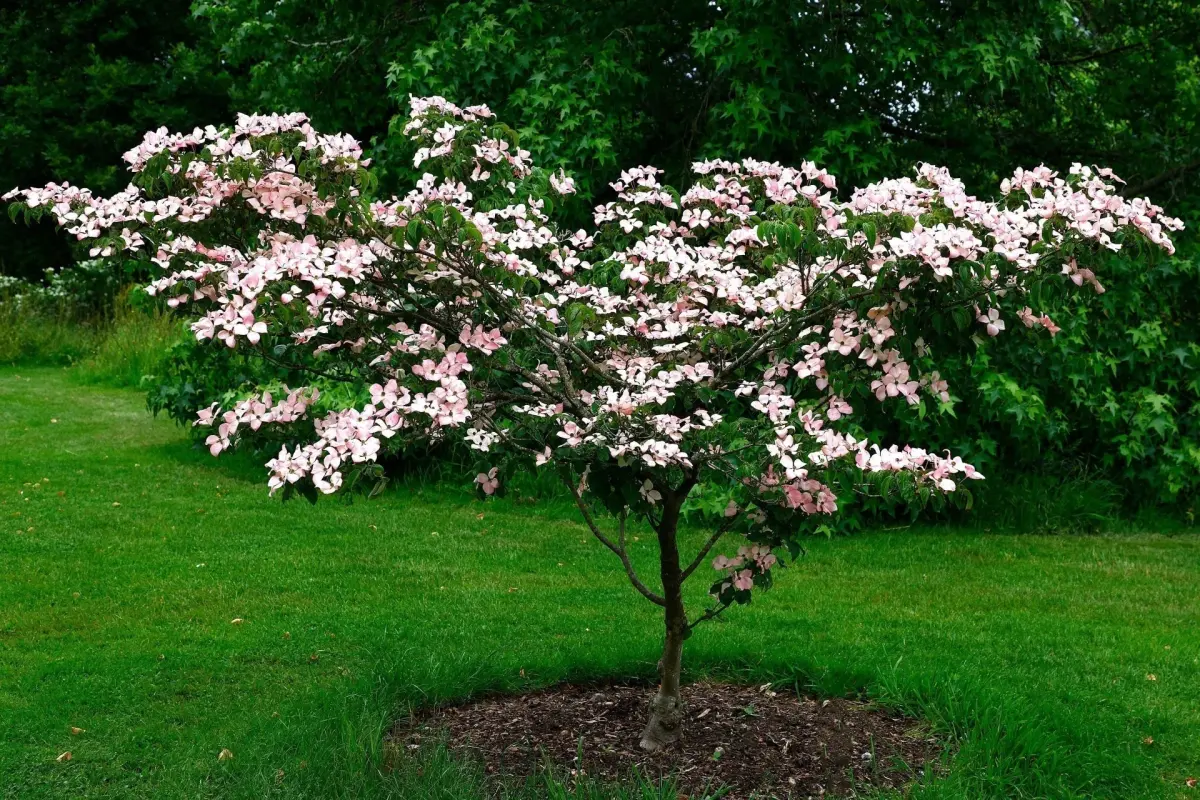
The genus Cornus includes over 50 species, but gardeners most frequently encounter a few specific varieties. The Flowering Dogwood (Cornus florida) is native to eastern North America and is prized for its iconic white or pink bracts that appear before the leaves emerge in spring. Another popular choice is the Kousa Dogwood (Cornus kousa), which originates from Asia and blooms later in the season, typically in June.
Beyond these flowering varieties, some dogwoods are grown primarily for their striking stems. The Red-Twig Dogwood (Cornus sericea) is a shrubby species valued for its brilliant red bark, which provides a vivid contrast against winter snow. When selecting a tree, consider the following popular cultivars:
- Cornus florida 'Cherokee Chief': Known for deep, ruby-red bracts.
- Cornus kousa 'Milky Way': Renowned for an exceptionally heavy bloom of white flowers.
- Cornus sericea 'Arctic Fire': A compact shrub perfect for smaller garden spaces.
How do you plant a dogwood tree?
Successful planting begins with choosing a location that mimics the tree's natural forest-edge habitat. Dogwoods generally prefer partial shade, especially in hotter climates where the harsh afternoon sun can scorch their leaves. They thrive in rich, well-draining, slightly acidic soil that remains consistently moist but not waterlogged.
Follow these steps to ensure your tree establishes a healthy root system:
- Dig a hole that is twice as wide as the root ball but no deeper than the container.
- Place the tree in the hole, ensuring the root flare—where the trunk meets the roots—is level with the soil surface.
- Backfill the hole with native soil, avoiding heavy fertilizers that can burn young roots.
- Apply a two-inch layer of organic mulch around the base, keeping it a few inches away from the trunk to prevent rot.
- Water the tree deeply immediately after planting to eliminate air pockets.
How to care for a dogwood tree?
Maintenance for dogwoods is relatively straightforward if you prioritize consistent moisture. During the first two years of growth, water the tree weekly, especially during dry spells. Once established, dogwoods are moderately drought-tolerant, though they perform best when provided with an inch of water per week during the heat of summer.
Pruning is rarely necessary for aesthetic purposes, as dogwoods typically maintain a graceful, layered shape on their own. However, you should remove dead, damaged, or diseased wood whenever you spot it to maintain overall health. If you must shape the tree, perform the task in late winter while the tree is dormant. Avoid heavy pruning in the spring, as the tree is prone to "bleeding" sap, which can stress the plant and attract pests.
Why do dogwood leaves turn brown?
Leaf browning is a common concern that often points to environmental stress rather than a permanent disease. The most frequent cause is insufficient water, which leads to scorched leaf edges during the peak of summer heat. If the soil dries out completely, the tree may drop its leaves prematurely as a survival mechanism to conserve moisture.
Fungal issues can also cause discoloration, particularly in humid environments. Anthracnose is a well-known fungal disease that causes spots on leaves and can eventually kill branches if left untreated. To manage these issues:
- Improve air circulation by thinning out crowded branches.
- Avoid overhead watering, which keeps foliage wet and encourages fungal growth.
- Clean up fallen leaves in the autumn to prevent overwintering spores from reinfecting the tree the following spring.
- Apply a fungicide in early spring if you have a history of persistent fungal infections in your garden.
Common mistakes when growing dogwoods
One of the most frequent errors is planting the tree too deeply. When the root flare is buried under several inches of soil or mulch, the trunk is susceptible to rot and insect infestations. Always ensure the top of the root ball is visible at the soil line to allow the tree to breathe properly.
Another common mistake is over-fertilizing. While it is tempting to push for rapid growth, excessive nitrogen can lead to weak, spindly branches that are more susceptible to pests like the dogwood borer. Furthermore, avoid planting dogwoods in areas with heavy, compacted clay soil without first amending the site with organic matter. Proper drainage is non-negotiable for this species, as stagnant water around the roots is the fastest way to kill an otherwise healthy tree. By providing the right balance of light, moisture, and soil conditions, you can enjoy the seasonal beauty of your dogwood for many decades.
Key facts
- Dogwood trees belong to the genus Cornus, which includes about 30 to 60 species of trees and shrubs.
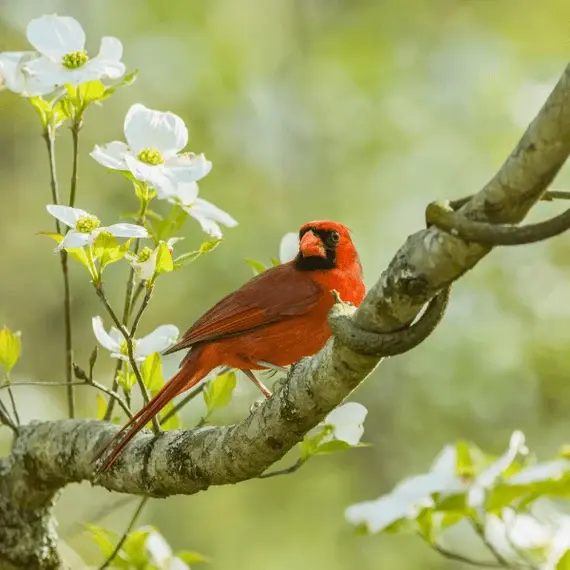
- The iconic "petals" of a dogwood flower are actually specialized leaves called bracts that surround the tiny, true flowers.
- Most dogwood species prefer partial shade and moist, well-drained, acidic soil to thrive in a garden setting.
- The flowering dogwood (Cornus florida) is native to eastern North America and is a popular choice for ornamental landscaping.
- Dogwood wood is extremely dense and hard, historically used for making tool handles, golf club heads, and weaving shuttles.
- Avoid planting dogwoods in full, scorching afternoon sun, as this often leads to leaf scorch and increased susceptibility to fungal diseases.
The bottom line
Dogwood trees are prized ornamental specimens known for their distinctive bracts, vibrant autumn foliage, and ecological value to local wildlife. Whether you choose the native flowering dogwood or a hardy shrub variety, these trees add year-round interest to a landscape. By providing appropriate shade, consistent moisture, and careful pruning, you can ensure your dogwood remains a healthy, beautiful focal point in your garden for many years.
People also ask
Why are my dogwood leaves turning brown at the edges?
This is usually a sign of drought stress or "leaf scorch" caused by excessive heat and sunlight. Ensure the tree receives consistent deep watering during dry spells and consider applying a layer of organic mulch to retain soil moisture.
How do I prune a dogwood tree properly?
Prune dogwoods in late winter or early spring while the tree is still dormant. Focus on removing dead, damaged, or crossing branches to improve air circulation and maintain the tree’s natural shape.
Are dogwood berries poisonous to humans?
While dogwood berries are not considered highly toxic, they are generally bitter and not meant for human consumption. They are, however, a vital food source for many species of songbirds and small mammals.
What is the most common disease affecting dogwood trees?
Dogwood anthracnose is a serious fungal disease that causes leaf spots and twig dieback. It is most prevalent in cool, wet climates and can be managed by planting resistant cultivars and keeping the foliage dry.
How fast do dogwood trees grow?
Most dogwood species are considered slow to moderate growers, typically adding 12 to 24 inches of height per year. Patience is required, as they may take several years to reach their full ornamental potential.
Can I grow a dogwood tree in a container?
Yes, smaller shrub-like varieties like the red-twig dogwood can thrive in large containers. Use a high-quality potting mix and ensure the pot has excellent drainage to prevent root rot.
This answer was created with the help of AI research tools and reference sources. Spotted an error? Let us know — we correct mistakes quickly. See our editorial policy.