What is static electricity?
Short answer
Static electricity is the accumulation of an electrical charge on the surface of an object. It occurs when electrons transfer between materials through contact and separation, creating an imbalance. While the charge remains stationary, it eventually discharges as a spark or shock when it finds a path to a neutral conductor.
On this page
Why static electricity happens
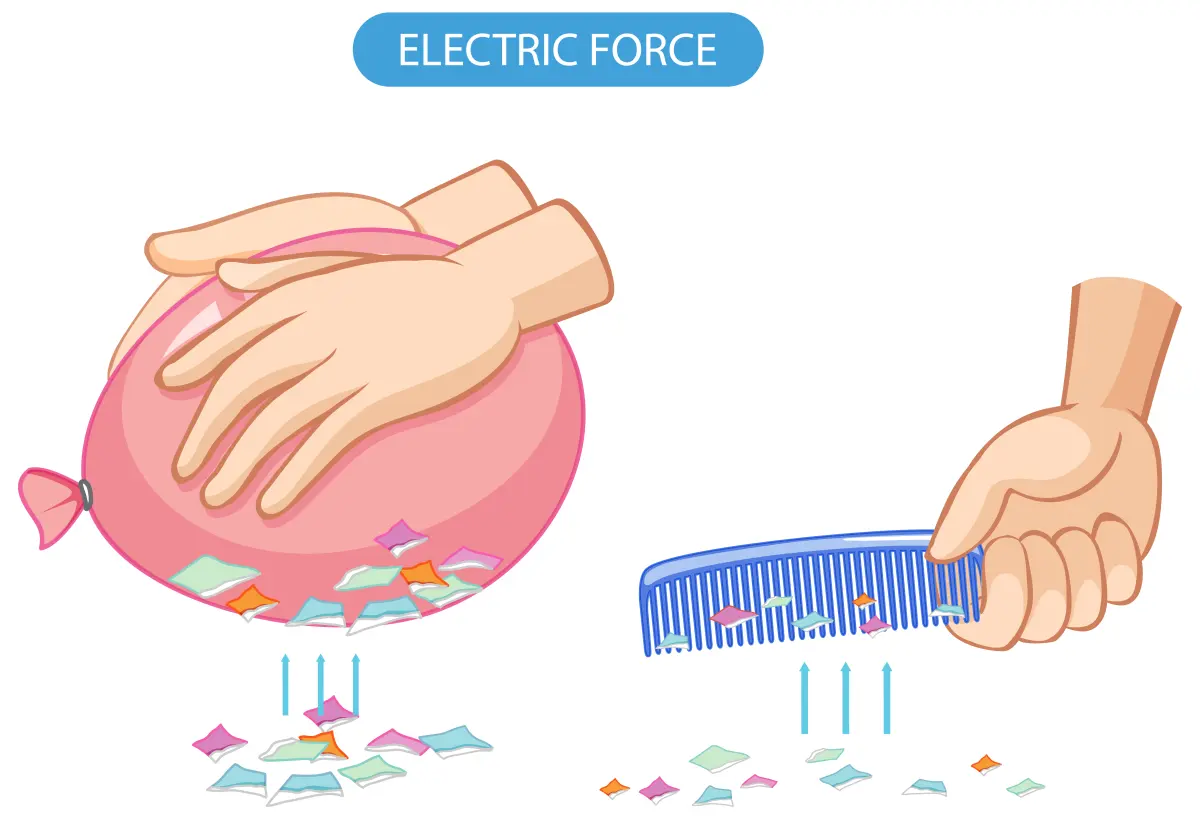
Static electricity is primarily the result of the triboelectric effect, a process where materials become electrically charged after coming into contact with a different material and then separating. Atoms consist of a nucleus surrounded by negatively charged electrons. When two different materials rub together, one material may have a stronger affinity for electrons than the other, causing electrons to jump from one surface to the other.
This movement leaves one object with a surplus of electrons, giving it a negative charge, while the other object experiences a deficit, resulting in a positive charge. Because these charges are trapped on surfaces that do not conduct electricity well—known as insulators—they cannot easily flow away. The buildup remains until the potential difference becomes great enough to jump through the air to a conductor, such as a metal object or a person, resulting in a sudden, tiny electrical discharge.
How to prevent static shocks
Preventing static shocks involves managing the humidity levels in your environment and selecting the right materials for clothing and flooring. Static buildup is significantly more common in dry, cold air because moisture in the air helps dissipate charges before they accumulate to uncomfortable levels. During winter months, using a humidifier to maintain indoor humidity between 40 and 50 percent can drastically reduce the frequency of shocks.
You can also minimize static by choosing natural fibers over synthetic ones. Synthetic materials like polyester, nylon, and acrylic are excellent insulators that readily hold onto electrical charges. To reduce static in your daily life, consider these practical adjustments:
- Switch to cotton, wool, or silk garments, which are less prone to electron buildup.
- Apply a thin layer of moisturizing lotion to your skin to increase conductivity and prevent charge accumulation.
- Use anti-static sprays on carpets or furniture upholstery to neutralize surface charges.
- Keep a metal object, such as a key, in your hand to touch metal surfaces first, allowing the spark to jump to the key instead of your skin.
Common mistakes when managing static
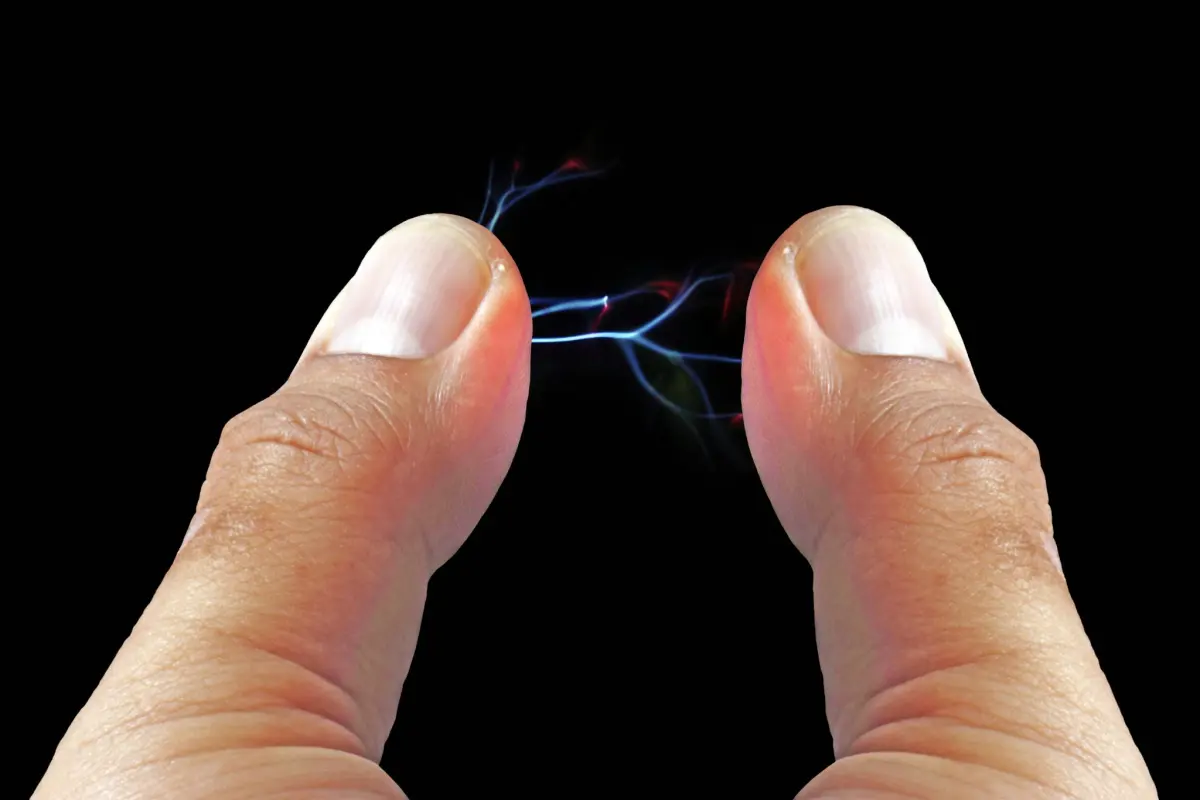
One of the most frequent mistakes people make is ignoring the impact of footwear on static discharge. Rubber-soled shoes act as effective insulators, preventing the charge you accumulate while walking across a carpet from grounding into the floor. When you eventually touch a metal doorknob, the entire accumulated charge discharges through your finger at once. To avoid this, try walking barefoot or wearing leather-soled shoes, which allow for a gradual, continuous discharge of electricity into the ground.
Another common error is over-drying clothes in the dryer, which maximizes static cling. Many people leave synthetic fabrics in the dryer until they are completely parched, which creates the perfect conditions for electron transfer. To mitigate this, follow these steps:
- Remove synthetic garments from the dryer while they are still slightly damp to the touch.
- Add a damp towel to the dryer load to increase the internal moisture content.
- Use wool dryer balls to help separate clothing items and prevent excessive friction.
- Avoid using high-heat settings for delicate or synthetic fabrics to reduce the intensity of the triboelectric effect.

How static electricity is used in technology
While static electricity is often a nuisance, it is also harnessed for highly effective industrial and household applications. One of the most prominent examples is the laser printer. Inside a printer, a rotating drum is given a static charge. A laser then draws the image onto the drum by neutralizing specific areas, leaving a pattern of charged and uncharged sections. Toner powder, which is oppositely charged, is then attracted to the drum and transferred onto the paper, where it is fused by heat.
Static electricity is also vital in air filtration systems and industrial painting. Electrostatic precipitators use high-voltage electrodes to charge dust particles in the air, which are then collected on oppositely charged metal plates. Similarly, in automotive manufacturing, paint particles are given a static charge as they are sprayed. The car body is given an opposite charge, causing the paint to be pulled toward the metal surface with extreme precision, which minimizes waste and ensures an even, durable coating across the entire vehicle frame.
Why static electricity is dangerous
Although a standard household static shock is harmless, static electricity can pose significant risks in specific environments. In settings where flammable gases, vapors, or explosive dust are present, a tiny spark—even one too small to feel—can provide enough energy to ignite the material. This is why gas stations require customers to ground themselves before handling fuel pumps and why hospitals use conductive flooring and specialized footwear to prevent sparks near oxygen tanks or volatile anesthetics.
Static electricity can also be catastrophic for sensitive electronic components. Microchips and integrated circuits are built with microscopic pathways that can be permanently destroyed by even a minor electrostatic discharge (ESD). Professionals working with computer hardware must take strict precautions to protect these components from hidden damage. To ensure safety and equipment longevity, follow these professional standards:
- Always wear an anti-static wrist strap connected to a grounded surface when handling circuit boards.
- Keep sensitive components in anti-static bags until the moment they are installed.
- Avoid touching the gold-plated pins or connectors on electronic parts.
- Maintain a static-free workspace by using grounded anti-static mats on your workbench.
Key facts
- Static electricity is the buildup of an electrical charge on the surface of an object, usually caused by friction.
- Electrons are negatively charged particles that transfer between materials when they rub together, creating an imbalance.
- Materials that hold onto electrons easily, like rubber or plastic, are called insulators and are prone to static buildup.
- Humidity acts as a natural conductor; high moisture levels in the air allow charges to dissipate, reducing static shocks.
- To discharge static safely, touch a grounded metal object, like a door hinge, before handling sensitive electronics.
- Avoid wearing synthetic fabrics like polyester in dry weather to minimize the friction that generates static electricity.
The bottom line
Static electricity is the temporary imbalance of electric charges on an object's surface, typically triggered by friction between insulators. While often a minor nuisance causing shocks or clinging fabric, it remains a powerful natural phenomenon. By understanding how humidity and material conductivity influence these charges, you can effectively manage or prevent static buildup in your daily environment, keeping both your comfort and your electronic equipment safe.
People also ask
Why do I get shocked when touching a doorknob?
When you walk across a carpet, your body accumulates electrons. Touching a metal doorknob provides a path for those excess electrons to jump to the ground, resulting in a quick, painful spark.
Can static electricity damage computers?
Yes, an electrostatic discharge (ESD) can fry sensitive microchips in electronic devices. Always touch a grounded metal surface or wear an anti-static wrist strap before touching internal components.
Why does hair stand up when rubbing a balloon on it?
Rubbing a balloon on your hair transfers electrons from your hair to the balloon. This leaves your hair positively charged, causing individual strands to repel each other and stick to the balloon.
Does static electricity only happen in winter?
Static is more common in winter because cold air holds less moisture than warm air. Dry air acts as an insulator, preventing charges from leaking away into the atmosphere as they do in humid conditions.
How can I stop static cling on my clothes?
You can reduce static cling by using a dryer sheet, adding a humidifier to your home, or misting clothes lightly with water. These methods increase moisture or neutralize the electrical charge.
Is lightning a form of static electricity?
Lightning is essentially a massive, natural discharge of static electricity. It occurs when ice crystals in clouds collide, creating a giant separation of positive and negative charges that eventually equalize through a flash.
This answer was created with the help of AI research tools and reference sources. Spotted an error? Let us know — we correct mistakes quickly. See our editorial policy.