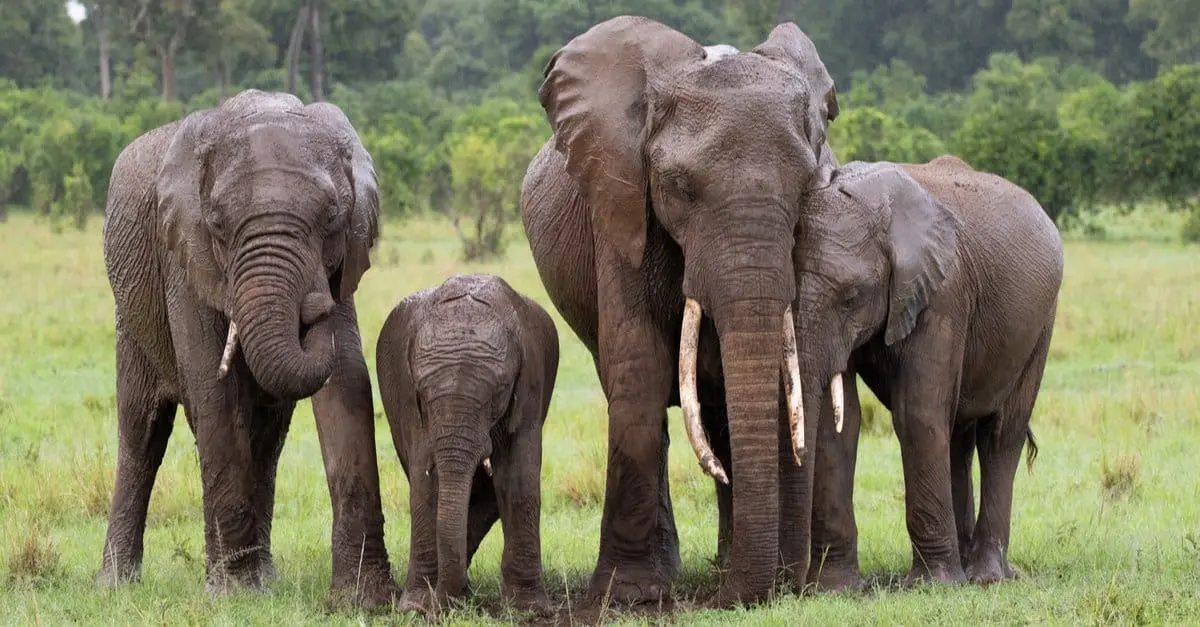
How many babies do elephants have?
Short answer
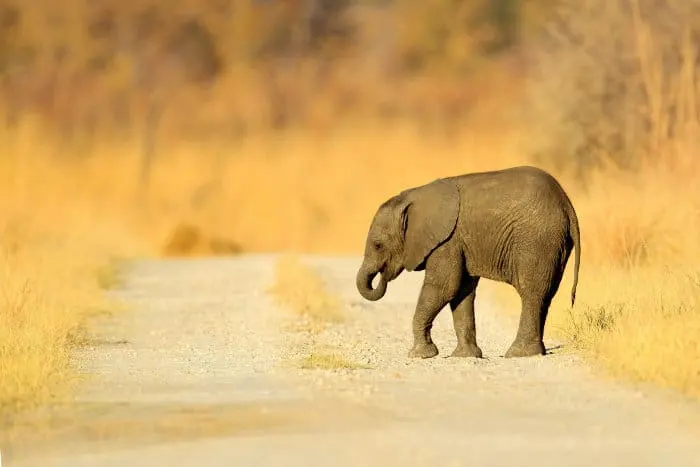
Elephants almost always give birth to a single calf at a time. Twins are extremely rare, occurring in less than one percent of all elephant births. Because of their long gestation period and the intensive care required for offspring, female elephants typically produce only one calf every four to five years.
On this page
How often do elephants have babies?
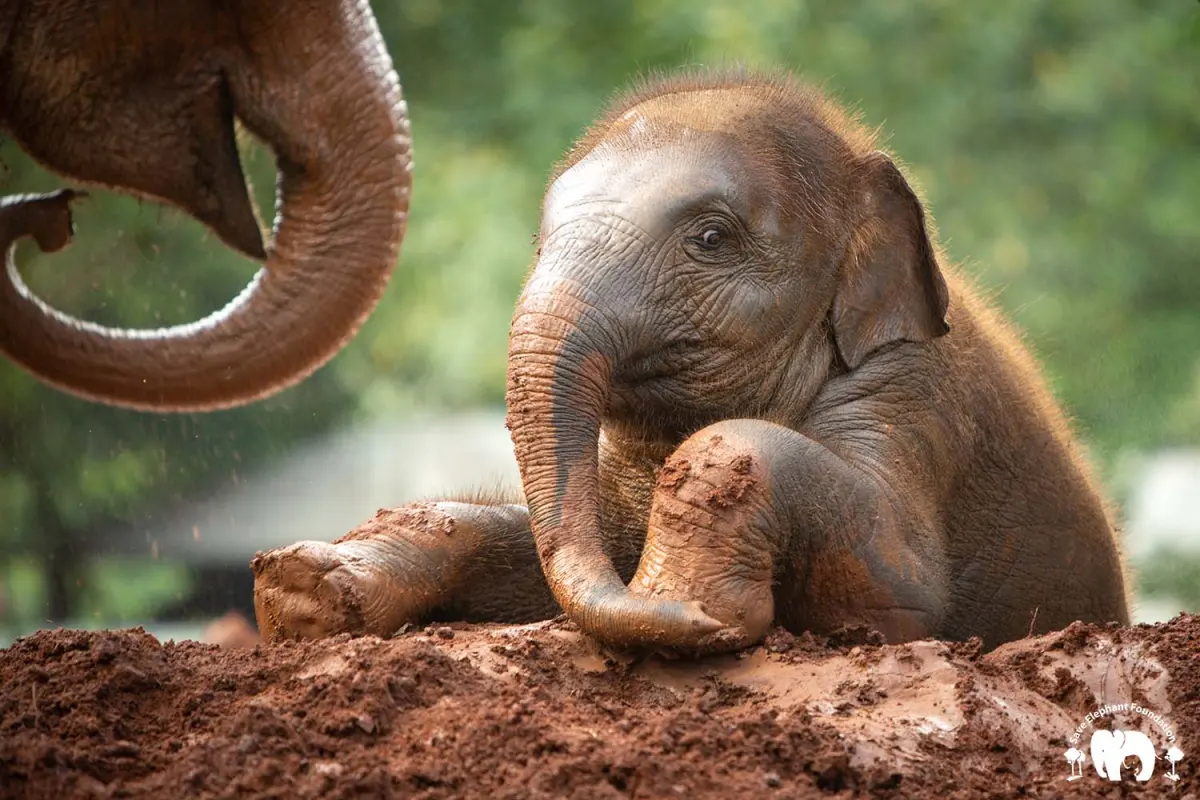
Elephants have one of the slowest reproductive rates of any mammal on Earth. A female elephant, known as a cow, typically reaches sexual maturity between the ages of 10 and 15. Once she begins breeding, she will usually give birth to a single calf every four to five years. This long interval is necessary because the mother provides milk and protection for her calf for several years, ensuring the young elephant gains the strength and social skills needed to survive in the wild.
The reproductive lifespan of an elephant is quite impressive, often lasting until the animal is about 50 years old. Over the course of her life, a healthy female may produce between 7 and 12 calves. This low birth rate means that elephant populations grow very slowly, making them particularly vulnerable to environmental changes, habitat loss, and poaching. Because they invest so much energy into each individual offspring, the survival of every single calf is vital to the long-term stability of the herd.
How long is an elephant pregnancy?
The gestation period for an elephant is the longest of any land mammal, lasting approximately 22 months. This extended timeframe allows the fetus to develop a highly complex brain and a fully functional body before birth. By the time a calf is born, it is already quite large and mobile, which is an essential adaptation for a species that must keep up with a migrating herd.
- The embryo implants in the uterus, and the mother begins a long period of nutritional intake.
- The fetus undergoes rapid neurological development during the final trimester.
- The mother prepares for labor by seeking a safe, stable area within the herd's territory.
- The calf is born weighing between 200 and 250 pounds and stands within minutes of delivery.
This lengthy gestation is a biological necessity for such a large animal. Because the calf must be born with enough physical maturity to walk alongside its mother, the mother must carry the fetus for nearly two years to ensure it reaches the required size and developmental milestones.
Why are elephant twins so rare?
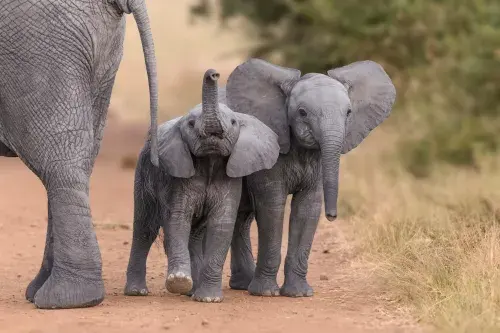
While it is biologically possible for an elephant to conceive twins, it is an exceptionally uncommon occurrence. When twins are born, they often face significant health challenges because the mother’s milk supply is generally optimized for a single calf. Furthermore, the physical strain of carrying two large fetuses for 22 months can be taxing on the mother, leading to higher risks of complications during labor.
- Twins are frequently born premature or underweight.
- The mother may struggle to provide adequate nutrition for two growing calves simultaneously.
- Survival rates for twins are significantly lower than those for singletons due to these nutritional and developmental hurdles.
Researchers who track elephant herds in Africa and Asia rarely record instances of twins. When they do occur, the survival of both calves is considered a noteworthy event. In most cases, the herd focuses its protective instincts on the stronger of the two, as the energy demands of raising two calves are often beyond the capacity of a single mother.
Common mistakes when observing elephant births
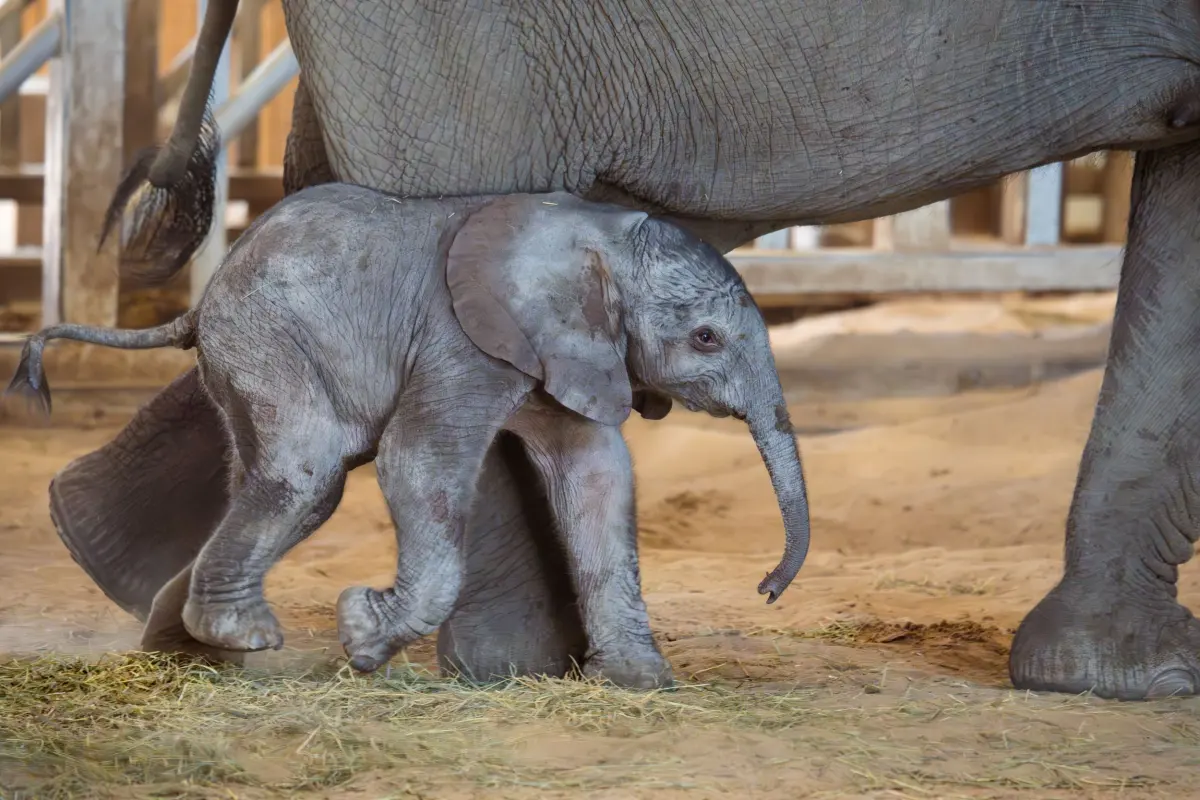
People often misunderstand the social dynamics surrounding elephant births, assuming that the mother handles the process entirely alone. In reality, elephants are highly social creatures that rely on "allomothering," where other females in the herd assist in the birth and subsequent care of the newborn. A common mistake is to assume that the entire herd is present for the birth; usually, only a few experienced females, known as "midwife" aunts, stay close to the mother to provide support and protection.
Another error is approaching a herd during the birthing process. Elephants are extremely protective of their young and will display aggressive behavior if they perceive a threat. Observers should always maintain a significant distance, as the mother’s stress levels can spike if she feels her newborn is at risk. Respecting the privacy of the mother and her helpers is essential for the safety of both the humans and the elephants, as human interference can disrupt the delicate bonding process between the mother and her new calf.
How do calves survive after birth?
The survival of a calf depends heavily on the support of the family unit. Immediately after birth, the mother and the "aunts" encourage the calf to stand and nurse. Colostrum, the first milk produced by the mother, is packed with essential antibodies that boost the calf's immune system. For the first few months, the calf relies exclusively on its mother's milk, but it will begin experimenting with vegetation as it grows older.
- The calf learns to use its trunk to grasp objects and interact with the environment.
- The mother teaches the calf how to navigate the terrain and find water sources.
- The calf socializes with other juveniles in the herd to learn hierarchy and communication.
- The calf continues to nurse for up to three years, though it begins eating solid food much earlier.
By the time the calf is fully weaned, it is well-integrated into the herd’s complex social structure. This communal upbringing provides the calf with the protection and knowledge necessary to eventually contribute to the herd’s survival, ensuring the cycle of life continues for the next generation.
Key facts
- Female elephants almost always give birth to a single calf at a time.
- Twins occur in elephant births but are extremely rare, happening in less than 1 percent of pregnancies.
- The gestation period for an elephant is the longest of any land mammal, lasting approximately 22 months.
- A newborn elephant calf typically weighs between 200 and 250 pounds at birth.
- Female elephants, known as cows, reach sexual maturity and can begin having calves between the ages of 10 and 15.
- Because of the long pregnancy and intensive care required, a mother elephant usually waits four to five years between calves.
The bottom line
Elephants are characterized by a slow reproductive cycle, typically producing only one calf every few years after a lengthy 22-month pregnancy. This investment ensures that each offspring receives significant maternal and social support from the herd. Because of this limited birth rate, elephant populations are highly sensitive to environmental changes and poaching, making the protection of every individual calf vital for the survival of the species.
People also ask
How long do elephant calves stay with their mothers?
Calves remain highly dependent on their mothers for milk and protection for several years. While they may begin eating vegetation within months, they often continue nursing until they are three to five years old.
Do male elephants help raise the calves?
No, adult male elephants, or bulls, do not participate in the rearing of young. They typically live solitary lives or form loose groups with other males, leaving all maternal duties to the females.
What is an allomother?
An allomother is another female in the elephant herd who helps care for a calf that is not her own. This cooperative behavior helps protect the young and allows the biological mother to feed and rest.
How much milk does a baby elephant drink daily?
A growing calf consumes roughly 2 to 3 gallons of nutrient-rich milk every single day. This steady supply is essential for the rapid physical development required to keep up with the herd.
Why is the elephant birth rate so low?
The low birth rate is a result of long gestation periods and the slow maturation of the young. This reproductive strategy ensures that each calf receives maximum attention and resources, which increases its chances of surviving to adulthood.
How do elephants protect their newborns from predators?
The entire herd forms a protective circle around the mother and her newborn during the first few days of life. This defensive formation keeps lions, hyenas, and other predators at a safe distance from the vulnerable infant.
This answer was created with the help of AI research tools and reference sources. Spotted an error? Let us know — we correct mistakes quickly. See our editorial policy.