Where can you go camping near Vancouver?
Short answer
Vancouver offers diverse camping options ranging from coastal provincial parks to rugged mountain terrain within a two-hour drive. Popular destinations include Alice Lake, Golden Ears, and Porteau Cove. Most sites require reservations months in advance due to high demand. Always verify current park status and fire restrictions before finalizing your travel plans.
On this page
Where to find the best campgrounds near Vancouver
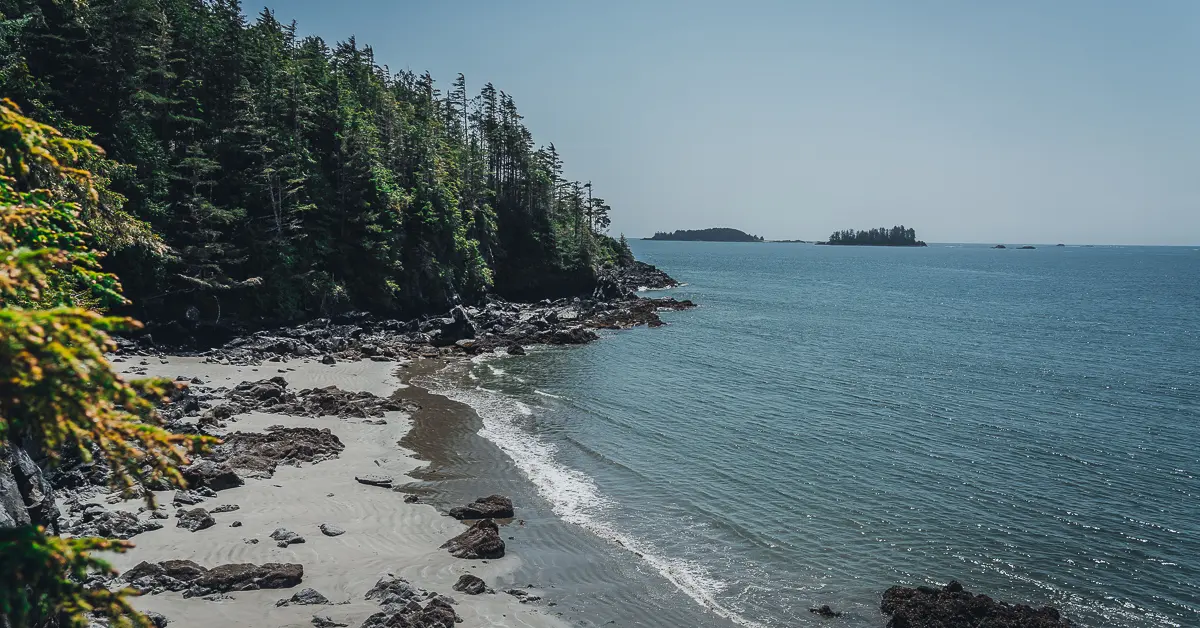
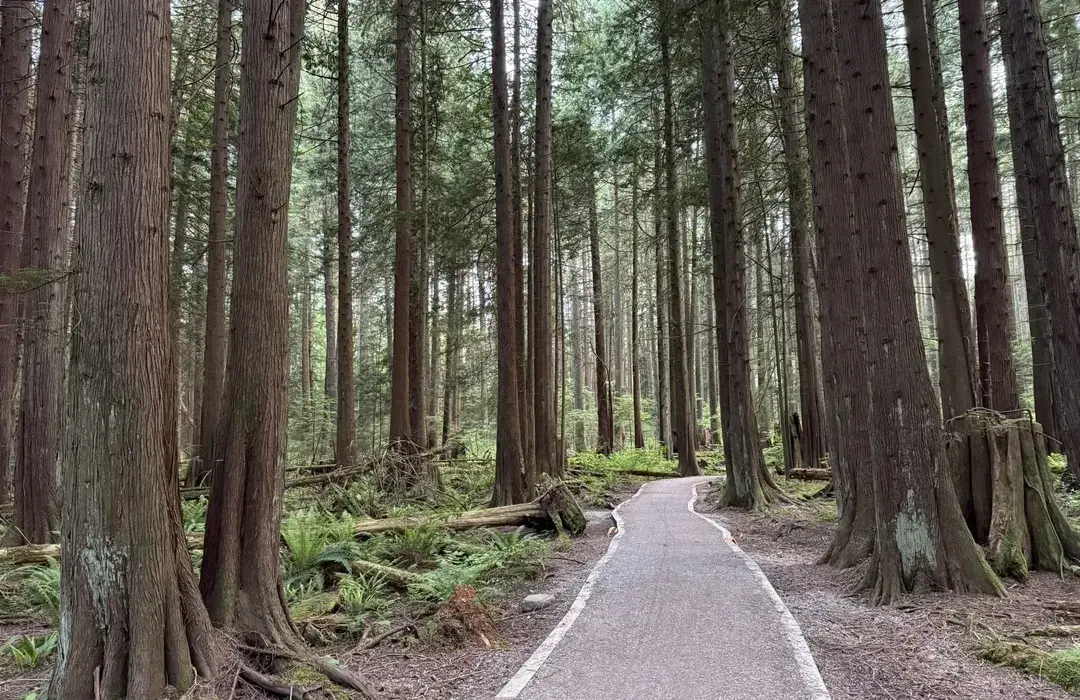
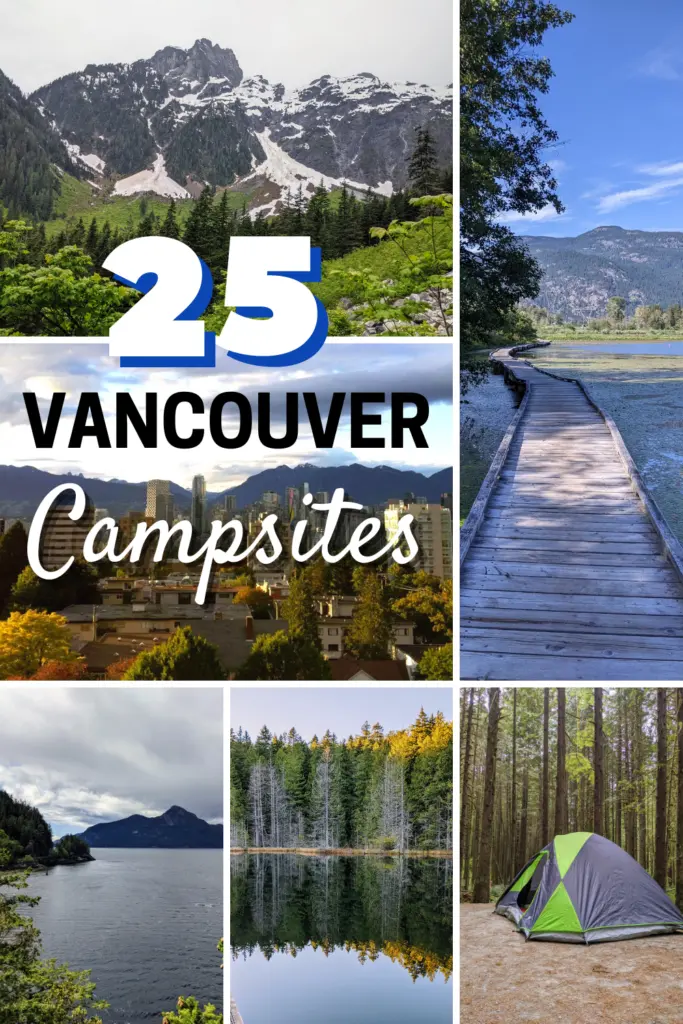
The region surrounding Vancouver features a mix of provincial parks, private campgrounds, and backcountry sites. Provincial parks are generally the most sought-after due to their well-maintained facilities, scenic locations, and proximity to hiking trails. Golden Ears Provincial Park in Maple Ridge is a premier choice, offering expansive forest settings and a large lake for swimming and canoeing. For those seeking coastal views, Porteau Cove Provincial Park provides unique waterfront sites located directly on the Howe Sound, making it a favorite for scuba divers and sunset watchers.
If you prefer a more structured experience, private campgrounds often provide amenities such as full electrical hookups, Wi-Fi, and hot showers. These are particularly useful for those traveling in large recreational vehicles or families who prioritize convenience over wilderness isolation. Regardless of the type of site you choose, the proximity to the city makes these locations ideal for weekend getaways. Always check the BC Parks website to confirm which facilities are operational during your intended travel dates.
How to reserve a campsite in British Columbia
Securing a spot at a popular provincial park requires strategic planning because reservations open months in advance. The BC Parks reservation system typically releases inventory on a rolling basis, often up to four months before the arrival date. During peak summer months, from July through August, sites frequently sell out within minutes of becoming available. Being prepared to book exactly when the reservation window opens is the most effective way to ensure you get your preferred location.
- Create a user account on the official Discover Camping website well before your trip.
- Identify your top three park choices and preferred dates to allow for flexibility.
- Log in at 7:00 AM Pacific Time on the day reservations open for your window.
- Refresh your browser frequently and complete the payment process as quickly as possible.
- Print or save your confirmation email, as cell service is often unreliable at park gates.
What to pack for camping in the Pacific Northwest
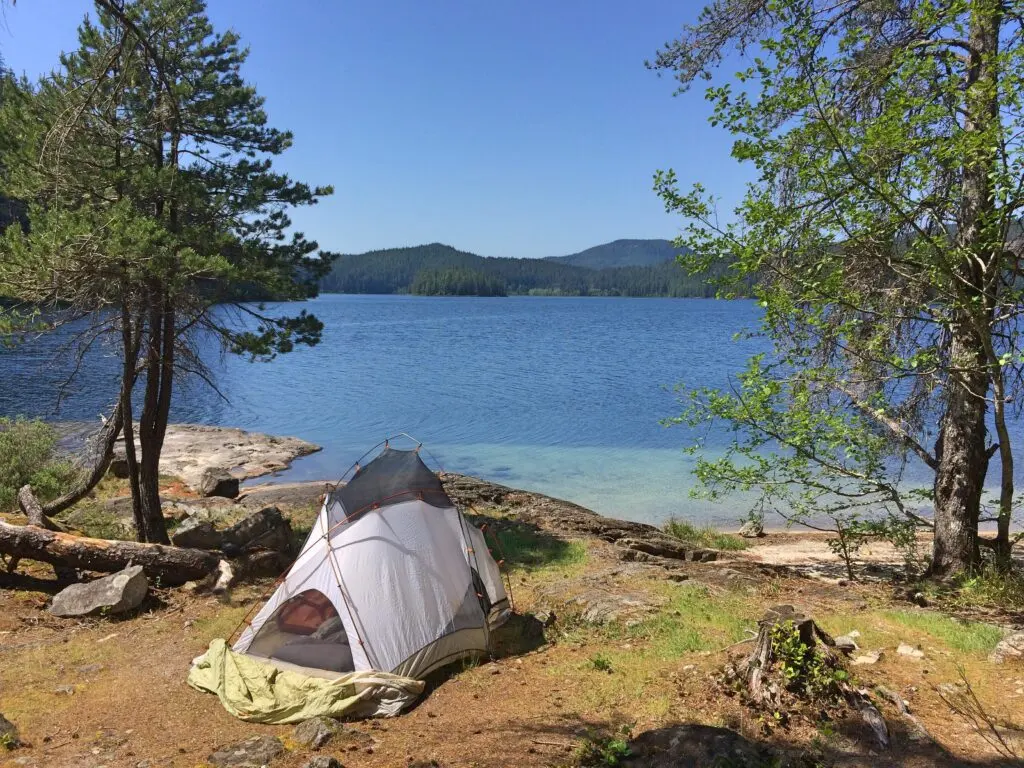
Camping in the Vancouver area requires preparation for unpredictable weather, even during the summer season. You should always pack layers, as temperatures can drop significantly once the sun sets behind the coastal mountains. Waterproof gear is essential, as sudden rain showers are common throughout the year. Bringing a high-quality tent with a sturdy rainfly and a sleeping bag rated for at least 5 degrees Celsius will ensure you remain comfortable throughout the night.
- Waterproof hiking boots or sturdy sneakers for uneven trails.
- A portable camp stove and fuel, as fire bans are common in late summer.
- A reliable headlamp with extra batteries for navigating the site after dark.
- Bear-resistant food storage containers or bags to secure all scented items.
- A basic first-aid kit containing bandages, antiseptic, and blister treatments.
- Insect repellent, especially if you are camping near lakes or marshy areas.
Common mistakes when camping near Vancouver
One of the most frequent errors travelers make is failing to check for seasonal fire bans. The British Columbia government often implements strict fire restrictions from July through September to prevent wildfires. If a ban is in place, you cannot use wood or briquette fires, and sometimes even charcoal barbecues are prohibited. Ignorance of these regulations can lead to significant fines and poses a serious safety risk to the surrounding forests and communities.
Another common mistake is underestimating the travel time during peak holiday weekends. Traffic heading out of Vancouver on Friday afternoons can be intense, turning a one-hour drive into a three-hour ordeal. Aim to depart early in the morning or late in the evening to avoid the worst congestion. Additionally, many campers forget to pack out their trash. Always follow Leave No Trace principles by taking all garbage with you, as many parks have limited waste disposal facilities and attracting wildlife remains a constant concern.
How to stay safe in the wilderness
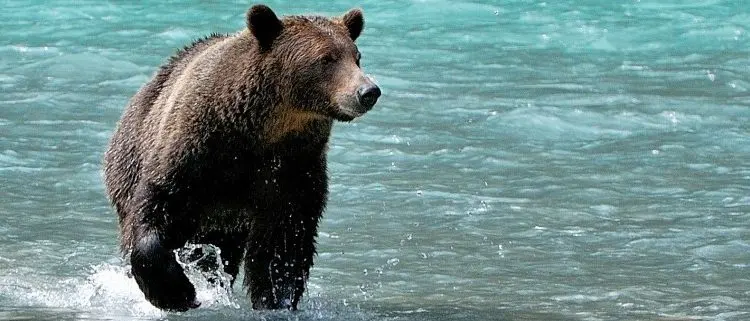
Safety is the highest priority when exploring the backcountry or provincial parks near the city. Vancouver’s surrounding wilderness is home to black bears, cougars, and coyotes. You should always keep a clean campsite, ensuring that food, trash, and toiletries are locked away in a vehicle or a bear-proof locker. Never leave food unattended, as this attracts wildlife and habituates animals to human presence, which can lead to dangerous encounters for future visitors.
Before heading into the woods, always share your trip plan with a friend or family member who is not joining you. Include your expected return time, the specific trail or campsite you are visiting, and your vehicle details. If you are planning to hike away from the main campground, carry the "Ten Essentials," which include navigation tools, sun protection, extra clothing, and a whistle. Staying on marked trails and respecting wildlife from a distance will ensure that your camping experience remains safe and enjoyable for everyone involved in your group.
Key facts
- Reservations for BC Parks open on a rolling basis, typically four months in advance of your arrival date.
- Golden Ears Provincial Park is one of the largest parks in the province and is located just 50 kilometers from Vancouver.
- Alice Lake Provincial Park in Squamish is highly popular for families due to its four freshwater lakes and warm swimming temperatures.
- Many campgrounds in the Lower Mainland close for the winter season, typically operating from May through September.
- Backcountry camping requires a permit, which can be purchased through the BC Parks website for popular areas like Garibaldi Provincial Park.
- Always check for fire bans on the BC Wildfire Service website before departing, as restrictions change frequently during summer months.
The bottom line
Camping near Vancouver offers diverse landscapes ranging from rugged coastal shores to lush mountain forests. To ensure a successful trip, prioritize booking your site months in advance through the BC Parks reservation system. By respecting fire bans, managing your waste, and preparing for sudden weather shifts, you can safely enjoy the spectacular natural beauty that surrounds this vibrant city during the prime summer months.
People also ask
Do I need a vehicle to reach campgrounds near Vancouver?
While some campgrounds are accessible via public transit or private shuttles, most require a personal vehicle for convenience. Locations like Porteau Cove are difficult to reach without a car, though some private campgrounds offer limited access to transit routes.
Are dogs allowed in all provincial campgrounds?
Most BC Parks allow dogs, but they must remain on a leash at all times and are often prohibited from designated beach areas. Always check the specific park rules online, as some sensitive ecological zones strictly forbid pets.
What is the best time of year to secure a campsite?
The peak season runs from July through August, when sites often book up within minutes of release. For a quieter experience and better availability, aim for mid-week stays in June or September.
Can I camp for free near Vancouver?
Free camping, known as dispersed or crown land camping, is generally not permitted in provincial parks or near urban centers. You must use designated campgrounds or authorized recreation sites to avoid fines and environmental damage.
Are there showers available at these campgrounds?
Many provincial parks, such as Cultus Lake and Alice Lake, provide coin-operated or free shower facilities for registered campers. However, more rustic or backcountry sites will not have any plumbing or running water.
What should I pack for unpredictable weather?
Even in summer, coastal British Columbia experiences sudden rain and cool evenings. Bring a high-quality waterproof tent, a sleeping bag rated for at least 5 degrees Celsius, and layered clothing to stay comfortable.
This answer was created with the help of AI research tools and reference sources. Spotted an error? Let us know — we correct mistakes quickly. See our editorial policy.