Why do we have fingerprints?
Short answer
Fingerprints exist primarily to enhance our sense of touch and improve grip on objects. These friction ridges increase the surface area of the skin, allowing for better tactile sensitivity and friction against surfaces. Additionally, they prevent slippage when we handle items, acting like the tread on a tire to provide stability.
On this page
Why do we have fingerprints for grip and touch
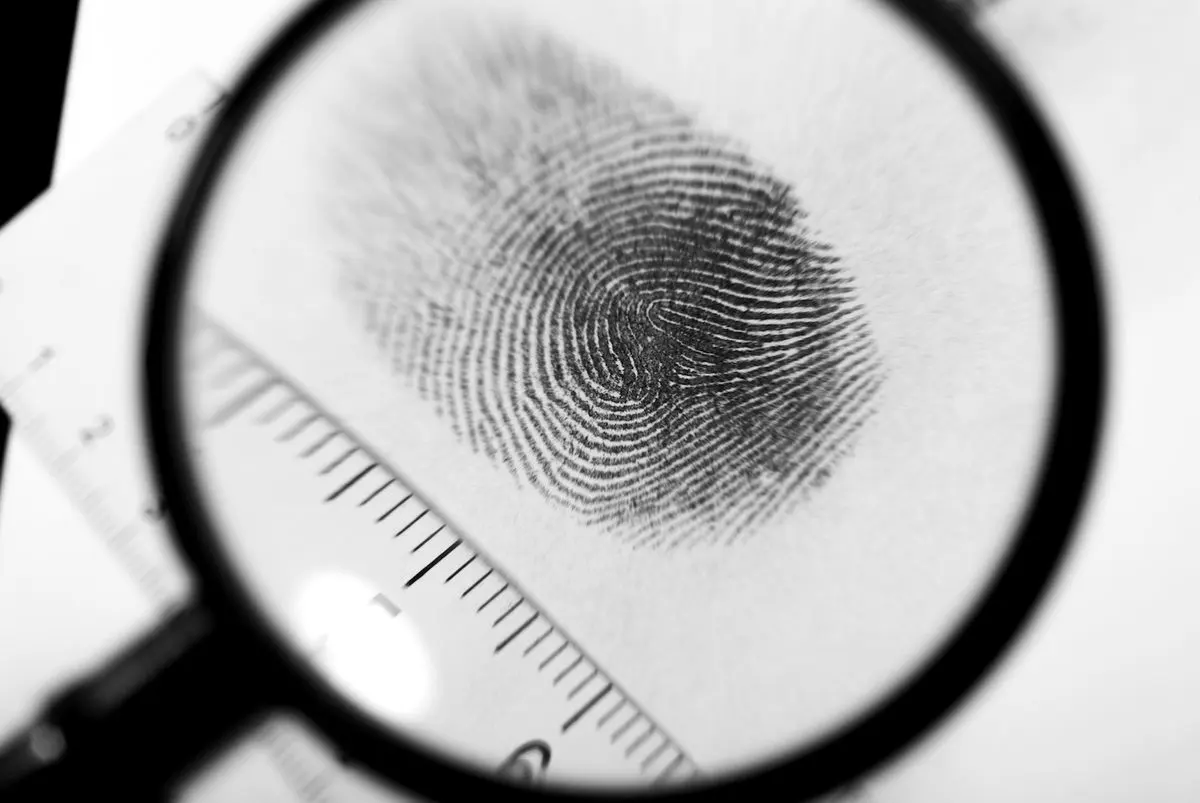
The primary biological function of fingerprints, known scientifically as epidermal ridges, is to improve our interaction with the physical world. By creating a textured surface on the fingertips, these ridges increase the coefficient of friction between our skin and the objects we hold. This mechanical advantage allows humans to grasp items securely without them slipping from our hands, a trait that was essential for our ancestors to manipulate tools and climb.
Beyond grip, these ridges play a crucial role in enhancing tactile sensitivity. As we touch a surface, the ridges vibrate, which stimulates the mechanoreceptors located deep within the dermis. This process effectively amplifies the sensory information sent to the brain, allowing us to detect subtle textures, vibrations, and edges that would otherwise go unnoticed. This heightened sensitivity is vital for fine motor tasks, such as threading a needle or feeling the grain of wood.
How do fingerprints form before birth
Fingerprint patterns are determined during fetal development, specifically between the 10th and 17th weeks of gestation. The formation is influenced by a combination of genetic factors and the physical environment within the womb. As the fetus grows, the basal layer of the skin—the deepest layer of the epidermis—grows faster than the layers above and below it. This unequal growth causes the skin to buckle and fold, creating the unique patterns we recognize as arches, loops, and whorls.
Several factors influence the final appearance of these ridges:
- Amniotic fluid pressure and composition.
- The position of the fetus within the uterus.
- The rate of growth of the volar pads, which are temporary swellings on the fingertips.
- Genetic blueprints that dictate the general shape and density of the ridges.
Because these environmental variables are constantly shifting, even identical twins possess distinct fingerprints. The complexity of these interactions ensures that no two individuals, regardless of their DNA, share the exact same ridge arrangement.
What are the main types of fingerprints
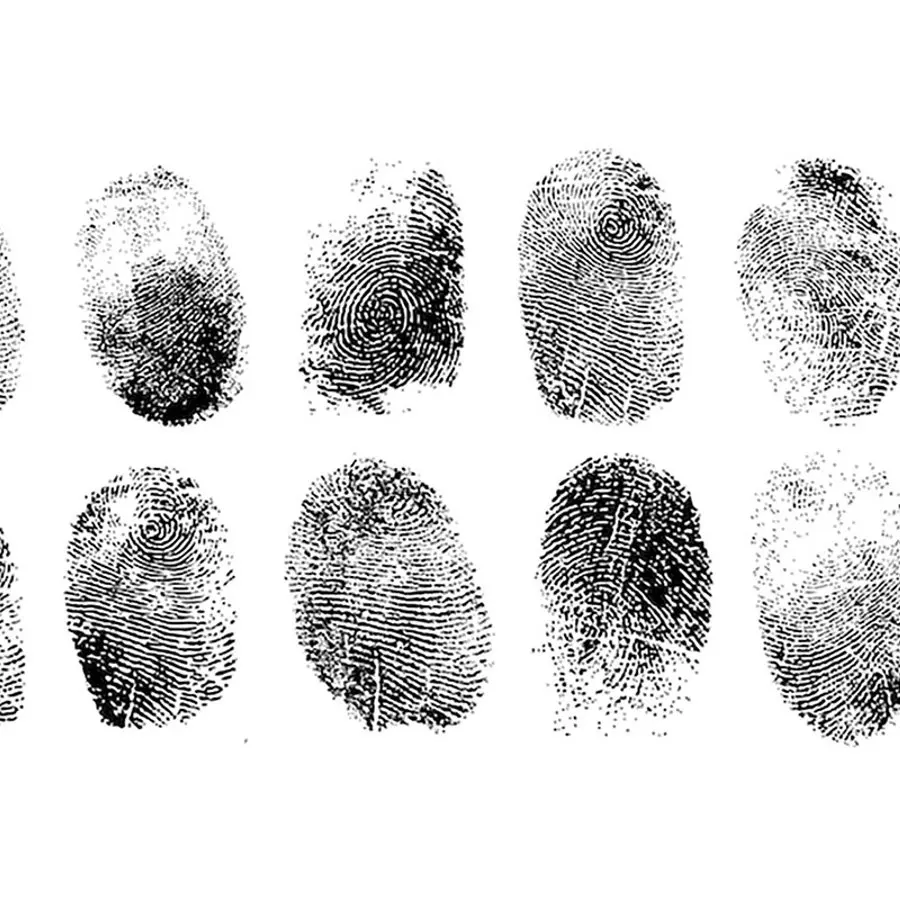
Forensic scientists and dermatologists categorize fingerprints into three primary patterns based on the flow of the ridges. While there are many variations and sub-classifications, these three categories serve as the foundation for identification systems worldwide. Understanding these shapes helps in identifying how ridge patterns are distributed across a population.
- Arches: The simplest pattern, where ridges enter from one side, rise in the center, and exit on the other side.
- Loops: The most common pattern, characterized by ridges that enter from one side, curve around, and exit on the same side.
- Whorls: Patterns that form circular or spiral shapes, often featuring at least two deltas, or triangular points where ridges diverge.
Most humans possess a combination of these types across their ten fingers. While loops are the most prevalent globally, the specific distribution of these patterns is unique to every person, providing a reliable biological marker for forensic identification.
Common mistakes when analyzing fingerprints
In forensic science, the process of fingerprint analysis is prone to human error if rigorous standards are not maintained. One of the most common mistakes is the reliance on "partial prints," which are often smudged or incomplete. When an analyst attempts to match a partial print to a database, they may inadvertently focus on coincidental similarities rather than the actual ridge characteristics, leading to a false positive identification.
Another frequent error involves the "confirmation bias" effect. This occurs when an examiner is provided with extraneous information about a case, such as a suspect's prior criminal record or a witness statement. This information can subconsciously influence the examiner to see matches where none exist. To avoid these pitfalls, modern forensic laboratories employ the following protocols:
- Blind verification, where a second examiner reviews the evidence without knowing the first examiner's conclusion.
- Use of standardized software to highlight minutiae, such as ridge endings and bifurcations.
- Strict adherence to the ACE-V method: Analysis, Comparison, Evaluation, and Verification.
How to take a clear fingerprint
Capturing a high-quality fingerprint requires precision and a steady hand to ensure the entire ridge detail is recorded. Whether using traditional ink or modern digital scanners, the goal is to capture the full surface area of the finger from nail to nail. A common mistake is applying too much pressure, which causes the ridges to flatten out and the ink to smudge, resulting in a dark, illegible blob.
Follow these steps to ensure a clean print:
- Clean and dry the fingers thoroughly to remove oils or dirt that can interfere with the print quality.
- Apply a thin, even layer of ink to the finger, ensuring it covers the entire distal phalanx.
- Roll the finger from one side to the other in a single, smooth motion to capture the full width of the pattern.
- Lift the finger straight up without twisting or sliding to prevent blurring the fine ridge details.
By following these simple steps, you can avoid the most common issues that lead to poor-quality prints, ensuring that the resulting image is clear enough for accurate analysis or identification.
Key facts
- Fingerprints are officially known as friction ridges, which are raised patterns of skin on the fingers, palms, and soles of the feet.
- These patterns develop in the womb around the 10th to 17th week of gestation and remain unchanged throughout a person's life.
- The primary biological function of fingerprints is to enhance friction, allowing humans to grip objects more effectively and prevent slipping.
- Fingerprints increase the sensitivity of our sense of touch by vibrating when skin brushes against a surface, stimulating nerve endings.
- No two individuals, including identical twins, have been found to possess the exact same fingerprint pattern.
- To clean a fingerprint scanner, use a microfiber cloth dampened with isopropyl alcohol; avoid harsh chemicals that can degrade the sensor surface.
The bottom line
Fingerprints are a sophisticated biological adaptation designed to improve our tactile sensitivity and grip on objects. Formed before birth and remaining constant throughout your life, these unique ridge patterns serve as a reliable method for individual identification. By channeling moisture and enhancing friction, they allow for precise manual control, proving that our fingerprints are far more than just a tool for security or forensic science.
People also ask
Can fingerprints be permanently removed?
While superficial damage like a paper cut will heal without altering the print, deep damage to the dermis layer can cause permanent scarring. Attempting to surgically remove or burn off prints often results in complex scar tissue that remains unique and identifiable.
Do other animals have fingerprints?
Yes, several primates, including chimpanzees and gorillas, possess friction ridges similar to humans. Koalas also have fingerprints that are so remarkably similar to human prints that they have been known to confuse crime scene investigators.
How are fingerprints classified?
Forensic experts classify prints into three primary pattern types: arches, loops, and whorls. These categories are further broken down by counting ridge characteristics, known as minutiae, to establish a positive identification.
Can sweat affect fingerprint quality?
Excess moisture or oils on the skin can cause smudging, which obscures the ridge details necessary for identification. Conversely, extremely dry skin can lead to broken or incomplete prints, making it difficult for scanners to capture a clear image.
Are fingerprints used for anything other than security?
Beyond forensics, fingerprints are used in medical research to identify certain genetic conditions. Because ridge patterns develop alongside the nervous system, irregularities in prints can sometimes serve as early indicators of developmental disorders.
Why do fingers wrinkle in water?
Scientists believe the wrinkling of skin in water is an evolutionary adaptation to improve grip on wet surfaces. The channels created by these wrinkles act like the treads on a tire, channeling water away from the fingertip to maintain contact.
This answer was created with the help of AI research tools and reference sources. Spotted an error? Let us know — we correct mistakes quickly. See our editorial policy.