Are gorillas endangered?
Short answer
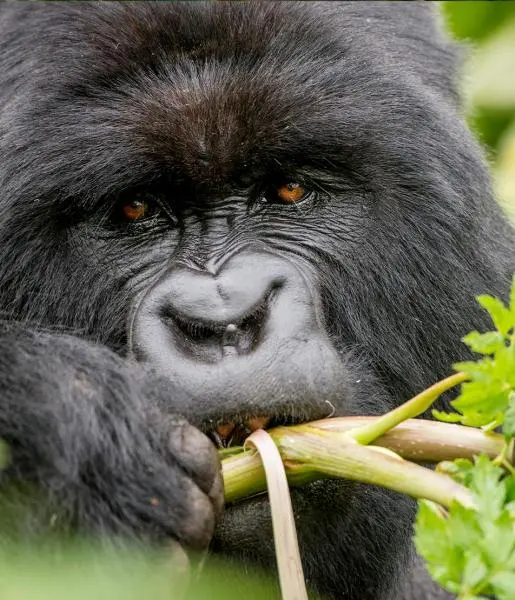
Yes, all gorilla species are critically endangered. Both the Western gorilla and the Eastern gorilla face severe threats to their survival in the wild. Habitat loss, poaching, and the rapid spread of infectious diseases have decimated their populations, leaving only a few thousand individuals remaining in fragmented forests across Central Africa.
On this page
Why are gorillas endangered?
Gorilla populations have plummeted primarily due to human-driven activities that destroy their natural environment. The expansion of industrial agriculture, logging, and mining operations has fragmented the dense tropical forests of Central Africa, leaving gorillas with smaller, isolated pockets of land. This habitat loss forces groups into closer proximity with human settlements, increasing the likelihood of conflict and resource competition.
Beyond physical displacement, illegal hunting remains a persistent threat. Gorillas are frequently targeted for the bushmeat trade, and infants are often captured for the illegal exotic pet market. Furthermore, because gorillas share approximately 98 percent of their DNA with humans, they are highly susceptible to human diseases. Outbreaks of the Ebola virus, in particular, have caused catastrophic mortality rates in some populations, sometimes wiping out up to 90 percent of local groups in a single event.
How do scientists track gorilla populations?
Conservationists use a variety of sophisticated methods to monitor gorilla numbers and health in the wild. Because gorillas live in dense, remote rainforests, researchers rely on indirect evidence such as nest counts. Gorillas build new nests out of vegetation every night, providing scientists with a reliable way to estimate density and population trends without needing to physically see every individual.
Modern technology has further enhanced these efforts through several key techniques:
- Camera traps: Motion-activated cameras capture images of gorillas in remote areas, allowing researchers to identify individuals by their unique nose prints.
- Genetic analysis: By collecting fecal samples from abandoned nests, scientists can extract DNA to determine the genetic diversity and health of specific groups.
- Satellite imagery: Remote sensing helps track the rate of deforestation, allowing conservationists to predict which areas of the forest are most at risk of disappearing.
What are the differences between gorilla species?
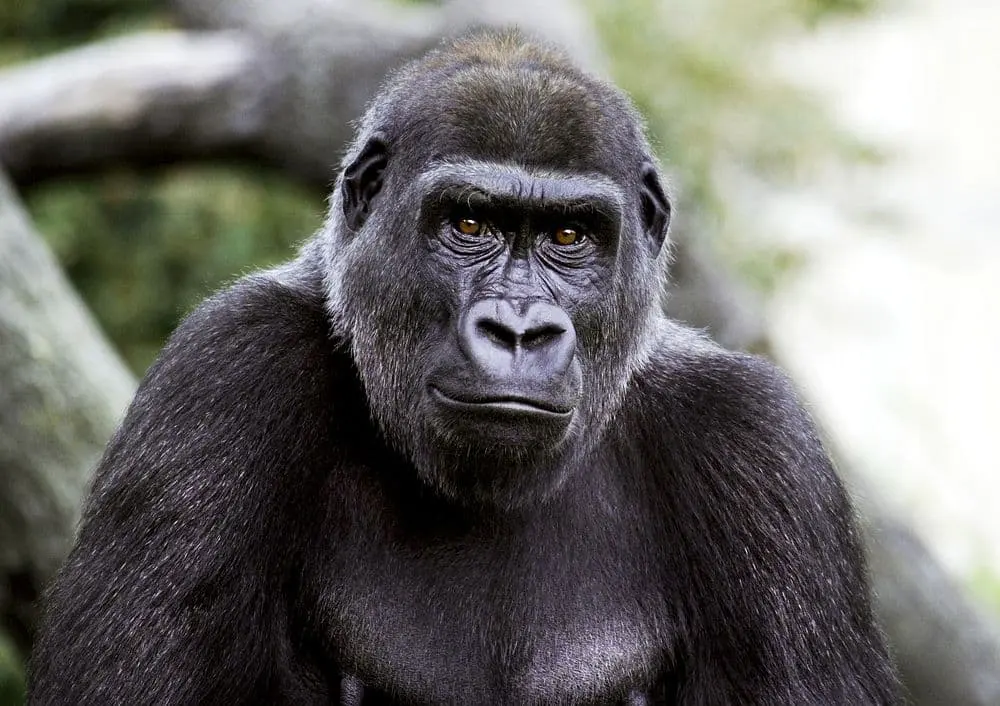
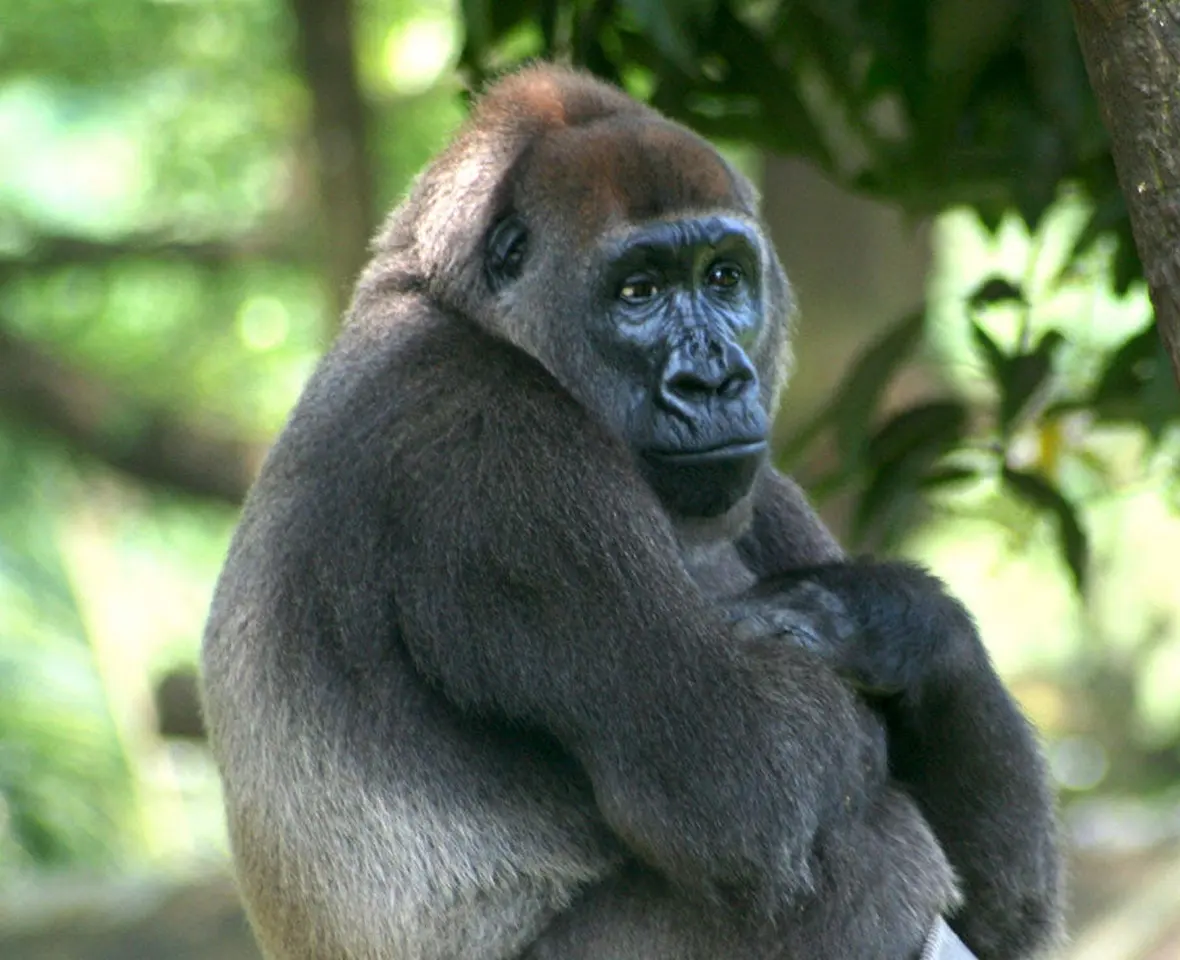
There are two distinct species of gorillas, each divided into two subspecies, all of which are classified as critically endangered by the International Union for Conservation of Nature. The Western gorilla consists of the Western lowland gorilla and the Cross River gorilla. The Western lowland gorilla is the most numerous, yet their numbers continue to decline due to poaching and disease. The Cross River gorilla is the rarest, with fewer than 300 individuals estimated to remain in a small, mountainous region between Nigeria and Cameroon.
The Eastern gorilla includes the Mountain gorilla and the Eastern lowland gorilla, also known as the Grauer’s gorilla. Mountain gorillas are the only subspecies that has seen a recent population increase, thanks to intensive protection efforts in the Virunga Massif and Bwindi Impenetrable National Park. Conversely, the Eastern lowland gorilla has suffered a massive decline, losing more than 75 percent of its population over the last two decades due to civil unrest and illegal mining activities in the Democratic Republic of the Congo.
How can individuals help protect gorillas?
Supporting gorilla conservation requires a mix of informed consumer choices and direct financial support. Many of the products consumed globally, such as palm oil, timber, and certain minerals, are linked to the destruction of gorilla habitats. By choosing products that are certified as sustainable or deforestation-free, consumers can reduce the demand for materials that lead to forest clearing.
If you wish to contribute more directly to conservation efforts, follow these steps:
- Research reputable organizations: Look for groups like the Dian Fossey Gorilla Fund or the African Wildlife Foundation that have a proven track record of field-based protection.
- Donate to community programs: Support initiatives that provide local communities with alternative livelihoods, which reduces the economic incentive for poaching and illegal logging.
- Spread awareness: Educate others about the specific threats these animals face, focusing on the link between global consumption and habitat destruction.
Common mistakes when supporting conservation
A frequent error people make is assuming that all conservation programs are equally effective. Some initiatives focus on short-term fixes that do not address the root causes of habitat loss or local poverty. It is essential to support programs that involve local communities in the management of protected areas, as these are far more sustainable than top-down approaches that ignore the needs of people living near gorilla habitats.
Another common mistake is the promotion of "wildlife tourism" without considering the risks. While ecotourism can provide vital funding for conservation, it must be strictly managed to prevent the transmission of human illnesses to gorillas. Visitors who do not follow strict health protocols, such as maintaining a safe distance and wearing masks, can accidentally introduce respiratory infections that are fatal to the animals. Always ensure that any tourism experience you participate in adheres to the highest international standards for gorilla health and safety to avoid causing unintended harm to the very animals you intend to support.
Key facts
- All gorilla species are currently listed as Critically Endangered by the IUCN Red List.
- There are two distinct species: the western gorilla and the eastern gorilla.
- Habitat loss from logging, mining, and agriculture remains the primary threat to their survival.
- Poaching for bushmeat and the illegal pet trade continues to decimate local populations.
- Mountain gorillas are the only subspecies that has seen a population increase due to intensive conservation efforts.
- To help, avoid purchasing products containing coltan, a mineral often mined in areas where gorillas live.
The bottom line
Gorillas face a precarious future, with all subspecies currently classified as critically endangered due to human encroachment and illegal hunting. While targeted conservation initiatives have stabilized some mountain gorilla populations, the broader trend remains concerning. Protecting these great apes requires global awareness, supporting sustainable mining practices, and strictly enforcing anti-poaching laws to ensure that these vital, intelligent primates do not vanish from the African wilderness forever.
People also ask
How many gorillas are left in the wild?
Estimates suggest there are fewer than 316,000 western gorillas and fewer than 5,000 eastern gorillas remaining in their natural habitats.
What is the biggest threat to gorillas today?
Habitat destruction is the most significant threat, as forests are cleared for timber and farmland, fragmenting the groups and limiting food sources.
Can gorillas be kept as pets?
No, keeping gorillas as pets is illegal, dangerous, and unethical, as they are wild animals that require complex social structures and vast territories.
Do gorillas get human diseases?
Yes, because gorillas share about 98 percent of their DNA with humans, they are highly susceptible to respiratory illnesses like the flu and pneumonia.
Are there any successful gorilla conservation programs?
Yes, programs like the International Gorilla Conservation Programme have successfully helped mountain gorilla numbers rise through community-led protection and anti-poaching patrols.
Where do gorillas live?
Gorillas are found exclusively in the tropical forests of equatorial Africa, spanning countries such as Rwanda, Uganda, the Democratic Republic of the Congo, and Gabon.
Read the full answer →This answer was created with the help of AI research tools and reference sources. Spotted an error? Let us know — we correct mistakes quickly. See our editorial policy.