Are wolves endangered?
Short answer
Gray wolves are not globally endangered, as their population remains stable across vast regions of North America, Europe, and Asia. While they face localized threats and remain protected in specific jurisdictions, the species as a whole is classified as "Least Concern" by the International Union for Conservation of Nature (IUCN).
On this page
Why are wolves not considered endangered?
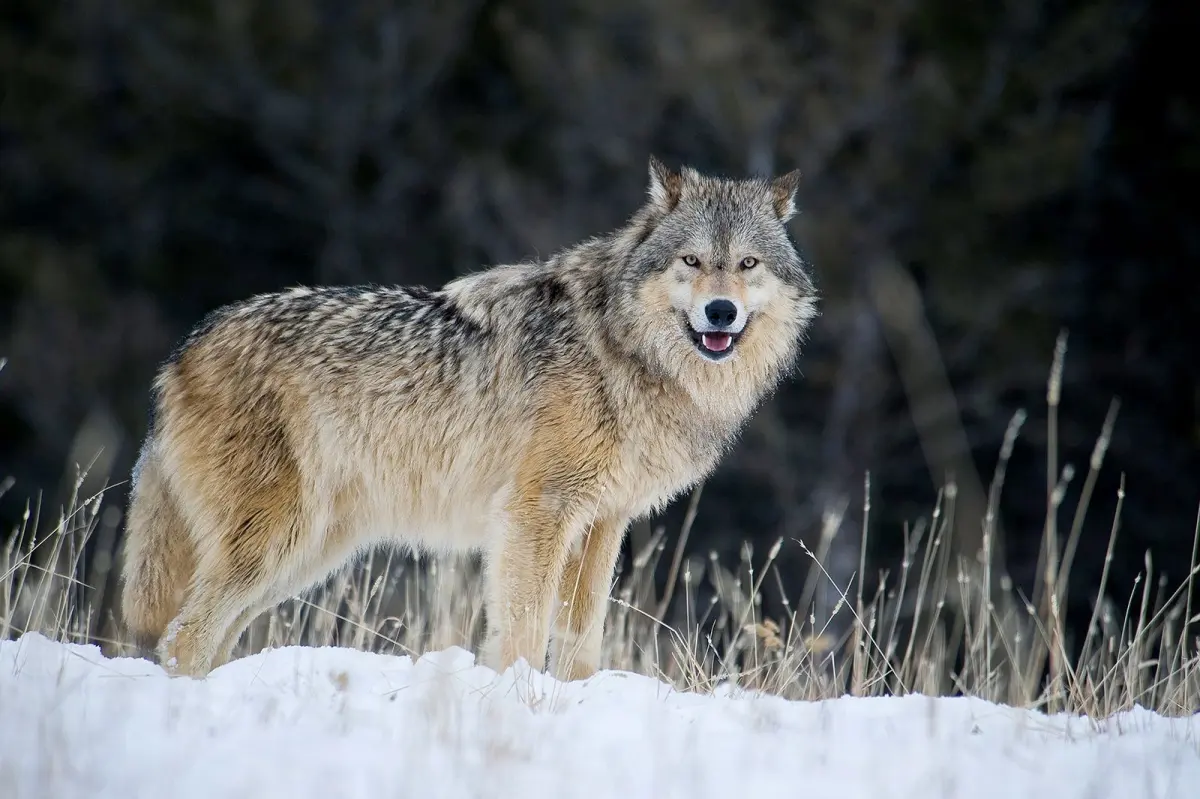
The gray wolf (Canis lupus) is one of the most resilient and adaptable mammals on the planet. Historically, they occupied nearly every habitat in the Northern Hemisphere, and despite centuries of intense human persecution, they have maintained a massive, fragmented range. Today, stable populations exist in Canada, Alaska, Russia, and parts of Scandinavia, which prevents the species from meeting the criteria for "endangered" status on a global scale.
Conservation success stories have also bolstered their numbers. In the United States, the reintroduction of wolves to Yellowstone National Park in 1995 served as a catalyst for population recovery in the Northern Rockies. Because wolves are highly mobile and capable of recolonizing areas where prey is abundant, they have proven remarkably adept at bouncing back once legal protections are established and human-wildlife conflict is managed effectively.
How do conservationists track wolf populations?
Wildlife biologists use a variety of sophisticated techniques to monitor wolf packs. Because wolves are elusive and cover vast territories, tracking them requires a combination of traditional field observation and modern technology. These data points are essential for determining whether a specific population is growing, shrinking, or remaining stable, which informs policy decisions regarding hunting quotas or protection status.
Common methods for monitoring wolf packs include:
- GPS collaring: Attaching satellite-linked collars to pack leaders to track movement patterns and territory size.
- Aerial surveys: Counting individuals from small aircraft during winter months when tracks are visible against the snow.
- DNA analysis: Collecting scat or hair samples to identify individual wolves and determine genetic diversity.
- Remote camera trapping: Deploying motion-activated cameras to document pack composition and pup survival rates.
Where are wolves still at risk?
While the species is secure globally, individual populations often face significant localized threats. In regions where human density is high or livestock ranching is the primary industry, wolves are frequently targeted by lethal control measures. These localized extinctions, or "extirpations," can lead to genetic isolation, where small groups of wolves become cut off from larger populations, potentially leading to inbreeding and reduced fitness.
Some regions where wolves remain highly vulnerable include:
- The Iberian Peninsula: Spanish and Portuguese populations face habitat fragmentation and poaching.
- The Middle East: Wolves in this region are often persecuted due to perceived threats to livestock and lack of formal protection.
- Central Europe: Rapid infrastructure development and road expansion create barriers that limit dispersal and increase mortality from vehicle collisions.
Common mistakes when evaluating wolf status
A frequent error in public discourse is conflating the status of a specific pack or state-level population with the status of the entire species. For example, a wolf population in a single U.S. state may be considered "threatened" or "endangered" under local law, while the species remains abundant just across the border. This leads to confusion regarding whether the animal is truly at risk of extinction.
Another common mistake is ignoring the role of prey availability. People often assume that wolf numbers are solely determined by hunting regulations, but the health of a wolf population is inextricably linked to the health of ungulate populations like elk, deer, and moose. If prey populations collapse due to disease or habitat loss, wolf numbers will inevitably decline regardless of legal protections. Understanding these ecological dependencies is critical for anyone interested in the nuance of wildlife management.
How to support wolf conservation efforts
If you want to contribute to the preservation of wolves, the most effective approach is to support organizations that focus on coexistence strategies. These groups work directly with ranchers to implement non-lethal deterrents, such as livestock guardian dogs or fladry, which is a line of flags used to scare wolves away from pastures. By reducing conflict, these measures prevent the need for lethal government intervention.
To get involved, follow these practical steps:
- Research local wildlife advocacy groups that focus on science-based management policies.
- Support land conservation trusts that protect the corridors necessary for wolf migration.
- Educate your community about the role of wolves as apex predators, which helps to maintain ecosystem health by controlling herbivore populations.
- Avoid spreading misinformation about wolf behavior, as fear-based narratives often drive policies that are detrimental to long-term conservation goals.
By focusing on coexistence and habitat protection, you can help ensure that wolves continue to play their vital role in the wild for generations to come.
Key facts
- Gray wolves are not currently listed as an endangered species globally, though their status varies significantly by specific region and country.
- In the United States, the gray wolf was removed from the federal endangered species list in 2020, though legal battles frequently challenge this status.
- The red wolf is considered critically endangered, with fewer than 30 individuals remaining in the wild in North Carolina.
- Conservation efforts focus on managing wolf-human interactions, particularly in areas where livestock predation creates economic conflict.
- To prevent negative encounters, livestock owners should use non-lethal deterrents like guard dogs, fladry, or motion-activated lights.
- Avoid feeding wild wolves or leaving food waste near campsites, as habituation to humans often leads to the animal having to be euthanized.
The bottom line
While the gray wolf is a conservation success story with stable populations in many parts of the world, other species like the red wolf remain critically endangered. Managing these predators requires a delicate balance between protecting the species' vital role in the environment and addressing the legitimate concerns of local communities. Understanding wolf behavior is essential for maintaining safety and fostering coexistence in shared habitats.
People also ask
Are wolves dangerous to humans?
Wolf attacks on humans are extremely rare because wolves are naturally wary of people. Most dangerous encounters occur only when a wolf has been habituated to human food or is suffering from rabies.
Why are wolves important to the ecosystem?
As apex predators, wolves regulate prey populations like deer and elk, which prevents overgrazing of vegetation. This "trophic cascade" effect improves biodiversity and promotes healthier forests and riverbanks.
What is the difference between a gray wolf and a red wolf?
The gray wolf is the most common species and is found across the Northern Hemisphere. The red wolf is a distinct, smaller species native only to the southeastern United States and is currently on the brink of extinction.
Can wolves be kept as pets?
Keeping a wolf or a wolf-dog hybrid as a pet is highly discouraged and often illegal. Wolves have complex social needs and wild instincts that make them unsuitable for domestic environments.
How do scientists track wolf populations?
Researchers use GPS collars, trail cameras, and DNA analysis of scat to monitor pack movements and population growth. These methods allow wildlife managers to make informed decisions about conservation and hunting regulations.
What happens if a wolf kills livestock?
In many regions, government agencies or non-profit organizations provide compensation programs to ranchers for verified livestock losses. These programs aim to reduce the incentive for ranchers to kill wolves in retaliation.
This answer was created with the help of AI research tools and reference sources. Spotted an error? Let us know — we correct mistakes quickly. See our editorial policy.