What is the largest ocean?
Short answer
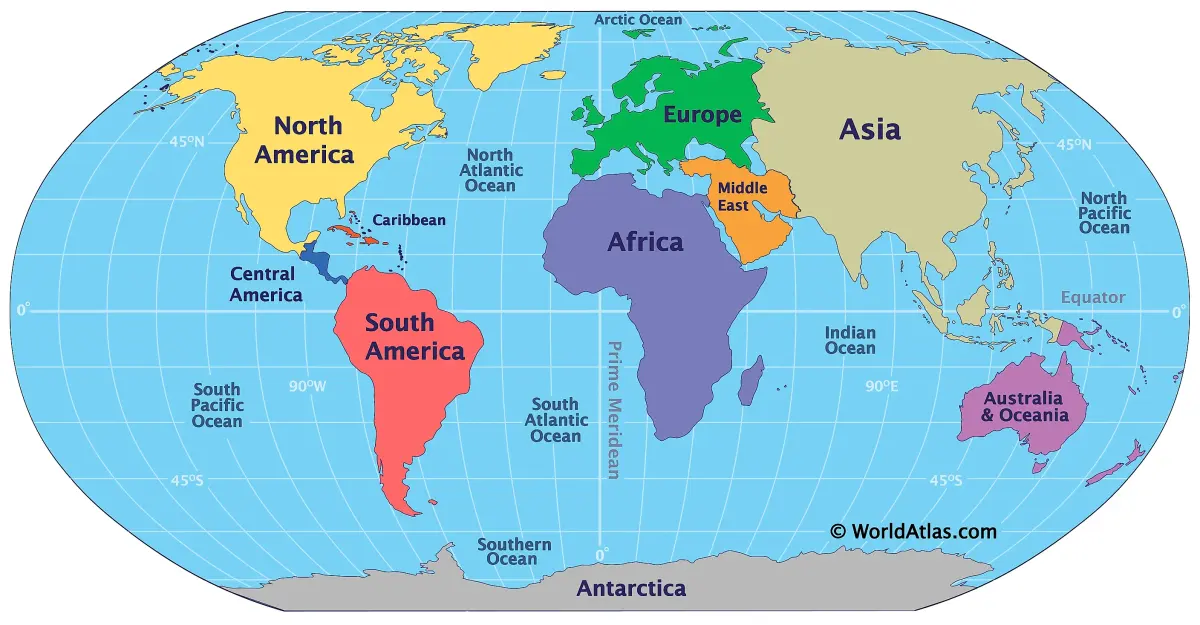
The Pacific Ocean is the largest and deepest ocean on Earth. It covers approximately 63 million square miles, accounting for nearly one-third of the planet's total surface area. This massive body of water is larger than all of Earth's landmasses combined, stretching from the Arctic in the north to the Southern Ocean.
On this page
How big is the Pacific Ocean?
The Pacific Ocean is vast, spanning about 63 million square miles (165 million square kilometers). To put this size into perspective, it covers more area than the entire land surface of the planet. If you were to place all seven continents inside the Pacific, there would still be significant room left over. It reaches roughly 12,000 miles at its widest point, extending from the coast of Indonesia to the shores of Colombia.
Because of its immense scale, the ocean is often divided into the North Pacific and the South Pacific by the equator. It contains about half of the world’s open-water surface area and holds more than 50 percent of the planet's total ocean water. The sheer volume of this basin influences global weather patterns, ocean currents, and the distribution of heat across the globe.
What is the deepest part of the ocean?
The Pacific Ocean is not only the largest but also the deepest ocean on Earth. Its average depth is approximately 13,000 feet, but it features extreme underwater geography. The deepest point is the Challenger Deep, located within the Mariana Trench near the Mariana Islands. This point reaches a depth of about 35,876 feet (10,935 meters) below sea level.
To understand the scale of this depth, consider these facts:
- If Mount Everest were placed into the Challenger Deep, its peak would still be over a mile underwater.
- The pressure at the bottom of the trench is more than 1,000 times the standard atmospheric pressure at sea level.
- Scientific exploration of these depths requires specialized submersibles capable of withstanding crushing forces.
Why does the Pacific Ocean have so many islands?
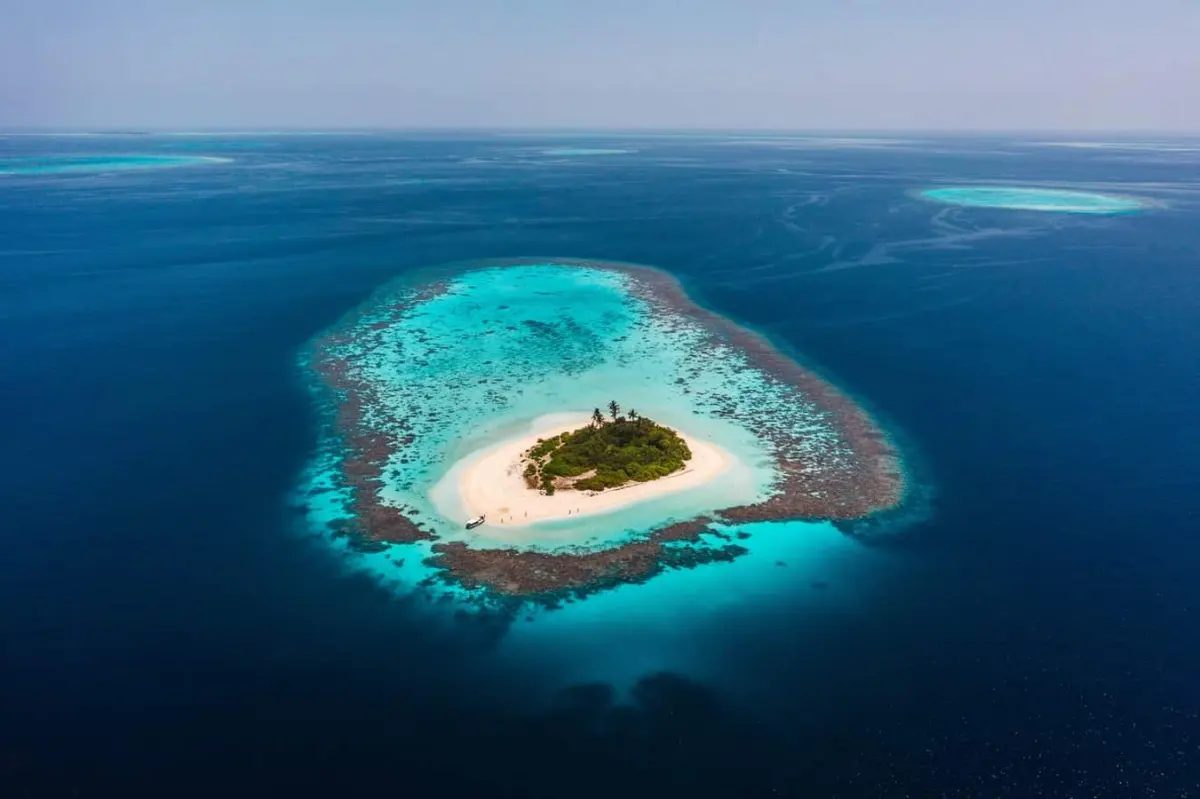
The Pacific is home to an estimated 25,000 islands, which is more than the total number of islands in all the other oceans combined. Most of these islands are concentrated in the southern and western regions. They were formed primarily through volcanic activity associated with the Pacific Plate, a massive tectonic plate that forms the basin's floor.
These islands are generally categorized into three main types:
- High islands: Formed by volcanic activity, these often have mountainous terrain and fertile soil.
- Low islands: These are typically coral atolls that rise only a few feet above sea level.
- Continental islands: These are fragments of land that were once connected to larger continents, such as New Guinea or New Zealand.
The geological movement of the Pacific Plate continues to shape these islands today, often leading to seismic activity and the creation of new landforms.
How do ocean currents work in the Pacific?
Ocean currents in the Pacific act as a global conveyor belt, moving heat from the equator toward the poles. The North Pacific Gyre is a massive circular current system that dominates the northern half of the ocean. It is famous for trapping debris, which has led to the formation of the Great Pacific Garbage Patch. These currents are driven by wind patterns, the rotation of the Earth, and differences in water density.
Understanding these currents is essential for maritime navigation and climate science. When studying these movements, keep these points in mind:
- Surface currents are primarily driven by global wind systems like the trade winds.
- Deep-water currents, known as thermohaline circulation, are driven by temperature and salinity gradients.
- El Niño and La Niña are major climatic events caused by shifts in Pacific surface temperatures, which disrupt normal current patterns and weather worldwide.
Common mistakes when studying the Pacific Ocean
A frequent error is assuming that the Pacific Ocean is a static, uniform body of water. In reality, it is a dynamic environment with varying temperatures, salinity levels, and distinct ecosystems. Another common mistake is underestimating the ocean's role in climate regulation. Many people view the ocean merely as a barrier between continents, ignoring its function as the primary regulator of Earth's heat and carbon dioxide levels.
When researching or navigating the Pacific, avoid these pitfalls:
- Confusing the Pacific Plate with the entire ocean basin; the plate is a tectonic feature, while the ocean is the body of water above it.
- Ignoring the impact of the "Ring of Fire," a horseshoe-shaped area of intense volcanic and seismic activity surrounding the Pacific basin.
- Overlooking the importance of the Southern Ocean, which is sometimes treated as a separate entity but is physically connected to the Pacific's southern reaches.
By recognizing these nuances, you gain a more accurate understanding of how this massive ocean functions as the heart of our planet's hydrosphere.
Key facts
- The Pacific Ocean covers more surface area than all of Earth’s land combined.
- It contains the world's deepest point, the Challenger Deep, located in the Mariana Trench.
- The ocean is home to over 25,000 islands, which is more than the rest of the world's oceans combined.
- It is shrinking by about one inch per year due to the movement of tectonic plates.
- The name "Pacific" comes from the Latin word pacificus, meaning peaceful, coined by explorer Ferdinand Magellan.
- Its average depth is approximately 13,000 feet, significantly deeper than the Atlantic Ocean.
The bottom line
The Pacific Ocean stands as the world's largest and deepest body of water, defining much of Earth's geography and climate. Spanning over 60 million square miles, it serves as a critical component of the global ecosystem and a complex environment for navigation. Understanding its immense scale and geological activity is essential for anyone interested in the dynamic nature of our planet's vast and interconnected marine systems.
People also ask
Which ocean is the second largest?
The Atlantic Ocean is the second largest, covering about 41 million square miles. It separates the Americas from Europe and Africa.
Why is the Pacific Ocean shrinking?
Tectonic plate movement causes the Pacific basin to subduct beneath surrounding plates. This process slowly consumes the ocean floor at its edges.
How many oceans are there in total?
Geographers generally recognize five oceans: the Pacific, Atlantic, Indian, Southern, and Arctic. These bodies of water are all interconnected as one global ocean.
What is the Ring of Fire?
This is a major area in the basin of the Pacific Ocean where many earthquakes and volcanic eruptions occur. It is caused by the constant movement of tectonic plates.
Is the Pacific Ocean getting warmer?
Yes, global climate change has led to rising sea surface temperatures in the Pacific. This shift impacts marine ecosystems and weather patterns like El Niño.
How deep is the average ocean?
The average depth of the world's oceans is about 12,100 feet. The Pacific exceeds this average, making it the deepest of all the major oceans.
This answer was created with the help of AI research tools and reference sources. Spotted an error? Let us know — we correct mistakes quickly. See our editorial policy.