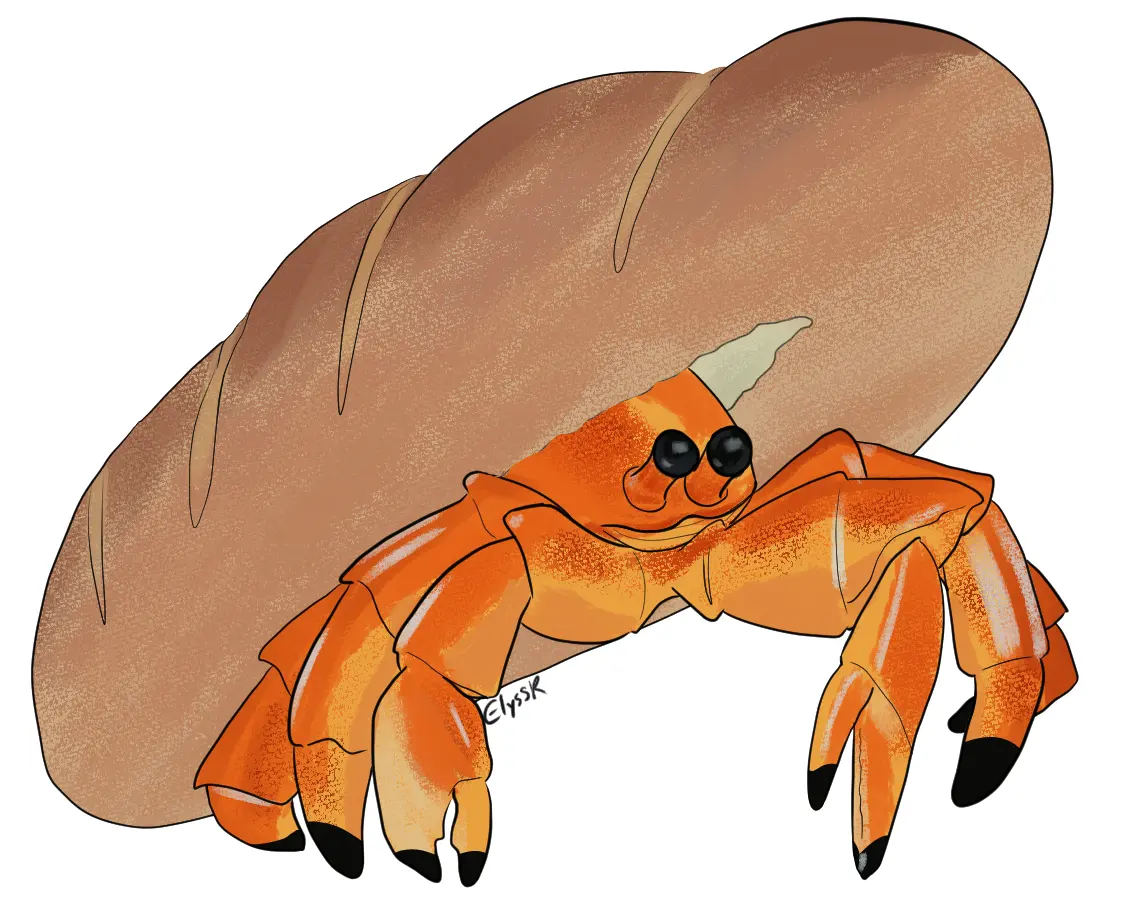
Where do crabs live?
Short answer
Crabs inhabit nearly every aquatic and terrestrial environment on Earth. While the majority reside in saltwater oceans, many species thrive in freshwater rivers, lakes, and damp land habitats. They are found from the deepest ocean trenches to tropical beaches, burrowing into sand, hiding in coral reefs, or climbing trees.
On this page
Where do most crabs live?
The vast majority of the world’s 6,700 crab species live in marine environments. They occupy the entire water column, ranging from shallow intertidal zones to the crushing pressures of the deep sea. Many species prefer the complex architecture of coral reefs, which provide abundant food sources and essential protection from larger predators. Others favor sandy or muddy seafloors where they can burrow to regulate their body temperature and remain hidden.
Beyond the open ocean, many crabs are found in brackish estuaries where freshwater rivers meet the sea. These environments are highly productive, offering a mix of nutrients that support massive populations of crustaceans. Whether they are swimming species like the blue crab or bottom-dwelling spider crabs, their distribution is largely dictated by water temperature, salinity levels, and the availability of calcium carbonate, which is necessary for them to build their hard exoskeletons.
How do land crabs survive on shore?
While most crabs rely on gills to breathe, some species have evolved to live primarily on land. These terrestrial crabs, such as the coconut crab or various land hermit crabs, still require moisture to keep their gills functional. They often inhabit tropical forests, coastal dunes, and mangrove swamps, where high humidity allows them to survive away from permanent bodies of water. They typically return to the ocean only to release their larvae.
To successfully navigate life on land, these crabs have adapted in several ways:
- They often possess modified gills that function like primitive lungs to absorb oxygen from the air.
- They utilize burrows to maintain a microclimate of high humidity during the heat of the day.
- Many species are nocturnal, emerging only at night to forage when evaporation rates are lower.
- They may store water in specialized chambers within their bodies to prevent desiccation during dry spells.
Where do freshwater crabs hide?
Freshwater crabs inhabit rivers, streams, and mountain lakes across tropical and subtropical regions. Unlike marine crabs, these species have evolved to complete their entire life cycle in freshwater, bypassing the need for a larval stage in the ocean. They are frequently found under submerged rocks, within tangled root systems of riparian vegetation, or inside deep crevices along riverbanks. These locations provide safety from terrestrial predators like birds and mammals.
Because freshwater environments are often more stable than the turbulent ocean, these crabs have developed specific behaviors to maintain their territory. They are generally more sedentary than their marine counterparts, often staying within a small radius of their preferred hiding spot. Their presence is a strong indicator of water quality, as many freshwater crabs are highly sensitive to pollution and chemical runoff. If you are searching for them, look for areas with:
- Slow-moving water currents that allow for sediment accumulation.
- Abundant leaf litter, which serves as both food and camouflage.
- Stable rock formations that provide permanent shelter from seasonal floods.
How to find crabs in the wild?
Observing crabs in their natural habitat requires patience and an understanding of tidal cycles. For coastal species, the best time to search is during low tide, when the receding water reveals tide pools and exposed sandbars. Many crabs are masters of camouflage, matching the color and texture of their surroundings to avoid detection. Look for subtle movements in the sand or the telltale bubbles of a burrow entrance.
When exploring, it is important to be mindful of the environment to avoid damaging the crab's habitat. Follow these guidelines to ensure a safe and successful observation:
- Move slowly and quietly, as crabs are highly sensitive to vibrations in the ground or water.
- Check under loose rocks or seaweed, but always return these items to their original position to protect the ecosystem.
- Use a flashlight at night, as many species are active foragers only after the sun goes down.
- Avoid handling the crabs, as their claws can inflict painful injuries and they are easily stressed by human contact.
Common mistakes when looking for crabs?
A frequent error is searching for crabs in areas with heavy human traffic or polluted water. Crabs are often shy and will retreat into deep burrows or move to deeper water when they sense human activity. Additionally, beginners often ignore the importance of the tide, attempting to search during high tide when the animals are submerged and dispersed. Always check local tide charts before heading to the coast to ensure you are searching at the optimal moment.
Another mistake is failing to look closely at the substrate. Many people walk right over crabs because they are looking for large, obvious movements rather than the small, rhythmic motions of a crab feeding or breathing. Furthermore, some enthusiasts mistakenly believe all crabs are aggressive; while they defend themselves, they generally prefer to flee. Avoid reaching into dark holes or crevices where you cannot see the bottom, as you might accidentally disturb a resting predator or harm the crab's delicate limbs. By practicing observation from a distance, you ensure the safety of both yourself and the wildlife.
Key facts
- Crabs live in almost every ocean, ranging from the freezing waters of the Arctic to the warm, tropical reefs of the Indo-Pacific.
- Many crab species are semi-terrestrial, meaning they spend significant time on land, such as the coconut crab which dwells in burrows on tropical islands.
- Freshwater crabs inhabit rivers, streams, and lakes in tropical and subtropical regions, often hiding under rocks or within muddy banks.
- Deep-sea crabs, like the giant spider crab, thrive at depths of up to 1,000 meters where they scavenge on the ocean floor.
- Intertidal zones are common habitats for shore crabs, which must adapt to the rhythmic cycle of tides and changing water levels.
- If you are hunting for crabs, avoid searching in polluted estuaries or areas with strong currents, as these environments are often unsuitable for stable populations.
The bottom line
Crabs are remarkably adaptable crustaceans that occupy diverse environments across the globe. Whether they are burrowing in sandy beaches, hiding under river stones, or roaming the crushing depths of the ocean floor, they have evolved specialized traits to survive in their specific niches. Understanding their habitat preferences is essential for anyone interested in observing these fascinating creatures in their natural, wild, and often hidden homes.
People also ask
Do all crabs live in saltwater?
No, while the majority of the 6,700 known crab species live in marine environments, there are many freshwater and semi-terrestrial species. Freshwater crabs are particularly common in regions like Southeast Asia and South America.
Can crabs survive outside of water?
Many crabs can survive on land for extended periods as long as their gills remain moist. They often store water in a special chamber near their gills to prevent them from drying out in the air.
Where do ghost crabs hide?
Ghost crabs are nocturnal scavengers that dig deep, complex burrows in the sand above the high-tide line. These burrows help them escape predators and stay cool during the heat of the day.
How do I find crabs at the beach?
Look under large rocks or near seaweed during low tide, as these areas provide essential moisture and protection. Avoid grabbing crabs by their legs, as they can easily detach them to escape a predator's grip.
Are there crabs that live in the deep ocean?
Yes, species like the Japanese spider crab live in the cold, dark depths of the Pacific Ocean. These creatures have evolved to withstand extreme pressure and have very long legs to navigate the soft, silty sea floor.
Why do some crabs migrate?
Many land crabs, such as the Christmas Island red crab, migrate from the forest to the sea to release their eggs. This journey is necessary because their larvae require saltwater to develop and survive.
This answer was created with the help of AI research tools and reference sources. Spotted an error? Let us know — we correct mistakes quickly. See our editorial policy.