What is Munich known for?
Short answer
Munich is world-renowned as the capital of Bavaria, celebrated for its historic architecture, vibrant beer culture, and status as a global hub for engineering and technology. It is most famous for hosting Oktoberfest, its proximity to the Bavarian Alps, and its deep-rooted traditions that blend seamlessly with a modern, cosmopolitan lifestyle.
On this page
Why is Oktoberfest so popular?
Oktoberfest is the world’s largest Volksfest, held annually in Munich on the Theresienwiese grounds. While the festival originated in 1810 to celebrate the marriage of Crown Prince Ludwig and Princess Therese of Saxe-Hildburghausen, it has evolved into a massive cultural event attracting over six million visitors every year. The festival is defined by its massive beer tents, traditional Bavarian folk music, and the serving of "Oktoberfestbier," a specific style of lager brewed by the city's historic breweries.
Beyond the beer, the event serves as a showcase for Bavarian heritage. Many attendees wear traditional clothing, such as Lederhosen for men and Dirndls for women, which are often passed down through generations. The festival typically begins in late September and concludes on the first Sunday of October. To experience it like a local, consider these tips:
- Arrive early, especially on weekends, as tents reach capacity quickly.
- Bring physical cash, as many vendors do not accept digital payments.
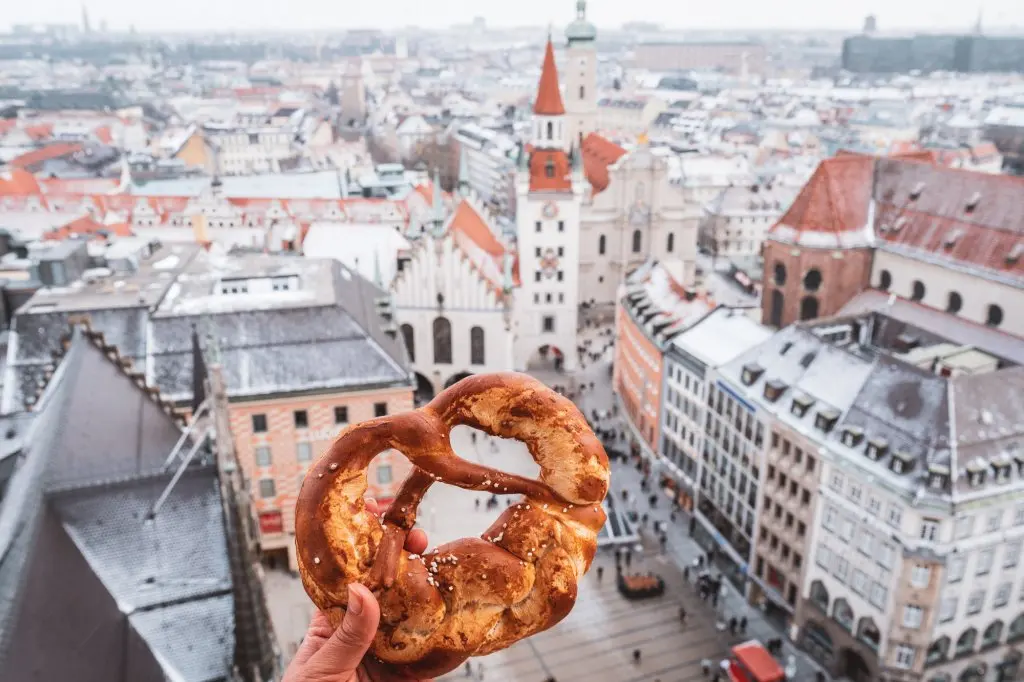
- Try traditional snacks like Hendl (roast chicken) or Brezn (giant pretzels).
How to explore Munich's historic city center
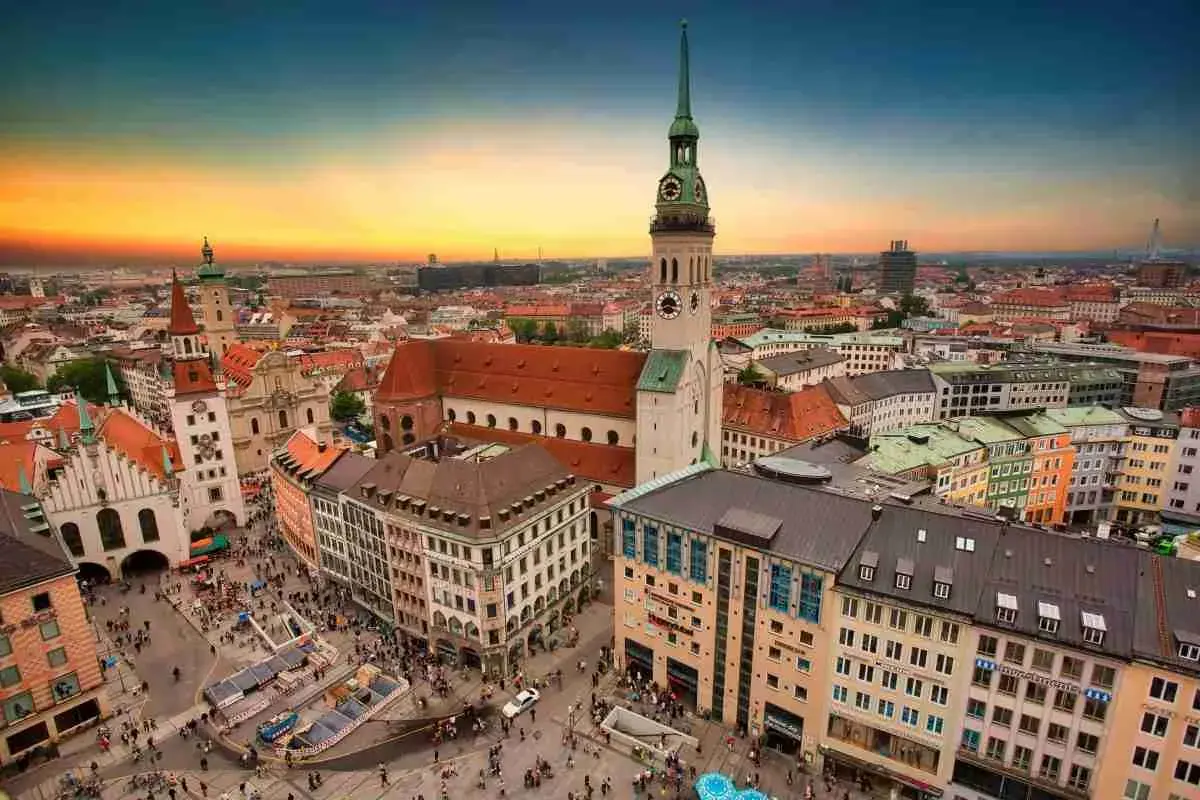
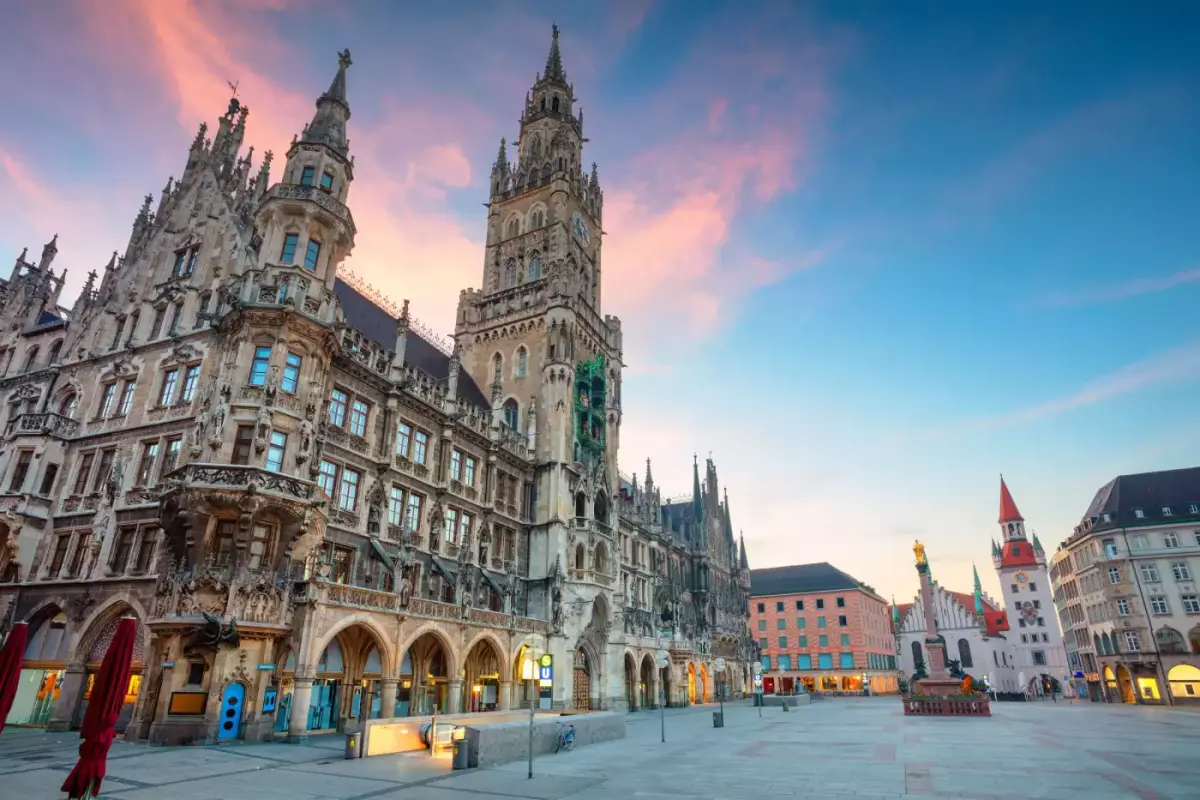
The heart of Munich is the Marienplatz, a central square that has served as the city's main hub since 1158. The square is dominated by the Neues Rathaus, or New Town Hall, which is famous for its intricate Gothic Revival architecture and the Glockenspiel. This mechanical clock performs a daily show featuring life-sized figures that reenact scenes from 16th-century history. Visitors can also climb the tower of St. Peter’s Church, the oldest parish church in the city, to get a panoramic view of the skyline.
Walking through the Altstadt offers a glimpse into the city's royal past. You can explore the Residenz, the former royal palace of the Wittelsbach monarchs, which houses an extensive collection of art and crown jewels. For those interested in history, the following sites are essential stops:
- The Frauenkirche, featuring its iconic onion-shaped domes.
- The Viktualienmarkt, an upscale open-air food market.
- The Hofbräuhaus, one of the oldest beer halls in the world.
Avoid the temptation to rush through these sites; the city is best enjoyed by spending time in the quiet courtyards and hidden alleyways of the old town.
What are the best museums in Munich?
Munich is a major center for art, science, and history, boasting some of the most significant museum collections in Europe. The Pinakotheken—comprising the Alte, Neue, and Pinakothek der Moderne—form one of the world's most important art gallery complexes. The Alte Pinakothek focuses on European paintings from the 14th to the 18th century, while the Pinakothek der Moderne covers contemporary art, design, and architecture. These institutions are located in the Kunstareal, a dedicated museum district that is easily walkable.
For those interested in technology and science, the Deutsches Museum is an absolute necessity. It is the world’s largest museum of science and technology, housing over 28,000 objects across 50 fields of study. It is easy to spend an entire day here exploring exhibits on aviation, maritime navigation, and renewable energy. When planning your museum visits, keep in mind that many museums offer reduced entry fees on Sundays. Always check the official websites beforehand, as some galleries close on Mondays for maintenance or private events.
Common mistakes when visiting Munich
One of the most frequent errors travelers make is assuming that Munich’s public transport system, the MVV, is optional. Munich has an exceptionally efficient network of U-Bahn (subway), S-Bahn (suburban train), trams, and buses that can take you almost anywhere in the city. Relying on taxis or rental cars is often more expensive and frustrating due to heavy traffic and limited parking in the city center. Additionally, visitors often forget to validate their tickets before boarding trams or buses, which can lead to significant fines during random inspections.
Another common mistake is ignoring local customs regarding beer garden etiquette. In Munich, you are often allowed to bring your own food to a beer garden, provided you purchase your drinks on-site. However, you must keep your table tidy and respect the shared seating arrangements. Avoid these pitfalls to ensure a smooth trip:
- Do not expect shops to be open on Sundays, as most retail stores are legally required to close.
- Do not attempt to order "a beer" without specifying the size, as the standard serving is a one-liter "Maß."
- Do not walk in the designated bicycle lanes, as cyclists move quickly and expect pedestrians to stay on the sidewalks.
Why is Munich a gateway to the Alps?
Munich’s geographic location makes it the ideal base for exploring the Bavarian Alps and the surrounding countryside. A short train ride of about two hours transports visitors to the foot of the Zugspitze, Germany’s highest peak. Many travelers use the city as a starting point for day trips to iconic landmarks like Neuschwanstein Castle, the fairytale-inspired retreat built by King Ludwig II. The proximity to these natural and architectural wonders allows for a diverse itinerary that balances urban exploration with mountain adventure.
The region is also home to numerous pristine lakes, such as Starnberger See and Ammersee, which are popular for swimming and sailing during the summer months. If you are planning to travel into the mountains, always check the weather forecast, as conditions can change rapidly at higher elevations. Whether you are interested in hiking, skiing, or simply enjoying the scenic views from a mountain hut, the infrastructure connecting Munich to the Alps is reliable and frequent. By basing yourself in the city, you gain access to both world-class urban amenities and the breathtaking beauty of the German alpine landscape.
Key facts
- Oktoberfest, the world's largest folk festival, attracts over six million visitors annually to the Theresienwiese grounds.
- The city serves as the global headquarters for the automotive giant BMW, which operates a prominent museum and delivery center.
- Marienplatz serves as the historic heart of the city, featuring the iconic New Town Hall and its famous Glockenspiel clock.
- Munich is home to the Englischer Garten, one of the world's largest urban parks, which spans 910 acres.
- The city is renowned for its traditional beer halls, most notably the Hofbräuhaus, which dates back to 1589.
- Visitors should avoid wearing traditional Lederhosen or Dirndls unless they are attending a formal festival or cultural event to avoid appearing like a tourist.
The bottom line
Munich masterfully balances its deep-rooted Bavarian traditions with its status as a modern, high-tech industrial hub. Whether you are exploring the historic architecture of Marienplatz, enjoying a liter of beer in a centuries-old beer hall, or visiting world-class automotive museums, the city offers a unique cultural experience. By utilizing the efficient public transit system and respecting local customs, visitors can easily navigate this vibrant, prosperous capital.
People also ask
Is it necessary to reserve a table for Oktoberfest?
Yes, if you plan to visit a large beer tent during weekends or evenings, reservations are essential months in advance. However, some tents keep a portion of seating open for walk-ins, though these fill up immediately upon opening.
What is the best way to travel around Munich?
The city features an excellent public transportation network consisting of the U-Bahn, S-Bahn, trams, and buses. Purchase a daily or group ticket from the MVV kiosks to save money and enjoy unlimited travel across the city zones.
Can you surf in the middle of Munich?
Yes, the Eisbach wave in the Englischer Garten is a permanent river wave that attracts surfers throughout the year. It is located near the Haus der Kunst and is strictly for experienced surfers due to the strong current and shallow concrete bed.
What are the most important museums to visit?
The Pinakothek museums—Alte, Neue, and Moderne—house one of the most significant art collections in the world. Additionally, the Deutsches Museum is the world's largest museum of science and technology, offering extensive interactive exhibits.
Are shops open on Sundays in Munich?
No, almost all retail shops, including supermarkets, are closed on Sundays in accordance with German labor laws. Plan your grocery shopping for Saturday, as only bakeries and small kiosks at train stations remain open on the weekend.
Is Munich an expensive city to visit?
Munich is considered one of Germany's most expensive cities, particularly regarding accommodation and dining. To manage costs, look for lunch specials at local restaurants and utilize the city's vast array of affordable public parks and free walking tours.
This answer was created with the help of AI research tools and reference sources. Spotted an error? Let us know — we correct mistakes quickly. See our editorial policy.