What is Florence known for?
Short answer
Florence is world-renowned as the cradle of the Renaissance, celebrated for its unparalleled collection of art, architecture, and history. It serves as the capital of Italy’s Tuscany region, housing masterpieces by Michelangelo and Botticelli. Beyond its cultural heritage, the city is a global center for luxury fashion, leather craftsmanship, and gastronomy.
On this page
Why is Florence famous for art?
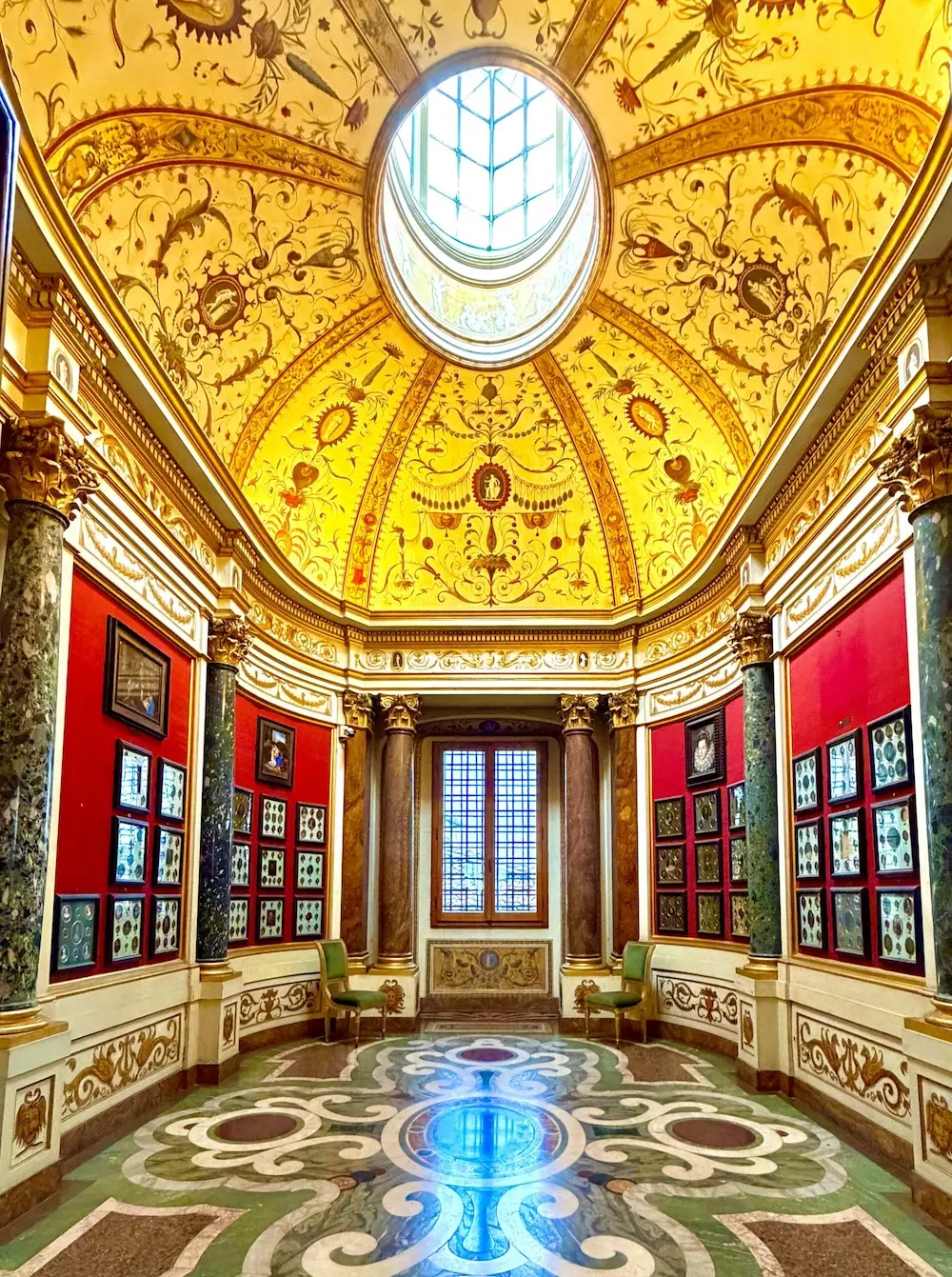
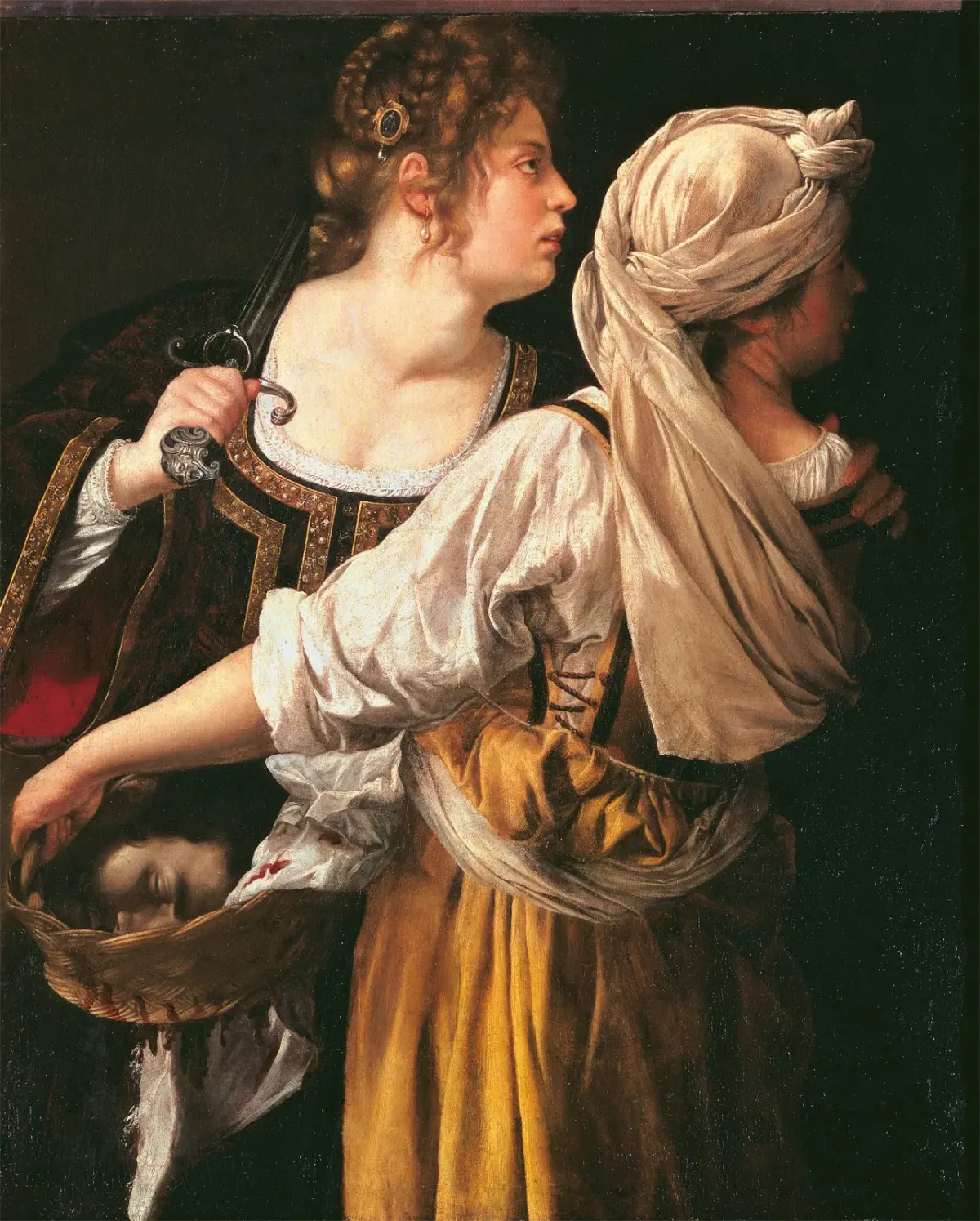
Florence is widely considered the birthplace of the Renaissance, a cultural movement that transformed European art, science, and philosophy between the 14th and 17th centuries. The city’s immense wealth, generated by the powerful Medici family and a booming textile trade, allowed patrons to commission works from history’s most influential figures. This environment fostered a unique concentration of creative genius that remains unmatched in the Western world.
Visitors flock to the Uffizi Gallery and the Accademia Gallery to witness iconic works that defined the era. The city functions as an open-air museum where the streets themselves tell the story of artistic evolution. Key highlights include:
- Michelangelo’s David, a symbol of Florentine strength.
- Botticelli’s The Birth of Venus, housed in the Uffizi.
- The bronze doors of the Baptistery, famously dubbed the "Gates of Paradise."
- Leonardo da Vinci’s early contributions before his move to Milan.
How to explore the architectural landmarks?
The skyline of Florence is dominated by the Duomo, officially known as the Cathedral of Santa Maria del Fiore. Its massive red-tiled dome, engineered by Filippo Brunelleschi, was a marvel of 15th-century construction and remains the largest masonry dome in the world. To fully appreciate the city's architectural depth, travelers should prioritize walking tours that connect the religious center to the political heart at the Piazza della Signoria.
Navigating these sites requires careful planning, especially during peak tourist seasons. Follow these steps to maximize your experience:
- Purchase a combined pass for the Duomo complex to access the dome, bell tower, and baptistery.
- Visit the Ponte Vecchio early in the morning to avoid heavy crowds on the medieval stone bridge.
- Climb the Giotto’s Campanile for the best panoramic view of the terracotta rooftops.
- Reserve tickets for major museums at least three weeks in advance to avoid hours of waiting.
What are the best local foods to try?
Florentine cuisine is rooted in "cucina povera," or peasant cooking, which emphasizes high-quality, simple ingredients like olive oil, beans, and bread. The most famous dish is the Bistecca alla Fiorentina, a massive T-bone steak sourced from Chianina cattle and grilled over a wood fire. Another staple is Ribollita, a hearty vegetable and bread soup that showcases the region's agricultural bounty.
Street food culture is equally vibrant and offers a more accessible entry point for casual diners. Travelers should look for lampredotto sandwiches, a traditional Florentine delicacy made from slow-cooked tripe, typically served at small kiosks called trippai. When dining out, avoid restaurants with pictures of food on the menu or those located directly adjacent to major tourist attractions, as these often lack authenticity. Instead, venture into the Oltrarno district for traditional trattorias frequented by locals.
Common mistakes when visiting Florence
Many travelers underestimate the physical demands of exploring a city built on narrow, medieval streets. A frequent mistake is attempting to see every major museum in a single day, which leads to "museum fatigue" and prevents visitors from enjoying the city’s atmosphere. It is far more rewarding to spend time lingering in the Boboli Gardens or the San Lorenzo market rather than rushing between galleries.
Another common error involves failing to respect the city’s dress codes and local customs. When entering churches, including the Duomo, shoulders and knees must be covered regardless of the temperature outside. Additionally, while tipping is appreciated, it is not mandatory in the same way it is in the United States; a small gesture or rounding up the bill is sufficient. Finally, avoid buying leather goods from street vendors, as these are often mass-produced imports rather than the authentic, hand-stitched items for which Florence is famous.
Where to find authentic leather and crafts?
Florence has been a hub for leather production since the Middle Ages, with guilds regulating the quality of goods for centuries. The tradition continues today, with artisans using vegetable-tanning techniques that produce durable, high-quality items. The Scuola del Cuoio, located behind the Basilica of Santa Croce, is an excellent place to observe students learning these ancient skills while browsing high-end finished products.
When shopping for leather, look for the "Vera Pelle" (Genuine Leather) stamp, which indicates the product was crafted in Italy. To ensure you are getting the best value and quality, follow these tips:
- Feel the texture; real leather should be supple and have a natural, non-uniform grain.
- Smell the item; authentic leather has a distinct, earthy scent that chemical-based synthetic materials lack.
- Inspect the stitching; handmade items feature consistent, sturdy threads rather than glued seams.
- Visit the San Lorenzo Market for variety, but be prepared to negotiate prices politely.
Key facts
- Florence is widely considered the birthplace of the Renaissance, a cultural movement that transformed European art, politics, and science starting in the 14th century.
- The Cathedral of Santa Maria del Fiore, featuring Filippo Brunelleschi’s revolutionary red-tiled dome, remains the city's most iconic architectural landmark.
- The Uffizi Gallery houses one of the world's most significant collections of Renaissance art, including masterpieces by Botticelli, Michelangelo, and Leonardo da Vinci.
- To avoid the longest lines at major museums, book your tickets online at least two weeks in advance and aim for early morning or late afternoon entry times.
- The Ponte Vecchio, a medieval stone bridge spanning the Arno River, is famous for its jewelry shops that have occupied the space since the 16th century.
- When visiting, dress modestly by covering your shoulders and knees, as this is a strict requirement for entering the Duomo and other historic churches.
The bottom line
Florence serves as a living museum of human achievement, blending unparalleled artistic heritage with vibrant Tuscan culture. By balancing visits to world-renowned galleries like the Uffizi with leisurely strolls through its medieval streets, visitors can fully appreciate the city's unique atmosphere. Whether you are exploring Renaissance architecture or savoring local culinary traditions, Florence offers a profound look into the historical foundations of modern Western civilization.
People also ask
How many days should I spend in Florence?
Three days is generally sufficient to see the major museums and historic sites. If you plan to take day trips to the surrounding Tuscan countryside, consider adding one or two extra days to your itinerary.
What is the best time of year to visit Florence?
The spring months of April and May or the autumn months of September and October offer the most pleasant weather for walking. Avoid July and August, as the city experiences intense heat and peak tourist crowds.
Is Florence a walkable city?
Yes, the historic center is compact and largely pedestrianized, making it very easy to explore on foot. Wear comfortable shoes, as the city is famous for its uneven cobblestone streets.
What are the must-try local dishes?
You should sample "bistecca alla fiorentina," a thick T-bone steak grilled over wood coals, and "ribollita," a hearty vegetable and bread soup. Finish your meal with authentic gelato from a traditional shop.
Do I need to speak Italian to navigate the city?
While many locals in the hospitality and tourism sectors speak English, learning basic Italian phrases like "buongiorno" and "per favore" is greatly appreciated. It shows respect for the local culture and can enhance your interactions.
What is a common mistake tourists make?
A frequent error is attempting to visit too many museums in a single day, leading to "museum fatigue." It is more rewarding to focus on one major site per day and spend the remaining time wandering the historic neighborhoods.
This answer was created with the help of AI research tools and reference sources. Spotted an error? Let us know — we correct mistakes quickly. See our editorial policy.