What is Australia known for?
Short answer
Australia is globally recognized for its unique biodiversity, vast outback landscapes, and iconic landmarks like the Sydney Opera House. It is a nation defined by a high quality of life, a relaxed coastal culture, and a complex indigenous history. Visitors frequently travel here to experience world-class beaches, diverse wildlife, and vibrant urban centers.
On this page
What are the most famous landmarks in Australia?
Australia is home to several architectural and natural wonders that define its international identity. The Sydney Opera House, designed by Jørn Utzon and opened in 1973, stands as a masterpiece of 20th-century architecture. Its distinctive sail-like shells are synonymous with the city’s harbor. Another primary landmark is the Great Barrier Reef, the world’s largest coral reef system. Stretching over 2,300 kilometers along the Queensland coast, it is visible from space and remains a critical site for global marine conservation.
Beyond these sites, the Australian outback offers iconic geological formations that draw millions of visitors annually. Uluru, a massive sandstone monolith in the Northern Territory, holds deep spiritual significance for the Anangu people. To explore these landmarks effectively, consider the following suggestions:
- Visit the Sydney Opera House during the Vivid Sydney festival for light displays.
- Book reef tours from Cairns or Port Douglas for the best access to outer reefs.
- Respect local customs when visiting Uluru by staying on marked paths.
- Plan travel during the shoulder seasons of spring and autumn to avoid extreme heat.
Why is Australian wildlife so unique?
The continent’s long-term geographic isolation has allowed for the evolution of species found nowhere else on Earth. Approximately 80 percent of Australia’s mammals, reptiles, and flowering plants are endemic. Iconic marsupials such as kangaroos, koalas, and wombats have become global symbols of the nation. These animals have adapted to diverse environments ranging from tropical rainforests to arid deserts, showcasing a remarkable evolutionary trajectory that has fascinated biologists for centuries.
However, the ecosystem is fragile and faces ongoing threats from habitat loss and invasive species. If you are planning to view wildlife in their natural habitat, follow these guidelines to ensure safety and conservation:
- Maintain a respectful distance from all wild animals to avoid stressing them.
- Never feed wildlife, as human food can cause serious health issues for native species.
- Choose eco-certified tour operators who prioritize animal welfare and environmental protection.
- Keep pets leashed in national parks to prevent accidental harm to local fauna.
How do you experience the best Australian beaches?
With over 30,000 kilometers of coastline, Australia is world-renowned for its pristine beaches and surf culture. Bondi Beach in Sydney is arguably the most famous, known for its golden sands and reliable surf breaks. Further north, the Whitsunday Islands offer Whitehaven Beach, celebrated for its 98 percent pure silica sand and turquoise waters. These coastal areas are central to the Australian lifestyle, hosting everything from professional surf competitions to casual weekend barbecues.
When visiting these beaches, safety is paramount due to strong ocean currents and unpredictable conditions. Common mistakes to avoid include swimming outside of the flagged areas patrolled by lifeguards and underestimating the intensity of the sun. Always check local surf reports before entering the water and wear high-SPF sunscreen, as the UV index in Australia is significantly higher than in many other parts of the world. Remember that the ocean is dynamic; if you ever feel caught in a rip current, swim parallel to the shore until you escape the pull.
What is the history of Australian indigenous culture?
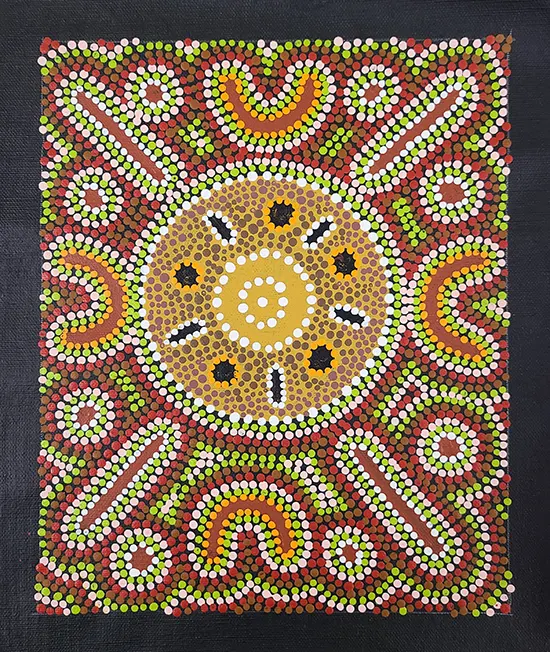
Australia is home to the oldest continuous living culture in the world, with Aboriginal and Torres Strait Islander peoples inhabiting the continent for at least 65,000 years. Their history is expressed through complex oral traditions, intricate art, and deep spiritual connections to the land known as "Country." Understanding this history is essential to grasping the modern Australian identity. Many cultural centers and guided tours now offer opportunities to learn about traditional land management, bush medicine, and the significance of Dreamtime stories.
Engaging with this culture requires sensitivity and a willingness to listen. When participating in cultural tours, it is appropriate to ask permission before taking photographs of sacred sites or individuals. Many communities operate their own tourism ventures, providing an authentic way to support indigenous economies while gaining a deeper perspective on the nation’s heritage. By prioritizing these experiences, visitors gain a more comprehensive understanding of the continent’s true history, which extends far beyond the colonial era that began in 1788.
How to plan a trip to Australia?
Planning a trip to such a vast country requires careful consideration of geography and climate. Because Australia spans multiple time zones and climate regions, it is impossible to see everything in a single visit. Most travelers focus on a specific region, such as the tropical north, the temperate south, or the rugged interior. Domestic flights are the most practical way to cover long distances, though renting a campervan for a coastal road trip is a popular alternative for those with more time.
To ensure a smooth trip, keep these practical tips in mind:
- Apply for the correct visa well in advance of your departure date.
- Pack versatile clothing, as temperatures can fluctuate wildly between the coast and the desert.
- Download offline maps, as cellular service is often unavailable in remote outback areas.
- Carry plenty of water when traveling inland, as dehydration is a major risk for unprepared tourists.
By focusing on one or two regions and allowing for flexible travel days, you will be able to enjoy the unique landscapes and culture that make Australia a truly remarkable destination for travelers from across the globe.
Key facts
- Australia is the world’s sixth-largest country by landmass, covering approximately 7.69 million square kilometers.
- The Great Barrier Reef, located off the coast of Queensland, is the world's largest coral reef system and can be seen from space.
- Australia is home to unique endemic wildlife, including kangaroos, koalas, wombats, and platypuses, which are found nowhere else in the wild.
- When visiting, always swim between the red and yellow flags at beaches to ensure you are in an area patrolled by professional lifeguards.
- The Sydney Opera House, designed by Danish architect Jørn Utzon and opened in 1973, is a UNESCO World Heritage site and a global architectural icon.
- Avoid underestimating the sun’s intensity; use SPF 50+ sunscreen, wear a wide-brimmed hat, and drink plenty of water to prevent heatstroke.
The bottom line
Australia is renowned for its stunning natural wonders, such as the Great Barrier Reef and the vast, rugged Outback. Beyond its unique wildlife and iconic architecture, the nation offers a high quality of life and a diverse, multicultural society. Whether exploring vibrant coastal cities or remote wilderness areas, visitors discover a country defined by its adventurous spirit, unique environmental heritage, and deep-rooted Indigenous traditions.
People also ask
What is the capital of Australia?
The capital is Canberra, which was chosen as a compromise between Sydney and Melbourne in 1908. It is an inland city designed specifically to house the nation's government and national institutions.
Is it safe to swim in the ocean in Australia?
While Australia has world-class beaches, swimmers must be aware of strong rip currents and marine life. Always check local warnings and swim only at patrolled beaches to stay safe.
What is the best time of year to visit Australia?
Australia is a vast country with varied climates, but spring (September to November) and autumn (March to May) generally offer the most pleasant temperatures. Northern regions are best visited during the dry season from May to October.
Do I need a visa to enter Australia?
Most international visitors require a visa or an Electronic Travel Authority (ETA) to enter the country. You should apply through the official Australian Department of Home Affairs website well before your departure date.
What is the official currency of Australia?
The currency is the Australian dollar (AUD), which is divided into 100 cents. Most businesses prefer card payments, and contactless "tap and go" technology is widely accepted throughout the country.
What is the "Outback"?
The Outback refers to the vast, remote, and arid interior of the Australian continent. It is characterized by its rugged landscapes, low population density, and significant cultural importance to Aboriginal and Torres Strait Islander peoples.
This answer was created with the help of AI research tools and reference sources. Spotted an error? Let us know — we correct mistakes quickly. See our editorial policy.